
Quick Summary
Greater Noida is rapidly developing as a preferred choice for real estate investors aiming for steady rental returns and long term capital growth. This detailed guide covers the critical factors driving rental yields in the region, including the Noida International Airport, expanded transit lines, and growing commercial centers. It provides a localized sectoral analysis comparing rental yields across Pari Chowk, Greater Noida West, and various residential zones, giving you the practical data needed to make informed investment choices.
Table of Contents
- Understanding Rental Yield Dynamics in Greater Noida
- Key Factors Driving Rental Yield in Greater Noida
- Comparative Analysis of Rental Yields Across Different Micro-Markets
- Property Types and Their Impact on Yields
- Strategic Investment Guidelines for Maximizing Rental Yields
- Long-Term Outlook for Greater Noida Real Estate Market
Understanding Rental Yield Dynamics in Greater Noida
What is rental yield and why does it matter in Greater Noida?
Rental yield represents the annual rental income generated by a property expressed as a percentage of its overall capital value. It serves as a primary metric for investors to evaluate the earning power of their real estate assets. Unlike markets that rely solely on speculative capital growth, a strong rental yield ensures a steady, predictable cash flow that can offset mortgage costs and property taxes. In Greater Noida, rental yield has become an important focus area because the initial capital entry costs are substantially lower than in adjacent markets like Delhi or Gurgaon, while the rental demand has risen sharply. This unique combination allows investors to secure consistent passive returns from day one.
When evaluating the wider Northern Indian real estate landscape, investors frequently compare micro-markets to find high-performing assets, including various premium residential properties in Delhi NCR that offer stable passive returns. Greater Noida has stood out in recent years due to its planned urban layout, wide roads, and continuous influx of corporate tenants and university students. By focusing on rental yields rather than just future selling price, property buyers can shield themselves from market volatility and create an active income stream that grows with inflation.
How is rental yield calculated for Greater Noida residential properties?
To calculate the gross rental yield of a residential property in Greater Noida, you divide the annual rental income by the total cost of acquiring the property, then multiply by one hundred. For example, if a modern two-bedroom apartment in Sector Chi costs sixty lakh rupees to purchase and commands a monthly rent of twenty thousand rupees, the annual rental income is two lakh forty thousand rupees. The gross rental yield is computed as two lakh forty thousand divided by sixty lakh, which equals four percent. This calculation provides a straightforward basis for comparing different property options across the region.
However, sophisticated investors look deeper by calculating the net rental yield. This advanced metric accounts for recurring expenses such as monthly maintenance charges, municipal property taxes, property insurance, annual vacancy periods, and property management fees. If the same apartment incurs thirty thousand rupees in annual maintenance and management costs, the net rental income drops to two lakh ten thousand rupees, resulting in a net rental yield of three point five percent. In Greater Noida, gross residential rental yields typically range between three percent and four point eight percent, which is notably higher than the national residential average of two to three percent found in mature metropolitan areas.
Key Factors Driving Rental Yield in Greater Noida
Impact of Noida International Airport at Jewar
The construction and upcoming operations of the Noida International Airport at Jewar represent a massive economic shift for the entire Yamuna Expressway and Greater Noida region. This multi-phase infrastructure project is attracting massive global investments, aviation logistics firms, international hotel chains, and retail developers. As corporate headquarters establish their presence nearby to leverage proximity to the airport, a high-earning workforce is moving into the surrounding residential sectors. This influx of executives, pilots, support staff, and corporate managers is driving up the demand for well-maintained, high-quality rental housing in Greater Noida.
The airport project has also spurred a wave of secondary development, including high-tech manufacturing parks and industrial corridors. These facilities create thousands of employment opportunities, which in turn fuels the demand for affordable and mid-range rental housing. Property values in Greater Noida are rising steadily, yet rental rates are growing at an even faster pace in well-connected areas, leading to compressed capitalization rates but higher nominal yields for early investors who purchased properties at lower entry points.
Connectivity corridors and metro expansions
Seamless physical connectivity is a primary driver of rental demand. The Aqua Line of the Noida Metro, which connects Sector 51 in Noida to Depot Station in Greater Noida, has transformed the daily commute for thousands of residents. Sectors located along this metro corridor experience significantly lower vacancy rates compared to isolated pockets. Tenants are willing to pay a premium of fifteen to twenty-five percent for apartments situated within walking distance of a metro station, as it provides direct, hassle-free access to major employment hubs in Noida and Delhi.
Beyond public transit, the road network in Greater Noida is among the best planned in India. The Yamuna Expressway, the Noida-Greater Noida Expressway, and the Eastern Peripheral Expressway form a network that links the city to Haryana, Uttar Pradesh, and Delhi. This superior road infrastructure appeals to logistics professionals, industrial managers, and corporate employees who prefer commuting by private vehicles or corporate cabs, ensuring a continuous pool of high-quality prospective tenants for property owners.
Commercial developments and corporate presence
Greater Noida is no longer just a residential suburb; it is a major economic hub. The presence of Knowledge Parks, which house numerous engineering colleges, business schools, and private universities, creates a massive and permanent demand for student housing, shared apartments, and PG accommodations. Student tenants keep vacancy rates close to zero for most of the academic year, allowing landlords to optimize their cash flows. Industry reports and updates published on our dedicated NCR real estate blog and market insights section point to steady rental growth driven by corporate relocations.
Simultaneously, the growth of IT parks, data centers, and light manufacturing units in sectors like Ecotech and Knowledge Park 5 has brought a steady influx of working professionals. Companies like mobile manufacturers, software developers, and financial services firms have set up extensive operations here. Many of these organizations actively rent apartments for their outstation employees, providing landlords with secure corporate leases that guarantee timely payments and minimal wear-and-tear on their properties.
Comparative Analysis of Rental Yields Across Different Micro-Markets
Greater Noida West (Noida Extension) versus Pari Chowk
Greater Noida West, popularly known as Noida Extension, consists of high-density high-rise residential developments. Due to the high supply of ready-to-move-in flats, rental prices here remain competitive, making it highly attractive to young families and mid-level IT professionals looking for affordable yet modern apartments. Although property prices have risen, the sheer volume of available options keeps rental yields in the range of three percent to three point eight percent. However, as social infrastructure like malls, hospitals, and schools becomes fully operational, rental demand is expected to consolidate, leading to more stable yields over time.
In contrast, Pari Chowk and its surrounding older sectors represent a highly established micro-market. This area enjoys immediate proximity to the expressway, major metro stations, and leading universities. Because of the limited supply of new construction and the high demand from students and university staff, rental rates here are significantly higher than in Noida Extension. Properties around Pari Chowk often yield between three point five percent and four point two percent, making it one of the most reliable sub-markets for active rental income in the region.
Omega, Chi, and Delta Sectors
The Omega and Chi sectors are premium residential zones that feature a mix of high-end low-density apartments and independent houses. These sectors appeal to senior executives, corporate managers, and expatriates working in nearby industrial hubs. The properties here offer high-quality construction, wide green belts, and peaceful living conditions. Because the entry prices in these sectors are relatively high, the gross rental yield sits between three point three percent and four point one percent, though landlords benefit from highly stable, long-term tenants who maintain the properties exceptionally well.
Delta and Gamma sectors are older, low-rise residential zones featuring independent houses, builder floors, and plotted developments. These sectors have a unique rental dynamic, with many properties converted into shared student housing or multi-tenant boarding homes. Because the initial acquisition cost for older structures can be lower, and the rent per head in a shared layout can be maximized, some investors in Delta sector achieve rental yields as high as four point five percent to five percent, albeit with higher management efforts and frequent tenant turnover.
| Sector / Micro-Market | Average Purchase Price (INR / Sq. Ft.) | Average Monthly Rent (2 BHK – INR) | Expected Gross Rental Yield |
|---|---|---|---|
| Greater Noida West (Noida Extension) | 5,500 – 8,500 | 15,000 – 22,000 | 3.2% – 3.8% |
| Pari Chowk Vicinity | 7,000 – 10,000 | 20,000 – 28,000 | 3.5% – 4.2% |
| Sector Chi / Phi | 6,500 – 9,500 | 18,000 – 25,000 | 3.4% – 4.0% |
| Knowledge Park & Surrounds | 6,000 – 9,000 | 12,000 – 18,000 (Studio / Shared) | 4.0% – 4.8% |
| Sector Omega | 7,200 – 10,500 | 22,000 – 30,000 | 3.3% – 4.1% |
Property Types and Their Impact on Yields
High-rise apartments versus premium independent villas
The type of property you invest in has a major impact on both the rental yield and the type of tenant you attract. High-rise apartments are the most common rental assets in Greater Noida. They are favored by tenants due to standard amenities such as power backup, lift access, clubhouse facilities, swimming pools, and dedicated security guards. Studio apartments and two-bedroom configurations in these complexes generally offer the highest rental yields because their lower purchase prices make them easier to lease, and they experience high tenant demand from young working couples and single professionals.
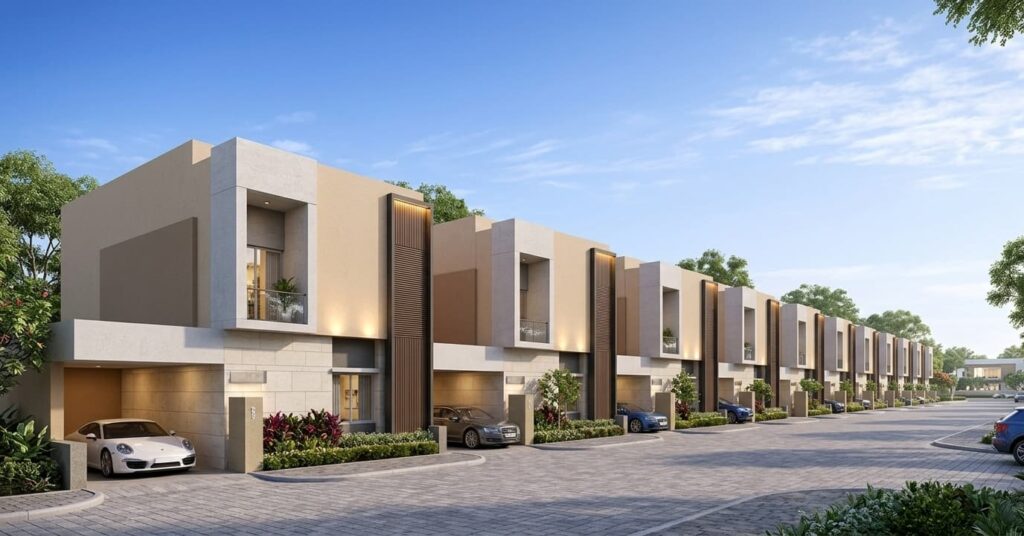
While high-density high-rises dominate the rental market, there is an increasing demand for luxury and space, leading affluent tenants to look for high-end options like premium villas for sale in Noida and Greater Noida. These independent structures offer a unique lifestyle defined by privacy, private gardens, and large living spaces. While the gross rental yield for villas is usually lower (around two percent to three percent) due to their high capital cost, they attract long-term corporate tenants, suffer from very low turnover rates, and offer far superior capital appreciation potential over time compared to standard apartments.
Commercial retail spaces versus residential apartments
For investors focused solely on maximizing passive income, commercial retail spaces in Greater Noida present a compelling alternative to residential properties. Commercial assets, including retail shops in prominent malls or office spaces in IT parks, typically offer gross rental yields ranging from six percent to nine percent. These properties benefit from longer lease durations, often extending from three to nine years, and usually include pre-committed rental agreements with yearly escalation clauses.
However, commercial real estate requires a much higher initial capital outlay and carries a higher risk of prolonged vacancy periods if the location or micro-market experiences a downturn. Residential properties, on the other hand, have a much lower entry barrier, are easier to liquidate, and benefit from a continuous, highly resilient demand pool, making them a safer choice for individual investors looking for a balance of steady yields and portfolio stability.
Strategic Investment Guidelines for Maximizing Rental Yields
Tenant profiling and target demographics in Greater Noida
To achieve the highest possible rental yield, you must align your property choice with the specific needs of your target demographic. For example, if you are purchasing a property in or around Knowledge Park, your primary target will be students and young faculty members. In this scenario, converting the property into a fully furnished, co-living setup with high-speed internet, study desks, and basic kitchen amenities will allow you to charge a premium rent per bed, maximizing your overall yield.
If your property is located near the Noida-Greater Noida Expressway or the commercial sectors, your target audience will be mid-to-senior-level corporate employees. These tenants prioritize comfort, modern home appliances, secure gated layouts, and proximity to transit links. Offering a semi-furnished or fully-furnished apartment with high-quality fittings, modern wardrobes, and modular kitchen units can increase your rental income by fifteen to twenty-five percent compared to a bare, unfurnished flat.
Project maintenance, amenities, and security factors
The long-term performance of your rental asset depends heavily on the overall quality and maintenance of the project. Properties in poorly managed societies quickly lose their appeal, leading to falling rental values and high vacancy rates. When selecting a property, choose developments built by reputable developers who employ professional facility management agencies. Elite developments, such as the Palm Villas Noida gated community, set high benchmarks for luxury living, showcasing how premium planning translates directly into superior rental returns.
Essential amenities that directly influence a tenant’s decision include reliable twenty-four-hour power backup, clean water supply, dedicated parking spaces, a functional gym, and advanced multi-tier security systems. Gated developments with CCTV monitoring and strict visitor control are highly preferred by families and single professionals alike. Investing in such well-managed projects ensures that your property remains highly sought after, allowing you to consistently command top-market rents and maintain excellent yields year after year.
Long-Term Outlook for Greater Noida Real Estate Market
Capital appreciation versus regular cash flow
A successful real estate strategy requires a balanced focus on both monthly cash flow and long-term capital appreciation. Greater Noida is currently in a high-growth phase where infrastructure development is actively driving up land and property values. Investors who enter the market today can expect to benefit from a dual-reward system: stable, inflation-adjusted rental income in the short term, and significant capital gains over a five-to-ten-year horizon as the region matures.
As the commercial and industrial sectors expand, the gap between property acquisition costs and rental income is expected to close, leading to yield stabilization. Early buyers will enjoy a superior yield on cost, which is the rental income relative to the low initial purchase price, even if market-wide yields compress as property values rise. This makes Greater Noida one of the most promising markets for long-term wealth creation in Northern India.
Future infrastructure updates and smart city initiatives
The long-term viability of Greater Noida is supported by its planned integration of smart city features. These include automated traffic management systems, extensive green belts, smart street lighting, efficient waste management systems, and a continuous supply of recycled water for public parks. These initiatives improve the overall quality of life, making the city highly attractive to modern, high-income families and corporate professionals who value sustainable living conditions.
Additionally, planned connectivity updates like the multi-modal transport hub at Boraki, proposed metro extensions deep into Greater Noida West, and the development of the Yamuna Expressway industrial clusters will continue to drive economic activity. This sustained growth guarantees a steady demand for high-quality rental housing, ensuring that investors who focus on well-located residential assets can look forward to rising yields and highly secure portfolios. To formulate a customized investment strategy or discover high-yielding assets, you can get in touch with our real estate consultants today.
Frequently Asked Questions
Which sector in Greater Noida offers the highest rental yield?
Sectors located close to prominent educational institutions in Knowledge Park and key transit corridors like Pari Chowk generally offer the highest rental yields, ranging from 4.0% to 4.8%. These areas experience consistent, high demand from students and university staff, which minimizes vacancy rates and allows landlords to maximize rental income through shared housing and co-living arrangements.
How does Jewar Airport impact residential rental rates in Greater Noida?
The upcoming Noida International Airport at Jewar is drawing substantial commercial, industrial, and aviation investments to the region. As multinational corporations set up offices, a high-earning professional workforce is relocating to Greater Noida, driving up demand for premium residential properties and leading to steady, double-digit growth in rental rates across well-connected sectors.
Are furnished apartments more profitable than unfurnished ones in Greater Noida?
Yes, furnishing your apartment can increase your rental yield significantly. Furnished units appeal directly to corporate executives, IT professionals, and students who seek ready-to-move-in solutions. By offering modern appliances, wardrobes, and modular kitchens, landlords can command 15% to 25% higher monthly rents, easily recovering their initial furnishing costs within a few years.
What is the typical tenant profile in the Greater Noida rental market?
The tenant demographic in Greater Noida is highly diverse, consisting of three main groups: university students and faculty members in and around Knowledge Park; young IT and manufacturing professionals working near the expressways and industrial hubs; and families who seek modern, spacious apartments in secure, gated high-rise communities with excellent school and healthcare connectivity.