
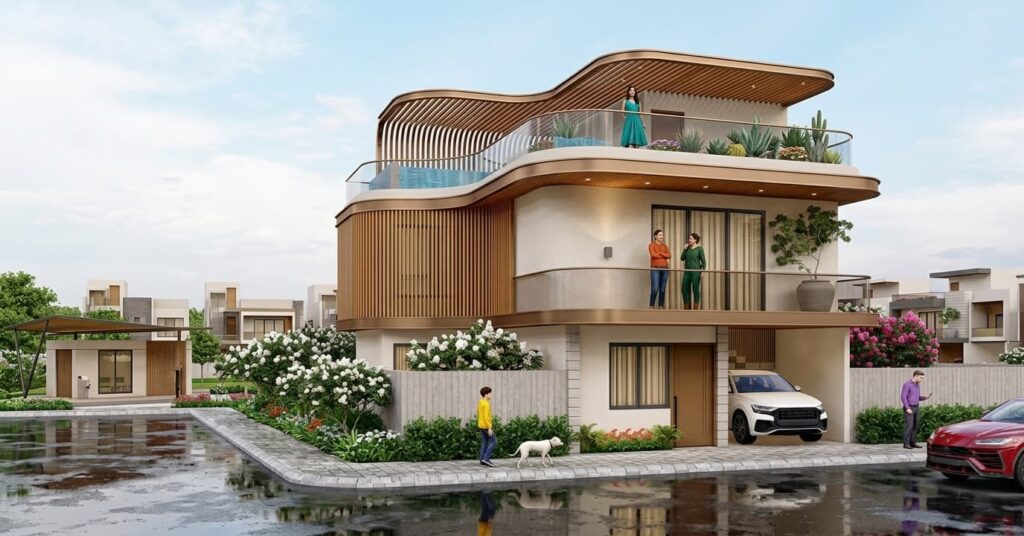
Quick Summary
Renting out 3BHK villas represents a highly lucrative segment of the real estate market. This guide provides a detailed analysis of rental yields, strategic location selection, target tenant demographics, and practical ways to optimize rental income. By focusing on asset maintenance, smart upgrades, and long-term lease structures, property owners can secure steady cash flow and significant capital appreciation.
Table of Contents
- Understanding the Rental Potential of 3BHK Villas
- Key Factors Influencing Rental Yields for Three Bedroom Villas
- Target Tenant Demographics for Premium Villas
- Financial Analysis: Yields, Maintenance, and Return on Investment
- Strategies to Maximize Your Villa Rental Income
- Comparing Villas with Apartments for Rental Income
- Legal and Operational Aspects of Villa Rentals
Understanding the Rental Potential of 3BHK Villas
The residential rental market has witnessed a notable shift in consumer behavior over the last several years. Luxury and space have moved from being occasional preferences to absolute priorities for high-income tenants. A 3BHK villa offers a perfect balance of generous space, privacy, and community living, making it one of the most sought-after asset configurations in suburban real estate. Unlike conventional high-rise apartments, independent villas provide private gardens, personal terraces, and dedicated parking spaces, which command a substantial rental premium.
From an investment perspective, villas represent a dual-income opportunity. While they undergo steady capital appreciation due to the underlying land value, their rental potential remains remarkably high, especially in planned residential sectors. Modern renters are willing to pay a premium for properties developed by trusted brands like Heritage Prime, which represent quality construction and premium design standards.
Why are tenants choosing 3BHK villas over high-rise apartments?
The preference for three-bedroom villas is largely driven by the desire for independent living quarters. High-rise apartments often present challenges related to shared walls, limited parking spaces, restricted pet policies, and crowded common areas. A villa eliminates these bottlenecks. It provides a distinct sense of ownership and space that is highly attractive to families looking to settle down for longer durations.
Additionally, the rise of remote and hybrid work cultures has created a permanent demand for dedicated home offices. A 3BHK layout allows tenants to allocate two bedrooms for family members and convert the third into a fully functional workspace, private library, or media room. This versatility significantly boosts the rental appeal of the property.
How does geographic location dictate villa rental values?
The geographic positioning of a villa is the primary driver of its rental value. Properties located in well-planned suburban micro-markets with broad roads, excellent utility connections, and clean air consistently fetch higher rental yields. Proximity to major employment corridors, international schools, and premier healthcare facilities guarantees a continuous stream of high-profile tenants, reducing vacancy periods to a minimum.
Key Factors Influencing Rental Yields for Three Bedroom Villas
Rental yield is the annual rental income expressed as a percentage of the property value. For luxury villas, this yield is determined by a combination of physical attributes, developer reputation, and surrounding infrastructure. To achieve high rental returns, investors must focus on buying properties in premium corridors where tenants are willing to pay top dollar.
Amenities inside a gated community are crucial when choosing a property. Modern renters look for comprehensive security systems, persistent water supply, power back-ups, swimming pools, and state-of-the-art gymnasiums. Those browsing for high-quality units often seek out options like premium villas for sale in Noida to ensure their investments benefit from exceptional location advantages and community design.
What infrastructure developments boost rental demand?
Infrastructure acts as a catalyst for rental appreciation. The construction of new expressways, metro extensions, and international airports dramatically changes the rental landscape of adjacent residential sectors. When commute times to major financial centers decrease, high-earning corporate employees look to migrate to nearby luxury residential projects, driving up rental values for spacious 3BHK layouts.
How do premium amenities impact the monthly asking rent?
Properties that offer exclusive club memberships, multi-layered security gates, internal jogging tracks, and professional landscape management can command 20% to 35% higher rent than stand-alone properties. Renters value the peace of mind and convenience that comes with managed, gated communities, prioritizing these features above basic square footage.
Target Tenant Demographics for Premium Villas
Identifying the right tenant profile is essential for maintaining long-term tenant retention and steady rental income. The demographic for 3BHK villas differs substantially from that of smaller apartments. Villa tenants generally seek stability, premium lifestyle facilities, and quiet neighborhoods.
The primary tenant categories for luxury villas include senior corporate executives, multi-generational families, expatriates, and high-net-worth business owners. These demographics prefer secure, gated environments. For example, high-profile tenants looking for luxurious spaces often choose properties in exclusive enclaves like the Palm Villas Noida gated community to enjoy a sophisticated community atmosphere and superior safety protocols.
What specific requirements do corporate expatriates have?
Expatriates look for seamless facilities, reliable high-speed internet connectivity, high-grade security, and proximity to international schools. They prefer fully managed properties where maintenance is handled by professional staff, allowing them to live comfortably without dealing with daily operational hassles.
Why do multi-generational families prefer villa rentals?
Multi-generational families require structural diversity in their living spaces. A 3BHK villa offers distinct zones that provide elderly family members with quiet downstairs bedrooms, while younger family members can enjoy privacy on the upper levels. Private lawns and open terraces also provide safe, accessible spaces for children and pets to play.
Financial Analysis: Yields, Maintenance, and Return on Investment
Investing in a 3BHK villa requires a clear understanding of its financial dynamics. While initial capital expenditure is higher than that of standard apartments, the long-term compounding effects of land value appreciation, coupled with consistent rental income, make it an incredibly attractive investment class.
To stay updated on changing yield rates, investment trends, and micro-market analysis, investors can refer to the NCR real estate blog and market insights. This helps in identifying high-growth corridors where investment yields are trending upward due to rising residential demand.
| Financial Metric | Suburban 3BHK Villa | Urban High-Rise Apartment |
|---|---|---|
| Average Gross Rental Yield | 3.5% – 5.0% annually | 2.5% – 3.5% annually |
| Capital Appreciation Rate | 8.0% – 12.0% annually | 5.0% – 7.0% annually |
| Average Tenant Lease Term | 24 – 36 months | 11 – 22 months |
| Maintenance Responsibility | Primarily tenant/landlord joint | Managed by Association |
How is gross rental yield calculated for a 3BHK villa?
The gross rental yield is calculated by taking the annual rental income generated by the villa, dividing it by the total purchase price of the property, and multiplying by one hundred. For example, if a 3BHK villa purchased for 2 Crore Rupees generates a monthly rent of 80,000 Rupees, the annual rental income is 9,60,000 Rupees, resulting in a gross yield of approximately 4.8%. This calculation serves as a basic baseline for comparing investment opportunities across different residential sectors.
What ongoing maintenance expenses affect net rental income?
Net rental yield accounts for ongoing operational expenditures. These include annual property taxes, community maintenance charges, insurance, and routine physical maintenance such as plumbing, painting, and garden care. While these expenses can reduce immediate monthly cash flows, regular maintenance prevents asset depreciation and preserves the luxury appeal of the villa, enabling higher asking rents in the future.
Strategies to Maximize Your Villa Rental Income
To extract premium value from your 3BHK villa, simple marketing is often insufficient. Owners must actively improve the physical structure, interior finishes, and overall tenant experience. Investing in reliable structural developments from a developer with the Heritage Prime legacy of trust ensures that the building’s physical integrity and design remain in top condition, paving the way for superior premium rental returns.
High-earning tenants look for modern, luxury features that stand out. Proper interior design and functional upgrades can justify a substantial increase in monthly rent while attracting higher-caliber tenants who treat the property with care.
- Premium Semi-Furnishing: Equipping the villa with designer modular kitchens, built-in wardrobes, high-end sanitaryware, and energy-efficient climate control systems is highly attractive to modern renters.
- Professional Landscaping: A beautifully designed private garden, complete with low-maintenance plants, comfortable outdoor seating, and warm lighting, instantly enhances the property’s premium look.
- Integrated Smart Home Automation: Installing keyless entry locks, motion-sensor lighting, and smart security cameras appeals to safety-conscious tenants who love modern technology.
- Eco-Friendly Additions: Solar water heating panels, rainwater harvesting integration, and hybrid vehicle charging points are great selling points that appeal to eco-conscious, high-value renters.
Does furnishing a villa justify a higher rental premium?
A fully furnished villa can demand up to 40% more rent than an unfurnished equivalent. However, furnishing must be done with durable, high-quality materials to withstand wear and tear. Semi-furnishing, which includes essential kitchen appliances, modern wardrobes, and high-quality light fixtures, is often the most cost-effective option for property owners, as it balances high returns with lower initial setup costs.
What value do smart home automation and green energy add?
Smart home integrations dramatically increase a villa’s visual and functional appeal. Voice-controlled lighting, automated window blinds, and remote-accessible security systems appeal to tech-savvy corporate executives. Additionally, solar energy setups lower monthly utility bills, which is a compelling incentive that tenants are willing to pay extra for in their base rent.
Comparing Villas with Apartments for Rental Income
Investors often debate between buying a luxury 3BHK villa or a standard multi-family apartment. While high-rise apartments can sometimes offer slightly higher initial rental yields due to lower entry prices, they fall short when it comes to capital appreciation, tenant stability, and personal freedom. A villa represents solid ownership of both the building and the land, which historically outperforms high-rise units over ten to fifteen years.
Furthermore, villa tenants tend to lease properties for longer durations, resulting in less frequent tenant turnover and lower brokerage fees. This stability ensures predictable cash flows, making it an excellent option for hands-off investors looking for dependable long-term income.
Why do villas offer superior capital appreciation despite lower initial yields?
The primary driver of real estate appreciation is land value, as physical structures naturally depreciate over time. Apartment owners hold only an undivided share of land, whereas villa owners own the plot itself. As prime land becomes increasingly scarce in rapidly developing metropolitan areas, the value of the land beneath the villa rises sharply, ensuring excellent long-term wealth creation.
How do occupancy rates differ between apartments and luxury villas?
Apartments have shorter average lease terms of eleven to twelve months, leading to frequent vacancies and recurring refurbishing expenses. Villa leases, however, are typically signed by established families or corporate entities for three to five years, providing landlords with steady rental income and fewer vacant periods.
Legal and Operational Aspects of Villa Rentals
Managing a rental villa requires careful attention to legal details to prevent future disputes and secure regular payments. A well-structured lease agreement is the foundation of a successful landlord-tenant relationship, protecting both parties and laying out clear operational boundaries.
To ensure smooth legal processes and high-quality lease documentation, property owners can get in touch with our real estate consultants who have deep expertise in local rental laws, structural maintenance clauses, and secure financial arrangements.
What structural terms should be included in a villa rental agreement?
The rental contract must explicitly outline who is responsible for structural repairs versus everyday maintenance. Typically, minor daily issues like replacing light bulbs or fixing small plumbing blocks are handled by the tenant, while major structural issues like wall dampness, roof waterproofing, and main electrical line maintenance are managed by the landlord. Including these terms in the agreement prevents future misunderstandings and keeps the property in excellent condition.
How should property owners handle tenant verification and background checks?
Thorough tenant background checks are absolutely vital. Landlords should request employment proof, verify salary slips, check credit reports, and complete formal police verification. This level of due diligence keeps the community safe, ensures on-time rent payments, and protects the long-term value of the physical property.
Frequently Asked Questions
What is the average rental yield for a 3BHK villa in a major NCR suburb?
The average rental yield for a 3BHK villa in a prime NCR suburb typically ranges from 3.5% to 5.0% annually. This rate depends heavily on the quality of local infrastructure, safety protocols, proximity to business hubs, and the specific amenities provided within the gated development.
How do gated community security features affect villa rental pricing?
Enhanced security features, such as smart perimeter walls, biometric visitor verification, round-the-clock patrol units, and integrated surveillance cameras, significantly increase rental pricing. High-profile tenants and expat families are willing to pay up to a 25% premium for communities that prioritize top-tier resident safety.
Is it better to lease a villa to corporate entities or individual families?
Leasing to corporate entities is highly advantageous as it guarantees prompt rent payments and hassle-free lease renewals, although the onboarding process and legal agreements can take longer. Leasing to individual families also offers excellent stability and care for the physical property, provided they undergo thorough background checks before signing the lease.
How often can a landlord increase the rent on a 3BHK villa?
Rental increases are typically scheduled annually, with an industry standard escalation rate ranging from 5% to 10% per year, as detailed in the lease contract. For longer-term corporate leases, landlords can negotiate customized structural step-ups every two or three years to match changing market conditions.