
Quick Summary
Transforming a villa garden requires a balanced approach to design, scale, and function. This guide covers premium layout strategies, selecting durable high-end furniture, choosing architectural water features, implementing professional lighting schemes, and structuring beautiful botanical displays. Discover how classic stone surfaces, custom pergolas, and smart outdoor entertainment systems work together to turn large open-air spaces into sophisticated, comfortable year-round retreats.
How to Plan a Villa Garden Layout?
What are the fundamental principles of villa garden design?
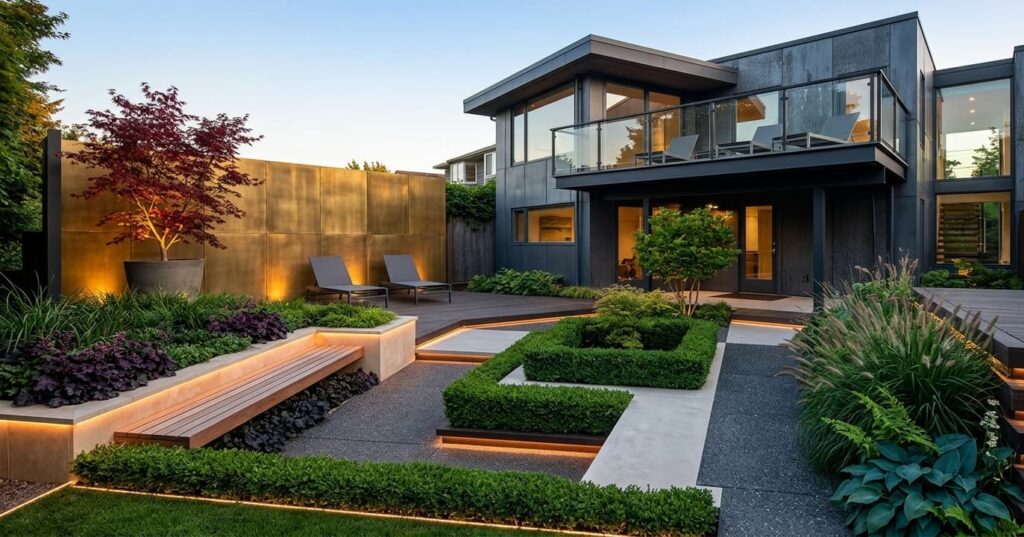
Designing the landscape of a premium villa requires careful attention to balance, structural alignment, and spatial flow. Unlike smaller urban gardens, a large estate backyard demands a design scheme that coordinates with the main building architecture. Symmetry represents a key principle in classic estate planning, where primary pathways, manicured hedges, and prominent design elements align along a central sightline. This structural framework helps organize large spaces, preventing them from appearing uncoordinated or empty. Modern villa designs, however, often adopt asymmetrical layouts that prioritize organic shapes, flowing pathways, and distinct functional zones that blend naturally with the surrounding landscape. Homeowners should establish clear transition paths between indoor living spaces and outdoor garden areas to create a unified living experience.
How does scale and proportion affect estate landscaping?
Scale and proportion are critical when decorating a grand estate garden. Small planters, thin pathways, or compact furniture sets can easily look out of place in a vast yard. Instead, choose substantial elements, such as mature specimen trees, wide paved walkways, and generous seating arrangements that match the property size. Grouping plants in layers of varying heights helps build visual depth, while broad lawns offer open, relaxing views. Introducing architectural features like stone retaining walls, raised planters, and wide steps helps break up large expanses of grass, adding interesting physical dimensions to the flat ground. High-quality properties, such as those in the Palm Villas Noida gated community, demonstrate how thoughtful spatial design can turn large outdoor areas into comfortable, stylish private spaces.
Selecting Premium Outdoor Furniture and Seating Zones
What materials are best suited for luxury outdoor furniture?
High-end outdoor furniture must combine luxury style with long-term durability. Grade-A plantation teak remains a top choice due to its natural oils, which provide excellent resistance to moisture, insects, and decay over time. For modern designs, powder-coated aluminum frames offer a sleek aesthetic while remaining lightweight and completely rustproof. Synthetic outdoor wicker made from high-density polyethylene (HDPE) provides a classic woven look that stands up well to extreme heat and rain without cracking or fading. When choosing upholstery, specialized outdoor fabrics like solution-dyed acrylics are highly recommended. These fabrics resist water, staining, and UV damage, ensuring that outdoor cushions keep their rich color and soft texture through years of sun and weather exposure.
How do you create multiple functional seating zones in a large garden?
A well-designed villa garden should feature distinct outdoor areas tailored for different activities and times of day. A spacious main patio near the villa entrance is perfect for a large dining table and chairs, setting up an ideal spot for outdoor breakfast or formal dinner parties. Further into the garden, a separate lounge area with deep-seated sofas, a low coffee table, and a protective umbrella or custom pergola offers a quiet space for daytime relaxation. Homeowners looking to purchase premium villas for sale in Noida often design private seating nooks near quiet corners of the lawn, using cozy daybeds or hanging chairs surrounded by lush greenery to create peaceful areas for reading and reflection.
Water Features and Sculptural Accents
Where should a water fountain be placed in a villa garden?
Water features bring soothing sounds and a sense of calm to a villa landscape, while acting as a striking focal point. A classic tiered stone fountain works beautifully at the center of a circular driveway or a formal courtyard, where it immediately catches the eye of arriving guests. For contemporary gardens, a sleek water wall or a minimalist reflecting pool placed near the primary lounge deck can create a peaceful, resort-like atmosphere. It is important to position water features where they can be enjoyed from both inside the villa and from the main outdoor seating areas. Ensure these features are located away from large deciduous trees to prevent falling leaves from clogging the filtration pumps, and make sure there is easy access to electrical and plumbing lines for simple maintenance.
How do you select contemporary sculptures for outdoor spaces?
Artistic sculptures add personality and a sophisticated touch to estate gardens. When selecting outdoor art, choose materials that complement the surrounding landscape, such as natural granite, weathered bronze, brushed stainless steel, or carved limestone. A large, abstract metal sculpture makes a striking addition to a wide lawn, creating an interesting contrast against the soft green grass. Smaller, delicate sculptures can be tucked into garden alcoves, placed along gravel pathways, or set within flowering garden beds to offer charming surprises as guests explore the grounds. Proper lighting is key, installing focused uplights ensures these artistic pieces remain beautiful highlights of the property even after sunset.
Illumination Strategies for Nighttime Aesthetics
What are the best outdoor lighting techniques for large estates?
A professional garden lighting plan focuses on creating depth, drama, and safety across the property. Uplighting is highly effective for highlighting the unique trunk structures and leafy canopies of mature trees or showcasing architectural pillars. Path lighting, using low-profile, downward-directed fixtures, safely guides guests along walkways without creating harsh glare. Silhouetting involves placing lights behind structural plants or decorative panels to cast beautiful shadows against garden walls. Downlighting, where fixtures are mounted high up in tree branches or pergolas, mimics natural moonlight, casting a soft, gentle glow over seating areas below. These techniques are widely used across premium residential properties in Delhi NCR to highlight the elegant nighttime features of luxury estates.
How does smart lighting enhance garden security and style?
Integrating smart lighting systems allows villa owners to control their garden ambiance with ease. These systems let you program custom lighting scenes, dim light levels for evening parties, or set automatic timers that adjust with the seasons. Using energy-efficient LED fixtures reduces power use while offering options to adjust light warmth, moving from crisp white light for security to a soft, warm glow for entertaining. Smart lighting also works with home automation systems, syncing with motion sensors and security cameras to keep the property well-lit and secure, combining high-end style with practical safety.
Botanical Curation: Plant Selection and Zonation
How do you choose plants that offer year-round visual appeal?
A well-designed garden should look beautiful in every season. This is achieved by combining evergreen shrubs, which provide reliable green structure all year, with a rotating selection of seasonal flowering plants. Structured boxwood hedges, topiary trees, and ornamental grasses establish a clean, architectural look that defines different areas of the garden. Interplanting these with spring bulbs, summer perennials, and autumn-blooming flowers guarantees continuous color throughout the year. Choosing native plants is highly beneficial, as they are naturally adapted to the local climate and soil, requiring less water, fertilizer, and pest control to thrive. This sustainable approach is a key feature of modern luxury developments, including the independent homes at Shyam Kunj Villas, where eco-friendly landscaping is blended with elegant property design.
What are the benefits of vertical gardens and green privacy screens?
Vertical planting is an excellent way to maximize green space, soften plain boundary walls, and build natural privacy around the villa. Green living walls, fitted with built-in drip irrigation systems, allow you to grow a lush mix of ferns, mosses, and flowering plants directly on vertical surfaces. For natural boundaries, planting dense, tall evergreen hedges like cypress, bamboo, or juniper creates an organic privacy screen that blocks outside noise and wind. Adding timber trellises draped with fragrant climbing plants, such as jasmine, wisteria, or bougainvillea, enriches the garden with beautiful colors and sweet fragrances, making the outdoor space feel secluded and peaceful.
Hardscaping and Pathway Materials for Grand Entrances
Which natural stones are ideal for villa pathways and patios?
The choice of hardscaping materials sets the tone for the entire outdoor area. Natural stones are highly valued for their durability, slip resistance, and classic beauty. Travertine offers a sophisticated, cool-to-the-touch surface that works wonderfully around swimming pools and sunny patios. Granite pavers provide unmatched strength and a clean, modern look, making them ideal for high-traffic driveways and pathways. Limestone and slate bring rich organic textures and earthy tones that blend beautifully into rustic, Mediterranean, or traditional country-style gardens. To ensure safety and longevity, all natural stone surfaces should be professionally sealed to protect against staining, water absorption, and wear.
How do you balance green turf with paved surfaces?
Finding the right balance between hard paved areas and soft green lawns is key to a cohesive garden design. Too much paving can make a yard feel stark and hot, while excessive grass can look disorganized and require high maintenance. Creating stepping stone pathways winding through lush grass or low groundcover plants offers a gentle, natural transition. Using grass joints or moss-filled gaps between stone pavers softens hard lines and helps rainwater drain naturally into the ground. Designing clear borders with neat metal edging or low stone curbs keeps gravel paths, flower beds, and lawns neatly separated, maintaining a clean, structured look across the estate. For expert guidance on planning these detailed layouts, you can get in touch with our real estate consultants to discover how prime properties utilize professional landscaping to enhance value.
Outdoor Kitchens, Fire Pits, and Entertainment Pavilions
What amenities are necessary for a fully functional luxury outdoor kitchen?
A luxury outdoor kitchen brings the convenience of indoor cooking out into the fresh air, making it a centerpiece for garden hosting. A premium setup should include a high-performance built-in gas grill, a side burner, a durable outdoor oven, and an under-counter stainless steel refrigerator. Adding a sink with running water, a built-in ice chest, and dedicated storage cabinets keeps everything you need within arm’s reach. Select heavy-duty, weather-resistant countertops like polished granite, engineered quartz, or sealed concrete, which provide plenty of workspace and are easy to wipe down. Incorporating a raised bar counter with high stools creates a social hub where guests can chat with the cook while enjoying drinks.
How can fire pits and pergolas extend garden usability into cooler months?
Installing architectural shelters and cozy heating elements ensures your villa garden remains comfortable and inviting all year round. A custom timber or aluminum pergola offers shade during hot summer afternoons, and can be fitted with retractable fabric covers or adjustable louvers to block out rain. During cooler autumn and winter evenings, a central stone fire pit or a sleek, modern gas fireplace provides cozy warmth and a natural gathering spot for family and friends. Surrounding the fire feature with deep, comfortable armchairs, soft throw blankets, and stylish outdoor heaters creates an exceptionally warm and welcoming space, encouraging you to enjoy the fresh air and beautiful garden views in every season.
Comparing Villa Garden Design Themes
To help you select the ideal aesthetic for your estate, the table below outlines the core characteristics, primary materials, and essential design features of the most popular villa garden themes.
| Garden Style | Key Characteristics | Primary Materials | Key Accent Elements |
|---|---|---|---|
| Classical Formal | Symmetry, geometric pathways, manicured boxwood hedges | Limestone, white marble, gravel | Tiered fountains, stone urns, sundials |
| Modern Minimalist | Clean lines, spacious green lawns, neutral color palettes | Polished concrete, basalt, stainless steel | Linear water walls, abstract metal art |
| Mediterranean Warmth | Terracotta accents, shaded pergolas, drought-tolerant plants | Terracotta tiles, rough stone, wrought iron | Olive trees in clay pots, mosaic details |
| Tropical Oasis | Large leafy palms, dense foliage, warm wood elements | Natural teak, dark slate, bamboo | Natural stone waterfalls, tiki torches |
Frequently Asked Questions (FAQ)
How can I make my villa garden look luxurious on a modest budget?
You can achieve a high-end look by focusing on a few impactful, well-placed elements rather than trying to landscape the entire area at once. Start by investing in a single impressive focal point, such as a beautiful stone water fountain, a mature specimen tree, or a stylish, high-quality outdoor furniture set. Use cost-effective gravel for pathways and border them with clean, crisp metal edging for a neat, professional appearance. Grouping simple terracotta pots filled with uniform, lush green plants creates a structured, elegant look. Adding simple, warm-colored outdoor lighting to highlight key trees or architectural features instantly makes the garden feel sophisticated and welcoming after dark.
What is the best way to handle garden drainage in a large estate?
Proper drainage is essential to protect your villa foundation and prevent water from pooling on your lawn. A comprehensive system should combine surface sloping with underground solutions. Grading the land ensures surface water flows naturally away from the main buildings toward designated collection points. Installing French drains, which are gravel-filled trenches containing perforated pipes, helps channel excess water away from low-lying areas. Incorporating eco-friendly swales or rain gardens filled with water-loving plants allows rainwater to absorb naturally into the ground, while using permeable stones for pathways reduces surface runoff.
How do I choose the right size pergola for my backyard patio?
The ideal pergola size depends on how you plan to use the space and the scale of your villa. To ensure it fits comfortably, measure your patio area while keeping a clear path for walking around the structure. A standard dining setup or comfortable lounge area typically requires a pergola that is at least 10 by 10 feet. The height should stand between 8 and 10 feet, which provides a spacious, open feel while keeping the area cozy. Be sure to check the height of your villa roofline and window placements to ensure the new structure complements your home architecture without blocking scenic views.
How do I protect my outdoor teak furniture during winter?
Teak is a highly durable wood that can stay outdoors year-round, but simple winter care will keep it looking its best. Before the cold weather sets in, clean the wood thoroughly with a soft brush and mild soapy water to remove dirt and prevent mold. To protect the wood from harsh winter rain and snow, use high-quality, breathable furniture covers that prevent moisture buildup underneath. If possible, store cushions and fabrics in a dry indoor space, and move the teak furniture under a sheltered patio or into a garden shed to shield it from extreme weather.