
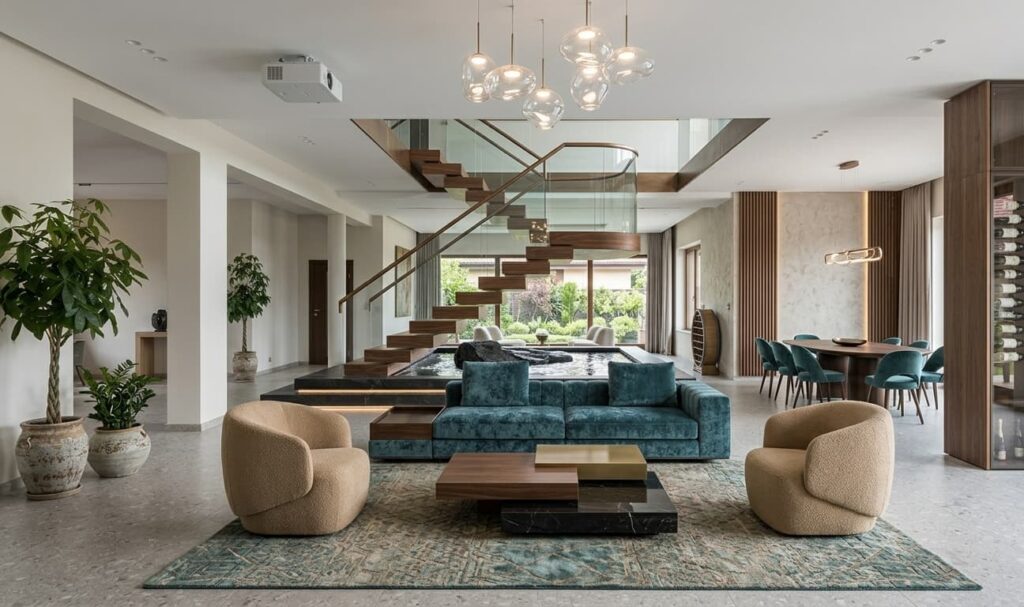
Quick Summary
Deciding between minimalist and luxury decor for estate-sized homes requires understanding how scale, materials, and daily lifestyle intersect. This comprehensive guide details how minimalist villa interiors use structural simplicity, raw organic materials, and negative space to create a serene sanctuary. Conversely, traditional luxury decor utilizes rich patterns, plush fabrics, and ornamental details to establish grandeur. For modern estate owners, the ideal solution often lies in warm minimalism, a balanced fusion that combines the clean lines of minimalist planning with the tactile comfort and premium materials of classic luxury. We explore structural suitability, material selections, maintenance considerations, and custom curation strategies to help you choose or fuse these styles for your private residence.
Decoding the Design Philosophies for Large Estates
Villa interiors represent the highest tier of residential design. Unlike standard apartments, a villa offers vast spatial volume, high ceilings, and an abundance of natural light. These architectural characteristics mean that every design choice is amplified. Selecting an interior design style is not merely about choosing furniture; it is about establishing a cohesive spatial experience that spans thousands of square feet. When deciding between minimalism and classic luxury, homeowners must first understand the fundamental theories behind each approach.
What defines minimalism in spacious estate design?
Minimalism in large residential properties is often misunderstood as cold, empty, or sparse. In reality, premium minimalist design centers on the concept of negative space, architectural alignment, and structural integrity. Rather than filling a grand room with ornamental elements, a minimalist approach allows the volume of the space itself to become the luxury. This is achieved through concealed storage, seamless wall panels, flush doors, and oversized windows that frame external landscapes like living artwork.
Every element in a minimalist villa must serve a dual purpose of utility and aesthetic contribution. Furniture pieces are selected for their architectural form, featuring clean profiles, low silhouettes, and unembellished surfaces. When executed correctly in luxury housing spaces, minimalism feels intentional, calm, and incredibly sophisticated. It shifts the focus from what is added to the space to how the space itself makes the inhabitant feel, utilizing a restrained palette of natural stone, matte metals, and raw wood to establish quiet refinement.
What defines classic luxury interior design?
Classic luxury decor, on the other hand, celebrates abundance, heritage, and intricate craftsmanship. This design philosophy is built on layers, symmetry, and visual weight. In a luxury estate, a room is structured around focal points such as grand stone fireplaces, elaborate coffered ceilings, ornamental moldings, and hand-carved millwork. It is an aesthetic that embraces rich history, utilizing classic design languages like neoclassical, baroque, or Art Deco to create an atmosphere of immediate prestige.
In contrast to the restraint of minimalism, classic luxury utilizes a rich array of textiles and decorative accents. Brocades, velvets, silks, and gilded metals find their place alongside highly polished marbles and detailed crystal chandeliers. The goal is to create a multi-sensory experience where every corner of the villa displays artistic value and meticulous craftsmanship. This style excels in creating formal entertaining spaces, private libraries, and dining halls that feel monumental and deeply established.
Architectural Alignment: Which Style Suits Your Villa Structure?
The success of your interior decor is heavily dependent on the physical architecture of the villa. Trying to force an ornate, classic luxury interior into a modern concrete and glass villa can result in visual friction. Similarly, putting minimalist furniture into a classical colonial estate with arched windows and detailed plasterwork can make the space feel unfinished rather than intentionally styled. Homeowners must evaluate their property’s structural framework before committing to an aesthetic path.
How does spatial layout dictate the choice of decor?
Modern architectural layouts often feature open floor plans, double-height living areas, and expansive glass facades. These structures naturally align with minimalist principles. The absence of interior partition walls allows light to penetrate deep into the home, highlighting clean floors and monolithic architectural features. When styling luxury independent villas in Noida, architects often lean towards minimalist finishes because the regional climate and light patterns benefit from open, airy, and uncluttered interiors that feel cool and spacious.
Conversely, traditional villa architectures with distinct, segmented rooms, formal vestibules, and historical detailing are ideal canvases for classic luxury decor. Segmented layouts allow for distinct thematic designs in different rooms. For example, a formal drawing-room can feature rich wood paneling and deep jewel tones, while the primary suite can adopt a softer, neoclassical pastel palette. The architectural division provides natural transitions, ensuring that rich, layered decor does not overwhelm the eyes when moving from one room to another.
Does architectural style limit interior design choices?
While architecture provides a starting direction, it does not entirely restrict your choices. Modern designers frequently apply minimalist decor to traditional structures by painting historical moldings in monochromatic white tones, thereby stripping the ornament of its traditional weight while preserving the structural texture. Conversely, a modern architectural shell can host luxury elements by introducing custom built-in cabinetry made of exotic burr walnut or cladding a prominent structural column in rare, book-matched Calacatta marble. The key is balance, ensuring that the structural bones of the villa and the interior furnishings speak a complementary language.
Materiality and Textures: The Building Blocks of Premium Interiors
The primary differentiator between basic residential interiors and premium villa spaces is the caliber of materials used. Both minimalism and luxury decor rely on high-grade materials, but they treat these materials in vastly different ways. Understanding how to select, finish, and pair these elements is vital to achieving a cohesive, high-end look.
What materials define high-end minimalist villa interiors?
Minimalism cannot hide behind patterns or decorative objects, meaning the raw materials themselves must be flawless. In a minimalist estate, designers focus on large-format materials that minimize joints and seams. Monolithic floor surfaces such as micro-concrete, seamless terrazzo, or oversized neutral limestone tiles are common choices. Walls are often finished with textured plaster, lime wash, or integrated timber panels that add warmth without visual noise.
Wood selections in minimalist interiors lean towards light, uniform species like white oak, ash, or pale maple, typically finished with matte, low-sheen oils. Metals are kept understated, favoring brushed bronze, blackened steel, or satin nickel over high-polished alternatives. Upholstery fabrics focus heavily on texture rather than color, utilizing coarse bouclés, raw linens, and thick wool weaves that provide a highly tactile experience underfoot and to the touch, ensuring the space feels warm and lived-in despite its simple geometry.
What materials represent traditional and modern luxury?
Luxury decor thrives on contrast, reflectivity, and rich depth. Flooring in luxury estates often features rare marble varieties such as Emperador Dark, Portoro, or Verde Alpi, frequently laid in intricate water-jet patterns or herringbone parquet made of smoked oak or walnut. The walls become canvas backdrops for silk wallpapers, hand-painted murals, padded leather panels, or heavy wainscoting painted in rich, satin-finish pigments.
Metalwork in classic luxury is celebratory, featuring polished brass, gold leaf accents, and wrought iron detailing. Upholstery is characterized by heavy weight and deep luster, featuring silk velvets, patterned damasks, brocades, and top-grain Italian leathers. By layering these materials, the home gains a sense of permanence and historical depth. When browsing the NCR real estate blog and market insights, you will notice that high-end developments frequently emphasize these rich, durable materials to appeal to discerning buyers who associate material weight and sheen with long-term real estate value.
The Power of Fusion: Creating a Transitional “Warm Minimalist” Style
For many modern villa owners, choosing entirely between strict minimalism and opulent luxury is unnecessary. A growing movement in global interior design favors a blended approach, often termed warm minimalism or transitional luxury. This style combines the clean lines, uncluttered layouts, and functional ease of minimalism with the soft textures, high-end materials, and comfortable seating of classic luxury.
How do you balance minimal architecture with luxurious finishes?
Achieving a balanced transitional look requires a disciplined approach to planning. Start by maintaining a minimalist architectural shell: keep the walls clean, choose handleless cabinetry, and maximize open-plan spaces. Then, introduce luxury through curated, high-impact furniture pieces and rich textile choices. For example, a large, minimally detailed living room can be anchored by a massive plush sectional upholstered in premium linen-bouclé, paired with a low-slung coffee table carved from a single block of exotic travertine.
In communities like the ultra-luxury homes at Palm Villas Noida, this transitional style has become the standard for modern living. It allows homeowners to enjoy the clean, low-maintenance benefits of modern design while retaining the comfort, warmth, and prestige of high-end materials. By avoiding excessive ornamentation but investing heavily in the tactile quality of every surface, you create an environment that feels both contemporary and timeless.
What are key elements of transitional design for villas?
To successfully implement this fusion, follow these design principles:
- Monochromatic but Textured: Keep the color palette restricted to neutral shades of cream, beige, taupe, and charcoal, but layer different textures like linen, leather, wool, and polished stone to create visual interest.
- Curated Statement Lighting: Use minimalist architectural lighting for general illumination, but introduce a singular, sculptural luxury light fixture over the dining table or in the double-height foyer.
- Integrated Technology: Conceal smart home systems, speakers, and televisions behind custom paneling, ensuring that technology does not disrupt the serene visual flow of the space.
- Bold Art Selections: Instead of multiple small decorative items, display one or two large, museum-quality art pieces or sculptures that draw the eye and define the room’s character.
Comparative Analysis: Minimalist vs. Classic Luxury Villa Decor
To help guide your design decisions, the following table contrasts the defining characteristics, strengths, and requirements of both design styles when applied specifically to spacious villa layouts.
| Design Element | Minimalist Villa Decor | Classic Luxury Villa Decor |
|---|---|---|
| Spatial Philosophy | Emphasizes negative space, structural form, and openness. | Emphasizes symmetry, layering, and ornamental detail. |
| Color Palette | Neutral, muted tones (creams, warm grays, earth tones). | Rich, deep hues (navy, emerald, burgundy, metallic accents). |
| Primary Materials | Raw concrete, limestone, matte oak, linen, micro-cement. | Polished marbles, walnut, velvet, silk, gold/brass, crystal. |
| Furniture Profiles | Low-slung, architectural shapes, unadorned surfaces. | Carved frames, tufted details, classic silhouettes. |
| Storage Approach | Concealed, handleless, flush-to-wall cabinetry. | Ornate glass display cases, heavy timber sideboards. |
| Maintenance Level | Moderate to high (scratches/clutter show immediately). | High (intricate surfaces gather dust; delicate fabrics). |
Spatial Lighting, Art, and Curation in Villa Aesthetics
The scale of a villa means that standard residential lighting and decor pieces will not suffice. To make either minimalist or classic luxury decor succeed, homeowners must approach lighting and art curation with a gallery-like mindset. These final layers are what transform a physical house into an inspiring, high-end living environment.
How should lighting be designed for minimalist versus luxury spaces?
In a minimalist villa, lighting is primarily integrated and architectural. High-end minimalist design relies heavily on indirect light sources: recessed plaster-in trimless downlights, concealed LED coves in ceilings, and linear light tracks that wash walls with soft illumination. The goal is to make the light source invisible while highlighting the physical texture of the plaster walls and the raw grain of the wood. Natural daylight is maximized through floor-to-ceiling glass systems, using sheer, motor-controlled linen drapes to soften the glare while maintaining an airy connection to the outdoors.
In classic luxury decor, lighting is treated as functional sculpture and a symbol of status. While architectural lighting is still used for basic visibility, the primary focus is on decorative fixtures. Grand crystal chandeliers, tiered glass pendants, brass wall sconces, and hand-blown glass table lamps serve as key visual anchors. These fixtures are selected for their reflectivity, casting light patterns across polished marble floors and metallic wall details, enhancing the sense of opulence throughout the evening.
How do art collections integrate into these design paradigms?
Art curation is deeply personal but must align with the scale of the villa. Minimalist spaces benefit immensely from oversized abstract canvases, large-scale black-and-white photography, and monolithic stone or metal sculptures. The negative space on the walls acts as a frame, allowing each piece of art to command attention. This approach requires restraint: rather than hanging multiple pieces in a hallway, a minimalist corridor might feature a single, high-impact sculpture highlighted by a targeted ceiling spotlight.
Classic luxury decor, conversely, allows for salon-style hangings, detailed portraiture, classic oil paintings, and ornate gilded frames. Sculptures in these settings often lean towards classical stone busts, detailed bronze figures, and intricate glass art displayed on carved pedestals. In these environments, art is layered alongside decorative wall paneling and ornate mirrors, contributing to the rich, historical atmosphere of the home.
Practical Considerations: Maintenance, Cost, and Lifestyle
While aesthetics are important, the longevity of your villa interior depends on how well it suits your daily life, maintenance capabilities, and long-term investment goals. Luxury real estate is an investment in lifestyle, and the interiors should support, not hinder, that experience. When selecting properties from premium residential properties in Delhi NCR, smart buyers often evaluate how interior choices affect the day-to-day operations of the household. Developers reflecting the Heritage Prime legacy of trust ensure that structural villa layouts are designed to support flexible, premium interior options, whether you favor a minimalist or classic luxury aesthetic.
Is minimalist decor easier to maintain than classic luxury?
There is a common misconception that minimalist homes are easier to maintain because they have fewer objects. While dusting is simplified, minimalist interiors actually require a high degree of discipline. Because surfaces are clean and unembellished, a single scratch on a matte wood table, a stain on a micro-cement floor, or a misplaced book can immediately disrupt the visual order of the entire room. Minimalist design relies heavily on seamless integration, meaning any mechanical failure, wall crack, or misalignment is instantly visible.
Classic luxury, despite having more decorative elements that require regular dusting and delicate care, can be surprisingly forgiving. Heavy patterns, textured wallpapers, deeply veined marbles, and ornate details are excellent at concealing minor wear and tear, dust, or slight structural imperfections. However, the maintenance of delicate materials like silk wallpaper, velvet upholstery, and gold leaf frames requires specialized cleaning methods and careful temperature control to prevent deterioration over time.
How does lifestyle influence the decorative choice for families?
A villa with young children, frequent social gatherings, or pets will require a different approach than a private estate designed for a quiet couple. Families often find strict minimalism difficult to maintain on a daily basis without substantial dedicated storage. For active households, the transitional style is often the most practical, offering the visual simplicity of minimalism with the durable, comfortable, and forgiving material choices of classic luxury, such as performance fabrics and matte-finished natural stones.
Ultimately, your villa should feel like a true reflection of your personal tastes, designed to enhance your well-being. Whether you choose the quiet serenity of minimalism, the grand heritage of classic luxury, or a thoughtful blend of both, focus on premium craftsmanship, authentic materials, and a layout that allows the magnificent scale of your villa to shine.
Frequently Asked Questions
Can I mix minimalist architecture with traditional luxury furniture?
Yes, mixing minimalist architecture with traditional luxury furniture creates a highly sophisticated transitional style. The key is to keep the architectural background neutral and clean, allowing ornate, heritage furniture pieces to act as sculptural focal points. This prevention of visual clutter ensures that the traditional pieces look curated rather than old-fashioned.
Which decor style is better for resale value in premium NCR areas?
Modern transitional design, which blends minimalist clean lines with warm luxury materials, generally has the widest appeal for luxury buyers. It offers a contemporary, move-in-ready aesthetic that is highly versatile. Extremely customized, highly ornate classic luxury or ultra-stark minimalism can sometimes limit the pool of potential buyers who share that specific taste.
How do I prevent a minimalist villa from feeling cold and sterile?
To keep a minimalist villa warm and inviting, focus heavily on texture and warm lighting. Use natural materials like textured plaster, warm oak, bouclé fabrics, and soft linen drapes. Introduce indirect, warm-toned architectural lighting and layer different earthy tones such as cream, taupe, and terracotta instead of relying solely on cold stark white and grey.
What are the must-have luxury elements for an open-plan villa?
For an open-plan layout, key luxury additions include integrated custom millwork to hide storage and technology, a grand kitchen island crafted from rare natural quartzite or marble, oversized custom light installations that define dining and living areas, and high-performance, custom-woven upholstery fabrics that combine heavy, luxurious texture with daily durability.