
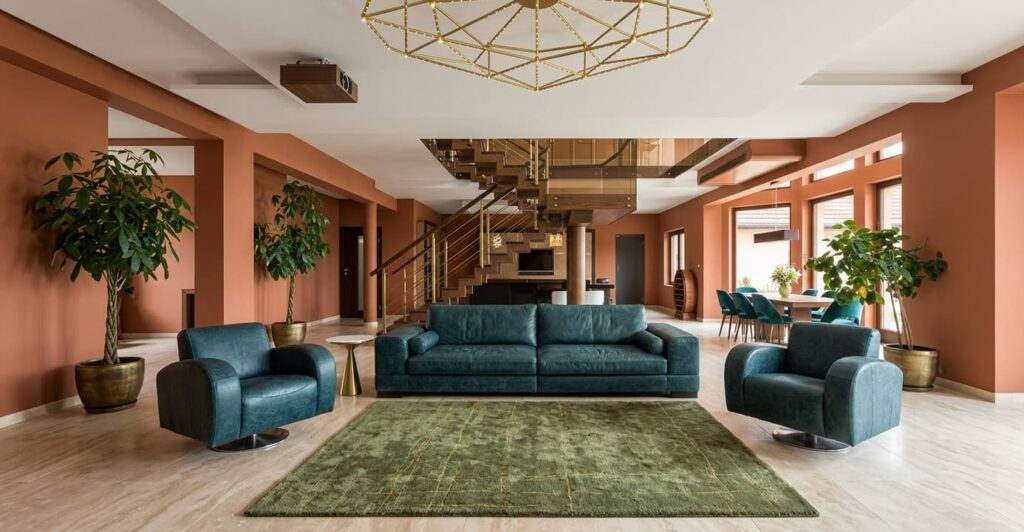
Quick Summary
Furnishing a luxury villa requires a specialized approach to scale, proportion, and material selection, distinct from standard residential design. This guide provides an in-depth analysis of layout planning, material durability, zoning strategies, and the integration of bespoke furniture. Learn how to manage high ceilings, balance indoor-outdoor layouts, and select materials that stand the test of time while preserving aesthetic unity across expansive floors.
Furnishing an expansive home is a unique design challenge that goes far beyond simply purchasing high-end decor. The vast floor plates, towering ceilings, and grand architectural details of a luxury estate require a thoughtful strategy to ensure that every room feels balanced, comfortable, and visually cohesive. Unlike standard urban apartments where space conservation is the primary concern, villa interiors demand a focus on proportion, visual weight, and spatial harmony.
When choosing furniture for large homes, the goal is to create spaces that feel cozy and inviting without cluttering the layout, while also ensuring that smaller seating groups do not get lost in grand rooms. Heritage Prime properties are designed with these exact spatial needs in mind, featuring grand layouts that provide the perfect foundation for carefully curated interior designs. Achieving this balance requires a deep understanding of scale, material performance, and how different areas of the home connect with one another.
Understanding Spatial Scale and Proportion in Large Estates
The most common mistake when decorating a large home is picking furniture that is too small. Standard sofas, coffee tables, and rugs can look lost in a grand room, making the space feel cold, empty, and unfinished. To avoid this, homeowners must learn to think three-dimensionally, taking into account not just the floor space but the total volume of the room, including the walls and ceiling height.
How do you choose furniture that matches double-height ceilings?
Double-height ceilings are a beautiful architectural feature, but they can make a room feel drafty and disconnected if the furniture is too low. To ground these tall spaces, select furniture with a stronger vertical presence. High-backed sofas, tall display cabinets, and custom floor-to-ceiling shelving units help bridge the gap between the seating area and the high ceiling.
Vertical lines can also be emphasized through home decor. Hanging tall drapery panels well above the windows, using oversized vertical artwork, and choosing tall floor lamps help draw the eye upward. This creates a cohesive connection between the lower living space and the upper walls, making the room feel complete and well-proportioned.
Why is the golden ratio important for sprawling living rooms?
The golden ratio, which is approximately 1 to 1.618, is a classic design principle used to create balanced, visually pleasing layouts. In large villa living rooms, this ratio helps determine the ideal balance between furniture and open walking space. The goal is to avoid overcrowding the room while also preventing it from feeling empty.
Ideally, your main furniture arrangement should occupy about sixty percent of the usable floor space, leaving the remaining forty percent open for walkways and circulation. This balance ensures that the room feels luxurious and easy to navigate, with plenty of breathing room around each seating group.
Material Selection: Balancing Aesthetics and Durability
The materials you select for your villa furniture have a huge impact on both the style and durability of your home. Large homes are often used for a variety of activities, from hosting elegant formal dinners to relaxing with family. This means the furniture must be built to last, using premium materials that can handle daily use while maintaining their high-end appearance over time.
Which wood species offer the best structural longevity for estate homes?
Solid hardwoods are the standard for high-end furniture construction, offering unmatched strength, stability, and natural beauty. Hardwoods like teak, white oak, and American walnut are highly resistant to warping, cracking, and daily wear, making them excellent investments for long-term use.
For areas that transition between indoor and outdoor spaces, Burmese teak is highly recommended because of its natural oils, which protect it from moisture and pests. Indoors, American walnut offers deep, elegant tones that work beautifully in formal dining rooms and libraries, while white oak provides a lighter, more contemporary finish that is perfect for modern, airy interiors.
| Wood Type | Grain Pattern | Durability Rating | Best Use Cases |
|---|---|---|---|
| Burmese Teak | Straight, golden-brown grains with natural oils | Exceptional (weather resistant) | Outdoor lounges, poolside furniture, sunrooms |
| American Walnut | Deep chocolate, swirling grain | High (shock resistant) | Formal dining tables, library shelving, master beds |
| White Oak | Tight, straight, modern neutral tone | Very High (wear resistant) | Family room coffee tables, sideboard units |
How do you select luxury fabrics that survive high-traffic areas?
While delicate silks and fine linens look beautiful, they are not practical for high-traffic family rooms or dining spaces. Instead, look for high-performance fabrics that offer both a soft, luxurious feel and excellent durability. Modern performance velvets, treated Belgian linens, and tightly woven boucle fabrics are great options because they are stain-resistant and built to handle daily use.
When evaluating fabrics, check their rub-count rating. For main living areas, look for fabrics with a rating of 30,000 double rubs or higher. High-quality leathers are also a great option for high-traffic areas, as they are easy to wipe clean and develop a beautiful patina over time, adding warmth and character to the space.
Layout Planning, Zoning, and Flow in Multi-Level Villas
The layout of a grand villa should encourage smooth movement while clearly defining the purpose of each area. Open-plan layouts can sometimes feel cold or chaotic if the furniture is not carefully organized. Successful design requires creating distinct functional zones within a single space, allowing multiple activities to happen simultaneously without conflict. When browsing luxury independent villas in Noida, one notices how open structural footprints depend heavily on smart zoning to feel cohesive and comfortable.
What is the best way to define zones in open-concept floor plans?
Rather than relying on solid partition walls, use furniture placement to establish boundaries. Large L-shaped or back-to-back sofas can divide a formal living zone from an informal media nook. Low-profile credenzas, double-sided fireplaces, and architectural screens can also partition spaces without blocking sightlines or light. Rugs are another powerful zoning tool: laying down a distinct oversized rug immediately establishes a room-within-a-room, helping to ground each seating group.
Lighting is also key to defining zones. Hanging a statement chandelier over the dining table, placing a sculptural floor lamp next to a reading chair, and adding recessed lighting in walkways help visually separate each area. This ensures that every part of the open space has its own clear purpose while still feeling connected to the overall layout.
How can you establish seamless transition between indoor and outdoor areas?
Villas often feature beautiful courtyards, terraces, and gardens. To create a smooth transition between inside and outside, match the layout, colors, and materials of your indoor living spaces with your outdoor areas. Choose low-profile seating that does not block views through large sliding glass doors. Use similar materials, such as coordinating indoor oak furniture with weather-treated outdoor teak, and match fabric colors to blur the boundary between the home interior and exterior landscape.
Placing indoor plants near glass doors and extending the same flooring style from the living room to the patio also helps blend the spaces. By keeping the design consistent, your outdoor terrace becomes a natural extension of your indoor living area, perfect for entertaining or relaxing.
Room-by-Room Villa Furniture Selection Strategy
Every room in a villa requires a custom furnishing plan that aligns with its specific purpose and size. A uniform approach to furniture design across the entire home can look flat and uninteresting. Instead, vary your choices to create a dynamic flow of colors and textures from room to room. Families exploring options like the Palm Villas Noida gated community understand that each room needs its own distinct identity while contributing to the overall design style of the home.
What furniture elements define a formal villa living room?
A formal living room should be designed to spark conversation. Avoid pushing all the furniture against the walls. Instead, arrange a central grouping of two sofas facing each other, complemented by a pair of sculptural accent chairs. A large, solid-stone coffee table serves as a sturdy focal point, while high-end side tables provide convenient spots for drinks and lighting. Use contrasting finishes, like brushed brass, hand-blown glass, and polished marble, to add depth and sophistication to the space.
To keep the conversation area feeling cozy in a large room, place a large rug under the entire seating group. This helps visually anchor the furniture, while soft, warm lighting from table lamps and wall sconces creates a welcoming atmosphere for guests.
How do you scale a dining table for large family gatherings?
A standard six-seater dining table will look lost in a grand villa dining room. To balance the space, opt for a table that seats at least ten to twelve people, measuring between 10 and 12 feet in length. Rectangular or racetrack-oval shapes work best in elongated dining rooms, while round tables measuring 7 to 8 feet in diameter encourage conversation in square-shaped spaces.
Pair these large tables with comfortable, fully upholstered chairs that encourage guests to linger long after the meal has ended. Adding a large sideboard or credenza along the wall provides valuable storage for dinnerware and serves as a beautiful surface for displaying buffet dishes or art.
What pieces create a restful, sanctuary-like master suite?
The master suite in a villa should feel like a private retreat. Start with a king-sized or emperor-sized bed featuring a tall, custom-upholstered headboard that anchors the room main wall. Add a comfortable lounge area with two plush armchairs and a small side table near a window or fireplace. To keep the space feeling open and organized, include a custom bench at the foot of the bed and select bedside tables with plenty of hidden drawer storage.
Incorporate soft textures, like silk-blend rugs, velvet throw pillows, and linen bedding, to create a calm, relaxing environment. Keeping the color palette soft and neutral will help make the master suite feel like a quiet escape from the rest of the house.
Bespoke Custom Furniture vs. Curated Designer Pieces
A well-furnished villa striking a balance between custom-built furniture and iconic, ready-made designer pieces. While mass-produced items often look out of place in a unique architectural home, a combination of custom millwork and handpicked designer items creates a rich, lived-in aesthetic that tells a story. Check our NCR real estate blog and market insights for more detailed discussions on design trends and luxury property curation.
When should you invest in fully customized joinery and millwork?
Custom millwork is best utilized in areas where the home architecture demands precise integration. Built-in library shelving, walk-in closets, study desks, and home theater media consoles should always be customized. Custom-built pieces maximize storage and ensure that the scale, materials, and finishes align perfectly with the villa architecture. This tailored approach eliminates awkward gaps and creates a clean, integrated look that ready-made furniture cannot match.
Custom millwork also allows you to hide modern technology, like TVs, sound systems, and charging stations, keeping your living spaces clean and clutter-free. It is an investment that increases both the functionality and value of your home.
How can you combine imported Italian classics with local heirloom items?
Combining different furniture styles is the secret to a timeless interior. You can easily pair clean, modern Italian sofas with antique, hand-carved wooden chests or artisanal side tables. To keep this mix looking intentional rather than chaotic, use a cohesive color palette and high-quality materials throughout. A modern sofa upholstered in a neutral linen, for example, can beautifully highlight the rich texture and details of an antique wooden cabinet.
Mixing old and new pieces adds character and history to your home, making it feel unique and personal. The key is to distribute these different styles evenly throughout the room so that no single piece feels out of place.
Integrating Furniture with Lighting and Statement Accents
Furniture should never be selected in isolation. The way a piece looks and functions is heavily influenced by the lighting around it and the accents that surround it. Proper lighting highlights the textures of your furniture fabrics, while well-placed accent pieces anchor your seating arrangements and add character to the space. For professional advice on how to seamlessly integrate these elements into your home, you can contact Heritage Prime property experts.
How do statement light fixtures influence furniture placement?
Large statement light fixtures, such as grand chandeliers or sculptural pendant lights, naturally draw attention and should guide your furniture layout. A massive dining chandelier must hang directly above the center of the dining table to feel balanced. In the living room, a statement light fixture should hang over the main seating group or a large coffee table, grounding the conversation area and creating a clear focal point in the room.
Be mindful of the height of your hanging lights. They should be low enough to create an intimate atmosphere but high enough to keep views clear across the room. Using dimmers on your main fixtures allows you to easily adjust the mood of the space from day to night.
What role do area rugs play in grounding large-scale furniture arrangements?
Area rugs are vital for framing seating zones and adding warmth to large tiled or hardwood floors. In a villa, small rugs can make a room look disconnected and smaller than it is. To avoid this, select oversized rugs that are large enough for all the main furniture legs to rest comfortably on top. This unifies the seating arrangement, defines the zone, and provides a soft, luxurious feel underfoot that enhances the comfort of the space.
Rugs are also a great opportunity to introduce subtle patterns and textures, like silk highlights, high-low piles, or hand-knotted wool, adding warmth and sophistication to the entire room.
Frequently Asked Questions
How do I keep my large villa living room from feeling cold and echoey?
To reduce echoes and make a large room feel warm and inviting, incorporate soft materials that absorb sound. Use thick, hand-knotted wool rugs, heavy floor-to-ceiling drapery, and upholstered furniture. Textured wall coverings, fabric-paneled walls, and canvas art also help improve acoustics, making the space feel cozy and comfortable.
Is it better to buy a matching furniture set or mix different styles?
Matching furniture sets can often look generic and lacks character in a custom home. It is best to mix different pieces that share a similar color palette, material quality, or overall scale. Combining modern sofas with vintage accent chairs or unique artisan tables creates a personalized, high-end look that feels curated over time.
What is the best way to choose the right rug sizes for my villa?
For large rooms, choose oversized rugs that allow all the main furniture legs to rest on the rug. In dining rooms, the rug should extend at least two feet past the edge of the table on all sides, ensuring that the chairs remain on the rug even when pulled out. Using rugs that are too small can make a grand room feel fragmented.
How can I protect my fine wood and leather furniture from sun damage?
Sunlight from large villa windows can fade wood and dry out leather over time. To protect your furniture, use UV-filtering window films or hang sheer drapery to soften direct sunlight. It is also a good idea to periodically rearrange your seating to keep wood pieces out of direct sunlight and use high-quality wood conditioners to keep the material hydrated.