
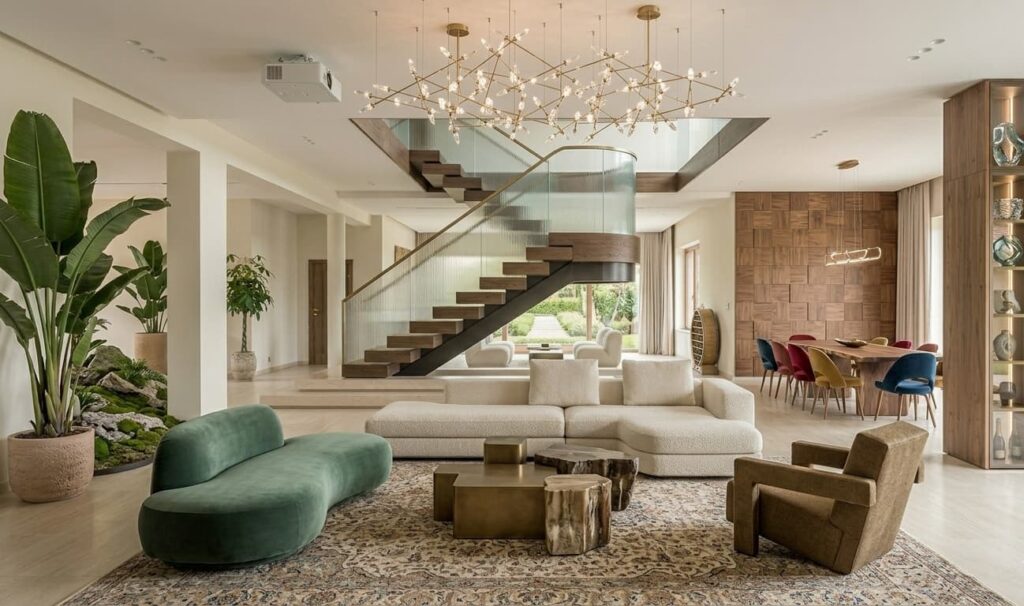
Quick Summary
Decorating a compact villa requires a balance between architectural integrity and clever interior layout choices. This guide offers advanced strategies for scaling furniture, utilizing natural light, implementing smart vertical storage, and extending living areas outdoors. By focusing on cohesive color schemes and selecting multi-functional decor elements, you can transform small footprints into highly sophisticated, comfortable, and expansive-feeling luxury environments.
Understanding Small Villa Architecture
What defines a small villa layout?
Small villas differ from standard apartments primarily in their multi-level construction, private access points, and dedicated outdoor spaces. While an apartment is bounded by shared horizontal walls, a villa often features distinct vertical zones, high ceilings, and small private gardens or terraces. Decorating a compact villa means addressing these multi-floor transitions and ensuring that visual continuity is maintained from the entrance to the upper floors. To understand the flow of such properties, you can explore some of the modern layout configurations available in the luxury housing segment, such as the premium villas for sale in Noida. The key is to treat each floor as a connected chapter rather than isolated compartments.
Why does spatial flow matter in compact luxury homes?
In a limited layout, visual blockages can make even high-end spaces feel cramped and restrictive. Spatial flow refers to the ease with which your eyes and body move through a room. When designing a small villa, physical barriers like heavy partition walls or oversized doors should be minimized. Instead, look for open floor plans that utilize low-profile furniture to define functional zones. For example, rather than placing a physical wall between the living and dining areas, use a low wooden console or a change in floor textures to mark the transition. This maintains a clear line of sight, which is a primary method for establishing an expansive feel in premium residential spaces. Proper planning ensures that the transition between active zones, like the kitchen, and quiet zones, like the study, remains seamless and intuitive.
Space-Saving Furniture and Layout Strategies
How do you choose furniture that maximizes floor area?
Selecting furniture for a small villa requires strict attention to proportions. Heavy, bulky sofas with wide armrests consume valuable floor space without offering additional seating comfort. Instead, opt for furniture with raised legs. Sofas, armchairs, and credenzas that sit off the ground allow light and air to pass underneath, making the entire room feel lighter and larger. For more design and architecture inspirations, reading through our comprehensive NCR real estate blog and market insights can help you keep track of current aesthetic trends. Additionally, prioritize pieces with rounded edges. Soft corners permit easier physical movement around the room, reducing the likelihood of bumping into sharp corners in narrow pathways.
What are the benefits of multi-functional decor pieces?
Every piece of furniture in a small villa must earn its place by serving more than one purpose. A custom wooden bench in the entryway can offer seating while hiding a shoe storage rack beneath. A coffee table with built-in drawers can store media remotes, books, and board games, keeping surfaces clean. In guest bedrooms, wall-mounted murphy beds or premium sleeper sofas allow the room to function as a home office during the day and a comfortable bedroom at night. Using these items minimizes the total number of furniture pieces required, preventing visual clutter while maintaining full home utility.
| Furniture Piece | Primary Function | Hidden Space-Saving Benefit |
|---|---|---|
| Storage Ottomans | Extra Seating / Footrest | Deep internal compartment for blankets and cushions |
| Extendable Dining Table | Daily family meals | Expands to host guests without permanently blocking the path |
| Lift-Up Storage Bed | Sleeping surface | Under-bed dust-free storage replacing a large wardrobe |
| Wall-Mounted Desk | Workstation | Folds flat against the wall when work hours are over |
Color Palettes and Lighting Solutions
Which color schemes expand a room visually?
Color choice is a foundational element in interior styling. In compact villas, light and reflective shades are highly effective. Warm whites, soft creams, pale grays, and light pastel undertones reflect natural light rather than absorbing it, making walls appear to recede. To prevent the space from feeling sterile, use monochromatic styling. This technique involves using different shades, tones, and textures of a single color throughout the room. For instance, pairing ivory walls with a beige bouclé sofa, a cream wool rug, and light oak wood detailing creates depth without relying on harsh contrasting colors that chop the room into smaller, isolated fragments.
How can artificial and natural light create an illusion of depth?
Natural light is a powerful tool for visual expansion. Avoid heavy, dark drapery that blocks windows. Instead, choose sheer linen curtains that allow natural sunlight to filter through while maintaining privacy. For artificial lighting, rely on a layered approach rather than a single overhead fixture. Combine ambient lighting, such as recessed ceiling spotlights, with task lighting like reading lamps, and accent lighting like under-cabinet LED strips. Directing light into dark corners and casting soft glows upward onto the ceiling draws the eye upward, highlighting the height of the villa and creating a feeling of spaciousness that lasts long after sunset.
Vertical Design and Smart Storage Hacks
Why should you focus on vertical walls for storage?
When floor area is limited, look upward. Vertical space is often underutilized in residential interior design. By installing floor-to-ceiling shelving units, bookcases, or custom wardrobes, you maximize storage capacity while drawing the eye upward, which emphasizes the room’s height. This strategy is highly evident in masterfully designed residential zones, such as the Palm Villas Noida gated community, where vertical heights and large window panes complement compact footprints. Floating shelves are another excellent option, offering display and storage surfaces without the heavy footprint of traditional standing bookcases. These shelves keep the floor clear, preserving precious walking paths and maintaining an uncluttered look.
How can built-in cabinetry hide clutter effectively?
Clutter is the primary enemy of compact spaces. Standard freestanding storage units often leave awkward gaps at the top and sides, creating visual noise and collecting dust. Custom built-in cabinetry, designed to match the color of your walls, integrates seamlessly into the architecture. Handle-less doors with push-to-open mechanisms make cabinets look like solid walls, hiding household items, electronics, and books entirely from view. This streamlined design maintains clean architectural lines, ensuring that your villa remains organized, peaceful, and visually uncluttered at all times.
Enhancing Small Villa Outdoor Areas
How can patios and balconies extend indoor spaces?
A major advantage of villa living is access to private outdoor zones, regardless of their size. To make your small villa feel double its actual size, treat your patio, balcony, or deck as an extension of your indoor living room. Use matching floor materials, such as similar tiling or wood decking, to create a continuous surface. Install large sliding glass doors that push back fully, removing the physical boundary between inside and outside. Ensuring an open layout requires deep planning and structural integrity, a core standard maintained by every reputable developer who understands the Heritage Prime legacy of trust. Furnishing the outdoor zone with weather-resistant seating that mirrors the style of your indoor sofa creates a continuous living area that feels open and connected.
What landscaping tricks suit compact villa courtyards?
Landscaping in a small villa courtyard should focus on vertical greenery to avoid consuming floor space. Vertical gardens, wall-mounted planters, and climbing vines like ivy or jasmine can cover bare boundary walls with lush foliage, turning hard concrete structures into soft green backdrops. When selecting potted plants, choose tall, slender species like bamboo or snake plants rather than wide, bushy shrubs. These tall plants provide privacy and add natural elements without blocking movement around your outdoor seating arrangements.
Decor Mistakes to Avoid in Compact Luxury Properties
What common layout errors shrink a villa room?
One of the most frequent mistakes is pushing all furniture flat against the walls. While it might seem like this creates more space in the middle of the room, it actually highlights the boundaries of the space, making the room feel tight and boxed in. Instead, float your furniture. Pulling a sofa just a few inches away from the wall, or positioning a coffee table centrally with breathing room on all sides, creates an illusion of airiness. Another common error is using small, scattered rugs. A small rug divides the floor visually, making the room look disjointed. Use a single, large rug that extends under all main furniture pieces to anchor the seating zone and make the floor appear expansive.
How does over-accessorizing damage a compact room’s aesthetic?
In a small villa, restraint is your greatest asset. Filling every tabletop, shelf, and wall with decorative items, small picture frames, and trinkets creates visual noise. This noise overwhelms the eye and makes the entire room feel cluttered and small. Instead, adopt a curated approach. Select a few large, high-quality statement pieces rather than many small accessories. A single, large-scale painting on a living room wall looks much cleaner and more luxurious than a crowded gallery wall of ten smaller pictures. This minimalist philosophy keeps the focus on high-quality materials and smart architectural lines.
Frequently Asked Questions
Can I use dark colors in a small villa space?
Yes, dark colors can be used effectively in small villas if applied strategically. Instead of painting all four walls in a dark shade, use dark colors on a single feature wall, in a cozy study, or in powder rooms. Painting a wall in a deep navy, charcoal, or forest green can create an illusion of depth, making that wall appear to recede into the distance. Balance this by keeping the adjacent walls, flooring, and ceiling in light, contrasting tones, and ensure the room receives plenty of natural or layered artificial light to avoid a gloomy atmosphere.
How do mirrors help in expanding a small villa interior?
Mirrors are a classic design tool for doubling the perceived size of a room. They reflect both light and view, creating an illusion of an extra window and adding instant depth. For the best results, place a large, full-length mirror opposite a window to capture and bounce natural light deep into the room. You can also install mirrored panels on closet doors or place a large horizontal mirror above a dining console to make narrow dining rooms or hallways feel twice as wide.
What type of flooring is best for a small villa?
Consistent, seamless flooring is best for small villas. Using the same flooring material, such as light oak wood planks, large-format porcelain tiles, or polished marble, throughout the entire floor level prevents visual disruption. When there are no thresholds or transitions between the living room, dining area, and kitchen, the floor is perceived as one large, unbroken plane, which makes the entire home feel significantly more spacious and cohesive.
How can I divide zones in a small open-plan villa without using walls?
You can create distinct zones in an open-plan villa using subtle visual markers. Area rugs are highly effective for defining spaces, such as placing a woven rug under the dining table and a different textured rug in the living zone. Lighting is another great divider; hang a pendant light over the dining table and use recessed lighting in the living space. Additionally, positioning low-profile furniture, such as a low console table or the back of a sofa, can act as a natural, non-obtrusive boundary between different functional areas.