
Quick Summary
Finding an affordable villa requires a blend of geographic positioning, structural awareness, and calculated negotiation. By targeting emerging peripheral suburbs, examining builder credentials, studying carpet-to-super-area ratios, and utilizing strategic buying windows, home buyers can secure spacious, independent living setups at a fraction of central city costs. This guide outlines the precise roadmap to achieving independent villa ownership without compromising on structural safety or financial sanity.
Defining the Modern Affordable Villa Market
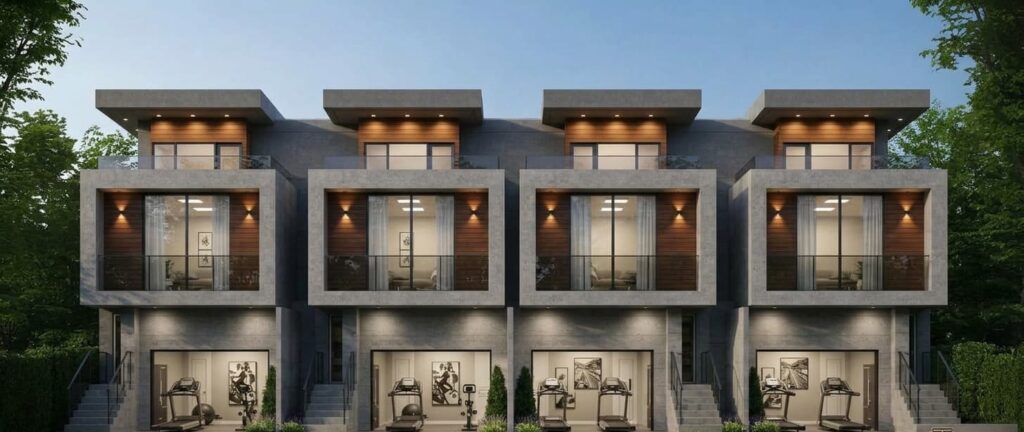
The concept of villa living has undergone a significant structural shift in recent years. Historically associated exclusively with high-net-worth individuals and sprawling suburban estates, the demand for standalone residential structures has democratized. Today, modern architectural efficiencies and strategic land use planning have allowed developers to introduce affordable villas into suburban markets. These homes provide the independence of private ownership, including private yards and roof rights, while remaining cost-competitive with mid-range high-rise apartments.
Several factors drive this transition. Homeowners increasingly prioritize personal space, sound insulation, and long-term land ownership over shared apartment blocks. In response, real estate developers have restructured floor plans, reduced redundant common spaces, and optimized construction materials to lower total capital requirements. The result is a growing category of properties that bridge the gap between high-density apartments and luxury mansions.
According to market studies conducted by Heritage Prime, the key to accessing these properties lies in understanding the underlying cost components of land development. When land is acquired in emerging corridors, developers can price individual plots and structures at rates that challenge standard urban apartments. Understanding this dynamic is the first step toward securing an independent residence within a realistic budget.
Geographical Arbitrage: How Location Choice Dictates Villa Pricing
Geographical arbitrage is the practice of capitalizing on price differences between different geographic areas. In real estate, this involves moving your search radius slightly outside highly congested, high-priced municipal zones to peripheral zones where land prices drop exponentially. Because land is the single largest component of villa pricing, choosing the right zip code can reduce your overall purchase price by up to forty percent.
Why are peripheral suburbs becoming the preferred hub for budget villas?
Municipal limits are often defined by historical boundaries that do not reflect modern infrastructure capabilities. Suburbs located ten to fifteen kilometers outside core city centers are now receiving major arterial road connections, public transit access, and commercial utility planning. These infrastructure upgrades compress travel times, making daily commutes manageable while allowing buyers to buy larger land plots for less capital. By targeting these early-stage development zones, buyers secure properties at low cost basis before the area achieves full density and higher pricing.
Should you invest in an exclusive residential community in Delhi NCR?
When exploring regional options, looking at planned corridors yields the best balance between safety, infrastructure, and cost. Selecting an exclusive residential community in Delhi NCR ensures that your capital appreciation stays strong while keeping your initial purchase price within a sensible range. These planned zones benefit from municipal attention, organized water and sewage layouts, and proximity to national highways, giving budget buyers the identical structural benefits of premium urban developments at lower entry costs.
Evaluating Construction Quality and Structural Integrity on a Budget
An affordable price tag must never be a compromise on building safety. When villas are priced below market averages, buyers must conduct thorough physical and structural assessments to ensure the builder did not cut corners on materials, foundation depth, or plumbing networks. Identifying systemic structural errors early prevents massive repair outlays down the road.
How to assess the builder credentials and past project delivery standards?
Start your evaluation by visiting older projects completed by the same builder or developer. Observe the external plaster, check for moisture seepage along the exterior walls, and converse with current residents regarding structural durability. Researching public records for consumer court cases or delivery delays will provide clear indicators of the developer\’s professional standards and reliability. Ensure you request copies of structural stability certificates signed by licensed municipal engineers.
What are the benefits of choosing independent homes with modern amenities?
For family-centric buyers, opting for independent homes with modern amenities offers the dual advantage of personal perimeter control and shared recreational spaces without paying the high premiums of traditional super-luxury enclaves. These configurations often pool maintenance costs among a cluster of owners, making security, power backup, and landscaping services affordable through shared economies of scale.
Financial Structuring, Legal Protections, and Transactional Terms
Buying an affordable home requires strict financial planning and careful navigation of real estate contracts. Many first-time buyers focus solely on the base selling price and overlook the ancillary costs that accompany a villa purchase, such as club registration, utility deposits, stamp duty, and property tax assessments.
What hidden costs should buyers expect during a villa purchase?
To avoid budget overruns, prepare a comprehensive spreadsheet that factors in all secondary transactional costs. These typically include the goods and services tax, local municipal registration fees, fire fighting infrastructure charges, and advance maintenance deposits for the community association. When calculating your mortgage requirements, ensure that your loan-to-value ratio is based on the entire cost of acquisition, not just the raw cost of the brick-and-mortar structure.
Why is reviewing legal terms and transaction documents necessary?
Understanding the underlying legal terms and service conditions governs your payment schedule, default liabilities, and the exact recourse options available if construction timelines face delays. Having these terms evaluated by an independent legal counsel ensures your hard-earned money remains protected against developer defaults or unexpected changes in land use laws.
Additionally, when interacting with digital property search tools or submitting sensitive financial documents to online platforms, verifying that the vendor operates under strict user data protection guidelines is necessary to prevent identity theft and secure your personal records. Ensuring full transparency in digital transactional pathways protects your primary financial footprint.
Strategic Timing and Negotiations in Real Estate Purchases
Real estate markets move in cyclical waves, influenced by interest rates, fiscal year-ends, and construction milestones. Timing your entry can net significant discounts, occasionally up to fifteen percent, for the exact same property unit. Savvy buyers plan their property hunt around these specific market phases to maximize leverage during negotiations.
Is it better to buy a villa during the pre-launch phase or ready-to-move-in?
Pre-launch phases offer the absolute lowest pricing because developers need initial capital to kickstart foundation laying and structure frame building. However, buying early carries project delay risks. Conversely, buying a ready-to-move-in villa removes construction risks but commands a premium. For budget-conscious buyers, buying when the structure is structurally complete but finishing work is pending offers a balanced compromise of lower pricing and reduced completion risk.
How can buyers negotiate effectively with developers for better pricing?
Developers often refuse to publicly drop base property rates because it upsets existing buyers and lowers overall project valuation. Instead, focus negotiations on indirect discounts. Ask for free car parking slots, waivers on club fees, upgraded interior flooring materials, or flexible payment plans that link disbursements strictly to physical construction milestones. Cash-ready buyers with pre-approved loans always carry superior leverage at the negotiation table.
Comparing Villa Architecture and Layout Efficiency
How space is utilized inside a villa dictates its value and everyday functionality. When evaluating affordable layouts, focus on how much square footage is dedicated to liveable areas versus useless corridors or oversized lobbies. Smart architecture can make a small footprint feel open and comfortable.
What architectural layouts provide the best value for money?
Look for designs that utilize verticality. Duplex designs with living zones on the ground level and sleeping quarters on the first floor minimize the footprint on the ground, leaving room for a modest yard. Avoid layouts with long hallways or decorative wall configurations that break visual continuity and consume valuable square meters.
| Villa Configuration | Average Footprint | Cost Efficiency Rating | Ideal Demographic |
|---|---|---|---|
| Row Houses | 1200 – 1800 sq. ft. | Very High | First-time buyers, small families |
| Semi-Detached Duplexes | 1500 – 2200 sq. ft. | High | Mid-sized joint families |
| Independent Budget Villas | 1800 – 2500 sq. ft. | Medium | Buyers seeking absolute privacy |
Sustainable Practices That Reduce Long-Term Living Costs
Affordability extends beyond the initial purchase price. The long-term costs of running a villa, including electricity, water supply, and physical structural upkeep, can easily strain your monthly finances. Finding an energy-efficient structure ensures your cost of ownership remains low for decades.
How do energy-efficient designs offset the initial cost of a villa?
Villas equipped with double-glazed glass windows, solar water heaters, rainwater harvesting installations, and passive cooling building techniques reduce utility bills by up to thirty percent. When selecting a property, ask the developer if they have incorporated reflective roofing materials or autoclaved aerated concrete blocks, which insulate the home against heat and lower your dependence on air conditioning systems.
Step-by-Step Guide to Securing Your Budget-Friendly Villa
Navigating a villa purchase requires a disciplined search workflow to avoid common real estate traps. Follow this systematic approach to transition from an aspiring buyer to a successful homeowner without exceeding your financial parameters.
- Establish Your Hard Financial Boundary: Account for mortgage limits and clear emergency liquid cash reserves. Do not stretch your budget beyond your pre-calculated monthly repayment comfort.
- Map the Outer Urban Ring: Identify locations experiencing major infrastructure spending, particularly upcoming metro networks or highway connectors.
- Verify Developer Stability: Investigate physical project construction history, structural stability records, and verify RERA listings to confirm clear legal titles.
- Inspect Material Construction Quality: Assess concrete quality, plumbing layout, water management mechanisms, and check for structural leaks.
- Request Hidden Charge Audits: Require the seller or builder to specify all add-on pricing structures in writing before committing to deposits.
- Negotiate Structural Upgrades: Secure free interior finishing, parking additions, or flexible step-up installment plans to save upfront cash reserves.
- Execute Clean Legal Transfers: Ensure every land deed, building permission, and local municipal NOC is physically checked by real estate legal professionals.
Frequently Asked Questions
Are affordable villas a safe investment compared to traditional apartments?
Yes, affordable villas are generally highly secure investments because you own the underlying physical land along with the brick structure. While apartment values depend strictly on common building maintenance, villas gain value as local land prices rise. As long as the land title has been verified by a qualified lawyer and the development is RERA-registered, independent villas offer superior long-term asset security and solid wealth accumulation.
What is the difference between built-up area and carpet area in a villa?
Carpet area represents the actual net liveable space where you can spread a carpet, excluding the thickness of exterior structural walls, balcony structures, or service ducts. Built-up area includes the carpet area plus the thickness of walls and private balconies. When comparing villa prices, always calculate the price per square foot using the carpet area to get an accurate representation of the usable space you are buying.
Can I modify the layout of an affordable villa after purchasing it?
If the villa is within an organized residential society, structural changes are governed by the society bylaws and local municipal codes. Minor interior layout changes, such as moving non-load-bearing partition walls, are generally permitted. However, adding extra floor levels, expanding the physical footprint, or altering the facade usually requires formal approvals from the municipal planning authority and the community oversight board.
How do I verify if a suburban villa project has clear water and power resources?
Ask the developer to show you the official municipal water board connection sanctions and state electricity board approvals. Check if the project has dedicated boring permits, rainwater harvesting systems, and operational dual-piping water management infrastructure. It is also wise to visit the site during different seasons to check the stability of local groundwater tables and verify the backup generator capacities on site.