
Quick Summary
Choosing between a furnished and a semi-furnished villa involves balancing convenience, customization, upfront capital expenditure, and long-term rental strategy. Furnished villas offer an immediate, hassle-free move-in experience and appeal to high-paying corporate tenants, though they limit personal design choices and require higher initial capital. Semi-furnished villas provide a blank canvas for personalization, lower purchase costs, and reduced maintenance responsibilities, making them highly favored by long-term family residents and creative homeowners. This article analyzes these dynamics across financial, operational, and lifestyle metrics to guide your next property decision.
Defining the Categories: Furnished vs Semi-Furnished Villas
The distinction between furnished and semi-furnished villas is often misunderstood, leading to mismatched expectations during property transactions. To make an informed choice, one must look past the superficial appearance and understand what each classification structurally and legally promises. Real estate developers and individual sellers use these terms to define the level of move-in readiness, which directly dictates the pricing structures, taxation values, and registration costs of premium residential assets.
What exactly constitutes a fully furnished villa?
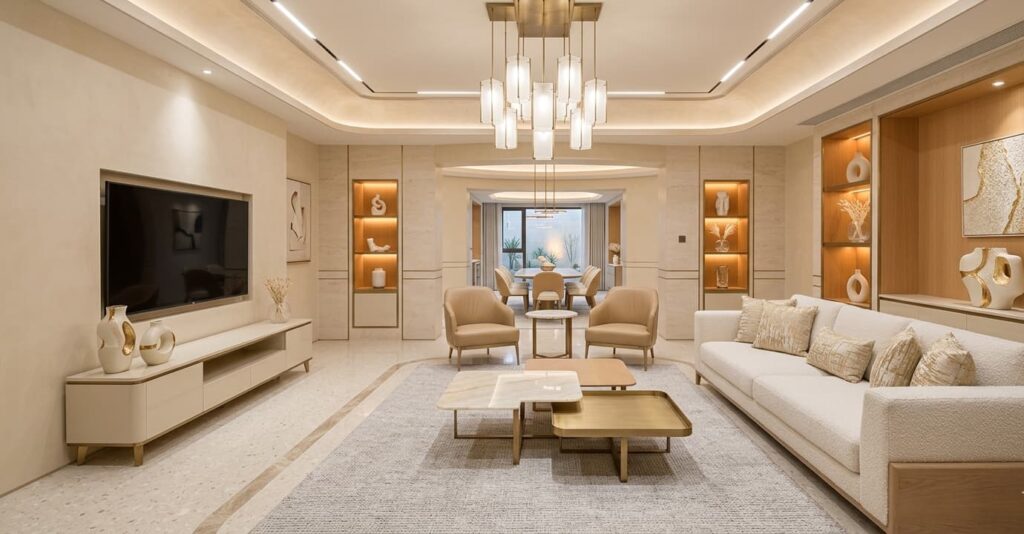
A fully furnished villa is designed to be completely livable from the moment the keys are handed over. In the premium housing sector, this extends far beyond a simple dining table and a set of beds. A fully furnished property includes comprehensive living room seating, bedroom furniture configurations, decorative light installations, window treatments, and high-end consumer appliances. It also features integrated home entertainment setups, custom-designed study spaces, and sometimes even minor utilities such as kitchenware, decorative artifacts, and linen packages.
For those looking at ultra-luxury developments, a furnished layout might also feature automated home systems, temperature-controlled wine cellars, and pre-installed home security networks. The primary objective of this setup is to remove the logistical friction of relocating. The buyer pays a premium for design cohesion, curated aesthetics, and professional procurement, bypassing the time-consuming process of sourcing individual pieces and dealing with interior designers.
What is included in a semi-furnished villa?
A semi-furnished villa provides the structural shell along with fundamental fixtures that are permanently attached to the building. This typically encompasses modular kitchen cabinetry, built-in wardrobes in all bedrooms, basic electrical fittings like ceiling fans, exhaust fans, decorative wall sconces, and complete bathroom sanitary ware. It provides the hardware foundation of a home without committing to loose furniture, textiles, or personal decor items.
This category appeals to buyers who wish to avoid the high costs of structural woodwork but still want the freedom to bring their own beds, sofas, dining tables, and customized electronic items. It strikes a balance between readiness and creative freedom, ensuring that essential utilities like plumbing, cooking, and storage are functional, while leaving the spatial layout open to personal interpretation and styling preferences.
Cost Comparison: Upfront Investments and Long-Term Value
The financial profile of these two options differs dramatically when calculating initial cash outflows, financing potentials, and eventual asset appreciation. Buyers must evaluate if paying a premium for a turnkey product makes sense compared to financing their own interior design project over time.
Is a furnished villa worth the premium pricing?
Typically, a fully furnished villa commands a price premium of fifteen to twenty-five percent over its semi-furnished counterpart. This premium accounts for the retail cost of premium furniture, bulk transport, professional installation, and designer fees. For investors looking at high-end real estate, purchasing a fully complete home can be highly efficient if the furniture package is bundled into the overall home loan. This allows the buyer to finance the interior styling through a low-interest mortgage rather than paying out of pocket for expensive furniture post-purchase.
For example, if you explore properties in the region, you will find that choosing ultra-luxury homes in Noida often highlights how integrated interior packages reduce immediate post-possession cash requirements. The financial viability of this model hinges on the quality of materials used. If the developer has utilized premium, durable, and timeless materials, the initial premium pays for itself by eliminating months of personal supervision, design mistakes, and retail price inflation on loose furniture items.
Analyzing the hidden costs of semi-furnished properties
While the sticker price of a semi-furnished villa is lower, the hidden costs of making it livable can quickly escalate. Sourcing furniture independently involves retail price markups, transportation charges, assembly fees, and potential damage risks. Additionally, managing the process requires a significant commitment of personal time, leading to opportunity costs that are rarely factored into the initial budget sheet.
Homeowners often underestimate the time required to furnish a large villa, which can span from three to nine months depending on the complexity of the designs. During this period, the owner is often paying a mortgage on an uninhabitable property while simultaneously renting elsewhere or paying for temporary storage. These carrying costs can easily erode the apparent savings achieved by opting for a lower-priced, semi-furnished unit in the first place.
Creative Control and Customization Potential
A home is more than an asset; it is a direct reflection of personal identity, family lifestyle, and aesthetic preferences. This is where the divergence between furnished and semi-furnished options becomes highly personal, impacting daily comfort and emotional attachment to the living space.
Why design enthusiasts prefer semi-furnished spaces
For those with an eye for design, a semi-furnished layout is the ideal starting point. It offers a clean palette with built-in infrastructure, allowing the owner to introduce curated antiques, custom fabrics, unique art installations, and bespoke furniture configurations. This flexibility allows for the creation of distinct, character-rich environments that reflect the family’s travels, values, and tastes.
Investors and homeowners seeking this level of creative expression often look for spacious architectural foundations that do not restrict their imagination. Investing in a home like a unit in the independent homes with modern amenities category allows buyers to preserve structural convenience while enjoying complete authority over final styling. It ensures that the critical foundations, such as high-grade modular kitchens and elegant wardrobes, are already taken care of, saving time while leaving the thematic layout entirely in the hands of the owner.
Balancing convenience with personal taste in fully furnished homes
Opting for a fully furnished villa means accepting another designer’s vision of comfort, color palettes, and space utilization. This can occasionally feel impersonal or restrictive. If you dislike the style of the dining chairs, the texture of the living room upholstery, or the layout of the media room, replacing these items after purchase introduces redundant costs and wasteful disposal issues.
However, some buyers successfully strike a balance by requesting custom modifications from the developer before completion, or by introducing personal accessories such as unique wall art, rare carpets, and custom lighting fixtures. This allows them to soften the generic feel of a developer-furnished space, adding warmth and personality without taking on the logistical burden of full-scale interior styling from scratch.
Rental Market Performance: Yields, Vacancy Rates, and Tenant Profiles
For real estate investors, the choice between these two options is a strategic calculation centered on maximizing rental income, minimizing empty periods, and managing tenant turnover efficiently.
Who rents furnished villas and what do they expect?
Furnished villas attract a highly specific tenant demographic consisting of multinational corporate executives, diplomats, expatriates, and high-net-worth professionals on medium-term assignments. These individuals prioritize absolute convenience. They expect premium, clean, and fully operational setups, complete with top-tier appliances, working high-speed internet, and regular maintenance assistance. They are willing to pay a premium rent, often forty to sixty percent higher than the standard market rate, in exchange for a turnkey lifestyle.
To secure these high-paying occupants, property owners must maintain their investments meticulously. If you are aiming for this lucrative segment, it is wise to contact seasoned property experts who can provide localized insights into regional demand patterns, optimal pricing strategies, and tailored furniture configurations that align with corporate standards.
Why corporate tenants prefer turn-key luxury homes
Corporate relocations are typically fast-paced, leaving little time for domestic setup. Companies managing executive moves prefer to lease pre-furnished villas because it streamlines the administrative work and relocation logistics. The corporate entity can sign a lease and have their executive active in their new role within forty-eight hours, avoiding hotel costs and shipping delays for overseas furniture.
Conversely, semi-furnished villas attract families looking for multi-year stability. These tenants usually own their furniture and seek long-term lease terms of three to five years. While the monthly rent is lower, the tenant turnover is significantly lower too, providing landlords with stable, predictable income and fewer operational headaches associated with constant move-ins and move-outs.
Long-Term Maintenance and Asset Depreciation
The operational phase of property ownership brings distinct challenges in asset preservation, legal liabilities, and maintenance costs. These considerations vary significantly depending on how much movable inventory is included in the property deed.
Managing wear and tear on premium furniture and appliances
A fully furnished property comes with a long inventory of items prone to mechanical wear, staining, and aesthetic deterioration. Leather sofas can crack, high-end electronics can malfunction, and custom veneers can suffer damage during regular use. Over a few tenancy cycles, this wear and tear can degrade the look of the property, requiring expensive refurbishments or replacements to maintain its premium rental status.
With a semi-furnished villa, the risk of asset damage is much lower. Since the tenant brings their own loose furniture and appliances, any wear and tear on those items is their personal responsibility. The landlord is only responsible for maintaining structural elements, basic plumbing, major electrical wiring, and fitted kitchen components, making management simple and low-stress.
Understanding landlord versus tenant responsibilities
Clear legal agreements are vital for preventing disputes over property maintenance. In furnished rentals, contracts must include a detailed, itemized inventory check-list signed by both parties at possession and move-out. This inventory list outlines every single item in the villa, detailing its current condition and functional state, which helps resolve issues over security deposit deductions fairly.
These agreements should also define what constitutes fair wear and tear versus negligent damage, and establish clear policies for data privacy and security when using modern smart-home devices. Professional real estate advisory firms, including Heritage Prime, recommend aligning rental contracts with our customer data privacy policy standards. This ensures that any smart appliances, digital lock histories, or connected security services respect the privacy rights of the occupants, while safeguarding the landlord’s physical and digital assets.
Direct Comparison: Furnished vs Semi-Furnished Villas
To help visualize the key differences, the following table summarizes the operational and financial variations between furnished and semi-furnished villas across standard market conditions:
| Feature Metric | Fully Furnished Villa | Semi-Furnished Villa |
|---|---|---|
| Initial Cost Premium | High (typically 15% to 25% premium) | Baseline property market pricing |
| Move-In Prep Time | Minimal (immediate occupancy) | Medium to high (requires furnishing setup) |
| Design Customization | Low (pre-designed themes) | High (blank canvas for personal taste) |
| Rental Yield Outlook | Higher rental yields per square foot | Moderate, stable long-term yields |
| Maintenance Demands | High (complex inventory checks) | Low (structural and basic systems only) |
| Tenant Profile | Expats, short-stay corporate leaders | Long-term families, local executives |
Decision Matrix: Matching Your Lifestyle with the Right Property Type
The decision between a furnished and a semi-furnished villa ultimately depends on your personal circumstances, long-term plans, and how you manage your investments. Here, we outline the primary scenarios where each property configuration excels, helping you choose the right path for your next home acquisition.
Choosing the right option for expatriates and frequent travelers
Expatriates, international consultants, and global business owners who spend only a few months of the year in one location will find unparalleled benefits in a fully furnished villa. It eliminates the logistical stress of negotiating with local designers, tracking delivery delays, or dealing with language barriers during the assembly process. This turnkey model ensures that you can simply walk into a beautifully finished, fully operational home without losing valuable working hours or spending weeks in temporary hotel stays.
Additionally, if you frequently travel between global offices, maintaining a fully furnished villa lets you unlock high rental yields through executive corporate sub-leases when you are away. This active property strategy transforms an empty secondary home into a high-yield, self-funding asset while maintaining its premium look and feel.
Best options for long-term family residences
If you are purchasing a villa to serve as your family’s primary, multi-decade residence, a semi-furnished configuration is almost always the superior path. Families naturally accumulate a unique collection of heirlooms, custom travel souvenirs, specific reading desk setups, and ergonomic beds tailored to individual health requirements. Forcing these personal items into a pre-designed, developer-furnished space often results in an cluttered, disorganized aesthetic.
A semi-furnished home offers a strong architectural foundation, including reliable built-in storage and heavy kitchen infrastructure, while leaving the rest of the canvas open. It lets your home grow alongside your family, allowing you to easily update individual rooms, try out new color trends, and swap out loose furniture as your needs evolve over the years. This approach ensures your home remains a authentic, comfortable space that adapts easily to your lifestyle.
Frequently Asked Questions
Q1: Can I request a developer to convert a semi-furnished villa into a furnished one?
Yes, most premium developers offer custom customization packages for buyers who want to upgrade a semi-furnished villa. This arrangement can be negotiated during the booking stage, allowing you to select from a range of developer-designed furniture packages, appliance upgrades, and smart home systems. It is often a cost-effective path because the developer can leverage bulk purchasing agreements with high-end furniture suppliers, passing those savings on to the buyer while bundling the costs directly into your primary mortgage.
Q2: How does the resale value compare between these two options?
The core resale value of a villa is primarily driven by its location, land ownership value, and structural maintenance. While a fully furnished villa can attract a premium in the resale market, loose furniture depreciates rapidly, much like a vehicle. Buyers in the resale market often prefer to purchase a semi-furnished layout and choose their own furniture. To maximize your return on investment, focus on high-quality structural elements, premium flooring, and built-in woodwork rather than expecting high returns on loose furniture items.
Q3: Do banks finance the cost of furniture in a fully furnished villa loan?
Yes, if you purchase a pre-furnished villa directly from a developer, the cost of the furniture package is typically included in the total property agreement value. In these cases, banks will finance the entire package as part of your home loan, subject to standard loan-to-value limits. However, if you buy a semi-furnished villa and seek a separate personal loan for furniture post-purchase, those loans usually carry much higher interest rates and shorter repayment periods, making the developer-furnished option more financially attractive for cash-conscious buyers.
Q4: What are the typical insurance differences between furnished and semi-furnished villas?
Insurance policies for semi-furnished villas typically focus on structural coverage, protecting against fire, natural disasters, and structural damage. In contrast, a fully furnished villa requires a comprehensive home contents insurance policy. This covers valuable loose items, high-end electronics, artworks, and expensive appliances against theft, accidental damage, and power surge failures. Landlords renting out furnished villas should also consider specialized landlord insurance policies to protect against malicious damage by tenants.