
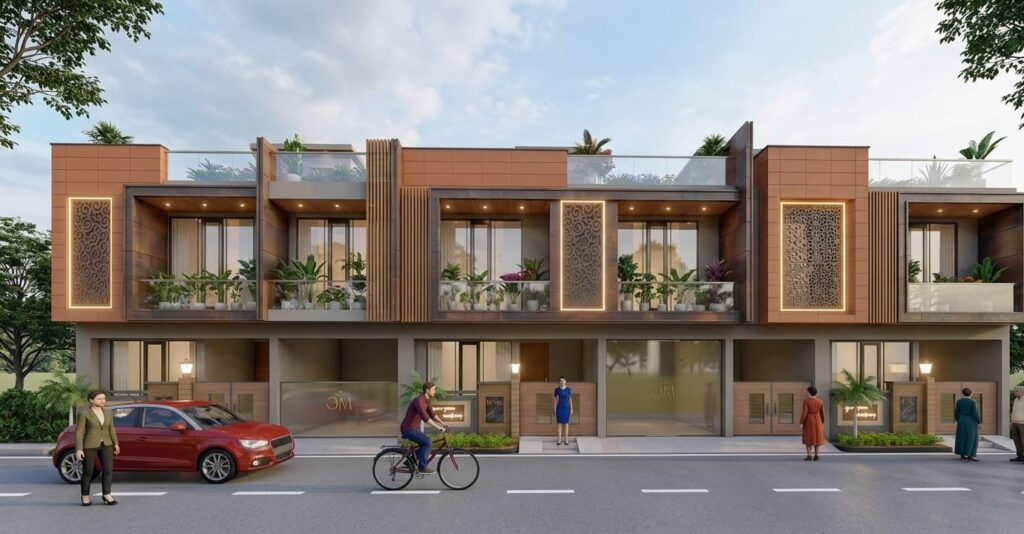
Quick Summary
Explore the systemic shift from high-density apartments to low-density villa developments across the National Capital Region. This real estate review highlights prime micro-markets, advanced structural advantages, smart utility integration, legal checklists, and long-term asset appreciation profiles for premium buyers.
Evolution of Premium Gated Living in National Capital Region
Why are homebuyers shifting from luxury apartments to low-density villas?
The rapid expansion of urban centers across Delhi NCR has triggered a reassessment of residential preferences among high-net-worth individuals. For decades, high-rise condominiums represented the standard of upscale metropolitan living. However, issues regarding structural density, crowded shared common areas, and a lack of personal open spaces have driven a migration toward horizontal real estate. Buyers today seek personal space where they can exercise complete control over their layout, security, and surrounding natural environment. This shift is not merely a temporary trend but a long-term behavioral change. The preference for land-backed assets that offer independent ownership alongside community security has established an active market segment. Modern villa developments cater directly to this demand by offering expansive floorplates, private gardens, and multi-tier utility infrastructures.
What defines a modern gated villa township in Delhi NCR?
A modern gated villa township is characterized by its systematic zoning, low population density, and high allocation of open green spaces. Unlike traditional unorganized colonies, these planned townships feature standardized architectural designs, wide internal roads, underground utility networks, and integrated security mechanisms. Heritage Prime observations indicate that a high-standard township allocates upwards of forty percent of its total land area to community parks, paved walkways, and ecological buffer zones. Furthermore, these developments integrate advanced security technologies, including perimeter intrusion detection, smart access control gates, and continuous CCTV surveillance. This structured layout ensures a calm residential atmosphere while maintaining close proximity to primary economic centers and commercial districts across the metropolitan area.
High-Tier Lifestyle Amenities Redefining Villa Communities
How do automated home systems integrate with villa designs?
Modern villa designs seamlessly incorporate sophisticated home automation architectures to optimize comfort, resource conservation, and building safety. High-end residences feature centralized control interfaces that govern internal climate systems, architectural lighting, automated curtains, and media distributions. These smart systems utilize motion sensors and predictive algorithms to manage energy consumption, automatically reducing cooling and lighting loads in unoccupied zones. Additionally, structural integration includes smart door locks, video door phones, and automated garage entry systems. This advanced technological infrastructure provides residents with absolute control over their living environment, reinforcing the sense of security and personalization that modern luxury horizontal developments are expected to deliver.
What wellness and recreational infrastructures are standard in premium developments?
Premium villa developments prioritize holistic wellness through specialized architectural layouts and dedicated physical infrastructure. Standard offerings within modern clubhouses include temperature-controlled indoor swimming pools, professional-grade gymnasium facilities, dedicated yoga decks, and comprehensive spa suites. Outside the clubhouse, communities integrate clay tennis courts, half-basketball courts, and dedicated jogging tracks paved with shock-absorbing materials. The integration of these facilities encourages a healthy, active lifestyle within the safety of a secure perimeter. The table below outlines the core differences in recreational infrastructure across varying development tiers in the National Capital Region:
| Infrastructure Tier | Recreational Facilities | Wellness Provisions | Security Integration |
|---|---|---|---|
| Standard Gated Layouts | Basic community hall, single outdoor playground | Standard gymnasium, walking track | Manual entry gates, basic CCTV surveillance |
| Premium Gated Townships | Multi-sport courts, multiple clubhouses, banquet facilities | Heated swimming pools, dedicated spa, reflexology paths | Biometric access control, 24/7 patrol teams, smart perimeter fencing |
Comparing High-Rise Living vs. Low-Density Villa Townships in NCR
Which option provides better long-term spatial freedom and privacy?
When analyzing long-term spatial utility, low-density horizontal properties offer significant structural advantages over multi-story apartments. Villa residents enjoy complete ownership of the land parcel, allowing for future structural modifications, vertical expansions, or customized landscaping. In contrast, apartment living restricts modifications to internal partition walls and subjects residents to strict condominium association rules. For those seeking highly customized independent homes with modern amenities, the luxury of private terraces, personal swimming pools, and dedicated lawns remains unmatched. This structural independence also ensures superior acoustic privacy, eliminating the typical disturbances associated with shared walls and ceiling-floor boundaries common in high-rise complexes.
How do structural maintenance and common area governance compare?
The governance of common areas in villa communities differs substantially from high-rise complexes. While apartment owners rely on centralized resident welfare associations to manage highly complex vertical elevator systems, high-capacity firefighting networks, and shared structural elements, villa communities enjoy a more balanced maintenance model. Private structures are maintained directly by the owner, allowing for personalized quality control and budget allocation. Meanwhile, external infrastructure, such as internal roads, street lighting, perimeter security, and clubhouse facilities, is managed by a professional facility management agency. This dual approach ensures that communal standards are strictly upheld without compromising the individual autonomy of the property owner over their private residence.
Prime Locations in NCR for Exclusive Villa Properties
Why has Noida become a preferred hub for spacious horizontal living?
Noida has emerged as a highly competitive market for horizontal residential properties due to its superior spatial planning, wide arterial expressways, and robust municipal infrastructure. The region benefits from organized sector-based layouts that prevent commercial encroachment into residential zones. Over the past few years, the demand for luxury independent villas in Noida has registered a noteworthy upward trajectory, driven by the expansion of multinational corporate offices along the Noida-Greater Noida Expressway. The availability of larger land parcels has allowed developers to construct expansive master-planned communities that offer a balance of suburban peace and urban accessibility, making it an ideal destination for corporate executives and entrepreneurs alike.
What makes Greater Noida and Gurgaon distinct investment corridors?
Greater Noida and Gurgaon present distinct structural characteristics for high-end buyers. Gurgaon, with its established corporate hubs along Golf Course Road and the Southern Peripheral Road, caters to high-value investment profiles looking for rapid capital appreciation. However, the high density of Gurgaon has pushed premium buyers toward the lower-density sectors of Greater Noida. Greater Noida offers unique value in terms of open green spaces, world-class golf courses, and wide sector roads. Emerging developments like the Ayodhya Enclave project, which serves as an exclusive residential community in Delhi NCR, providing spacious plots, represent this shift toward planned, low-density residential spaces. These corridors are highly favored by buyers seeking a peaceful, green-rich environment without sacrificing seamless connectivity to the central capital.
Legal, Regulatory, and Transaction Checklists for Buyers
What legal verifications are mandatory before purchasing a luxury villa?
The acquisition of a land-backed property requires a rigorous legal due diligence process to mitigate financial risks. Prospective buyers must verify the land ownership history, ensuring the developer possesses a clear, unencumbered title. It is vital to check the land allotment letters issued by regional development authorities, along with non-encumbrance certificates spanning at least thirty years. Additionally, before committing any capital, it is highly recommended to study the legal terms and service conditions outlined by the primary developer or land allocation authority to avoid future disputes regarding maintenance charges, transfer fees, or structural alteration guidelines. Verification of the approved master layout plan is also necessary to confirm that no future commercial development is planned on designated green zones.
How does RERA registration safeguard premium horizontal property transactions?
The Real Estate Regulatory Authority (RERA) acts as a powerful protective mechanism for horizontal property purchasers. A valid RERA registration ensures that the developer is legally bound to deliver the project within the stipulated timeframe and according to the approved specifications. It mandates that seventy percent of the buyer’s funds be maintained in a dedicated escrow account, solely used for construction and land costs. For villa buyers, RERA compliance provides clear assurances regarding the timely completion of common infrastructures, including clubhouses, electrical substations, and sewage treatment plants, which are vital to the functional viability of the gated community.
Sustainable and Smart Infrastructure in Modern NCR Villas
What environmental practices are implemented in eco-friendly villa layouts?
Modern horizontal developments actively incorporate ecological preservation principles into their core architectural design. Villa communities are designed with integrated rainwater harvesting systems that replenish local groundwater tables, reducing reliance on municipal water supplies. Developers deploy decentralized sewage treatment units to treat household wastewater, which is subsequently recycled for landscape irrigation and flushing systems. Additionally, layouts incorporate extensive indigenous plantations that maintain local biodiversity and mitigate the urban heat island effect, ensuring a cooler microclimate within the residential sector.
How does smart grid integration optimize resource consumption?
Smart grid integration represents a significant technological leap in horizontal residential developments. Modern villas are increasingly equipped with rooftop solar photovoltaic installations integrated with smart net-metering systems. This allows homeowners to generate their own clean electricity and feed any surplus power back into the local grid, resulting in substantial utility savings. Furthermore, these communities feature centralized smart water metering systems that track consumption patterns in real-time, enabling prompt detection of internal leaks and promoting responsible resource management among residents.
Investment Potential and Market Trends for Luxury Horizontal Developments
How does capital appreciation of land-backed villas compare to multi-story apartments?
Historically, land-backed assets have consistently outperformed vertical apartments in terms of long-term capital appreciation. While the structure of an apartment depreciates over time, the underlying land value of a villa continues to appreciate due to its finite supply. In high-growth corridors of the National Capital Region, the scarcity of large, contiguous land parcels near major economic hubs ensures a steady upward pressure on villa prices. Investors who acquire properties in well-planned horizontal townships typically realize higher long-term capital gains, alongside the added benefit of asset security and absolute physical control over the property.
What are the emerging resale dynamics for low-density gated layouts?
The secondary market for low-density gated layouts in NCR is characterized by high demand and relatively low supply, creating favorable conditions for property sellers. Buyers looking for ready-to-move-in luxury options often prioritize established villa communities that demonstrate strong administrative governance and well-maintained landscapes. The resale value of these properties is heavily influenced by the quality of the immediate neighborhood infrastructure, the accessibility of major expressways, and the operational standard of the communal clubhouse facilities, making them highly resilient financial assets during economic fluctuations.
Frequently Asked Questions
1. What is the typical maintenance cost structure in NCR villa communities?
Maintenance costs in gated villa communities are typically calculated on a per-square-foot basis of the plot area or as a fixed monthly flat rate. This fee covers the upkeep of common amenities, including security personnel, central landscaping, street lighting, clubhouse facilities, waste management, and the operations of water treatment plants. While individual villa maintenance is the owner’s responsibility, these shared costs ensure the overall aesthetic and functional standards of the township remain consistent.
2. Are modern villa communities in NCR secure for senior citizens and children?
Yes, modern gated townships integrate multiple security layers specifically designed to protect vulnerable residents. These measures include vehicle-free pedestrian pathways, continuous CCTV monitoring, boom barriers with RFID recognition, and perimeter intrusion alarms. The presence of professional security teams and restricted visitor access ensures a safe outdoor environment for both young children and elderly residents.
3. How do municipal utilities compare between municipal areas and private gated townships?
Private gated townships often feature superior utility reliability compared to standard municipal sectors. They integrate heavy-duty backup power systems, underground cabling to prevent weather-related outages, and large-capacity water filtration plants. This private infrastructure acts as a buffer, ensuring consistent water supply and uninterrupted electricity even during regional municipal shortages.
4. Can buyers customize the external facade of their villa in a gated community?
Facial customization depends on the architectural guidelines of the specific township. Many premium communities enforce strict exterior design rules to preserve visual harmony throughout the project. However, buyers typically retain full freedom to modify internal layouts, landscaping, and private interior spaces, provided the structural changes comply with local building regulations and township bylaws.