
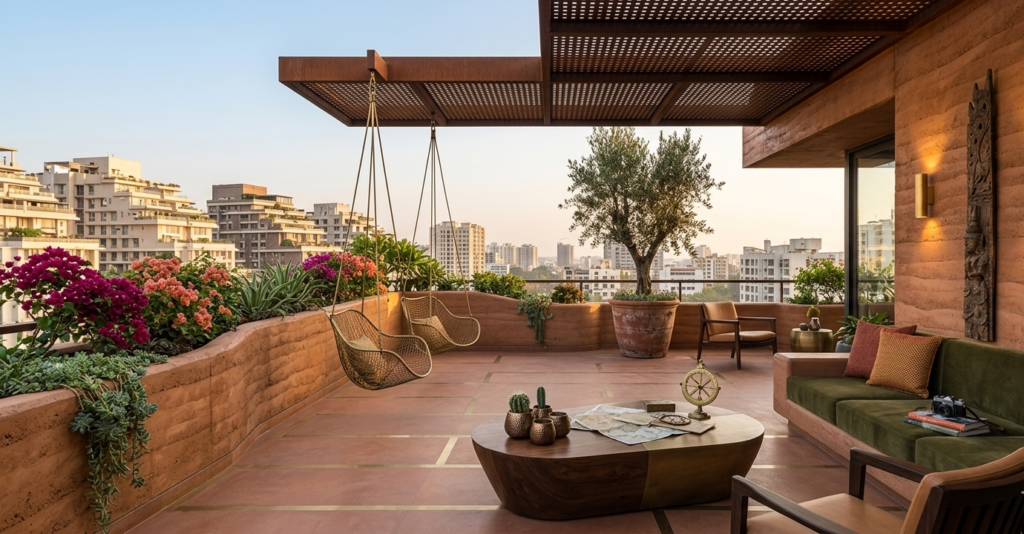
Quick Summary
Transforming a spacious villa garden requires deliberate planning, premium materials, and structured design zones. This extensive guide covers the fundamentals of luxury outdoor decor, ranging from durable furniture selection and architectural lighting to the sensory integration of water features and year-round horticultural planning. Discover how to create an elegant open-air retreat that functions as a natural extension of your home’s interior.
Transforming Villa Gardens into Outdoor Sanctuaries
A grand home does not end at its perimeter walls. The surrounding land acts as a visual frame, shaping first impressions and defining the overall atmosphere of the property. For discerning homeowners, outdoor spaces represent an opportunity to expand functional living areas under the open sky. Incorporating careful landscaping and strategic decor transforms basic lawns into architectural statements that match the sophistication of the main house.
Heritage Prime reports that modern luxury home designs place a premium on visual continuity. The transition between the indoor living room and the outdoor patio should feel logical and continuous. Rather than treating the garden as an isolated backyard, expert landscape designers view it as a collection of open-air rooms, each requiring its own flooring, lighting, wall boundaries, and focal points. By adopting this structural approach, owners can establish a multi-sensory environment that balances aesthetic appeal with daily utility.
Why is outdoor garden styling important for luxury living?
Styling a villa garden is far more than an exercise in planting flowers or positioning a swing. It is about creating a refined spatial flow that accommodates relaxation, private reflection, and grand-scale entertaining. High-end exterior styling establishes a setting where families can gather comfortably, away from the confinement of interior rooms. It allows residents to connect with natural elements, clean air, and daylight without sacrificing the comfort and privacy expected of a luxury estate. Well-designed gardens also substantially boost a property’s market appeal, framing the home as a complete lifestyle package rather than just a structure of concrete and glass.
Defining the Zones in Spacious Villa Landscaping
Spacious lawns can easily feel empty or disorganized without a clear structural layout. To prevent this, landscape architects use hardscaping and planting to partition the garden into separate functional areas. This zoning technique ensures that active recreation areas do not conflict with quiet meditation zones or formal dining patios. Each zone serves a unique purpose, defined by physical boundaries like changes in paving, low stone walls, ornamental hedges, or pergolas.
Pathways play a critical role in this zoning strategy, guiding guests naturally through the landscape. Utilizing high-quality paving materials like flagstone, granite cobbles, or teak wood decking defines the transitions between zones. These paths should be wide enough for two people to walk comfortably side-by-side, encouraging leisurely strolls and exploration of the entire property.
How do you plan distinct functional zones in a large backyard?
Effective zoning begins with an analysis of the site’s natural conditions, such as sun exposure, wind patterns, and views from the house. Areas closest to the kitchen are best suited for outdoor dining and kitchen setups, minimizing the distance needed to transport food and tableware. The sunniest spots can be dedicated to swimming pools and sun loungers, while shaded corners work perfectly for quiet reading alcoves or children’s play areas. The architectural layouts found in modern developments like the Shyam Kunj Villas luxury township show how structural design naturally divides external plots into intimate zones, establishing a logical flow from the patio to the deep garden.
Which hardscape materials work best for modern luxury estates?
The selection of hardscape materials dictates the durability and visual style of the landscape. Natural stones like travertine, flamed granite, and slate are excellent options for patios and pathways, offering timeless beauty and resistance to weathering. For a contemporary look, large-format porcelain tiles designed for outdoor use provide a clean, minimalist finish. Avoid basic poured concrete in favor of high-end materials that offer texture and depth. Wood plastic composites (WPC) or premium natural hardwoods like Ipe and Teak are perfect for pool decks and raised dining platforms, adding warmth and organic texture to the scheme.
Signature Furniture Choices for Sophisticated Patios
Outdoor furniture must meet a high standard of design and durability. It must withstand intense sunlight, seasonal rains, and temperature fluctuations while maintaining the elegant appearance of indoor furniture. The selection of patio seating, dining sets, and daybeds should reflect the interior design style, using high-performance fabrics and weather-resistant materials to ensure longevity and comfort.Modern luxury outdoor furniture emphasizes clean lines, neutral color schemes, and deep, comfortable cushions. Gone are the days of fragile plastic chairs or heavy, rust-prone wrought iron. Today’s outdoor lounges feature modular configurations, allowing homeowners to rearrange the setup depending on whether they are hosting a large cocktail party or enjoying a quiet family evening.
What are the most durable materials for luxury outdoor furniture?
Marine-grade teak is highly favored for outdoor furniture due to its natural oils, which prevent rot, insect damage, and warping. Over time, unfinished teak develops a soft silver-grey patina, which blends beautifully into garden settings. Another durable option is powder-coated aluminum, which is lightweight, rustproof, and easy to clean. For upholstery, specify solution-dyed acrylic fabrics like Sunbrella. These performance fabrics are highly resistant to UV fading, moisture, and mildew, ensuring that cushions remain bright and soft through years of exposure.
How can you create a seamless indoor-outdoor transition?
To create a smooth transition between indoors and outdoors, use a consistent color palette across both areas. For example, mirror the accent colors used in your indoor living room on your outdoor cushions, throws, and decorative planters. Additionally, choose sliding glass pocket doors that fold back completely, eliminating physical barriers. Selecting luxury independent villas in Noida provides buyers with the ideal canvas, featuring grand floor-to-ceiling glass doors that look out onto private lawns, allowing owners to match indoor living room tones with patio sectionals for a spacious, open-air lifestyle.
Illuminating the Landscape: High-End Lighting Schemes
A well-planned landscape lighting scheme extends the usability of a villa garden into the late evening hours, highlighting key architectural features and mature trees. Avoid harsh, blinding floodlights that wash out the garden’s natural beauty. Instead, opt for a layered lighting design that uses soft, low-voltage fixtures to create depth, shadow, and drama.
Lighting should serve both functional and aesthetic purposes. Steps, pathways, and transitions in level must be illuminated for safety, while accent lights can be used to showcase artistic features, stone walls, and specimen plants. Smart lighting systems allow homeowners to adjust light levels, program scenes for different events, and manage energy consumption efficiently.
How do you design a layered garden lighting plan?
A layered lighting plan involves combining three primary types of lighting: ambient, task, and accent. Ambient lighting provides general illumination and is often achieved with soft wall-mounted sconces, hanging pendant lights, or recessed step lights. Task lighting is focused, serving specific purposes like lighting up an outdoor kitchen grill or a dining table. Accent lighting is where creativity shines: using directional spotlights to uplight tall palm trees, silhouetting structural plants against stone walls, or integrating subtle LED strip lights under bench seating to create a floating effect.
What is the role of solar versus low-voltage LED landscape systems?
While solar-powered lights are easy to install, they often lack the brightness, reliability, and warmth required for high-end gardens. They are dependent on daily sunlight exposure and tend to fade quickly during the night. Professional landscape designs rely on low-voltage (12V or 24V) LED landscape systems. These systems provide consistent, adjustable brightness and can be controlled via smart home networks. LED bulbs are highly energy-efficient, offer customizable color temperatures (usually a warm 2700K to 3000K), and last for tens of thousands of hours, making them a superior choice for luxury estates.
Water Features and Fire Elements as Focal Points
Water and fire elements serve as major focal points in premium villa gardens, introducing movement, sound, and warmth to the environment. The sound of trickling water masks street noise, creating a tranquil oasis, while the warmth of a fire pit encourages evening social gatherings. These features should be placed where they can be viewed both from the outdoor seating areas and from inside the main house.
Integrating these elements requires careful coordination with structural engineering and utility lines. Gas connections, water lines, and filtration systems must be planned during the early stages of landscape design to ensure they operate safely and remain hidden from view.
Should you choose a fire pit or a water fountain for your central courtyard?
The choice between water and fire features depends on your local climate, space availability, and lifestyle preferences. In warmer areas, water features provide a cooling visual effect and relaxing white noise. In cooler climates, or if you plan to use the garden primarily in the evenings, a fire element provides a natural gathering point and extends the season for outdoor living. The table below outlines the core differences to help you choose the best fit for your space.
| Feature Type | Primary Atmosphere | Maintenance Needs | Best Placement |
|---|---|---|---|
| Water Fountain | Serene, cooling, soothing white noise | Moderate (filtration, algae control, water top-offs) | Central courtyards, entryways, near meditation areas |
| Fire Table / Pit | Warm, social, dramatic evening light | Low (gas line checks or ash removal for wood) | Lounge areas, poolside decks, sunset viewpoints |
Incorporating these elements enhances the outdoor environment, as exemplified by estates like the Ayodhya Enclave luxury villa project, where landscape architecture emphasizes the interplay of sensory elements like flowing water to bring tranquility to open-air zones.
Sculptures, Vertical Gardens, and Artistic Accents
Art should not be restricted to interior galleries. Placing carefully curated sculptures, abstract metal screens, and living walls in the garden elevates the landscape from a simple lawn to a sophisticated outdoor gallery. Artistic elements provide focal points that capture interest and draw the eye through the space, creating a layered, multi-dimensional experience.
Vertical gardens, or living walls, are particularly useful in villa gardens where space may be limited or where boundary walls require softening. These vertical installations utilize modular planting panels and integrated drip irrigation to create a lush, green tapestry on vertical surfaces, providing visual warmth without taking up valuable ground space.
How do you integrate vertical greenery in small or large garden spaces?
Vertical gardens can be installed on empty boundary walls, garage exteriors, or as privacy screens between different garden zones. For a successful installation, select a mix of plants with varied leaf textures and shades of green, such as ferns, pothos, and philodendrons. These plants must be compatible with the wall’s light exposure. Working with a reputable real estate developer in NCR ensures that the initial physical infrastructure of your estate, such as load-bearing boundary walls and outdoor plumbing, is designed to support heavy vertical garden installations and architectural water walls.
Planting Strategies for Year-Round Visual Appeal
A beautiful garden relies on a well-designed planting plan. Without strategic selection, a garden can look spectacular during spring but appear sparse and dull in the winter. A professional landscape plan balances evergreen shrubs, structural architectural plants, and seasonal flowering species to ensure year-round interest and color.
In addition to choosing the right plants, grouping them in layers is essential for creating depth. Place taller specimen trees in the background, medium-sized shrubs in the middle, and low-growing groundcovers along path edges. This staggered layering mirrors natural ecosystems and prevents the garden from looking flat or artificially structured.
What are the best architectural plants for structural garden design?
Architectural plants are characterized by their strong shapes, bold foliage, and clear structures. Excellent examples include tall, slender palms, structurally striking agave plants, and ornamental grasses that move gracefully in the wind. These plants act as natural sculptures, providing strong vertical lines and textural contrast. Pair them with evergreen hedges like boxwood or private laurel to establish a solid, structured green background that maintains its shape and color throughout the year.
Frequently Asked Questions about Villa Garden Decor
How do I protect outdoor villa furniture during heavy monsoons?
To protect your furniture during intense monsoon seasons, invest in high-quality, custom-fit outdoor furniture covers made from breathable, waterproof fabrics like polyester with a PVC backing. Ensure the covers have secure straps to keep them in place during strong winds. Whenever possible, store removable fabric cushions and throw pillows in dry, well-ventilated indoor storage boxes or a dedicated garden shed. For wood furniture like teak, regular application of protective sealants helps maintain its water resistance.
What are the best low-maintenance plants for a luxury villa garden?
Low-maintenance options include structural succulents like agave, aloe vera, and yucca, which require minimal watering and care. Ornamental grasses like fountain grass and lemongrass offer elegant movement with very little maintenance. For flowering interest, bougainvillea and plumeria are excellent choices as they thrive with minimal water once established and provide brilliant color. Evergreen shrubs like boxwood can be easily trimmed to maintain their shape, requiring only occasional pruning.
Can I automate my villa garden irrigation and lighting systems?
Yes, automation is standard in modern luxury landscape designs. Smart irrigation controllers can be connected to local weather stations to adjust watering schedules automatically based on real-time rainfall and temperature. Similarly, smart landscape lighting systems can be programmed to turn on at sunset and off at sunrise, or configured with custom scenes for dining, security, or parties, all controlled via a smartphone app or home automation system.
How can I incorporate a private yoga or meditation deck in my backyard?
To create a peaceful meditation space, choose a secluded corner of your garden away from high-traffic zones and street noise. Build a low-profile platform using natural materials like teak or composite wood decking. Surround the deck with tall, rustling plants like bamboo or ornamental grasses to create a natural privacy screen. Introduce a simple water fountain nearby to provide soothing background sound, and complete the space with weather-resistant floor cushions and a minimal shade structure like a wooden pergola.