
Quick Summary
The year 2026 represents a paradigm shift in luxury villa interior design, prioritizing wellness, invisible automation, and highly sustainable materiality. This comprehensive editorial examines the leading design movements, from biophilic structural integration and sophisticated, muted color palettes to custom artisan collaborations and high-tech private wellness spas. Explore how modern architecture harmonizes natural resources with advanced smart-home systems to create enduring residential spaces that balance aesthetic grandeur with functional longevity.
The Evolution of High-End Living
How are spatial layouts shifting in modern premium homes?
The layout of the modern luxury villa is undergoing a substantial architectural transformation. Traditional compartmentalized floor plans, which separated formal reception rooms from daily living quarters, are being replaced by adaptive, multi-use zones. These grand spaces utilize architectural elements such as double-height glass panels, floating partitions, and structural columns to define zones without completely blocking sightlines. This spatial fluidity allows natural light to penetrate deep into the home, creating an expansive environment that feels connected yet private. Modern villa residents demand spaces that can transition effortlessly from private family sanctuaries to grand social venues, requiring designers to plan flexible furniture arrangements and integrated acoustic buffers.
Why is fluid architectural planning replacing traditional formal rooms?
The demand for informal luxury has rendered rigid, single-purpose formal rooms obsolete. Modern high-net-worth homeowners prioritize comfort, natural circulation, and direct connection to outdoor vistas. Fluid architectural planning reflects this lifestyle shift by blending kitchens, dining areas, and outdoor terraces into a single cohesive zone. Structural barriers are eliminated in favor of subtle flooring transitions, varied ceiling heights, and strategically positioned custom cabinetry. This approach ensures that every square meter of the home is utilized daily rather than being preserved solely for occasional formal gatherings. It fosters a relaxed, inclusive living experience where family members can engage in different activities within the same visual field.
Biophilic Architecture and Organic Textures
How do natural materials influence indoor microclimates?
Integrating natural materials into high-end villa interiors is no longer merely an aesthetic preference; it is a primary strategy for regulating indoor microclimates. Raw stone, untreated clay plaster, and solid wood possess inherent thermal mass properties that help stabilize indoor temperatures. Clay wall finishes naturally regulate humidity by absorbing excess moisture and releasing it when the air is dry, reducing the reliance on artificial HVAC systems. Additionally, natural materials are free from harmful volatile organic compounds (VOCs), significantly improving indoor air quality. When strategically placed near expansive windows, heavy stone walls absorb heat during the day and gently radiate it at night, optimizing energy efficiency and enhancing physical comfort.
What roles do living walls and indoor water features play?
Living walls and water features serve as functional, biological micro-ecosystems within the modern home. Automated vertical gardens act as natural air filtration systems, absorbing carbon dioxide and releasing oxygen while capturing airborne particulates. Concurrently, custom indoor water walls or reflecting pools contribute to passive cooling through evaporation, maintaining comfortable humidity levels in dry climates. Acoustically, the gentle sound of moving water masks distracting external noises, creating a calm sanctuary. These features are highly sought after in premium residential spaces, including independent homes with modern amenities that integrate private gardens with open-concept living rooms. By physically bringing natural systems indoors, designers establish a direct connection to the natural world, which has been shown to reduce physiological stress levels.
Smart Tech Integration: Invisible Automation
How does invisible automation improve daily convenience?
The defining technological trend of 2026 is invisible automation, where smart systems are seamlessly integrated into the home structure, completely hidden from view. Rather than prominent wall-mounted touchscreens and cluttered control panels, modern villas employ voice activation, motion-sensitive sensors, and custom mobile applications. Automated climate control, window treatments, and security systems operate quietly in the background, adapting in real-time to the patterns and preferences of the residents. For example, motorized drapery tucked into ceiling recesses automatically adjusts to block harsh midday glare while maximizing soft morning light, requiring no manual intervention. This approach preserves the clean, architectural lines of the space while offering unparalleled ease of use.
What is the significance of circadian lighting setups?
Circadian lighting represents a major advancement in residential wellness technology, aligning artificial indoor illumination with the natural movement of the sun. These advanced systems automatically adjust both light intensity and color temperature throughout the day. In the morning, the system emits cool, blue-enriched light that stimulates cortisol production, helping residents feel alert and energized. As the afternoon progresses, the lighting transitions to a warmer, amber-toned hue, encouraging melatonin production and preparing the body for restful sleep. By supporting natural biological rhythms, circadian lighting enhances mood, improves sleep quality, and ensures that the interior design is presented in the best possible light at any hour of the day.
The Color Palette of 2026: Earthy Elegance and Deep Accents
Which color palettes dominate high-end residential interiors?
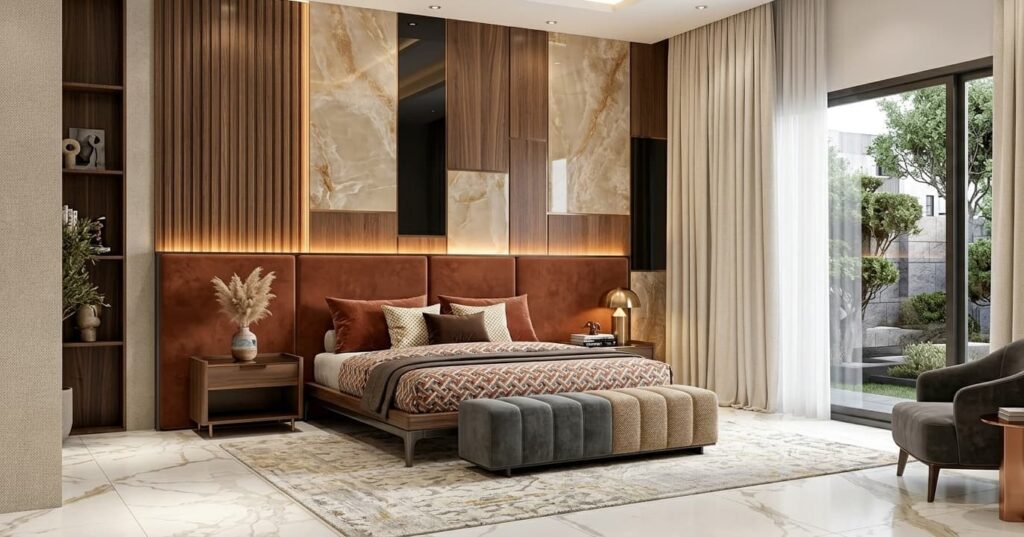
The color spectrum of 2026 shifts away from cold, stark whites and clinical greys toward warm, organic, and grounded tones. Soft, sandy beiges, warm terracottas, muted olive greens, and deep charcoal greys form the foundation of contemporary luxury palettes. These natural hues establish a calm, inviting base that feels connected to the earth. To complement these foundational shades, designers are introducing deep, moody accent colors such as rich forest green, deep burgundy, and dark mustard yellow. These complex tones add visual depth and architectural interest, particularly in transition zones such as entryways, corridors, and private study areas, creating a sense of understated elegance throughout the home.
How do contrasting jewel tones highlight neutral backdrops?
While neutral and earthy tones provide a serene foundation, the strategic use of contrasting jewel tones prevents spaces from feeling flat or monotonous. Rich emerald greens, deep sapphire blues, and warm amber tones are applied through custom accent walls, upholstered statement furniture, and bespoke lighting fixtures. These deep, saturated colors are especially effective in high-end construction projects, particularly within premium luxury independent villas in Noida, where natural sunlight is maximized through large floor-to-ceiling windows. The play of natural light against these rich hues creates a dynamic visual experience, accentuating architectural details, drawing the eye to curated focal points, and highlighting the fine textures of the premium materials used in the space.
Multi-Functional Wellness Sanctuaries
Why are private wellness chambers becoming standard requirements?
The modern luxury home is increasingly expected to serve as a comprehensive sanctuary for health, longevity, and self-care. Private wellness chambers are no longer considered optional additions; they are key components of the initial architectural planning phase. High-net-worth buyers now require dedicated spaces for physical and mental restoration, seeking to replicate the therapeutic benefits of world-class health retreats within their personal residences. These private suites are designed with specialized acoustic insulation, advanced air-purification systems, and materials that resist moisture and high temperatures, ensuring a dedicated environment for daily wellness routines, yoga, meditation, and physical recovery.
How do home spas incorporate sustainable heating elements?
Modern home spas balance therapeutic benefits with environmental responsibility by utilizing advanced, energy-efficient heating technologies. Traditional electric heaters in saunas and steam rooms are being replaced by high-performance infrared heating panels. These panels use electromagnetic radiation to warm the body directly rather than heating the air in the entire room, reducing energy consumption and providing a deeper, more therapeutic heat. A prime example of this focus on residential health and wellness can be seen in the design layouts of the Ayodhya Enclave luxury villa project, where dedicated space is reserved specifically for custom fitness suites and hydrotherapy zones. Additionally, these spaces utilize greywater recycling systems and high-efficiency heat recovery ventilators (HRVs) to ensure that warm air is repurposed to heat water or other areas of the home, minimizing energy waste.
Bespoke Craftsmanship and Heritage Elements
Why is artisanal furniture preferred over mass luxury brands?
In the high-end residential market, true luxury is defined by uniqueness, quality, and the story behind each piece. Mass-produced luxury brand furniture, while high in quality, lacks the distinct character and personal connection that modern homeowners desire. Bespoke, hand-carved solid wood tables, custom-forged metal light fixtures, and hand-woven wool carpets bring a human element and a level of detail that industrial processes cannot replicate. These custom pieces are designed to fit the specific proportions and architectural nuances of the home, transforming furniture from functional utility into a collection of unique, personal art pieces that gain value over time.
How do regional craftsmanship traditions blend with global modernism?
The contemporary design aesthetic in 2026 successfully blends clean, modernist lines with rich regional craftsmanship. This approach combines minimalist, functional layouts with handmade elements such as hand-painted ceramic tiles, locally sourced stone carvings, and traditional textile weaves. When planning these complex, customized interior environments, collaborating with an experienced and reputable real estate developer in NCR ensures that structural planning and artisanal installations align perfectly. Heritage Prime emphasizes this synthesis of traditional handiwork and modern structural engineering, allowing buyers to co-create distinct spaces. By incorporating local artistry into a sleek, modern architectural framework, designers create spaces that feel both globally sophisticated and deeply rooted in local culture.
Sustainable Materials and Future-Proofing
What sustainable materials are defining ultra-luxury spaces?
Sustainability has evolved from a minor consideration into a primary driver of high-end design, with advanced material science offering eco-friendly options that do not compromise on style. Designers are choosing carbon-neutral concrete, hemp-based structural panels, and recycled glass countertop surfaces that mimic the natural veining of premium marble. Reclaimed solid timber, salvaged from historic structures, is highly valued for its dense grain and rich character, serving as flooring, wall paneling, and ceiling beams. These sustainable materials are durable, low-maintenance, and contribute to a healthier indoor environment, aligning with the growing desire for responsible and conscious consumption.
How do passive cooling techniques minimize energy consumption?
Passive cooling is a key design principle in modern villa architecture, designed to maintain comfortable indoor temperatures while reducing reliance on mechanical air conditioning. This is achieved by orienting the building to capture natural breezes, installing high-performance double-glazed windows with low-emissivity coatings, and designing deep roof overhangs that shield the interiors from harsh direct sunlight. In addition, interior courtyards and open vertical shafts encourage the chimney effect, where warm air rises and escapes through high vents, drawing cooler air in from lower windows. This natural airflow maintains a fresh, comfortable indoor climate with minimal carbon footprint.
| Design Aspect | Classic Luxury Elements | 2026 Sustainable Alternatives |
|---|---|---|
| Primary Flooring | Imported Italian Marble, Exotic Hardwoods | Reclaimed Oak, Terrazzo with Recycled Aggregate |
| Wall Finishes | Synthetic Vinyl Wallpaper, High-Gloss Paints | Clay Plasters, Breathable Lime Wash Finishes |
| Work Surfaces | Slabs of Quarry Granite, Quartzite | Sintered Stone, Recycled Bio-Glass Composites |
| Insulation | Fiberglass Batts, Polyurethane Foam | Natural Hemp-Fibre, Recycled Cotton Denim |
Frequently Asked Questions
What defines a biophilic interior layout in 2026?
In 2026, biophilic interior layouts focus on structural integration rather than simply placing potted plants in a room. This includes architectural designs that bring natural elements inside, such as indoor garden courtyards, natural stone water walls, and open layouts that offer clear views of the landscape. It also emphasizes the use of natural, raw materials that improve indoor air quality and help regulate the temperature naturally.
Are smart home technologies visible in modern luxury villas?
No, the latest trend in smart home technology is invisible automation. Control panels, wires, and complex keypads are hidden from view. Systems are integrated into the home structure and operated through voice commands, subtle sensors, and automated programs. This keeps the home clean and minimalist while still providing advanced control over lighting, temperature, and security.
How are home wellness spaces designed for sustainability?
Modern home wellness spaces use energy-efficient systems to reduce their environmental impact. This includes using infrared panels in saunas, which heat the body directly and use less energy than traditional heaters. Additionally, these spaces utilize heat recovery systems and greywater recycling to reuse energy and water, ensuring the private spa is both luxurious and eco-friendly.
Why is custom craftsmanship more popular than branded furniture?
Custom craftsmanship is preferred because it offers a level of uniqueness and quality that mass-produced furniture cannot match. Bespoke pieces are designed specifically for the home’s proportions and architectural style, using high-quality, local materials. This creates a more personal, meaningful space and supports local artisans while ensuring the furniture lasts for generations.