
Quick Summary
Low-density living represents a fundamental paradigm shift away from overcrowded urban centers toward spacious, landscape-first residential planning. Villa communities built with lower population density provide residents with superior emotional and physical health, higher long-term asset valuation through a greater share of undivided land, and unmatched architectural freedom. This analysis outlines the practical, psychological, and financial advantages of selecting low-density environments over high-density vertical towers.
Defining Low-Density Living: What Does It Mean for Modern Homeowners?
Why is density becoming a key metric in real estate?
For decades, urban development focused heavily on vertical expansion. Cities grew upward, stacking hundreds of households on single-acre plots to accommodate rapidly growing populations. However, as metropolitan zones have become increasingly congested, property buyers are shifting their focus to space, privacy, and breathing room. Population density within a residential development is now a primary indicator of luxury and long-term livability. High density often brings challenges such as overburdened infrastructure, noise pollution, and shared resources stretched to their absolute limits. In contrast, low-density developments limit the number of structures and families within a specific geographic boundary, ensuring that natural resources, communal facilities, and open landscapes remain highly accessible and preserved.
According to research conducted by real estate analysts, developments that cap their density ratios offer a significantly higher quality of life. Homeowners are beginning to view real estate not just as physical shelter, but as an active contributor to their daily well-being. Density is no longer just a technical zoning term; it has become a metric that directly influences air quality, daily stress levels, and overall personal freedom within one’s home environment.
How does low density differ from high-rise urban congestion?
The structural difference between vertical high-rises and spread-out villa communities is stark. High-rise buildings are designed to optimize space vertically, meaning thousands of people share the same structural footings, elevator systems, corridors, and parking garages. This vertical grouping leads to constant, unavoidable human interaction and micro-commotions that can disrupt domestic peace. Every step taken by a neighbor upstairs or every plumbing cycle can sometimes register in your private living space.
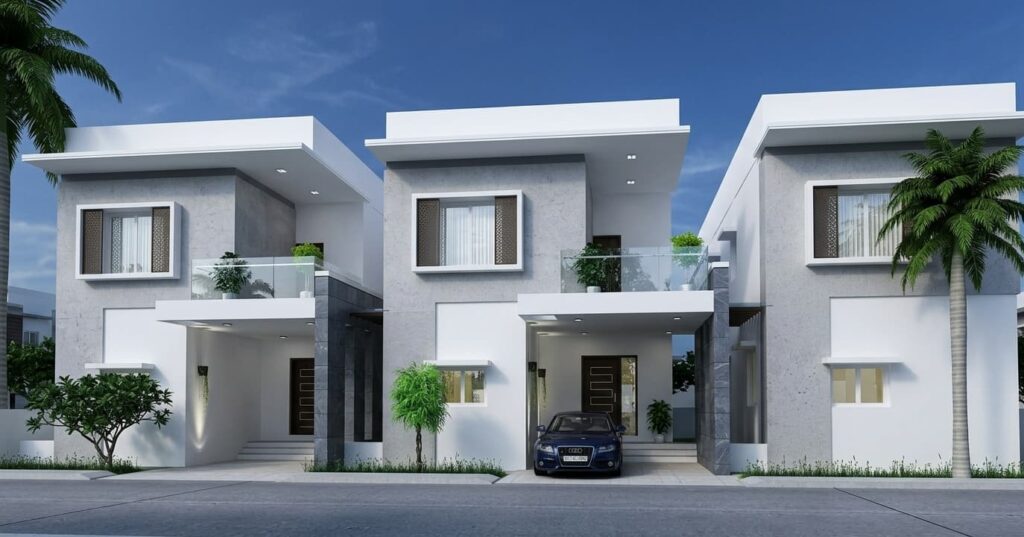
In contrast, low-density villa communities distribute a limited number of homes across a wide, horizontally planned acreage. Instead of concrete towers dominating the horizon, the landscape is defined by private lawns, wide pedestrian pathways, and natural buffer zones. This spatial arrangement reduces the physical burden on local roads, water distribution systems, and electrical grids, ensuring a highly reliable infrastructure. Heritage Prime research indicates that low-density designs minimize the heat-island effect common in concrete-heavy high-rises, resulting in cooler microclimates and more comfortable outdoor temperatures year-round.
The Psychological and Physiological Impact of Spaced-Out Living
Why do human beings thrive in quieter environments?
Human biology is not designed for the constant sensory bombardment of highly congested modern cities. Constant sirens, traffic hums, close-quarters neighbors, and artificial glare keep the human nervous system in a state of low-grade alert. Over time, this constant stimulation raises cortisol levels, which can lead to sleep disruption, chronic anxiety, and cardiovascular strain. Quieter environments, such as those found in spaced-out villa developments, offer a natural remedy to this urban fatigue.
When background noise levels drop below a certain threshold, the human brain enters a state of rest and recovery. This quietude is not merely the absence of sound; it is the presence of natural acoustics: wind rustling through mature trees, birdsong, and the soft sound of rain on real earth rather than concrete balconies. Living in an area with minimal noise pollution allows residents to experience deeper sleep phases, improved focus, and a general sense of internal calm that is virtually impossible to replicate in a high-density downtown environment.
How do private gardens and open skies affect daily stress levels?
Access to open skies and direct contact with soil and plant life are vital to human health. High-rise apartments often isolate residents from the earth, separating them by dozens of stories of concrete and steel. Villa communities, by definition, integrate private green spaces directly into the residential plot. Having a private garden, yard, or courtyard allows residents to engage in gardening, walk barefoot on natural grass, or sit under an unobstructed sky.
These simple activities have measurable physical benefits. Regular exposure to natural sunlight helps regulate circadian rhythms and boosts vitamin D synthesis. The presence of natural vegetation acts as a local air filter, absorbing airborne dust and releasing clean oxygen right outside the living room windows. Having access to these open, natural spaces right outside the door makes healthy outdoor activities a natural, effortless part of the daily routine.
Spatial Autonomy: Customization, Privacy, and Architectural Freedom
What design benefits do independent homes offer over apartments?
Apartment living always involves design compromises. Multi-family towers rely on standardized floor plans and load-bearing columns that cannot be altered, leaving homeowners with little room to customize their spaces. Residents must also comply with strict building association rules that restrict modifications to exterior facades, windows, and utility systems. This uniformity often makes homes feel temporary and impersonal.
Choosing to reside in independent homes with modern amenities changes this dynamic completely. Villa owners have full authority over their entire property boundary. Whether it is adding a private home theater, creating a dedicated home office with custom skylights, or designing an outdoor kitchen for weekend gatherings, independent structures adapt easily to changing family needs. This architectural flexibility ensures that the home can grow and evolve along with the family, remaining functional and relevant for generations.
How do low-density community layouts guarantee visual privacy?
True privacy is a rare commodity in modern developments. In most high-rise complexes, windows and balconies directly overlook neighboring units, forcing residents to keep curtains closed to avoid unwanted eyes. This layout creates a closed-off indoor environment that blocks natural light and limits views of the outside world.
Low-density villa layouts address this design challenge through careful, deliberate spatial planning. Homes are spaced far apart, using green screens, native trees, and private boundary walls to block direct lines of sight between properties. Driveways, pathways, and windows are positioned to ensure that no single home compromises the privacy of another. This layout allows residents to open their curtains and welcome natural sunlight, enjoying wide views of their gardens without compromising their personal space.
Financial Sustainability and Long-Term Appreciation Trends
Why do low-density properties hold higher land value share?
From an investment standpoint, the physical structure of a home depreciates over time, while the land underneath it appreciates. In a high-rise tower, a single plot of land is divided among hundreds of individual apartment owners, leaving each resident with a very small Undivided Share of Land (UDS). Consequently, the property’s overall valuation is heavily tied to the building’s physical structure, which requires ongoing, expensive maintenance to retain its market value.
Villas, on the other hand, sit on dedicated, independent plots where the homeowner owns the actual land. The land-to-building value ratio in low-density communities is highly favorable to the buyer. Over the years, as land in prime suburban and metropolitan areas becomes increasingly scarce, the value of this tangible land grows exponentially. For investors looking to build multi-generational wealth, owning physical land within a well-planned development is one of the most reliable hedges against inflation.
How does the scarcity of low-density plots drive future demand?
Urban areas are experiencing rapid, high-density development. As local authorities allow higher Floor Area Ratios (FAR) to squeeze more housing units into city centers, low-density horizontal developments are becoming increasingly rare. This growing scarcity creates a strong supply-and-demand dynamic that favors existing villa owners.
Those who track real estate markets closely, particularly by monitoring upcoming premium housing developments, will notice a distinct trend: premium buyers are willing to pay a significant premium for neighborhoods that guarantee open spaces, quiet surroundings, and low traffic. Because developers cannot easily recreate these spacious communities once land is fully developed, these properties maintain strong demand and show excellent price resilience even during market downturns.
Community Dynamics and Social Cohesion in Micro-Neighborhoods
How do smaller community sizes foster genuine neighborly connections?
In a massive high-rise development with thousands of units, the sheer volume of residents often leads to social isolation and anonymity. Neighbors pass each other in elevators or parking structures without recognizing one another, making it difficult to build a supportive community. It is easy to feel isolated in a crowd of strangers.
Low-density communities offer a much more welcoming and cohesive social environment. With fewer families sharing the neighborhood, residents naturally begin to recognize their neighbors on walkpaths, in pocket parks, and at community gatherings. This familiarity builds a strong sense of mutual respect and trust. It creates a friendly neighborhood feel where people look out for one another, creating a supportive environment for families and young children to grow up in.
What safety advantages exist in gated, low-density layouts?
Managing security in a massive, multi-tower complex is a complex challenge. With hundreds of delivery personnel, service providers, and visitors entering the property every day, monitoring every visitor becomes difficult. This high volume of foot traffic can compromise the safety of common areas and shared parks.
A gated, low-density villa layout makes security management much simpler and more effective. With fewer access points and lower traffic, security teams can easily monitor and verify everyone entering the property. Children can play safely in neighborhood parks, and residents can walk along well-lit pathways at night with complete peace of mind. This secure, quiet environment is one of the most compelling reasons families choose low-density communities.
Comparison Table: High-Rise Apartments vs. Low-Density Villa Estates
To clarify the key differences between these two residential styles, let us examine how high-rise developments compare to low-density villa estates across several key metrics:
| Feature Metric | High-Density Vertical Apartments | Low-Density Villa Estates |
|---|---|---|
| Land Share (UDS) | Minimal; shared across hundreds of units | Maximum; absolute ownership of the plot |
| Noise & Disturbances | High; vertical and horizontal sound travel | Negligible; buffered by green yards |
| Customization Potential | Restricted by building codes and structural walls | Unmatched architectural freedom |
| Resource Availability | High competition for pools, gyms, and parks | Easily accessible; private space options |
| Long-Term Appreciation | Dependent on building upkeep and maintenance | Driven by high, appreciating land value |
Partnering with a reputable real estate developer in NCR ensures that your home is constructed to the highest standards, with durable materials, modern design principles, and transparent legal documentation, protecting your investment for the long term.
Selecting the Right Location: Balancing Connectivity and Seclusion
Can you find quiet, low-density layouts near major business districts?
A common concern for potential homebuyers is that choosing a low-density villa means moving far away from key business hubs and modern conveniences. However, smart urban planning has enabled developers to create balanced communities in upcoming growth corridors. These strategically selected pockets provide peaceful, suburban-style living while remaining well-connected to major expressways, commercial centers, and international airports.
By choosing these emerging neighborhoods, residents can enjoy the quiet, relaxed pace of a villa community without sacrificing easy access to metropolitan resources. The ideal home balances this quiet seclusion with seamless connectivity to top schools, healthcare facilities, and business parks, allowing you to commute easily while returning home to a peaceful sanctuary.
When exploring digital real estate listings and submitting your preferences online, it is always wise to review how your personal information is handled. Trusted and transparent developers operate under strict user data protection guidelines, ensuring that your search for the perfect home remains private, secure, and free from unwanted solicitations.
Frequently Asked Questions
What constitutes a low-density residential development?
A low-density development is characterized by a low ratio of homes built per acre of land. In these communities, a significant percentage of the total area is dedicated to open green spaces, wide pathways, parks, and shared recreational facilities, rather than maximizing the number of physical structures on the property.
Are maintenance fees higher in low-density villa communities?
While maintenance costs are shared among fewer residents, they are balanced by a much more efficient infrastructural footprint. Because there are no complex, energy-heavy high-speed elevators or large structural towers to maintain, the ongoing upkeep is primarily focused on landscaping, security, and surface maintenance, which often results in highly predictable and manageable expenses over time.
How do low-density villa developments contribute to sustainable living?
These communities support sustainable living by preserving natural soil, facilitating natural rainwater harvesting, and incorporating extensive native flora. The lower concentration of concrete structures prevents local heat retention, reduces the load on municipal infrastructure, and encourages active, outdoor lifestyles.
Is resale value higher for villas compared to high-rise apartments?
Historically, villas appreciate at a higher rate because they include absolute ownership of the underlying land plot. As land in prime metropolitan areas becomes increasingly scarce, the intrinsic value of physical plots grows faster than individual apartment units, which are prone to structural depreciation.