
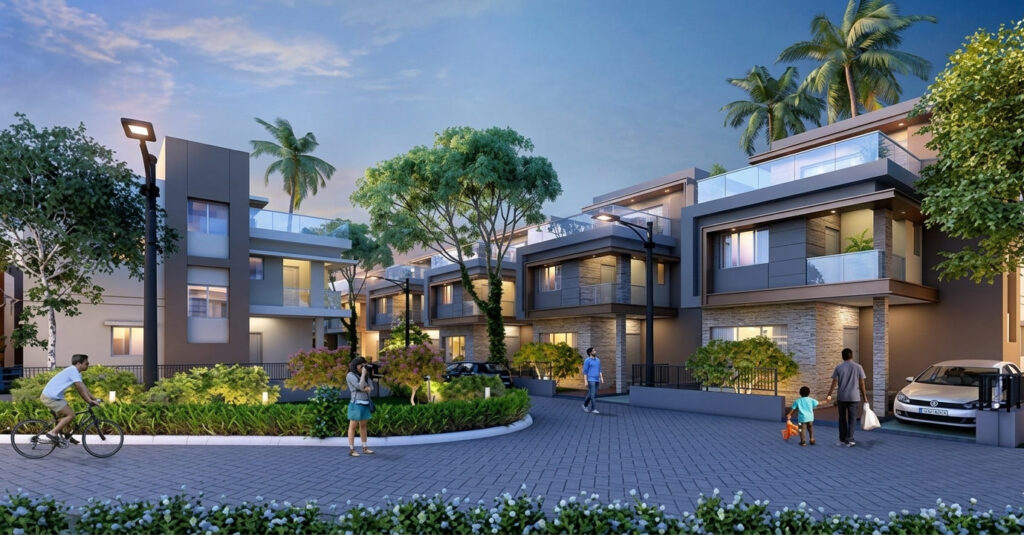
Quick Summary
This article explores how horizontal, low-density living in villa communities mitigates professional stress and improves health. It highlights the benefits of physical separation of workspaces, private green areas, and dedicated communal spaces in supporting personal recovery. It also contrasts villa living with standard high-rise structures to provide a clear view of modern housing choices.
The Modern Search for Balance: Beyond the Traditional Apartment
Modern professionals face a persistent challenge: the blurring of lines between professional duties and private life. As digital connectivity permits work to enter the household at any hour, the layout of standard apartments often struggles to accommodate these shifts. High-density structures frequently pack living spaces, home offices, and recreation areas into limited square footage, leading to constant cognitive distraction and stress.
Why are professionals moving away from cramped apartments?
High-rise apartments present specific structural challenges that can hinder personal recovery. Shared walls transfer ambient noise, high occupancy rates increase elevator wait times, and a lack of private outdoor areas can make residents feel confined. These factors create an environment of continuous external stimulation. When a home fails to offer a quiet sanctuary, the mind remains in a state of alert, making it difficult to transition out of work mode after business hours.
As a response, professionals are re-evaluating their housing priorities. The focus is shifting from simple proximity to office hubs to the overall quality of the immediate environment. Horizontal housing options offer a structural solution to the stresses of high-density city living, allowing individuals to establish clear boundaries between their public responsibilities and private lives. By choosing environments that prioritize physical distance and lower population density, homeowners can protect their personal time from the intrusion of work-related worries.
How does space affect daily mental health?
Environmental psychology shows that spatial volume directly affects stress levels. Rooms with higher ceilings and generous floor plans promote lower baseline heart rates and reduced cortisol levels. When physical boundaries are restricted, cognitive load increases because the brain must constantly process clutter and spatial limitations. This lack of breathing room can lead to irritability and a sense of constant confinement.
In contrast, spacious floor layouts allow for the physical division of daily activities. When a home has separate rooms for professional tasks, physical exercise, and family interactions, the brain associates specific zones with distinct states of mind. This spatial separation supports psychological transitions, helping residents disconnect from work demands when they move into leisure areas of the home. This simple division of space forms the foundation of modern domestic wellness.
Physical Space and its Psychological Impact
The layout of a home plays a major role in how residents manage their daily schedules. Unlike typical apartments, where a single room might serve as a bedroom, office, and media center, villa layouts provide distinct zones for different activities. This physical separation is foundational to establishing healthy boundaries in remote and hybrid work setups.
How do dedicated workspaces inside villas reduce professional stress?
A dedicated home office, separated from the living areas by structural partitions or entire floors, creates a physical boundary for professional activity. When a resident enters this space, it signals the start of the workday. Similarly, leaving the room and closing the door at the end of the day provides a clear psychological finish to professional tasks. This helps prevent work from spilling over into family time and evening relaxation, protecting the household from continuous professional demands.
For professionals seeking premium environments, purchasing luxury independent villas in Noida represents a major step toward physical and mental decompression. These properties are designed to keep professional activities separate from family life, with dedicated studies and quiet zones that allow for deep focus without interrupting household routines. This structural separation is a vital tool for maintaining long-term productivity and mental health.
Why is private outdoor space essential for modern decompression?
Private outdoor areas, such as lawns, terraces, and courtyards, act as immediate retreats from digital screens. Spending time in a private yard allows for quick outdoor breaks during the workday, which can help lower stress. These open areas provide opportunities for light exercise, gardening, or quiet reflection, supporting mental recovery throughout the day and reducing the fatigue associated with extended screen use.
Additionally, these private outdoor spaces offer a safe, personal area for children and pets to play, reducing the need to visit crowded public parks. The convenience of stepping directly onto green lawns from a living room helps make outdoor relaxation a natural part of the daily routine, rather than an activity that requires planning and travel. Over time, this ease of access to fresh air and natural sunlight contributes to a more balanced, relaxed lifestyle.
Community Design and Well-being Initiatives
Beyond individual homes, the design of a villa community plays a key role in supporting healthy lifestyles. Modern developments are planned with low-density layouts, open green spaces, and integrated recreation areas. This physical layout encourages social connection and physical activity, helping residents build healthier daily habits without leaving their immediate neighborhood.
How do planned community layouts encourage active lifestyle choices?
Villa communities are often designed with dedicated walking paths, cycling lanes, and landscaped parks that are closed to heavy vehicle traffic. This safe, accessible infrastructure makes it easy for residents to incorporate physical activity into their daily routines. Having pedestrian-friendly spaces close to home reduces the effort needed to exercise, making morning walks or evening jogs a regular, low-stress habit that helps clear the mind after work.
When assessing long-term investment, partnering with a legacy of trust in home construction ensures that the architectural layout prioritizes safety, ventilation, and social cohesion. Experienced developers design these communities with careful attention to layout, ensuring that walking paths are shaded, parks are centrally located, and vehicular traffic is routed away from residential zones. This thoughtful master planning results in a secure environment where families can walk, play, and interact safely.
What is the role of shared recreation hubs in preventing professional burnout?
Shared amenities like clubhouses, swimming pools, tennis courts, and fitness centers provide convenient options for recreation within the neighborhood. These facilities allow residents to engage in active hobbies without having to travel outside the community, saving time and energy after a long workday. They also serve as natural social spaces, helping neighbors connect and build a supportive community environment that enhances overall quality of life.
This social aspect is helpful in reducing the isolation that can sometimes accompany remote work. Interacting with neighbors in casual, non-professional settings helps build a sense of belonging and support, which is an important factor in managing work-related stress and maintaining long-term well-being. These shared interactions turn a physical neighborhood into a supportive social network.
Comparing Living Formats for Professional Wellness
To understand the wellness benefits of villa living, it is helpful to compare it to other common housing formats. Those evaluating the latest real estate projects in Delhi NCR often note that horizontal housing layouts offer superior privacy metrics compared to vertical high-rises. This comparison highlights how different housing structures impact daily lifestyle and overall wellness, helping buyers make more informed decisions.
| Living Metric | High-Rise Apartments | Villa Communities |
|---|---|---|
| Noise Levels | Higher: shared walls and floors transmit sounds easily. | Lower: independent structures prevent sound transfer. |
| Private Green Space | Limited to small balconies or shared common parks. | Generous: private lawns, courtyards, and terraces. |
| Workspace Separation | Difficult: study desks are often set up in bedrooms. | Excellent: multi-level layouts provide dedicated offices. |
| Population Density | High: crowded elevators, parking lots, and amenities. | Low: quiet streets and uncrowded facilities. |
Architectural Integration of Nature and Serenity
The architectural philosophy behind modern villa design emphasizes natural light, ventilation, and outdoor views. These design elements are carefully chosen to improve indoor air quality and create a calm atmosphere, which is helpful in lowering daily stress and encouraging mental clarity.
What role does biophilic design play in contemporary homes?
Biophilic design focuses on connecting indoor living spaces with the natural environment. In modern villas, this is achieved through large windows, open courtyards, and indoor planter beds. These features maximize natural light throughout the day, helping to regulate the body’s natural circadian rhythms and support better sleep patterns, which are vital for overall energy and focus.
For families looking for independent homes with modern amenities, the integration of private yards and personalized study rooms creates a natural boundary between professional tasks and personal relaxation. These homes are designed to ensure that natural greenery is visible from almost every room, creating a calm atmosphere that helps reduce the stress of a busy workday and encourages relaxation at home.
How do sound insulation and low density improve sleep quality?
Quality sleep is a foundation of mental and physical health. High-density residential buildings often suffer from structural noise, such as footsteps from upper floors or plumbing sounds from adjacent units, which can disrupt rest. In contrast, independent villas do not share walls or floors with neighbors, significantly reducing indoor noise levels.
This quiet environment helps residents fall asleep more easily and enjoy deeper, uninterrupted rest. Better sleep improves cognitive function, mood, and focus, making it easier to handle daily work challenges and maintain a healthy, balanced lifestyle. The absence of unwanted sound allows the mind to truly rest and recuperate overnight.
The Long-Term Economic and Emotional Returns of Villa Living
Investing in a villa is more than a financial decision: it is an investment in long-term wellness. While high-rise apartments often depreciate over time as structures age, land-based assets like villas generally maintain or increase their value. This financial security provides peace of mind, which is an important element of overall life satisfaction and long-term security.
Is investing in a villa community a viable path to sustainable living?
Yes, villa communities are well-suited for adopting sustainable living practices. Because residents have control over their own physical structure and land, they can implement long-term environmental upgrades that are difficult to coordinate in multi-family buildings. These upgrades not only reduce utility expenses but also lower the household’s environmental footprint, contributing to a healthier living space.
Many villa owners install solar energy panels, setup rainwater harvesting systems, and create organic gardens on their property. Additionally, having private space allows for the installation of personal electric vehicle charging ports, supporting a transition to sustainable transportation. These sustainable practices support a healthier lifestyle and offer protection against rising utility costs over time, ensuring the home remains an asset for future generations.
Furthermore, developers like Heritage Prime design these communities with sustainable master plans, incorporating native landscaping and efficient waste management systems. This focus on environmental design ensures that the entire neighborhood supports a balanced, healthy lifestyle for generations to come, combining financial prudence with personal well-being.
Frequently Asked Questions
Do villa communities require high maintenance compared to apartments?
While villas require more personal attention than high-rise apartments, modern gated communities resolve this by providing managed maintenance services. Common areas, security systems, parks, and external plumbing are typically maintained by a professional property management company, allowing residents to enjoy the benefits of independent living with minimal daily hassle.
How do independent villas support remote work setups?
Independent villas offer multiple levels and spacious layouts, allowing residents to design dedicated home offices away from high-traffic family areas. This structural separation reduces interruptions, improves focus during video meetings, and makes it easier to disconnect from professional tasks at the end of the day, helping to maintain healthy boundaries.
Are villa communities safe for children and senior citizens?
Yes, modern gated villa communities prioritize safety with 24-hour security, CCTV systems, and controlled entry gates. Additionally, because these neighborhoods have low-speed traffic lanes and dedicated pedestrian paths, they provide a safe environment for children to play outdoors and seniors to walk comfortably without the safety concerns of busy city streets.
What long-term wellness benefits do these properties offer?
Living in a low-density community with private outdoor spaces helps reduce daily stress, supports better sleep quality, and encourages physical activity. The combination of quiet indoor spaces, access to private lawns, and recreational amenities makes it easier to maintain an active, balanced lifestyle, contributing to long-term physical and mental well-being.