
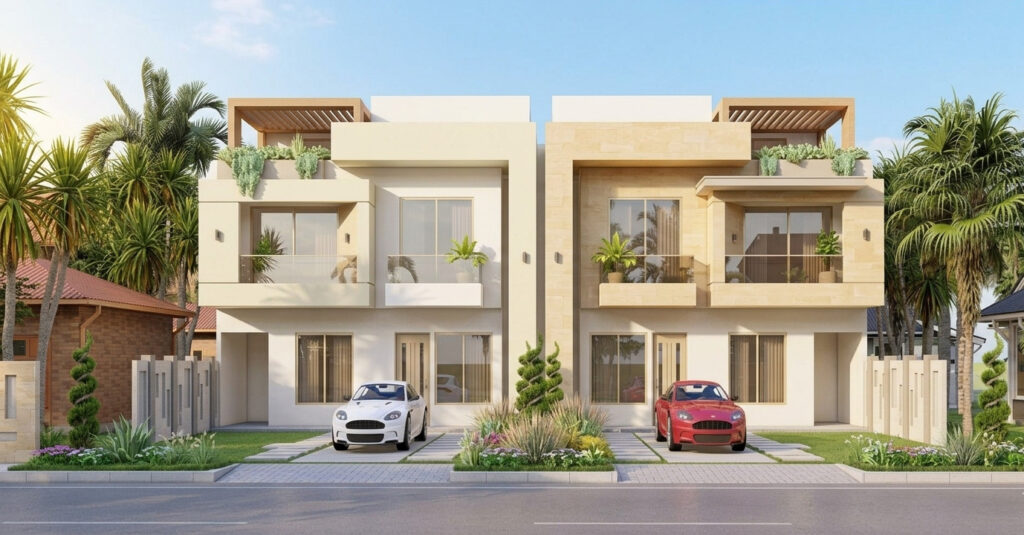
Quick Summary
Residing in a villa environment provides substantial, scientifically documented physical and mental health advantages. By minimizing acoustic pollution, enabling multi-directional cross-ventilation, and providing direct access to private green spaces, standalone homes actively reduce cortisol levels, mitigate respiratory issues, and align natural sleep cycles. This comprehensive review examines the design elements of low-density environments that act as passive healthcare tools, offering a stark contrast to high-density apartment living.
The Impact of Low-Density Living on Mental Wellbeing
How does reduced noise pollution in villa estates affect stress levels?
Living in densely populated environments exposes residents to a continuous hum of low-frequency noise. Sounds from adjacent apartment units, communal plumbing systems, and structural vibrations keep the sympathetic nervous system in a state of mild, chronic alertness. In contrast, villa residences are physically separated from neighboring structures, introducing a buffer zone of open air and vegetation that significantly dampens acoustic transmission. This acoustic isolation directly correlates with lowered systemic cortisol production. When noise pollution is minimized, the brain can fully enter the parasympathetic nervous system state, facilitating authentic relaxation and physiological recovery. Research in urban health consistently indicates that individuals residing in quieter, low-density settings report a lower incidence of tension headaches, cardiovascular strain, and generalized stress.
What role does personal space play in lowering daily anxiety?
Human psychology is inherently tied to spatial boundaries. In high-density settings, the frequent intrusion into one’s immediate physical zone, whether in shared elevators, lobby areas, or parking structures, triggers subconscious defensive instincts. Having a spacious private boundary, such as a detached home, gives residents absolute control over their environment. This control fosters a deep sense of security and psychological comfort, which directly mitigates anxiety. When individuals have dedicated areas for relaxation, work, and leisure within their home, the risk of domestic stress decreases, allowing for healthier family relationships and a more balanced mental state.
Air Quality and Respiratory Health Advantages
How does private green cover improve microclimate air quality?
Air quality remains a primary concern for individuals living in rapidly expanding urban centers. Multi-story developments often suffer from localized air stagnation, where particulate matter remains suspended at breathing levels. Villa developments, particularly those designed with generous plot boundaries, allow for private green cover that acts as a natural particulate filter. Broadleaf trees, manicured lawns, and perimeter shrubs trap airborne dust and absorb gaseous pollutants like carbon dioxide and sulfur dioxide. This localized filtration produces a cleaner microclimate directly around the home. For families seeking this level of environmental control, purchasing luxury independent villas in Noida presents an effective way to secure a healthier respiratory environment, combining modern residential luxury with the biological advantages of expansive private yards.
Can spacious living layouts reduce the indoor accumulation of household allergens?
Indoor air pollution is frequently higher than outdoor pollution, largely due to stagnant air trapped in tightly sealed, single-aspect apartments. Standalone homes benefit from multi-directional cross-ventilation. By placing windows and doors on all four sides of the structure, natural pressure differences pull fresh air through the living spaces while expelling stale air, pet dander, mold spores, and volatile organic compounds (VOCs). This continuous air exchange reduces allergen build-up, offering substantial relief to individuals suffering from asthma, seasonal allergies, or chronic respiratory conditions.
Physical Fitness and Active Lifestyles in Spacious Environments
How do private gardens and expansive pathways encourage daily physical activity?
The physical effort required to engage in movement is a major determinant of daily activity levels. In a standard apartment setting, the sequence of actions needed to access outdoor green space involves multiple barriers, such as using elevators, navigating crowded common areas, and traveling to public parks. This friction often leads to sedentary behavior. A villa environment, however, integrates the outdoors directly with the indoors. Having a private backyard or garden just steps away dramatically lowers the barrier to physical movement, encouraging impromptu walks, gardening, yoga, and play. Investing in a home within a planned low-density development, such as the Ayodhya Enclave luxury villa project, provides direct access to expansive private plots and community walking pathways, making physical movement a natural, effortless part of the daily routine.
Why are dedicated recreational spaces in low-density communities superior for athletic pursuits?
In high-density complexes, communal sports facilities, swimming pools, and gyms are shared among hundreds of families. This often leads to overcrowding, scheduling conflicts, and hygiene concerns, discouraging regular exercise. Low-density estate structures ensure that recreational amenities are used by fewer residents, translating to cleaner, quieter, and highly accessible facilities. This exclusivity supports structured fitness regimens, enabling families to engage in swimming, tennis, or jogging without the stress of managing crowds or waiting for equipment.
Comparing Health Metrics: High-Rise Apartments vs. Villa Communities
To understand the objective health differences between these two residential styles, we can evaluate specific physiological and environmental metrics. The following comparative data highlights how spatial layouts and density impact daily health parameters over time:
| Health Dimension | High-Rise Apartment Living | Villa Environment Benefit |
|---|---|---|
| Acoustic Exposure | High ambient noise levels (55-70 dB) due to shared walls and ceilings. | Low acoustic stress (30-40 dB) protected by physical structural buffers. |
| Indoor Air Circulation | Single-aspect ventilation; higher accumulation of airborne allergens and dust. | Multi-directional cross-ventilation promoting rapid dispersal of airborne irritants. |
| Sedentary Behavior Risk | Higher due to vertical separation from ground-level green spaces. | Lower due to immediate access to private yards and step-free outdoor access. |
| Circadian Regulation | Limited to single-direction windows, reducing natural morning light exposure. | All-around natural light exposure optimizing sleep-wake circadian pathways. |
Natural Light, Circadian Rhythms, and Sleep Quality
Why do four-sided open villa architectures optimize daylight exposure?
Most standard multi-family apartments are bounded by adjacent units on two or three sides, restricting natural light intake to a single facade. This structural limitation often leaves central areas of the home dark, requiring artificial lighting during the day. Standalone villas, featuring isolated, four-sided open architectures, receive sunlight from all directions throughout the day. This abundant exposure optimizes daylight penetration across all primary living zones. Sunlight regulates melatonin and cortisol cycles in the human body, helping align internal circadian rhythms with the natural day-and-night cycle. Regular exposure to natural morning light helps individuals feel more alert during the day, reducing daytime sleepiness and boosting cognitive function.
What is the relationship between architectural design and better sleep hygiene?
A direct consequence of improved circadian alignment is enhanced sleep quality. When the body receives clear, natural light signals during the day, it produces adequate melatonin at night to induce deep, restorative sleep. The absence of vibrations and low-frequency noise from neighboring apartments further prevents mid-sleep awakenings. Consequently, villa residents experience more consistent Rapid Eye Movement (REM) and deep-sleep cycles. This architectural connection to sleep health is why modern home designs focus heavily on large, strategically placed windows and skylights, creating a peaceful sanctuary for nightly recovery.
Private Agricultural Spaces and Nutritional Autonomy
How does kitchen gardening in private yards foster clean eating habits?
The physical structure of a villa, featuring private lawns and courtyards, offers unique opportunities for self-sufficient nutrition. In a high-rise, growing food is usually restricted to small balcony herb pots. Villa residents have the space to establish functional kitchen gardens, growing organic vegetables, herbs, and fruits. Cultivating a personal garden ensures a steady supply of fresh, chemical-free food, while also encouraging a diet rich in whole, plant-based items. The physical act of gardening also offers notable psychological and physiological benefits. Interacting with soil microbes, specifically Mycobacterium vaccae, has been scientifically shown to stimulate serotonin production in the brain, functioning as a natural antidepressant. This combination of nutritional independence and physical stress reduction highlights how spatial autonomy supports long-term health. Real estate developer Heritage Prime has observed a growing demand for such health-conscious living spaces. When planning a move to a health-focused home, partnering with a legacy of trust in home construction ensures that your residence is built using safe, non-toxic materials on plots optimized for personal landscaping and organic gardening.
Social Wellness and the Power of Low-Density Communities
How does a low-density community foster secure social connections without overcrowding?
Human social health operates on a delicate balance: while isolation can lead to loneliness, overcrowding can cause social exhaustion and withdrawal. High-density buildings often force residents into constant, superficial interactions in busy common areas, which can lead to stress. In contrast, low-density villa neighborhoods offer a balanced setting where residents can choose when and how they socialize. Broad, quiet streets and private yards encourage positive, unhurried interactions among neighbors. This supportive environment helps build authentic, supportive friendships, which are crucial for long-term emotional wellbeing. Families can socialize in a relaxed setting, cultivating strong community bonds without the noise and pressure of overcrowded spaces.
Designing a Health-First Villa Home
To maximize the health advantages of a villa, certain design features should be prioritized during planning or renovation. A health-focused architectural approach incorporates natural elements and structural systems to promote physical and mental well-being:
- Biophilic Design Integration: Incorporate indoor courtyards, green walls, and large windows that frame views of private gardens, maintaining a constant visual connection to nature.
- Advanced Cross-Ventilation: Use high-performance window placements on opposite walls to harness wind patterns, ensuring natural air exchange and reducing reliance on air conditioning.
- Natural Acoustic Insulation: Use multi-layered brickwork, insulated glass windows, and dense landscaping along boundary walls to absorb outside noise, maintaining quiet interiors.
- Non-Toxic Building Materials: Select low-VOC paints, natural stone flooring, and sustainably sourced timber to eliminate toxic indoor gas emission, keeping indoor air clean.
- Dedicated Wellness Spaces: Designate specific rooms or quiet outdoor zones for meditation, yoga, or home fitness, separating physical health practices from work and sleep areas.
By combining modern building techniques with natural landscape designs, a villa becomes a proactive space for health and wellness. If you want to explore layouts designed to support a balanced, healthy lifestyle, you can get in touch with our real estate consultants to review tailored options that fit your family’s wellness priorities.
Frequently Asked Questions
How does living in a villa specifically help children’s development and physical health?
Villa environments give children immediate, safe access to private outdoor spaces, which encourages daily physical play and reduces screen time. This active lifestyle supports motor skill development, cardiovascular fitness, and healthy sleep patterns. Additionally, exposure to diverse, non-pathogenic microbes in private yards helps build a stronger immune system, reducing the risk of allergies and asthma compared to children growing up in enclosed apartment settings.
Can the architectural layout of a villa actually reduce chronic pain or mobility issues?
Yes, custom villa architectures can be designed with ground-level master suites, open-plan layouts, and zero-threshold entryways that eliminate the need for climbing stairs. For individuals managing arthritis or mobility issues, this single-level ease of movement reduces joint strain and lowers the risk of slips or falls, promoting a more comfortable, pain-free daily experience.
How does a villa environment improve cognitive function and work-from-home productivity?
The lack of distracting noises, such as footsteps from upper floors or common hallway chatter, creates a quiet atmosphere that helps with focus. Additionally, ample natural light and views of green spaces help reduce eye strain and mental fatigue. This setting supports higher cognitive processing speeds, sustained attention, and better problem-solving abilities, making it an ideal environment for remote work.
Are the physical health benefits of villa living sustainable during extreme weather conditions?
Yes, because villas offer superior control over climate and indoor air quality. During periods of high heat or air pollution, a villa’s thick building envelope, custom insulation, and advanced indoor filtration systems can keep the indoor environment healthy and comfortable. Meanwhile, private indoor courtyards and sunrooms allow residents to enjoy light and plants even when weather conditions restrict outdoor activities.