
Quick Summary
The Yamuna Expressway region is undergoing a massive economic transformation. Driven by the upcoming Noida International Airport, the proposed Film City, and systematic industrial planning, this corridor has evolved from a speculative land market into a highly structured real estate hub. This article provides a deep dive into connectivity upgrades, price trends, comparative residential choices, and strategic guidelines for prospective property buyers.
The Mega Infrastructure Shift Along Yamuna Expressway
How does Noida International Airport change the real estate landscape?
The construction of the Noida International Airport at Jewar is the most significant economic driver in Northern India today. Unlike traditional aviation projects, this airport is designed as a massive aerotropolis, integrating commercial offices, hospitality sectors, cargo terminals, and retail hubs. The physical manifestation of this project has cleared doubts regarding the viability of long-term investments along the highway, turning nearby sectors into primary targets for corporate capital.
As global logistics firms and airlines prepare for operations, the demand for warehousing and commercial offices has increased. This commercial demand naturally creates a secondary need for local housing, as thousands of professionals, administrative staff, and technicians seek residences close to their workplaces. Consequently, land values in neighboring sectors have risen steadily, reflecting the transition from speculative valuation to utility-driven pricing.
What roles do the Film City and Medical Device Park play?
Beyond the aviation hub, specialized industrial sectors are diversifying the local economy. The upcoming Film City, planned across 1,000 acres in Sector 21, is designed to accommodate modern production facilities, post-production suites, and outdoor sets. This development is expected to attract media professionals, technology vendors, and tourism services, creating a localized service economy that will support commercial and hospitality real estate.
Simultaneously, the Yamuna Expressway Industrial Development Authority has allocated dedicated sectors for heavy and light manufacturing. The Medical Device Park and the Toy Park are key examples of this initiative, designed to reduce import dependence and boost local manufacturing. These corporate zones provide a stable economic base, ensuring that the corridor does not rely solely on real estate buyers, but is instead supported by active manufacturing and industrial employment.
How does the region compare to international aviation cities?
Globally, regions surrounding major international airports, such as Incheon in South Korea or Schiphol in the Netherlands, show a consistent pattern of rapid commercial growth. The Yamuna Expressway is following a similar trajectory, where land within a thirty-kilometer radius of the airport is being zoned for high-density commercial and residential use. This strategic planning prevents the haphazard growth often seen in older industrial zones, ensuring a structured approach to urban expansion.
Connectivity and Transport Advancements
How does the expressway connect key parts of Northern India?
The Yamuna Expressway is a six-lane, 165-kilometer highway that connects Greater Noida with Agra, passing through Aligarh, Mathura, and Hathras. This highway has reduced travel times between Delhi NCR and western Uttar Pradesh, facilitating the seamless movement of agricultural goods, manufactured products, and tourist traffic. By acting as a primary link to major tourist destinations, the highway supports a steady flow of regional business.
The highway is also designed to integrate with other major expressways, including the Eastern Peripheral Expressway. This link allows commercial vehicles to bypass Delhi entirely when traveling to Haryana or northern parts of Uttar Pradesh, reducing logistics costs and traffic congestion. This extensive connectivity makes the industrial sectors along the highway highly attractive to manufacturing firms looking for efficient distribution networks.
What are the transit systems planned for the future?
To support the expected population growth, local authorities are developing a comprehensive public transport network. Plans are underway to extend the Noida Metro Aqua Line, creating a direct rail connection from Noida sectors to the Jewar Airport. This metro link will make commuting practical for thousands of daily workers, reducing reliance on private vehicles and improving overall traffic flow.
Additionally, feasibility studies for a high-speed rail corridor linking Delhi to the airport are progressing. This system will allow air passengers from central Delhi to reach the airport in under an hour, integrating the new aviation hub into the capital’s existing transport network. These public transport initiatives will make the surrounding sectors viable residential choices for professionals working in central NCR.
How will the proposed Pod taxi system and Metro extension influence daily commutes?
The planned introduction of a personal rapid transit system, commonly known as a Pod taxi network, represents a major step forward for local transit. This system will connect the Jewar Airport directly to the upcoming Film City, allowing visitors and professionals to travel between key hubs quickly. Combined with the expanded Metro network, these local transport options will help mitigate the traffic congestion that often affects rapidly developing suburban corridors.
Investment Demographics and Property Value Trends
Why are corporate players investing heavily in this corridor?
Large corporate enterprises, electronics manufacturers, and global logistics providers require large, flat tracts of land with direct highway access, a requirement that is increasingly difficult to meet in mature markets like Gurgaon or Delhi. The Yamuna Expressway authority provides pre-cleared, industrial-zoned land with robust utility hookups, making it an attractive option for companies looking to establish large manufacturing bases or distribution centers.
Additionally, the state government offers targeted incentives for industrial units, including subsidies on land acquisition, stamp duty exemptions, and streamlined single-window clearances. This supportive regulatory environment has encouraged major tech companies and mobile assembly units to establish factories along the corridor, bringing stable corporate capital to the region.
How have property rates shifted over the last five years?
Property rates along the expressway have experienced a steady upward trend as key infrastructure milestones have been reached. In the initial phases, the market was characterized by low transaction volumes and speculative pricing. However, as road construction advanced and airport contracts were signed, land values began to stabilize and grow, reflecting a more mature and secure investment environment.
The following table outlines the average price trend of residential plots within key sectors managed by the local development authority over the past five years:
| Year | Average Plot Price (INR per sq.m) | Approximate YoY Growth | Primary Market Driver |
|---|---|---|---|
| 2020 | 16,000 – 18,500 | Baseline | Early land acquisition and initial airport planning |
| 2021 | 20,000 – 24,000 | 25% | Signing of concession agreement for Jewar Airport |
| 2022 | 28,000 – 33,000 | 38% | Commencement of physical construction at airport site |
| 2023 | 38,000 – 45,000 | 36% | Launch of Film City tender and industrial park allotments |
| 2024 | 48,000 – 58,000 | 27% | Trial runs at Jewar Airport and metro link planning |
What are the current commercial zoning patterns?
The local authority has adopted a balanced approach to zoning, allocating land for green belts, light industries, high-density residential buildings, and retail zones. Commercial sectors are located near highway exit points and transit stations, ensuring easy access and reducing traffic congestion in nearby residential neighborhoods.
Comparing Residential Options in Yamuna Expressway and Noida
What makes this region different from established sectors?
Established cities within the National Capital Region offer mature retail markets, functioning school systems, and ready-to-move housing, but their higher entry costs limit the potential for rapid capital appreciation. The high price per square foot in mature areas makes large property acquisitions difficult for many individual buyers.
In contrast, the Yamuna Expressway corridor offers lower entry prices, allowing investors to secure larger land parcels or residential units for a comparable investment. While immediate access to commercial shopping centers and schools is still developing, the long-term appreciation potential is higher, making it an attractive option for long-term real estate portfolios.
Why are buyers looking for long-term luxury residences nearby?
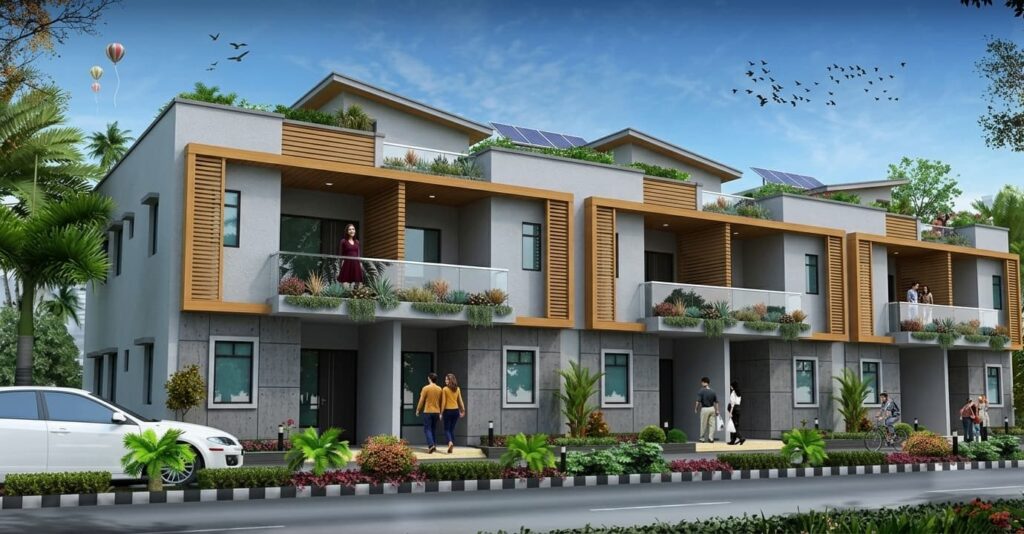
As the industrial and airport sectors develop, there is a growing demand for high-end housing to accommodate corporate executives and business owners. Many buyers prefer the privacy and control of standalone properties over high-rise apartments, driving interest in well-planned villa communities.
Investors who prioritize immediate rental yields or near-term relocation often look to established markets for immediate security, evaluating high-quality premium villas for sale. These mature properties offer immediate occupancy and stable rental income, while long-term investments along the expressway continue to mature and appreciate.
How does population density compare between mature and emerging sectors?
Established NCR markets are characterized by high population density, leading to traffic congestion and strain on local utility networks. The Yamuna Expressway region, planned under modern municipal guidelines, limits building heights and sets strict green space requirements, aiming to maintain lower density and a better quality of life as the population grows.
Strategic Planning and Real Estate Standards
What is the role of reputable developers in shaping this region?
The development of a new real estate market depends heavily on the quality of its developers. Experienced builders ensure projects comply with local master plans and structural safety guidelines, helping to establish buyer confidence in emerging markets.
Working with a reputable real estate developer in NCR ensures that projects are built to high standards and delivered with clear, unencumbered land titles. This professional oversight helps reduce the risks associated with buying land in developing areas, ensuring project completion and protecting buyer investments.
Why should buyers look at secure gated communities?
Gated communities offer integrated infrastructure, such as dedicated water filtration plants, underground power lines, and internal security systems, which are often lacking in unorganized land developments. These managed properties provide a more reliable living environment and tend to maintain their value better over time.
For example, organized projects like the Ayodhya Enclave luxury villa project show how structured layout planning, wide internal roads, and integrated green spaces can boost investor confidence in emerging zones. These communities protect property values from local infrastructure deficiencies, making them a preferred choice for both end-users and long-term investors.
How does Master Plan 2041 safeguard investor interests?
The Yamuna Expressway Master Plan 2041 outlines clear zoning guidelines for residential, commercial, industrial, and green spaces. This framework prevents unapproved constructions and ensures that public services, such as sewage treatment plants and electrical substations, are constructed alongside residential areas, supporting long-term property values.
Making the Right Investment Decision
What are the primary risks and mitigations for land buyers?
Land acquisition in rapidly developing corridors carries risks, particularly regarding land title clarity and developmental delays. Buyers should prioritize properties that have been approved by the Real Estate Regulatory Authority (RERA) and are located within master-planned authority sectors to minimize legal and zoning disputes.
Additionally, buyers should verify the financial health of the developer and confirm that all necessary environmental and municipal approvals are in place. Securing home loans from major financial institutions can also serve as an informal verification step, as banks perform their own legal and financial due diligence before approving projects.
How can one begin evaluating properties in the NCR?
Evaluating an emerging market requires analyzing master plans, visiting sites, and understanding local price trends. Working with professional advisors can help buyers identify properties that align with their financial goals and risk tolerance.
To understand the long-term appreciation models of these fast-developing sectors, serious buyers can get in touch with our real estate consultants for comprehensive portfolio assessments. Heritage Prime remains dedicated to analyzing market trends objectively, helping buyers make secure and informed decisions in the evolving National Capital Region.
What is the recommended holding period for maximum returns?
Real estate investments along the Yamuna Expressway are best suited for medium to long-term horizons, typically between five and seven years. This holding period allows major infrastructure projects, like the airport expansion and metro extensions, to become fully operational, driving substantial capital appreciation.
Frequently Asked Questions
What is the master plan timeline for the Jewar Airport operational phase?
The first phase of the Noida International Airport at Jewar is scheduled to begin commercial operations by late 2024 or early 2025, following extensive trial runs and safety clearances. This phase includes a single runway and a passenger terminal designed to handle approximately 12 million passengers annually. Subsequent phases will expand the airport’s capacity, adding runways and cargo terminals over the next two decades.
Are there direct transport connections between Noida and Yamuna Expressway?
Yes, the Yamuna Expressway starts directly at the end of the Noida-Greater Noida Expressway, providing a seamless highway connection. Future public transport plans include an extension of the Noida Metro Aqua Line and a proposed high-speed rapid rail system, both designed to link Noida’s commercial sectors with the Jewar Airport.
What types of residential properties are available along the Yamuna Expressway?
The region offers a mix of residential options, including authority-allotted plots, private group housing societies, integrated townships, and luxury villas. While high-rise apartments provide affordable entry points, gated villa communities and independent plots are highly sought after by investors seeking long-term land value appreciation.
How does the RERA framework apply to properties in this region?
All private residential and commercial real estate projects along the Yamuna Expressway must be registered with the Uttar Pradesh Real Estate Regulatory Authority (UP RERA). This registration ensures that developers adhere to declared construction timelines, maintain transparent escrow accounts, and resolve buyer disputes under a structured legal framework.