
Quick Summary
This editorial provides a detailed examination of how major public infrastructure investments serve as primary drivers for real estate capital appreciation. By analyzing the mechanics of transit-oriented development, peripheral expressways, and commercial megaprojects, we detail the predictable phases of property valuation spikes. We also present structural frameworks for identifying high-yield micro-markets early, avoiding risks associated with project delays, and understanding how sustainable development shapes long-term asset resilience.
The Mechanics of Infrastructure-Led Real Estate Growth
How does new transport infrastructure directly affect property valuation?
The relationship between public infrastructure and property value relies on the basic economic principle of accessibility. When public authorities invest in highways, metro lines, or deep-water ports, they reduce travel times and transportation costs. This reduction in physical friction makes previously remote locations accessible to employment centers. Consequently, land values rise to reflect this newfound utility. Economists refer to this as bid-rent theory, where individuals pay higher premiums for locations with lower commute times. The initial announcement of a major infrastructure project triggers speculative buying, driving prices upward before construction begins. A secondary, more stable wave of appreciation occurs when the project becomes fully operational, as actual residents and commercial enterprises move in to capitalize on the completed connectivity.
What is the transit-oriented development model?
Transit-oriented development (TOD) represents a urban planning strategy that concentrates housing, commercial spaces, and public services within walking distance of public transit hubs. This model maximizes land-use efficiency and fosters highly walkable communities. From a real estate perspective, TOD zones experience higher demand and lower vacancy rates compared to isolated suburban developments. The density allowances granted in TOD zones often permit developers to build higher vertical structures, maximizing the yield per square foot of land. Investors targeting these zones benefit from sustained renter demand, as modern urban populations increasingly prioritize pedestrian accessibility and reduced car dependency.
The Multiplier Effect of Expressways and Mass Transit
Why do highway expansions shift suburban housing dynamics?
Highway expansions and peripheral expressways alter the physical boundaries of metropolitan areas. When high-speed corridors connect outer-ring suburbs to primary business districts, the geographic pool of viable residential options expands. Suburban areas that were once considered too distant transform into practical residential choices for middle-income households. This shift relieves pressure on crowded city centers while fueling suburban housing developments. Developers acquire large land parcels at lower cost bases in these emerging corridors, allowing them to offer spacious homes with modern amenities at competitive prices. Over time, these suburban corridors mature, attracting retail centers, schools, and healthcare facilities, which further solidifies their residential appeal. For consistent updates on these suburban shifts, readers can consult the NCR real estate blog and market insights to monitor emerging residential pockets.
How does connectivity spark commercial hub creation?
Improved transit infrastructure does not merely serve commuters; it acts as a catalyst for localized commercial activity. When transport hubs handle large volumes of daily commuters, retail brands, restaurants, and professional offices cluster around these points to capture foot traffic. This concentration of commercial activity creates localized employment nodes, reducing the necessity for long-distance travel. The presence of commercial hubs subsequently attracts higher-quality residential projects, creating a self-reinforcing economic loop. As business activity intensifies, corporate offices seek presence near these connected hubs to ensure easy access for their workforce, driving commercial rental yields upward.
Identifying High-Yield Micro-Markets Before the Boom
What indicators suggest a location is primed for infrastructure investment?
Discerning investors do not wait for roads to be paved before identifying opportunities; they analyze planning documents and budget allocations. Key indicators of upcoming infrastructure investments include municipal master plans, public-private partnership announcements, and state budget approvals. When local governments allocate significant capital to utility expansions, sewage systems, and electrical substations in a particular sector, it serves as a precursor to larger transport projects. Additionally, tracking zoning changes from agricultural or industrial to residential or commercial use can signal a planned urban expansion before developers begin acquiring land.
How do land acquisition patterns reveal future hotspots?
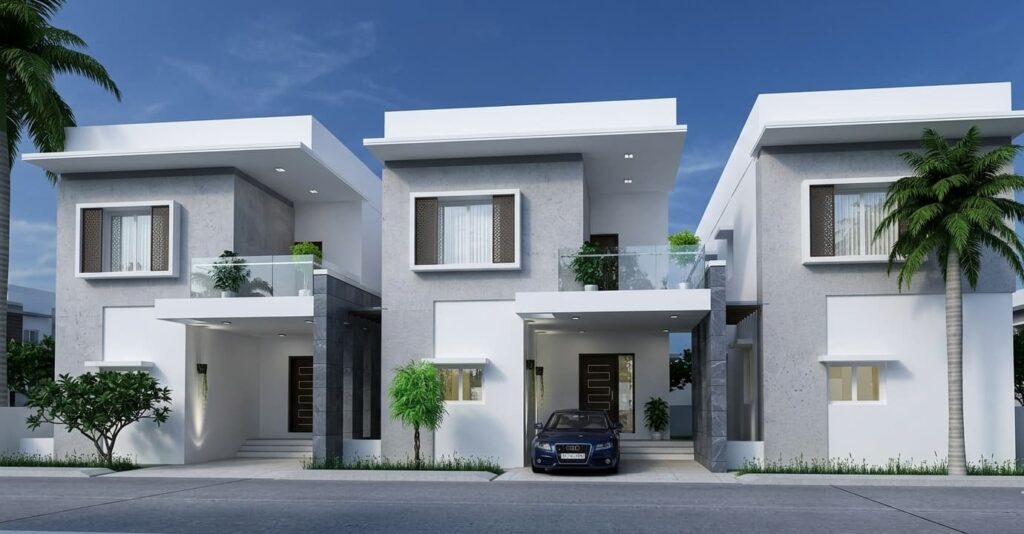
Land acquisition by major real estate developers provides a reliable signal of future micro-market growth. Large institutional developers conduct exhaustive feasibility studies before committing capital to raw land. When multiple prominent developers acquire adjacent parcels in a previously overlooked area, it indicates anticipation of infrastructure improvements. These early-stage developments often materialize as master-planned townships that offer superior living environments. For instance, projects like the Shyam Kunj Villas luxury township demonstrate how early alignment with regional expansion corridors provides buyers with spacious, high-quality independent homes with modern amenities before localized infrastructure reaches full maturity.
Comparative Case Analysis: Public Transit vs. Commercial Megaprojects
Which infrastructure type yields the highest long-term premium?
Different infrastructure types yield varying appreciation curves. While public transit projects like metro lines generate steady, long-term residential demand, commercial megaprojects like international airports or special economic zones trigger rapid commercial appreciation. Heavy transit infrastructure tends to stabilize rental markets by ensuring a steady stream of middle-income tenants. On the other hand, major employment hubs, such as tech parks and manufacturing corridors, draw high-income professionals, driving the demand for luxury housing. A balanced portfolio often combines properties near transit nodes for stability with investments near economic zones for high capital gains. Research from development analysts at Heritage Prime indicates that properties located within one kilometer of a major transit station experience significantly lower volatility during market downturns.
The following table compares the typical impact of different infrastructure categories on nearby real estate sectors:
| Infrastructure Category | Appreciation Gestation Period | Primary Real Estate Beneficiary | Risk Level |
|---|---|---|---|
| Metro and Light Rail Transit | Medium (3 to 5 years) | Affordable and Mid-segment Housing | Low |
| Expressways and Ring Roads | Long (5 to 8 years) | Suburban Villas and Logistics Parks | Medium |
| International Airports | Very Long (7 to 12 years) | Commercial Offices, Luxury Hotels | High |
| Social Infrastructure (Universities, Hospitals) | Short to Medium (2 to 4 years) | Student Housing, Co-living, Micro-retail | Low |
De-risking Infrastructure-Linked Property Acquisitions
What are the common pitfalls when buying near planned projects?
Investing based on planned infrastructure carries notable risks, primary among which are project delays and administrative hurdles. Many planned highways or metro extensions face budget overruns, land acquisition disputes, or environmental clearance delays. When these timelines stretch, early-stage investors can find their capital locked in stagnant assets that generate no rental yield. Another pitfall is the misalignment between initial speculative pricing and actual market demand. If speculative buying pushes property rates too high during the planning phase, the market may correct itself when the project finally opens, resulting in lower-than-expected returns.
How do regulatory approvals and zoning laws impact timelines?
Navigating the regulatory environment is necessary for secure investing. Local planning authorities frequently update master plans, occasionally changing the alignment of a planned road or the location of a transit station. A property purchased with the expectation of direct highway frontage can lose its value if the final road design bypasses the area or incorporates restrictive access control walls. To protect capital, buyers should scrutinize official regional zoning maps and review development agreements carefully. Understanding our real estate transaction terms and regional legal frameworks ensures that buyers remain protected against structural or planning alterations introduced by municipal authorities during the long construction cycle.
The Future of Smart Cities and Sustainable Infrastructure
How will green corridors and digital connectivity change housing demand?
Modern infrastructure is no longer limited to concrete and steel. Digital connectivity, high-capacity fiber networks, reliable power grids, and sustainable waste management systems have become equally critical. Homebuyers increasingly demand smart-city features, where energy-efficient systems and integrated green spaces improve overall quality of life. Green corridors, dedicated bicycle tracks, and pedestrian-friendly zones are redefining high-end residential spaces. Properties equipped with sustainable infrastructure command a clear market premium because they reduce long-term operational costs and provide healthier living environments for families.
What makes premium gated developments more resilient to urban shifts?
Premium gated developments offer localized solutions to broader urban challenges. By providing independent backup power, secure water management, and dedicated security services, these enclaves insulate residents from municipal service inconsistencies. This self-reliance ensures that properties within these communities retain their value even as surrounding urban environments experience rapid change. Developers focusing on ultra-luxury segments integrate these sustainable elements directly into the planning phase. For example, buyers seeking long-term value preservation often target ultra-luxury homes in Noida, where master-planned spaces, premium build quality, and direct connectivity to regional highways merge to create resilient residential assets.
Frequently Asked Questions
What is the ideal time to buy property near planned infrastructure?
The ideal entry point is during the early construction phase, specifically when land acquisition is finalized and initial construction contracts are awarded. Buying during this phase minimizes the risk of total project cancellation while ensuring acquisition at a price lower than the post-operational valuation.
How do infrastructure projects affect commercial rental yields?
Infrastructure improvements increase foot traffic and improve accessibility for workers, which in turn attracts corporate tenants. Consequently, commercial properties situated near major transport corridors experience higher tenant retention rates and stronger rental growth compared to disconnected properties.
Can over-development around infrastructure corridors lead to a price crash?
Yes, if supply exceeds demand due to rapid, unregulated construction, a localized price correction can occur. However, developments within well-planned zones with strict zoning laws and height restrictions are generally shielded from such supply shocks.
How do buyers verify the status of planned infrastructure projects?
Buyers should verify project statuses through official government portals, regional development authority master plans, and state environmental clearance registries. Relying solely on marketing brochures can lead to inaccurate assumptions regarding timelines and project paths.