
Quick Summary
This study provides a comprehensive analysis of the emerging residential hubs within the expansion zones of Greater Noida. It highlights key growth drivers like the Noida International Airport, transit infrastructure, and the rising demand for low-density luxury housing. Investors and homebuyers will find data-driven comparisons of top sectors, security verification guidelines, and asset performance projections to assist in making highly informed decisions.
Understanding Greater Noida Expansion Zones
What is driving the physical expansion of Greater Noida?
The spatial growth of Greater Noida represents one of the most organized urban planning initiatives in northern India. As the central parts of Noida approach maximum capacity, developers and government authorities have shifted focus toward outer expansion sectors. This outward migration of infrastructure is supported by a series of industrial corridors, IT hubs, and manufacturing networks that require substantial land banks. The availability of contiguous land parcels has allowed planning authorities to design expansive layouts that accommodate both heavy industrial activity and peaceful residential living in distinct sectors. Consequently, the region is transitioning from a speculative investment spot into a preferred destination for permanent residency.
This physical expansion is further accelerated by the rapid decentralization of commercial offices. Large multi-national corporations are establishing regional headquarters along major transit lines, prompting employees to seek housing close to their workplaces. Planning bodies have responded by initiating large-scale land acquisitions to accommodate this demographic shift, ensuring that the new sectors are equipped with comprehensive municipal support systems before residents move in.
How does the master plan shape the future residential hubs?
Under the statutory guidelines of the Master Plan 2041, the Greater Noida Industrial Development Authority has set strict regulations regarding land use and urban density. Unlike older cities that suffered from unplanned growth, these expansion zones feature structured layouts with wide arterials, designated green belts, and dedicated commercial districts. The zoning laws require developers to allocate a significant portion of their project areas to open spaces and landscaped parks. This balanced distribution of land prevents overcrowding and maintains clean air quality, making these sectors highly appealing to families seeking a healthier lifestyle.
Heritage Prime reports that these planning guidelines establish a high benchmark for future urban developments across the National Capital Region. By integrating utility corridors beneath wide roads and prioritizing sustainable waste management facilities, the local authorities are creating residential sectors that can withstand future population growth. This systematic approach reduces the risk of waterlogging, gridlock, and electrical failures, which are common issues in unstructured urban developments.
Key Micro-Markets for Residential Investment
Which sectors offer the best low-density housing options?
Low-density housing sectors are the primary focus for selective homebuyers who value personal space and quiet surroundings. Sectors situated along the peripheral corridors, such as Sector 150 and the sectors adjacent to the Yamuna Expressway, are specifically zoned for low-density projects. These areas restrict the height of structures and require wider gaps between buildings, ensuring that every residence has access to natural sunlight and fresh air circulation. The local planning rules limit the floor area ratio, preventing developers from building congested, high-density residential towers.
These sectors also feature large central parks, sports facilities, and recreational clubs, providing a peaceful environment away from the busy industrial districts. Homebuyers looking for long-term comfort are prioritizing these low-density sectors, as they offer a much higher quality of life compared to older, high-density developments in central Noida and Delhi.
Why are luxury villa developments gaining traction in these zones?
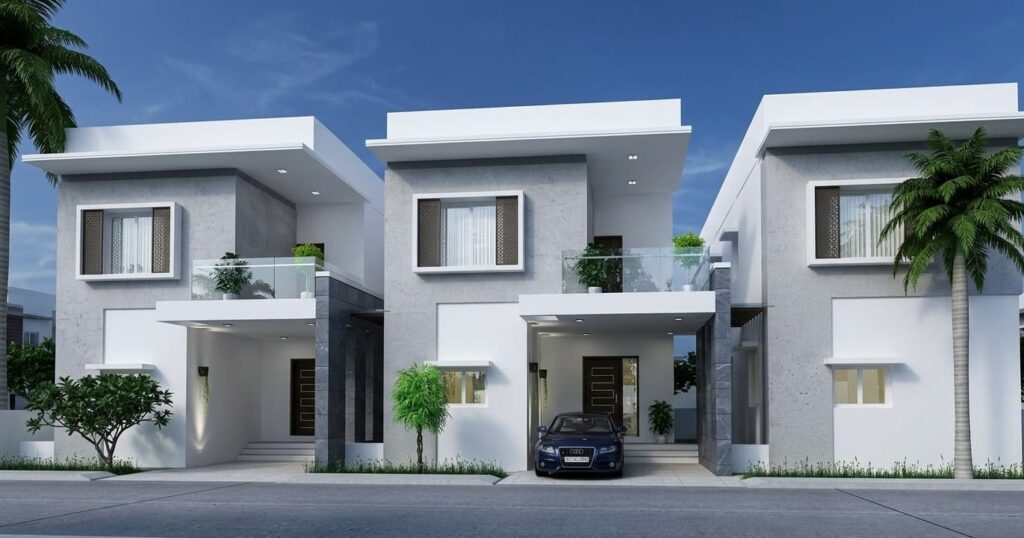
A notable trend in these expansion zones is the growing demand for horizontal properties. Modern buyers are increasingly looking for independent living spaces that offer private lawns, personal parking spaces, and custom architectural layouts. This preference is particularly strong among corporate executives and business owners who seek a refined lifestyle within secure, gated communities. Developers are responding to this trend by launching master-planned villa developments that feature advanced security systems, private clubhouse access, and premium landscape designs.
This shift in consumer preference has fueled interest in premium horizontal properties, similar to the high-demand ultra-luxury homes in Noida which set a high standard for suburban luxury living. These properties combine the independence of a standalone home with the safety and shared amenities of a premium residential society, ensuring a stable and premium living experience.
Infrastructure Megaprojects Driving Demand
How does the Noida International Airport impact local real estate values?
The construction of the Noida International Airport at Jewar is the most significant catalyst for property appreciation in the entire region. This international aviation hub is designed to handle massive passenger volumes and freight traffic, positioning the surrounding expansion zones as an international business corridor. The airport is attracting multi-national manufacturing companies, high-tech enterprises, and hospitality groups, which in turn creates a substantial number of jobs. This economic activity drives a continuous demand for quality residential housing in the immediate and neighboring sectors.
The airport development also brings massive public investment in regional infrastructure, including high-speed rail links, dedicated metro corridors, and expanded highway networks. This comprehensive connectivity ensures that residents can travel easily to central Delhi and other parts of the National Capital Region, boosting property values and rental demand in these expanding sectors.
What roles do the Yamuna Expressway and Eastern Peripheral Expressway play?
The Yamuna Expressway and the Eastern Peripheral Expressway serve as major transport arteries that connect these expansion zones with neighboring states and key industrial cities. The Eastern Peripheral Expressway allows heavy commercial vehicles to bypass Delhi, reducing traffic congestion and air pollution in the residential sectors. At the same time, the Yamuna Expressway provides high-speed connectivity to Agra and Central Uttar Pradesh, facilitating seamless travel for leisure and business.
These major expressways are flanked by planned industrial hubs, electronics parks, and toy cities, creating a vibrant employment ecosystem. The proximity of residential sectors to these major transit networks ensures that professionals can enjoy a short commute to work while living in well-planned, modern communities with modern facilities.
Comparative Analysis of Expansion Sectors
To assist potential buyers in making informed choices, the table below provides a detailed comparison of key residential sectors within the Greater Noida expansion zones, evaluating their current pricing trends, primary connectivity advantages, and prevailing residential formats.
| Sector / Zone | Primary Housing Types | Key Connectivity Advantages | Target Buyer Profile |
|---|---|---|---|
| Sector 150 (Sports Zone) | Low-Density Apartments & Villas | Noida-Greater Noida Expressway, Sector 148 Metro Station | High-net-worth individuals, corporate professionals |
| Greater Noida West (Sectors 1, 10, 12) | Mid-Rise and High-Rise Societies | Link Road to Noida, upcoming Metro extension | Young professionals, middle-income families |
| Yamuna Expressway (Sectors 18, 20) | Authority Plots & Independent Homes | Direct access to Noida International Airport, Yamuna Expressway | Long-term investors, retirement home buyers |
As illustrated by this data, the expansion zones cater to a wide range of investment strategies and lifestyle preferences. Sector 150 focuses on premium, green-centric living, while Greater Noida West remains a popular hub for high-quality, mid-income apartments with shared community amenities. The Yamuna Expressway sectors offer excellent opportunities for investors seeking high capital growth driven by the upcoming international airport, particularly through planned authority plots and horizontal land investments.
Developer Credentials and Investment Security
How can buyers verify land titles in the expansion zones?
Investing in emerging real estate markets requires careful due diligence to protect capital from legal disputes. Buyers must verify that the project is registered with the Uttar Pradesh Real Estate Regulatory Authority (UP RERA) and check the registration details on the official online portal. It is also important to request the land allotment letter issued by the Greater Noida Industrial Development Authority (GNIDA) or the Yamuna Expressway Industrial Development Authority (YEIDA). This document confirms that the developer has legal ownership of the land and has cleared the required payments with the local government.
Reviewing a developer’s compliance records alongside checking the legal terms and service conditions of the initial allotment prevents long-term litigation. Buyers should hire an experienced legal professional to examine the title deeds, checking for any outstanding bank loans or legal disputes that could delay the transfer of property ownership.
Why is partnering with established national developers critical?
Established developers with a strong track record of successful projects offer a much higher level of security for homebuyers. These developers have the financial stability to withstand market shifts, ensuring that construction continues without delays. They also tend to have better access to institutional funding and maintain high standards of construction quality. In contrast, smaller or less experienced builders may struggle with rising material costs or regulatory compliance, which can lead to project delays or unfinished developments.
Buyers should seek companies possessing a proven legacy of trust in home construction to guarantee that their capital remains secure throughout the construction phase. Selecting a reputable developer with a history of timely deliveries ensures that your home will be completed according to the agreed specifications and handed over on schedule.
Villas Versus High-Rise Apartments in Greater Noida
What makes gated community plots and independent villas more resilient assets?
Independent villas and residential plots within gated communities typically experience faster capital appreciation than high-rise apartments. This is primarily because land is a scarce resource that naturally appreciates over time, whereas concrete building structures depreciate. Gated villa communities provide residents with complete control over their physical living space, allowing for future expansions or customized layouts. This flexibility, combined with the privacy of having no shared walls or ceilings, makes these properties highly desirable and resilient during market downturns.
Investing in an exclusive residential community in Delhi NCR ensures both physical security and steady asset appreciation due to land scarcity in mature micro-markets. This type of investment provides a solid financial foundation and a peaceful lifestyle, as these low-density horizontal developments remain highly sought after by high-net-worth families.
Are modern high-rise societies in Greater Noida West still viable?
High-rise residential societies in Greater Noida West continue to offer practical and cost-effective housing options for a large segment of the market. These projects feature an array of shared amenities, including multi-tier security systems, power backup, swimming pools, fitness centers, and retail shops. For young working professionals and nuclear families, these self-contained societies provide an easy, convenient lifestyle close to key employment centers in Noida and Greater Noida.
From an investment perspective, high-rise apartments provide a steady source of rental income due to the high demand from corporate employees working in nearby IT parks. The lower entry price compared to independent villas makes them accessible to first-time buyers, ensuring consistent interest and high transaction volumes in the secondary market.
Long-Term Capital Appreciation and Rental Yields
What are the anticipated capital growth rates over the next decade?
The long-term outlook for capital growth in the Greater Noida expansion zones is supported by positive economic and demographic trends. Based on historical trends and planned infrastructure developments, average property prices in these sectors are projected to grow at a steady annual rate of eight to twelve percent over the next decade. The completion of key projects like the international airport, the expanded metro routes, and new industrial parks will drive this growth, attracting more businesses and residents to the region.
Rental yields in these expansion zones are also expected to rise as more commercial offices and IT parks open. Properties situated close to major corporate hubs and transit lines will see the strongest demand, providing landlords with a reliable source of income and steady capital appreciation. This combination of strong rental demand and capital growth makes the expansion zones an attractive choice for both long-term investors and homebuyers looking to build wealth.
Frequently Asked Questions
What is the current status of the Noida International Airport construction?
The development of the Noida International Airport at Jewar is progressing rapidly, with phase one testing underway. The airport is scheduled to begin commercial passenger operations shortly, which will immediately improve local transport links and boost property values across the nearby expansion zones of Greater Noida.
How does the Greater Noida Industrial Development Authority (GNIDA) handle new land acquisitions?
GNIDA acquires land under strict statutory regulations, ensuring fair compensation for local land owners. This organized process creates clear, dispute-free land banks, which are then planned and allocated to trusted private developers and public infrastructure projects.
Is it safe to invest in authority plots versus private developer projects?
Both options can be secure if proper due diligence is conducted. Authority plots offer high legal security and clear titles directly from GNIDA or YEIDA. Private developer projects within gated communities often provide better amenities and ready-to-use facilities, provided they are fully registered with UP RERA.
How are green spaces and ecological balances preserved in the expansion master plan?
The Master Plan 2041 mandates that a significant portion of the total land area in the expansion zones must be reserved for green belts, public parks, and eco-friendly open spaces. Developers must comply with strict environmental guidelines, including rainwater harvesting and solar energy integration, to maintain a healthy ecological balance.