
Quick Summary
This study provides an exhaustive evaluation of the peripheral regions of Greater Noida, detailing their structural growth drivers, economic catalysts, and long-term capital appreciation. Readers will discover the specific corridors leading the expansion, the transformative impact of the Noida International Airport at Jewar, comparative valuation metrics against core municipal sectors, and practical guidance on carrying out safe real estate acquisitions in emerging zones.
The Geographic Expansion of Greater Noida: Identifying the Key Peripheral Corridors
Which specific peripheral zones are seeing the highest development?
The spatial development pattern of the National Capital Region (NCR) has shifted dramatically over the past decade. As core areas in Noida and central Greater Noida approach saturated density, municipal expansion is pushing outward toward clearly defined peripheral corridors. The primary zones driving this outward movement include the Yamuna Expressway corridor, the sectors adjacent to the Dadri industrial node, and the expanding boundaries of Greater Noida West. These regions, which once consisted mainly of agricultural holdings, are undergoing structured transformation into planned municipal zones. This shift is guided by the master plans of the local development authorities, which have designated specific sections for high-density residential use, industrial expansion, and green buffer zones.
The Yamuna Expressway corridor, particularly Sectors 18, 20, and 22D, represents the most significant physical expansion in terms of land area. These sectors are designed to support a self-contained urban population with expansive road widths, dedicated commercial zones, and pre-allocated spaces for civil utility centers. Further north, the peripheral sectors bordering Dadri and the National Highway 91 are growing because of their proximity to established railway networks and industrial freight pathways. Market observers like Heritage Prime point out that these peripheral land parcels represent the next phase of urban accumulation, offering large-scale land planning opportunities that are no longer possible within central city limits.
What makes the Outer Sector corridor highly attractive to long term buyers?
Long-term buyers are primarily attracted to these outer sectors because of the significant entry-level price advantage and the quality of modern urban layout design. Unlike older urban centers that grew organically and often suffer from congested utility systems, the peripheral sectors of Greater Noida are planned with wide arterial roads, underground wiring systems, and dedicated rainwater harvesting zones. This structural foresight minimizes the future risk of water logging, power instability, and severe traffic bottlenecks, making these areas highly liveable for future generations.
Additionally, the large size of these peripheral land holdings allows for the development of highly integrated townships. Developers in these areas can design master plans that feature expansive central parks, dedicated cycling paths, in-house waste management units, and integrated shopping complexes. For long-term investors, buying into these early-stage master plans offers a strong chance for steady capital appreciation as regional infrastructure matures over the coming years.
Infrastructural Catalysts Driving Land Appreciation
How does the upcoming Noida International Airport at Jewar impact peripheral real estate?
The construction of the Noida International Airport at Jewar is the most significant economic driver for the peripheral zones of Greater Noida. This major infrastructure asset is not merely an aviation hub, it functions as a global economic catalyst that is transforming the surrounding land use patterns. The airport has drawn substantial domestic and foreign direct investment into logistics, hospitality, manufacturing, and commercial aviation services, which in turn creates a sustained demand for housing in nearby residential sectors.
The direct access to air cargo facilities is also attracting electronics manufacturing clusters, pharmaceutical units, and auto-component manufacturers to the Yamuna Expressway Industrial Development Authority (YEIDA) zones. As these corporate entities set up operations, they bring a large workforce of technical professionals, administrative staff, and executives. This employment influx is generating immediate demand for rental housing, serviced apartments, and planned residential communities within a 20 to 30 kilometer radius of the airport site, driving up land values and rental yields in these outer sectors.
What role does the expansion of Metro connectivity and expressways play?
While the airport provides global integration, the expansion of local transit infrastructure ensures daily accessibility for residents. The planned extension of the Aqua Line Metro deep into the peripheral sectors of Greater Noida West and along the Yamuna Expressway is a key factor in reducing travel times to Noida and New Delhi. Transit-oriented development along these metro corridors ensures that residential clusters remain closely linked to major employment hubs without adding to road congestion.
Simultaneously, the Eastern Peripheral Expressway (EPE) acts as a critical bypass, routing commercial freight traffic away from local city roads while providing peripheral residents with direct, high-speed access to Haryana, western Uttar Pradesh, and northern Delhi. This network is further strengthened by local link roads, underpasses, and elevated corridors designed to streamline daily travel, making the peripheral sectors a highly practical choice for middle-management professionals working across the wider National Capital Region.
Comparative Market Analysis of Peripheral vs. Core Micro-Markets
To understand the economic advantage of investing in the peripheral areas of Greater Noida, it is helpful to look at a direct comparison of current real estate indicators against the established, mature core sectors of the city.
| Market Metric | Core Greater Noida (Alpha, Beta, Delta) | Peripheral Greater Noida (Yamuna Exp., Outer Sectors) |
|---|---|---|
| Average Land Price (per sq. mtr.) | INR 75,000 – INR 1,10,000 | INR 35,000 – INR 55,000 |
| Annual Capital Appreciation Rate | 6% – 8% (Stable) | 12% – 18% (High Growth Phase) |
| Settlement Density | High (75% – 90% occupied) | Low to Moderate (20% – 40% occupied) |
| Development Focus | Redevelopment and retail infills | Integrated smart townships & custom builds |
What factors explain the price divergence between core and peripheral regions?
The clear price difference shown above is primarily due to the current stage of local municipal infrastructure and immediate occupancy levels. Core sectors like Alpha, Beta, and Delta are fully developed, with mature green spaces, operational schools, commercial markets, and direct metro access. These established areas command a premium because they are ready for immediate use, leaving little room for sudden speculative price spikes or rapid capital appreciation.
In contrast, peripheral areas are in their primary growth phase. While basic infrastructure like main roads and electricity sub-stations are in place, the secondary infrastructure, such as neighborhood retail centers, local clinics, and public parks, is still being built. This temporary developmental gap keeps entry-level land prices low. However, as these essential public amenities are gradually completed over the next few years, the price gap between the peripheral and core sectors is expected to narrow quickly, offering early buyers substantial capital gains.
Residential Typologies: From High-Rise Apartments to Premium Gated Communities
Why are plotted developments and independent villas gaining preference over standard apartments?
The preferences of urban home buyers in northern India have shifted toward low-density residential options. While high-rise apartments were once favored for their convenience, modern buyers increasingly value personal space, privacy, and long-term control over their physical property. Plotted developments and independent villas offer the unique advantage of land ownership, allowing families to build custom, multi-generational homes that can be expanded or modified over time.
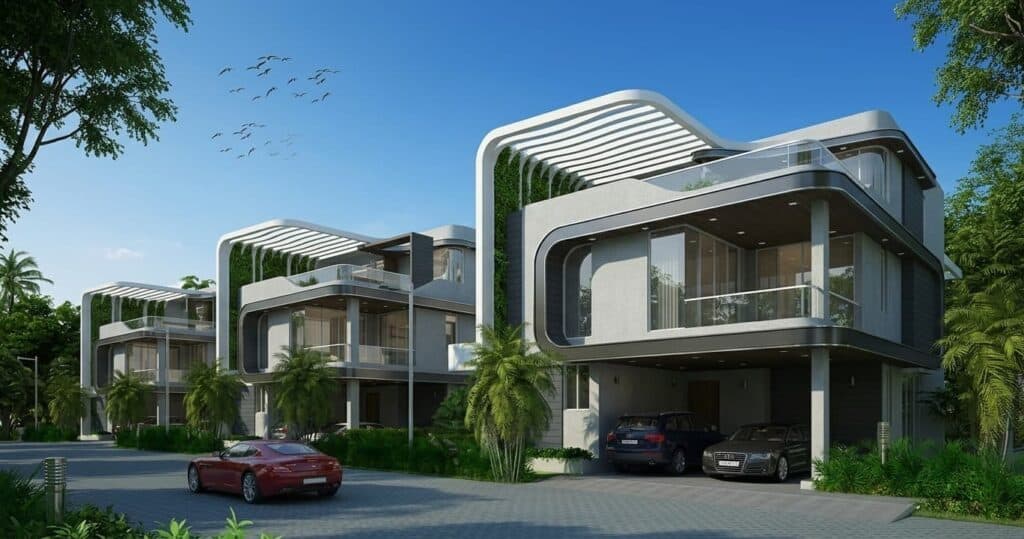
This trend is particularly clear among high-income professionals, corporate executives, and business owners who want to escape crowded urban centers without sacrificing modern lifestyle comforts. Consequently, many luxury seekers are turning to premium developments, including options like the ultra-luxury homes in Noida and its peripheral belts. These properties offer substantial private space, personal gardens, and custom architecture, satisfying the growing demand for exclusive, low-density living spaces in emerging suburban areas.
How are community security and structured amenities shaping buyer choices?
Modern buyers are looking for more than just a home, they are choosing fully integrated neighborhoods that prioritize safety, community, and wellness. In peripheral sectors where municipal police presence and public infrastructure are still developing, master-planned gated communities offer vital peace of mind. Buyers are willing to pay a premium for properties that feature advanced multi-tier security systems, perimeter monitoring, professional facility management, and strict access control.
Furthermore, these communities are designed to provide a resort-style living experience. Developers are incorporating high-end clubhouses, swimming pools, fitness centers, and green open areas directly into their residential layouts. Secure developments modeled on projects like the exclusive residential community in Delhi NCR show how structured land planning can create safe, self-contained residential enclaves that offer both active lifestyle amenities and solid long-term value security.
Commercial and Industrial Integration in Peripheral Belts
How are systemic multi-modal logistics parks driving local employment?
The long-term success of peripheral residential areas depends heavily on local job creation. The development of multi-modal logistics parks, dry ports, and industrial corridors near Greater Noida and Dadri is key to providing this economic foundation. These industrial parks act as central hubs for shipping, warehousing, and cargo distribution, linking northern India’s manufacturing sectors to major sea ports and global markets.
By creating thousands of direct and indirect jobs in supply chain management, engineering, administration, and corporate logistics, these hubs are building a strong local economy. The professionals employed in these major logistics and manufacturing centers represent a steady, reliable pool of buyers and renters for nearby residential developments, ensuring that peripheral housing market growth is supported by real economic activity rather than speculative trading.
What retail and entertainment infrastructure projects are scheduled to support peripheral housing?
To support the growing residential population, major retail and commercial projects are being fast-tracked across these peripheral zones. Development authorities have designated large commercial belts along the Yamuna Expressway and Greater Noida West to host major shopping centers, multiplexes, and retail blocks. These developments ensure that residents have easy access to shopping, dining, and entertainment without needing to travel long distances into Noida or Delhi.
Additionally, the master plans allocate substantial land for essential institutional services. Prestigious international schools, technical universities, and multi-specialty healthcare facilities are opening branches in these emerging sectors. This planned combination of employment hubs, retail centers, and high-quality educational and healthcare services is turning these peripheral zones into independent, self-contained urban ecosystems.
Legal Due Diligence and Investment Safeguards for Peripheral Properties
What structural legal precautions should buyers take before investing in suburban land?
Investing in emerging urban areas offers excellent growth potential, but it also requires careful attention to legal details to avoid ownership disputes or delayed projects. The most critical step for any buyer is to verify the developer’s land acquisition status and confirm that the project is registered under the Uttar Pradesh Real Estate Regulatory Authority (UP RERA). Buyers should review the developer’s land title deeds, local authority approvals, and structural safety certificates to ensure the project has clear, undisputed rights to build.
It is also vital to carefully read the payment schedules, delay compensation terms, and maintenance agreements before signing any contract. When finalizing transactions in emerging regions, buyers must review developer disclosure files along with specific legal terms and service conditions to avoid transactional challenges or unexpected administrative fees later on.
How do authority master plans protect long-term investments from unplanned commercialization?
The local development authorities, including GNIDA and YEIDA, enforce strict zoning regulations to prevent the chaotic, unplanned development that often impacts older cities. The Master Plan 2041 clearly defines the boundaries of residential, industrial, commercial, and green spaces, ensuring that industrial parks or noisy commercial blocks cannot be built inside quiet residential neighborhoods.
These zoning laws also help maintain healthy air quality and protect public parks, forest reserves, and open green spaces across the peripheral sectors. Partnering with a reputable real estate developer in NCR ensures that construction quality and land titles align with local master plans, which protects the long-term value of the property and ensures a peaceful residential living environment.
Future Price Projections and Strategic Investment Timelines
What is the expected capital appreciation rate over the next five to seven years?
Market research indicates that the peripheral sectors of Greater Noida are positioned for strong capital appreciation over the next five to seven years. Based on historical data from similar infrastructure-led developments across India, land values in these zones are projected to grow at a Compound Annual Growth Rate (CAGR) of 12% to 15% during this development phase. This growth will likely occur in clear stages, with sharp price increases following major project milestones, such as the start of commercial flights from Jewar Airport and the completion of new metro line extensions.
For long-term investors, the ideal investment window is during the initial phases of infrastructure development, before public facilities are fully operational. Once the airport, metro lines, and shopping complexes are complete, entry prices will rise significantly, shifting the market from high-growth capital gains to more stable, rental-driven yields. Strategic buyers who purchase land or premium villas in these emerging sectors today stand to gain the most from this systematic urban expansion.
Frequently Asked Questions
Is it safe to invest in Yamuna Expressway authority plots?
Yes, investing in plots directly allotted by the Yamuna Expressway Industrial Development Authority (YEIDA) is highly secure. Since these plots are managed and distributed by a government body, they come with clear, undisputed land titles and are free from legal encumbrances. However, when purchasing these plots on the resale market, buyers must perform due diligence to verify transfer charges, outstanding authority dues, and the seller’s original allotment documentation.
How far are these peripheral areas from central Noida and New Delhi?
The travel time from Greater Noida’s peripheral sectors to central Noida ranges from 25 to 40 minutes via the Noida-Greater Noida Expressway. New Delhi is approximately 50 to 60 minutes away via the DND Flyway or the Eastern Peripheral Expressway. These travel times are expected to decrease further as new metro connections, underpasses, and road widening projects are completed.
What is the average rental yield in Greater Noida peripheral zones?
Currently, rental yields in these emerging sectors range between 2.5% and 3.5% per year. These yields are supported by the growing workforce in nearby industrial, manufacturing, and IT zones. As local commercial centers and public transport links continue to expand, rental demand is expected to rise steadily, providing property owners with a reliable stream of passive income alongside capital growth.
Are public utilities like water and electricity fully functional in peripheral sectors?
The local development authorities have built high-capacity electrical sub-stations, centralized water supply networks, and structured sewage treatment plants across the peripheral zones. While some emerging sectors still rely on temporary backup systems, the core public utility network is designed to support a large urban population and is being systematically connected to new projects as they near completion.