
Quick Summary
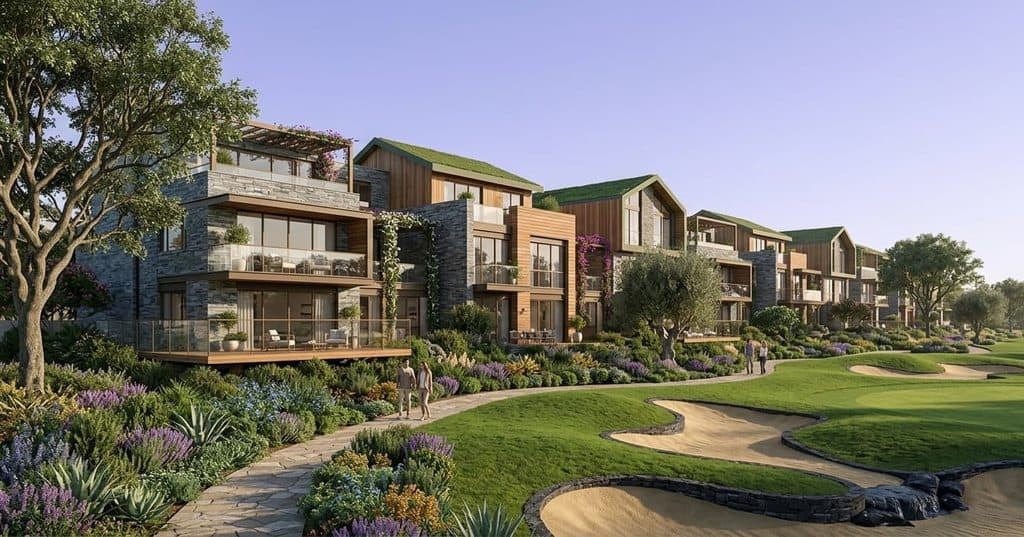
Green areas within residential communities serve as vital ecological, economic, and social infrastructure. They mitigate urban heat island effects, manage stormwater, and significantly improve the psychological and physical health of residents. From a financial perspective, properties adjacent to well-maintained green layouts experience sustained value appreciation and faster sales velocity. Successful modern housing developments prioritize integrated, biodiversity-focused landscaping over simple decorative lawns to ensure long-term resilience and community well-being.
The Evolution of Green Spaces in Urban Planning
Historically, residential planning treated landscaped zones as secondary visual elements, often restricted to perimeter hedges or small decorative lawns. As urban centers expanded and concrete structures began to dominate local environments, the physical and psychological disconnect between human populations and natural habitats became highly pronounced. Modern landscape architecture has shifted its perspective, moving away from mere aesthetic ornamentation to treat open green zones as active, functional ecological infrastructure within residential properties.
Today, planners understand that integrated natural spaces are vital systems that support community health and structural longevity. Developers who coordinate with landscape ecologists during initial master planning phases create properties that balance built-up mass with open soil, native flora, and water retention zones. This balanced approach is particularly noticeable in premium projects where large areas are dedicated to functional forests, community orchards, and natural bioswales rather than simple manicured grass patches.
Why are municipal parks no longer enough for modern families?
While public municipal parks provide recreational space, they often suffer from overcrowding, maintenance deficits, and physical distance from residential neighborhoods. Families seeking daily contact with nature require immediate, secure, and well-managed environments directly outside their doors. Internal community parks eliminate the logistical challenges of travel and safety, allowing children to play independently and senior citizens to walk in secure, clean spaces. This immediate accessibility transforms nature from an occasional weekend destination into a daily lifestyle component, reinforcing healthy habits across generations.
How does access to nature impact long term resident health?
Epidemiological studies consistently show that proximity to vegetated areas reduces systemic stress levels, lowers blood pressure, and improves cardiovascular health. Exposure to phytoncides, chemical compounds released by trees, has been shown to boost immune cell function in humans. Furthermore, by offering dedicated physical space for jogging, cycling, and yoga, residential green sectors naturally encourage active lifestyles. This reduces sedentary behaviors and associated metabolic challenges, creating healthier, more resilient neighborhoods over time.
The Environmental and Microclimate Impact of Community Greenery
Urban microclimates are heavily influenced by the materials used in construction, such as asphalt and concrete, which absorb and radiate solar heat. Residential developments that neglect open ground and vegetative cover find themselves trapped in localized warming zones, which increases cooling demands and power consumption. Strategically positioned tree canopies, green roofs, and grassed areas function as natural cooling agents, altering the thermodynamic profile of the entire neighborhood.
Through the dual processes of shading and evapotranspiration, mature trees and dense shrubbery prevent solar radiation from reaching heat-absorbing surfaces like roads and pavements. This natural temperature regulation lowers ambient air temperatures in the community by several degrees, particularly during peak afternoon hours, which translates to direct energy savings for surrounding households.
How do private parks reduce the urban heat island effect?
Private community parks act as localized cooling sinks. Unlike hard paving, soil and plants do not store heat; instead, they convert incoming solar energy into water vapor, cooling the passing air. When breezes flow across these cooler, vegetated surfaces, they create pleasant convection currents that lower temperatures in nearby residential towers. This dynamic circulation reduces reliance on mechanical air conditioning, cutting carbon emissions and optimizing energy bills for every resident.
What is the role of sustainable landscaping in stormwater management?
Unpaved green zones act as natural sponges during heavy rain events. Instead of overloading municipal storm drains, rainwater penetrates the soil, refilling local aquifers and minimizing localized flooding. Modern community designs utilize bioswales, dry riverbeds, and rain gardens to filter and channel run-off efficiently. This reduces the pressure on concrete drainage infrastructure, lowering long-term repair costs and preventing structural water damage to basement foundations.
Economic Values: Greenery as a Real Estate Driver
There is a strong correlation between the volume of landscaped areas and overall property valuation. Homebuyers are increasingly willing to pay a premium for residences that overlook scenic parklands, mature forests, or manicured gardens. This financial premium is not merely speculative; it reflects a long-term shift in consumer priorities toward health, tranquility, and natural privacy. Real estate developers recognize that high-quality landscaping accelerates sales cycles and supports premium pricing models.
According to market surveys conducted by property research groups, developments featuring high ratios of open green space retain their valuation far better during economic downturns than their highly dense, concrete-heavy counterparts. For investors, purchasing units in developments that prioritize environmental integration offers a reliable hedge against depreciation, ensuring steady capital appreciation and higher rental yields.
Do properties overlooking parks command higher resale values?
Yes, empirical sales data shows that apartments and homes with direct park views command a premium of 15 to 25 percent over identical units facing empty plots or adjacent buildings. The visual relief provided by open, green vistas creates a distinct emotional appeal during property tours. For buyers seeking premium environments, purchasing luxury independent villas in Noida that feature private lawns and adjacent community forests represents a smart investment in both personal lifestyle quality and long-term asset value.
How does sustainable infrastructure decrease monthly maintenance costs?
Incorporating native plants and xeriscaping techniques reduces the volume of water, chemical fertilizers, and manual labor needed to maintain common areas. Unlike delicate exotic turf grass, indigenous trees and shrubs are adapted to the local climate and soil conditions, requiring minimal intervention once established. Additionally, utilizing greywater recycling systems to irrigate these natural zones lowers municipal water bills, reducing the overall monthly maintenance charges for individual apartment owners.
Social Cohesion and Mental Well-being
Urban isolation is a significant challenge in modern high-rise developments, where residents often live in close proximity yet remain socially disconnected. Well-designed outdoor spaces act as natural gathering points, facilitating spontaneous social interactions and fostering a genuine sense of neighborhood identity. Whether through central plazas, community gardens, or shaded benches, these environments break down social barriers and invite residents to spend more time outdoors.
The presence of nature also has a profound restorative effect on the human mind. The concept of biophilia suggests that humans possess an innate connection to the natural world. Regular visual and physical interaction with plants, water features, and birdsong relieves cognitive fatigue, improves concentration, and stimulates creative thinking. For professionals working remotely, having access to peaceful garden spaces offers a vital counterweight to digital screens and domestic confinement.
How do pocket gardens encourage social interactions among neighbors?
Pocket gardens provide cozy, small-scale environments where residents can converse without the noise and activity of large recreational zones. These quiet nooks are perfect for senior citizens to chat, pet owners to meet, and parents to interact while watching their children play. By providing natural meeting spaces, pocket gardens help transform a collection of isolated households into a supportive and tightly knit community.
What does current research say about children growing up near green spaces?
Pediatric and psychological research emphasizes that regular outdoor play in natural settings is vital for healthy childhood development. Children who play in green environments show superior motor coordination, sharper sensory perception, and higher levels of self-discipline compared to those with limited outdoor access. Frequent interaction with natural settings is also associated with reduced symptoms of attention deficit disorders and lower childhood anxiety levels. Industry publications, such as the NCR real estate blog and market insights, frequently highlight how modern family buyers actively filter their housing options based on the availability of child-friendly parks and traffic-free green corridors.
Comparing Green Space Configurations: Podiums versus Ground Level Parks
In dense urban locations, real estate developers often utilize different architectural strategies to deliver open spaces. The two most common configurations are podium-level green decks and ground-level natural parks. Each approach presents distinct engineering requirements, ecological qualities, and resident experiences. Understanding these differences helps buyers select properties that align with their lifestyle preferences and ecological values.
While podium decks utilize modern structural engineering to create pleasant gardens above parking levels, ground-level parks maintain a direct connection with the earth, supporting deep-root trees and natural drainage systems. The table below outlines the key structural and functional differences between these configurations:
| Feature | Podium Green Decks | Ground Level Parks |
|---|---|---|
| Soil Depth Capability | Limited (30 cm to 1.2 meters), restricting plant selection to shallow-root species. | Unlimited, allowing the growth of massive canopy trees and dense shrubs. |
| Rainwater Absorption | Relies on complex drainage pipes; limited natural aquifer replenishment. | Direct infiltration into the earth, replenishing natural groundwater tables. |
| Microclimate Cooling | Moderate; limited by structural heat absorption from concrete levels below. | High; continuous natural cooling through unpaved earth and dense forest foliage. |
| Maintenance Intensity | High; requires constant monitoring of waterproof membranes and automated irrigation. | Low to moderate; native trees and deep soils adapt naturally to seasonal changes. |
Both styles have their place in urban housing, but a balanced master plan often combines both, using podium decks for active sports courts and clean swimming pool areas, while dedicating ground-level zones to quiet, natural forest paths and organic drainage systems.
Designing the Ideal Green Residential Community
Creating functional green areas requires much more than simply sodding over construction sites once the concrete work is done. It demands a holistic understanding of local ecology, prevailing wind directions, seasonal sun paths, and resident demographics. Landscape architects must design these spaces with long-term utility in mind, ensuring they remain resilient through changing seasons and heavy daily use.
A well-planned community park features a balanced mix of open lawns for recreation, dense forested zones for windbreaks and shade, and paved walking paths separated from vehicular traffic. Integrating water bodies, such as bio-ponds or retention streams, not only enhances visual appeal but also creates micro-habitats that attract local bird life, enhancing the overall sensory experience of the community.
What are the key features of an inclusive residential park?
An inclusive residential park meets the needs of all age groups. This means incorporating smooth, wheelchair-accessible pathways, sensory gardens with textured plants for visually impaired individuals, and safe, soft-floored play zones for young children. It should also include quiet, shaded seating areas positioned away from noisy play zones, allowing seniors to read and relax comfortably in the fresh air.
How do developers protect natural biodiversity within urban layouts?
To protect biodiversity, developers must prioritize indigenous plant species over non-native flora. Exotic ornamental plants often fail to support local insect, butterfly, and bird populations, leading to biological dead zones. By planting native berry-producing bushes, wild grasses, and local canopy trees, developers create urban stepping-stones that support regional wildlife. Additionally, minimizing light pollution in these green corridors at night helps preserve the natural patterns of nocturnal insects and migrating birds.
Modern property management companies are also paying close attention to operational security and administrative privacy. When residents register for private park access systems or community management applications, their personal information must be handled under strict user data protection guidelines. This integration of physical safety and digital security ensures that residents can enjoy community parks with peace of mind, knowing their private lives and digital records are fully protected.
Finding the Right Balanced Property in Today’s Market
For prospective buyers, identifying communities that deliver on their ecological promises requires careful assessment. Many projects claim to offer extensive green areas, but a closer look at the master plans often reveals that these spaces are either highly fragmented or planned for future construction phases. Buyers must look past promotional render images and scrutinize the actual site layout, plant selection, and irrigation plans.
Walking through a finished project by the same developer is an excellent way to evaluate their commitment to landscaping. Look at the health of the mature trees, check the cleanliness of water bodies, and observe whether the walking paths are constructed with durable, slip-resistant, and water-permeable materials. This level of diligence ensures your investment will deliver the long-term lifestyle benefits you expect.
What checklists should buyers use when assessing community green space?
When evaluating a potential home, buyers should utilize a structured assessment checklist:
- Ratio of Open Space: Verify that at least 60 to 70 percent of the total project footprint is dedicated to open, unpaved ground, gardens, and community amenities rather than concrete driveways and towers.
- Tree Maturity and Canopy Cover: Check if the developer has preserved existing mature trees during construction or planted older saplings rather than relying solely on slow-growing seedlings.
- Pedestrian-Only Zones: Ensure that major walking trails and recreational parks are completely segregated from vehicular roads and parking zones to guarantee resident safety and clean air.
- Water Management Systems: Ask if the landscape features integrated rainwater harvesting wells, bio-retention ponds, and greywater recycling facilities to ensure sustainable irrigation.
If you are looking to purchase a home that perfectly balances ecological luxury with modern infrastructure, you can get in touch with our real estate consultants to receive a curated list of properties that match your specific environmental and lifestyle requirements.
Frequently Asked Questions
Do residential green spaces increase the monthly maintenance costs of an apartment?
While maintaining extensive landscaping does require ongoing funding, using native plants and smart drip-irrigation systems reduces water and fertilizer costs significantly. In well-designed communities, green areas lower cooling costs and manage stormwater, which offsets the manual labor costs and reduces the overall long-term maintenance expenses for residents.
How can a homebuyer verify if a developer’s green space promises are realistic?
Buyers should verify the approved site master plan submitted to the local real estate regulatory authority (RERA). This official blueprint details the exact layout, open ground percentages, and park locations. It is also helpful to review the developer’s completed projects to assess the long-term quality and maintenance standards of their landscaped areas.
Which is better: a large central park or smaller scattered pocket gardens?
An ideal residential master plan incorporates both. A large central park is excellent for hosting sports activities, community gatherings, and natural retention ponds, while scattered pocket gardens provide quiet, accessible, and wind-sheltered spaces for daily relaxation close to individual residential towers.
Are native plants really better than exotic flora in community landscaping?
Yes, native plants are uniquely adapted to local weather patterns, rainfall, and soil conditions. They require far less watering, are highly resistant to local pests, and require minimal chemical fertilizers. Additionally, they provide essential food and habitat for local birds, butterflies, and pollinators, which helps sustain the surrounding urban ecosystem.Quick Summary
Green areas within residential communities serve as vital ecological, economic, and social infrastructure. They mitigate urban heat island effects, manage stormwater, and significantly improve the psychological and physical health of residents. From a financial perspective, properties adjacent to well-maintained green layouts experience sustained value appreciation and faster sales velocity. Successful modern housing developments prioritize integrated, biodiversity-focused landscaping over simple decorative lawns to ensure long-term resilience and community well-being.
The Evolution of Green Spaces in Urban Planning
Historically, residential planning treated landscaped zones as secondary visual elements, often restricted to perimeter hedges or small decorative lawns. As urban centers expanded and concrete structures began to dominate local environments, the physical and psychological disconnect between human populations and natural habitats became highly pronounced. Modern landscape architecture has shifted its perspective, moving away from mere aesthetic ornamentation to treat open green zones as active, functional ecological infrastructure within residential properties.
Today, planners understand that integrated natural spaces are vital systems that support community health and structural longevity. Developers who coordinate with landscape ecologists during initial master planning phases create properties that balance built-up mass with open soil, native flora, and water retention zones. This balanced approach is particularly noticeable in premium projects where large areas are dedicated to functional forests, community orchards, and natural bioswales rather than simple manicured grass patches.
Why are municipal parks no longer enough for modern families?
While public municipal parks provide recreational space, they often suffer from overcrowding, maintenance deficits, and physical distance from residential neighborhoods. Families seeking daily contact with nature require immediate, secure, and well-managed environments directly outside their doors. Internal community parks eliminate the logistical challenges of travel and safety, allowing children to play independently and senior citizens to walk in secure, clean spaces. This immediate accessibility transforms nature from an occasional weekend destination into a daily lifestyle component, reinforcing healthy habits across generations.
How does access to nature impact long term resident health?
Epidemiological studies consistently show that proximity to vegetated areas reduces systemic stress levels, lowers blood pressure, and improves cardiovascular health. Exposure to phytoncides, chemical compounds released by trees, has been shown to boost immune cell function in humans. Furthermore, by offering dedicated physical space for jogging, cycling, and yoga, residential green sectors naturally encourage active lifestyles. This reduces sedentary behaviors and associated metabolic challenges, creating healthier, more resilient neighborhoods over time.
The Environmental and Microclimate Impact of Community Greenery
Urban microclimates are heavily influenced by the materials used in construction, such as asphalt and concrete, which absorb and radiate solar heat. Residential developments that neglect open ground and vegetative cover find themselves trapped in localized warming zones, which increases cooling demands and power consumption. Strategically positioned tree canopies, green roofs, and grassed areas function as natural cooling agents, altering the thermodynamic profile of the entire neighborhood.
Through the dual processes of shading and evapotranspiration, mature trees and dense shrubbery prevent solar radiation from reaching heat-absorbing surfaces like roads and pavements. This natural temperature regulation lowers ambient air temperatures in the community by several degrees, particularly during peak afternoon hours, which translates to direct energy savings for surrounding households.
How do private parks reduce the urban heat island effect?
Private community parks act as localized cooling sinks. Unlike hard paving, soil and plants do not store heat; instead, they convert incoming solar energy into water vapor, cooling the passing air. When breezes flow across these cooler, vegetated surfaces, they create pleasant convection currents that lower temperatures in nearby residential towers. This dynamic circulation reduces reliance on mechanical air conditioning, cutting carbon emissions and optimizing energy bills for every resident.
What is the role of sustainable landscaping in stormwater management?
Unpaved green zones act as natural sponges during heavy rain events. Instead of overloading municipal storm drains, rainwater penetrates the soil, refilling local aquifers and minimizing localized flooding. Modern community designs utilize bioswales, dry riverbeds, and rain gardens to filter and channel run-off efficiently. This reduces the pressure on concrete drainage infrastructure, lowering long-term repair costs and preventing structural water damage to basement foundations.
Economic Values: Greenery as a Real Estate Driver
There is a strong correlation between the volume of landscaped areas and overall property valuation. Homebuyers are increasingly willing to pay a premium for residences that overlook scenic parklands, mature forests, or manicured gardens. This financial premium is not merely speculative; it reflects a long-term shift in consumer priorities toward health, tranquility, and natural privacy. Real estate developers recognize that high-quality landscaping accelerates sales cycles and supports premium pricing models.
According to market surveys conducted by property research groups, developments featuring high ratios of open green space retain their valuation far better during economic downturns than their highly dense, concrete-heavy counterparts. For investors, purchasing units in developments that prioritize environmental integration offers a reliable hedge against depreciation, ensuring steady capital appreciation and higher rental yields.
Do properties overlooking parks command higher resale values?
Yes, empirical sales data shows that apartments and homes with direct park views command a premium of 15 to 25 percent over identical units facing empty plots or adjacent buildings. The visual relief provided by open, green vistas creates a distinct emotional appeal during property tours. For buyers seeking premium environments, purchasing luxury independent villas in Noida that feature private lawns and adjacent community forests represents a smart investment in both personal lifestyle quality and long-term asset value.
How does sustainable infrastructure decrease monthly maintenance costs?
Incorporating native plants and xeriscaping techniques reduces the volume of water, chemical fertilizers, and manual labor needed to maintain common areas. Unlike delicate exotic turf grass, indigenous trees and shrubs are adapted to the local climate and soil conditions, requiring minimal intervention once established. Additionally, utilizing greywater recycling systems to irrigate these natural zones lowers municipal water bills, reducing the overall monthly maintenance charges for individual apartment owners.
Social Cohesion and Mental Well-being
Urban isolation is a significant challenge in modern high-rise developments, where residents often live in close proximity yet remain socially disconnected. Well-designed outdoor spaces act as natural gathering points, facilitating spontaneous social interactions and fostering a genuine sense of neighborhood identity. Whether through central plazas, community gardens, or shaded benches, these environments break down social barriers and invite residents to spend more time outdoors.
The presence of nature also has a profound restorative effect on the human mind. The concept of biophilia suggests that humans possess an innate connection to the natural world. Regular visual and physical interaction with plants, water features, and birdsong relieves cognitive fatigue, improves concentration, and stimulates creative thinking. For professionals working remotely, having access to peaceful garden spaces offers a vital counterweight to digital screens and domestic confinement.
How do pocket gardens encourage social interactions among neighbors?
Pocket gardens provide cozy, small-scale environments where residents can converse without the noise and activity of large recreational zones. These quiet nooks are perfect for senior citizens to chat, pet owners to meet, and parents to interact while watching their children play. By providing natural meeting spaces, pocket gardens help transform a collection of isolated households into a supportive and tightly knit community.
What does current research say about children growing up near green spaces?
Pediatric and psychological research emphasizes that regular outdoor play in natural settings is vital for healthy childhood development. Children who play in green environments show superior motor coordination, sharper sensory perception, and higher levels of self-discipline compared to those with limited outdoor access. Frequent interaction with natural settings is also associated with reduced symptoms of attention deficit disorders and lower childhood anxiety levels. Industry publications, such as the NCR real estate blog and market insights, frequently highlight how modern family buyers actively filter their housing options based on the availability of child-friendly parks and traffic-free green corridors.
Comparing Green Space Configurations: Podiums versus Ground Level Parks
In dense urban locations, real estate developers often utilize different architectural strategies to deliver open spaces. The two most common configurations are podium-level green decks and ground-level natural parks. Each approach presents distinct engineering requirements, ecological qualities, and resident experiences. Understanding these differences helps buyers select properties that align with their lifestyle preferences and ecological values.
While podium decks utilize modern structural engineering to create pleasant gardens above parking levels, ground-level parks maintain a direct connection with the earth, supporting deep-root trees and natural drainage systems. The table below outlines the key structural and functional differences between these configurations:
| Feature | Podium Green Decks | Ground Level Parks |
|---|---|---|
| Soil Depth Capability | Limited (30 cm to 1.2 meters), restricting plant selection to shallow-root species. | Unlimited, allowing the growth of massive canopy trees and dense shrubs. |
| Rainwater Absorption | Relies on complex drainage pipes; limited natural aquifer replenishment. | Direct infiltration into the earth, replenishing natural groundwater tables. |
| Microclimate Cooling | Moderate; limited by structural heat absorption from concrete levels below. | High; continuous natural cooling through unpaved earth and dense forest foliage. |
| Maintenance Intensity | High; requires constant monitoring of waterproof membranes and automated irrigation. | Low to moderate; native trees and deep soils adapt naturally to seasonal changes. |
Both styles have their place in urban housing, but a balanced master plan often combines both, using podium decks for active sports courts and clean swimming pool areas, while dedicating ground-level zones to quiet, natural forest paths and organic drainage systems.
Designing the Ideal Green Residential Community
Creating functional green areas requires much more than simply sodding over construction sites once the concrete work is done. It demands a holistic understanding of local ecology, prevailing wind directions, seasonal sun paths, and resident demographics. Landscape architects must design these spaces with long-term utility in mind, ensuring they remain resilient through changing seasons and heavy daily use.
A well-planned community park features a balanced mix of open lawns for recreation, dense forested zones for windbreaks and shade, and paved walking paths separated from vehicular traffic. Integrating water bodies, such as bio-ponds or retention streams, not only enhances visual appeal but also creates micro-habitats that attract local bird life, enhancing the overall sensory experience of the community.
What are the key features of an inclusive residential park?
An inclusive residential park meets the needs of all age groups. This means incorporating smooth, wheelchair-accessible pathways, sensory gardens with textured plants for visually impaired individuals, and safe, soft-floored play zones for young children. It should also include quiet, shaded seating areas positioned away from noisy play zones, allowing seniors to read and relax comfortably in the fresh air.
How do developers protect natural biodiversity within urban layouts?
To protect biodiversity, developers must prioritize indigenous plant species over non-native flora. Exotic ornamental plants often fail to support local insect, butterfly, and bird populations, leading to biological dead zones. By planting native berry-producing bushes, wild grasses, and local canopy trees, developers create urban stepping-stones that support regional wildlife. Additionally, minimizing light pollution in these green corridors at night helps preserve the natural patterns of nocturnal insects and migrating birds.
Modern property management companies are also paying close attention to operational security and administrative privacy. When residents register for private park access systems or community management applications, their personal information must be handled under strict user data protection guidelines. This integration of physical safety and digital security ensures that residents can enjoy community parks with peace of mind, knowing their private lives and digital records are fully protected.
Finding the Right Balanced Property in Today’s Market
For prospective buyers, identifying communities that deliver on their ecological promises requires careful assessment. Many projects claim to offer extensive green areas, but a closer look at the master plans often reveals that these spaces are either highly fragmented or planned for future construction phases. Buyers must look past promotional render images and scrutinize the actual site layout, plant selection, and irrigation plans.
Walking through a finished project by the same developer is an excellent way to evaluate their commitment to landscaping. Look at the health of the mature trees, check the cleanliness of water bodies, and observe whether the walking paths are constructed with durable, slip-resistant, and water-permeable materials. This level of diligence ensures your investment will deliver the long-term lifestyle benefits you expect.
What checklists should buyers use when assessing community green space?
When evaluating a potential home, buyers should utilize a structured assessment checklist:
- Ratio of Open Space: Verify that at least 60 to 70 percent of the total project footprint is dedicated to open, unpaved ground, gardens, and community amenities rather than concrete driveways and towers.
- Tree Maturity and Canopy Cover: Check if the developer has preserved existing mature trees during construction or planted older saplings rather than relying solely on slow-growing seedlings.
- Pedestrian-Only Zones: Ensure that major walking trails and recreational parks are completely segregated from vehicular roads and parking zones to guarantee resident safety and clean air.
- Water Management Systems: Ask if the landscape features integrated rainwater harvesting wells, bio-retention ponds, and greywater recycling facilities to ensure sustainable irrigation.
If you are looking to purchase a home that perfectly balances ecological luxury with modern infrastructure, you can get in touch with our real estate consultants to receive a curated list of properties that match your specific environmental and lifestyle requirements.
Frequently Asked Questions
Do residential green spaces increase the monthly maintenance costs of an apartment?
While maintaining extensive landscaping does require ongoing funding, using native plants and smart drip-irrigation systems reduces water and fertilizer costs significantly. In well-designed communities, green areas lower cooling costs and manage stormwater, which offsets the manual labor costs and reduces the overall long-term maintenance expenses for residents.
How can a homebuyer verify if a developer’s green space promises are realistic?
Buyers should verify the approved site master plan submitted to the local real estate regulatory authority (RERA). This official blueprint details the exact layout, open ground percentages, and park locations. It is also helpful to review the developer’s completed projects to assess the long-term quality and maintenance standards of their landscaped areas.
Which is better: a large central park or smaller scattered pocket gardens?
An ideal residential master plan incorporates both. A large central park is excellent for hosting sports activities, community gatherings, and natural retention ponds, while scattered pocket gardens provide quiet, accessible, and wind-sheltered spaces for daily relaxation close to individual residential towers.
Are native plants really better than exotic flora in community landscaping?
Yes, native plants are uniquely adapted to local weather patterns, rainfall, and soil conditions. They require far less watering, are highly resistant to local pests, and require minimal chemical fertilizers. Additionally, they provide essential food and habitat for local birds, butterflies, and pollinators, which helps sustain the surrounding urban ecosystem.