
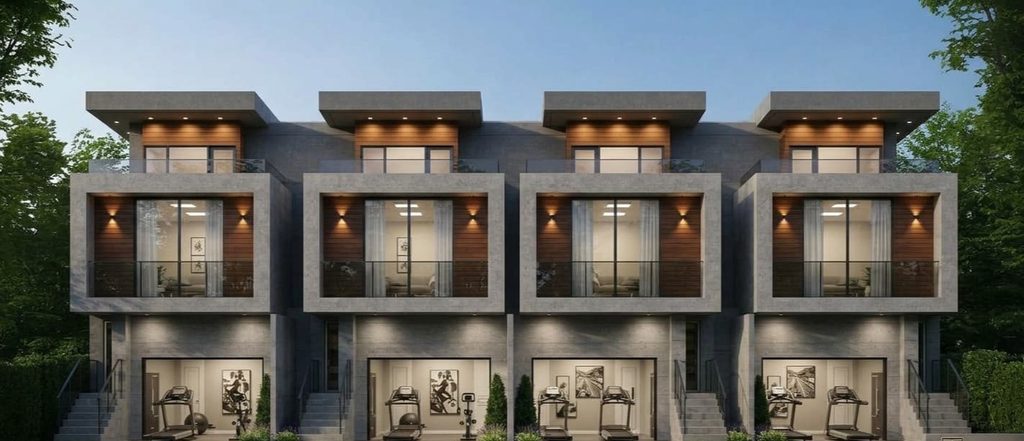
Quick Summary
Eco-friendly residential developments represent a major shift in contemporary housing, combining environmental stewardship with long-term financial efficiency. This comprehensive guide outlines the key metrics buyers must evaluate: from recognized building certifications and water recycling infrastructure to thermal efficiency and indoor air quality standards. By understanding these systems, buyers can accurately distinguish genuine green construction from superficial marketing claims while maximizing their return on investment.
The Evolution of Green Architecture
How did sustainable residential design begin?
The concept of sustainable residential design has evolved from basic conservation efforts into a complex discipline of building science. Early attempts at environmentally friendly housing relied on passive solar positioning and basic insulation techniques. Over successive decades, as climatic volatility increased and resource scarcity intensified, the building industry realized that structures required a more systematic methodology. Today, modern eco-friendly housing operates as an integrated system, where structural elements, energy production, waste management, and water preservation function in unison to minimize environmental footprints.
This systemic integration requires architects and structural engineers to evaluate a home through its entire lifecycle. This lifecycle begins with resource extraction and site clearing, continues through the active occupancy phase, and concludes with eventual demolition or adaptive reuse. Sustainable housing is no longer just about reducing electricity usage, it is about creating a symbiotic relationship between the built environment and local ecosystems. Leading developers now prioritize low-impact construction techniques that preserve existing topsoil and mature trees, recognizing that the natural landscape is an invaluable asset to the property value.
What defines a modern zero-carbon home?
A true modern zero-carbon home is designed to balance its greenhouse gas emissions through highly efficient systems and localized renewable energy production. To achieve this, builders focus on two distinct types of carbon: embodied carbon and operational carbon. Embodied carbon refers to the greenhouse gases generated during the manufacturing, transportation, and assembly of building materials. Operational carbon, on the other hand, comprises the emissions produced during the daily occupancy of the home, including heating, cooling, lighting, and power usage.
Achieving zero-carbon status requires minimizing both metrics. Builders utilize localized materials to lower transportation emissions, while incorporating advanced structural systems to curb operational demands. The structural frame of a zero-carbon home is highly insulated, utilizing materials with high thermal mass to lock in temperature control. Double glazed windows with thermal breaks prevent heat transfer, ensuring that mechanical heating and cooling systems are rarely required to run at maximum capacity. When energy is needed, on-site solar photovoltaic arrays and geothermal pumps generate clean power, often exporting excess energy back to the municipal grid.
Key Technical Indicators of Sustainable Housing
What are IGBC and LEED certifications?
When evaluating sustainable properties, buyers must rely on objective, third-party verifications rather than developer self-reporting. The two most prominent framework standards are the Indian Green Building Council (IGBC) rating systems and the Leadership in Energy and Environmental Design (LEED) certification managed by the U.S. Green Building Council. These institutions grade buildings based on rigorous performance categories, including site selection, water efficiency, energy performance, material selection, and indoor environmental quality.
Properties receive scores that place them in categories ranging from Certified to Silver, Gold, and Platinum status. A Platinum rating indicates that a development utilizes state-of-the-art green building technologies and delivers exceptional operational efficiency. Prospective buyers looking for premium eco-conscious properties will find that projects like the Palm Villas Noida gated community incorporate these precise certification principles, prioritizing reduced resource consumption and high occupant comfort through verified design metrics. Assessing these certificates during the due diligence phase provides clear security that the building will perform as promised over the years.
How does active and passive solar design function?
Passive solar design relies entirely on the structural orientation and physical attributes of the building to regulate temperature and lighting. By orienting a home to maximize winter sun exposure while shielding it from harsh summer glare, architects utilize natural thermal cycles to reduce reliance on air conditioning. South-facing windows in temperate regions, combined with calculated roof overhangs, allow low-angled winter light to penetrate deep into the living spaces while blocking high-angled summer sun. Thermal mass materials, such as concrete, brick, or stone flooring, absorb this heat during the day and slowly release it during cooler evening hours.
Active solar systems complement this passive setup by using mechanical and electrical devices to convert sunlight into usable energy. This includes solar photovoltaic panels mounted on roofs or integrated into building facades, as well as solar thermal collectors that heat domestic water supplies. Modern battery storage systems have enhanced the viability of active solar setups, allowing homeowners to store surplus energy generated during peak daylight hours for use during the night or during power grid fluctuations. The combination of active and passive systems drastically reduces dependence on municipal utilities, providing owners with both financial stability and energy security.
Water Management and Waste Reduction Systems
Why is rainwater harvesting necessary for modern estates?
With municipal water tables depleting rapidly across urban centers, localized rainwater harvesting has become a structural necessity rather than an optional design feature. Rainwater harvesting systems collect precipitation from rooftops, terraces, and paved surfaces, channeling it through filtration units into large underground holding tanks. This harvested water can be utilized directly for non-potable requirements, such as landscape irrigation, vehicle washing, and cooling towers, or directed into recharge wells to replenish local aquifers.
For buyers, a robust rainwater harvesting system mitigates the risk of seasonal water shortages and reduces reliance on expensive, carbon-heavy private water tankers. When reviewing property details, buyers should inquire about the capacity of the holding tanks, the efficiency of the pre-filtration systems, and the design of the overflow channels. Well-engineered developments design these systems to handle extreme rainfall events, preventing localized flooding while maximizing resource capture. For updates on regional micro-market shifts and how local policies affect resource management, reading an authoritative NCR real estate blog and market insights can help prospective buyers track capital appreciation rates for green-certified housing.
What is the role of greywater recycling in reducing utility bills?
Greywater recycling is the practice of collecting wastewater from non-toilet plumbing fixtures, such as showers, bathtubs, washing machines, and bathroom sinks, and treating it on-site for immediate reuse. This water is distinct from blackwater, which comes from toilets and kitchen sinks and contains higher concentrations of organic waste. Greywater treatment systems typically utilize physical filtration, biological treatment, and mild disinfection to remove suspended solids, soap residues, and pathogens, rendering the water safe for irrigation and toilet flushing.
Implementing a dual plumbing system, which separates greywater channels from freshwater lines, allows residential complexes to reduce their freshwater demand by up to 40 percent. This directly correlates to a substantial reduction in monthly utility bills and sewage discharge fees. Furthermore, the treated water provides a consistent supply for maintaining extensive landscaped parks and vertical gardens within the residential estate, preserving the greenery even during dry summer spells without straining municipal reserves.
High-Performance Materials and Indoor Air Quality
What are low-VOC paints and non-toxic building materials?
Modern construction materials often emit volatile organic compounds (VOCs), which are harmful chemicals that slowly vaporize into the indoor air at room temperature. These emissions, known as off-gassing, originate from conventional paints, chemical adhesives, synthetic carpets, and composite wood products. Prolonged exposure to VOCs can lead to respiratory irritation, headaches, and chronic allergic reactions, significantly compromising the health of the occupants.
Eco-friendly residential developments solve this issue by sourcing non-toxic, natural materials. These include low-VOC or zero-VOC paints, organic water-based adhesives, natural plaster finishes, and sustainably harvested hardwoods or bamboo. These materials not only protect the health of residents but also reduce the overall carbon footprint of the project. Collaborating with a reputable real estate developer in NCR ensures that green certifications are backed by valid documentation rather than mere promotional claims, guaranteeing that the materials used are genuinely non-toxic and sustainably sourced.
How do energy-recovery ventilators improve health?
Because sustainable homes are built with tight seals to prevent thermal leakage, natural air exchange with the outdoors is minimized. While this airtightness is excellent for saving energy, it can trap indoor pollutants, humidity, and carbon dioxide if not managed correctly. To maintain healthy indoor air without sacrificing energy efficiency, developers install Energy Recovery Ventilators (ERVs) or Heat Recovery Ventilators (HRVs).
These mechanical ventilation systems continuously draw fresh outdoor air into the home while exhausting stale indoor air. As the two air streams pass through the ventilator core, a heat exchanger transfers heat and moisture from the exhaust air to the incoming fresh air during winter, or vice versa during summer. This pre-conditioning process saves energy while ensuring the home receives a constant supply of fresh, filtered air. High-efficiency MERV filters within the ERV remove outdoor dust, pollen, and PM2.5 particles, creating a pristine indoor environment for individuals with respiratory sensitivities.
Financial Analysis of Eco-Friendly Investments
Do green homes appreciate faster than conventional ones?
Historical market data indicates that certified green homes tend to appreciate faster than their conventional counterparts. This valuation premium is driven by shifting consumer preferences, increasing regulatory pressure on carbon emissions, and rising utility costs. Buyers are increasingly willing to pay a premium for properties that guarantee lower operational costs and a healthier living environment. Consequently, green homes experience shorter vacancy periods and command higher resale values in competitive markets.
As municipal authorities implement stricter environmental laws, conventional buildings face the risk of carbon taxes or mandatory retrofitting costs, which can depress their future valuation. Green properties are effectively protected against these regulatory updates. Additionally, financial institutions have begun offering favorable terms, such as lower interest rates on green home loans, for properties that carry certified eco-friendly credentials, further boosting buyer demand and market liquidity.
What are the long-term utility savings of smart homes?
Investing in a green home translates directly into lower monthly utility expenses. While the initial purchase price of a sustainable home may carry a minor premium due to advanced materials and mechanical systems, this capital expenditure is recovered through operational savings. Smart home management systems, low-flow plumbing fixtures, LED lighting, and energy-efficient HVAC units work together to lower consumption metrics year after year.
To illustrate these financial dynamics, the table below outlines the typical operational cost differences between a conventional apartment and a certified green residential unit of similar size over a five-year period:
| Expense Category | Conventional Apartment (Annual) | Certified Green Home (Annual) | Projected 5-Year Savings |
|---|---|---|---|
| Electricity (HVAC & Lighting) | INR 90,000 | INR 54,000 | INR 1,80,000 |
| Water Tariffs & Tanker Charges | INR 24,000 | INR 9,600 | INR 72,000 |
| Common Area Maintenance (CAM) | INR 48,000 | INR 36,000 | INR 60,000 |
| Structural Maintenance Costs | INR 15,000 | INR 10,000 | INR 25,000 |
| Total Operational Expenses | INR 1,77,000 | INR 1,09,600 | INR 3,37,000 |
This comparative overview shows that the savings accumulate quickly, offsetting the upfront capital premium within the first few years of ownership. Beyond pure financial metrics, the stability of lower operational costs protects homeowners from energy tariff increases and water scarcity charges in the long run.
Legal Frameworks and Consumer Rights
How does RERA regulate environmental commitments?
The Real Estate (Regulation and Development) Act, known as RERA, has introduced structural accountability to the property market. Under RERA guidelines, developers are legally obligated to deliver the exact specifications promised in their sales agreements and marketing brochures. This includes all commitments related to green features, such as solar setups, rainwater harvesting capacities, greywater treatment plants, and energy ratings.
If a developer markets a project as an IGBC Gold certified development but fails to achieve this rating by the time of possession, buyers have the right to file formal complaints and seek compensation under the Act. RERA requires developers to upload detailed site designs and environmental clearances to the authority portal, allowing buyers to verify the status of these ecological initiatives throughout the construction period.
What should buyers inspect before purchasing green properties?
Before executing a sale agreement, buyers must perform a thorough check of the developer’s environmental claims. This includes reviewing third-party certificates, examining the equipment specifications for solar arrays and waste treatment plants, and auditing water source permissions. Buyers should also review structural details, such as the quality of insulation, the installation of double-glazed windows, and the presence of smart metering systems.
When registering on developer portals to inquire about sustainable projects, ensure the platform adheres to strict user data protection guidelines to protect your personal information. Conducting this due diligence secures your investment and ensures that you are purchasing a high-performing property that matches your long-term environmental goals.
Frequently Asked Questions
Are eco-friendly homes significantly more expensive to purchase initially?
While eco-friendly homes can carry an initial purchase premium of 3 to 8 percent due to high-performance materials, solar integrations, and specialized wastewater systems, these upfront costs are recouped through lower utility bills, reduced maintenance charges, and favorable green home loan interest rates, typically within three to five years of occupancy.
How can I verify if a developer has actually met green building standards?
Buyers can verify environmental standards by requesting the official certification documents issued by bodies like IGBC or LEED. These certificates contain a unique registration number that can be cross-verified on the official portals of the respective certification councils, confirming the project’s rating and scoring breakdown.
Do green features require specialized maintenance protocols?
Most green systems, such as dual-plumbing lines, low-VOC finishes, and passive thermal designs, require very little maintenance. Active systems, including solar photovoltaic panels and localized water treatment plants, do require periodic cleaning and filter changes, which are typically managed by the society’s facility management team under standard service contracts.
How do sustainable housing practices impact property resale value?
Properties with verified sustainable features enjoy higher demand in the secondary market, leading to faster resale timelines and price premiums of 10 to 15 percent over conventional homes. Buyers prioritize properties with lower utility expenses and healthier indoor air quality, protecting the property’s long-term value against changing regulations.