
Quick Summary
Evaluating real estate capital growth requires moving beyond superficial aesthetic appeal and examining structural macro-economic indicators, public infrastructure expansion, demographic migration patterns, and local inventory absorption rates. This comprehensive guide outlines the rigorous metrics institutional analysts use to forecast long-term capital appreciation, assess regulatory zoning changes, calculate rental yield correlations, and avoid capital traps in evolving real estate markets.
Understanding the Fundamental Drivers of Real Estate Appreciation
Property values do not appreciate by chance. Capital appreciation in residential and commercial real estate stems from a measurable convergence of macro-economic momentum, infrastructural capital expenditure, demographic expansion, and localized supply constraints. Novice buyers frequently evaluate homes based on contemporary interior finishes, decorative cabinetry, or staged furnishings. Experienced market analysts, by contrast, focus almost exclusively on underlying land value dynamics and structural demand drivers.
Land is a fixed asset with zero manufacturing elasticity, while physical housing structures degrade over time and suffer from economic depreciation. The underlying value of the land parcel is what appreciates, driven primarily by external forces: public transit connections, commercial employment hubs, educational facilities, and municipal utility networks. For investors seeking sustainable growth, recognizing how land-to-building ratios affect prospective returns is the starting point of capital allocation.
Market research carried out across major metropolitan zones reveals that properties situated in master-planned development corridors consistently outperform unorganized peripheral subdivisions. Research conducted by Heritage Prime demonstrates that real estate tied to long-range civic infrastructure projects exhibits resilience during market corrections while outpacing standard inflation indexes during expansionary economic cycles. Evaluating appreciation demands a detached, quantitative approach to assessing both localized micro-markets and broader regional economies.
What Is the Difference Between Natural and Forced Appreciation?
Natural appreciation occurs organically as a consequence of general market inflation, population growth, regional economic expansion, and localized land scarcity. An owner does not need to intervene physically; rather, external macro-economic forces systematically lift regional valuations over multi-year holding periods. This organic progression forms the bedrock of traditional passive wealth preservation in property holdings.
Forced appreciation, on the other hand, involves proactive physical modifications, land-use reconfigurations, or operational restructuring executed by the investor. Examples include adding usable gross square footage, subdividing existing parcels, updating legacy MEP (mechanical, electrical, plumbing) infrastructure, or repositioning an asset within a higher demographic category. Sophisticated buyers seek properties offering both high natural upside via location economics and tangible options for forced appreciation through renovation or expansion.
Tracking Civic Infrastructure and Connectivity Catalysts
Infrastructure is the single most potent catalyst for sudden leaps in land valuation. A suburban fringe or agricultural boundary can transition into a prime residential center within a five-to-ten-year span if major transit corridors, expressways, rail networks, or international airports enter construction phases. Analyzing municipal master development plans gives prudent investors a distinct temporal advantage before private capital flocks to those sectors.
The key to capitalizing on infrastructure is understanding the three phases of transit-oriented appreciation: the announcement phase, the construction phase, and the operational phase. The announcement phase brings a speculative spike in land prices, often driven by land bankers and early syndicates. The construction phase frequently experiences price plateauing or liquidity stagnation due to disruption and elongated project execution timelines. The operational phase brings actual end-user demand, driving sustained capital growth as commuting times plummet and commercial enterprises establish regional offices.
How Do Expressways and Transit Arteries Influence Value?
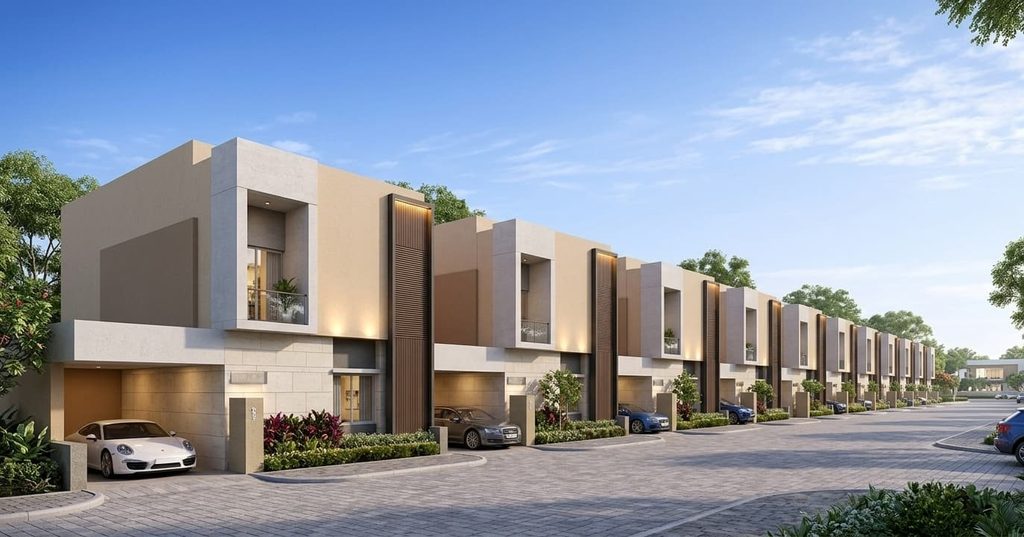
Direct connectivity reduces physical travel friction, which directly dictates where middle and upper-tier white-collar workforces choose to establish primary residences. For example, modern access corridors connecting secondary employment hubs to metropolitan downtown cores generate immediate residential demand along adjacent arterial networks. Discerning investors evaluating high-growth corridors often target an Palm Villas Noida gated community to capture this structural shift toward master-planned, secure residential micro-markets that benefit from extensive expressway development.
When analyzing public transport corridors such as rapid rail transit systems or metro extensions, the physical distance between a property and the access terminal is paramount. High-density residential developments situated within an 800-meter to 1.5-kilometer radius of transit nodes routinely command a 15 to 25 percent pricing premium over properties situated three kilometers away. However, properties placed immediately adjacent to train tracks or highway sound barriers often experience diminished livability scores, creating ceiling caps on long-term appreciation due to noise pollution.
| Infrastructure Phase | Appreciation Velocity | Risk Profile | Optimal Investor Horizon |
|---|---|---|---|
| Master Plan Announcement | High / Speculative | Elevated (Delays, Realignments) | 7 to 12 Years |
| Active Construction Groundbreak | Low to Moderate (Consolidation) | Moderate (Execution Risk) | 4 to 7 Years |
| Commercial Commissioning / Launch | Consistent / End-User Driven | Low (Utility Established) | 3 to 5 Years |
Analyzing Demographic Inflows and Employment Density
Without sustained job growth and population expansion, real estate values remain stagnant regardless of physical build quality. Capital appreciation correlates directly with the per capita income growth of incoming residents. Micro-markets that draw high-earning professionals in knowledge sectors—such as software engineering, financial services, executive management, and biotechnology—exhibit much higher rent thresholds and long-term asset valuations.
Prospective purchasers should inspect local census patterns, corporate campus announcements, and special economic zone notifications. When commercial office space absorption outstrips residential completions over consecutive fiscal quarters, housing undersupply naturally results. This gap triggers competitive pricing dynamics in both leasing and sales markets, accelerating capital appreciation.
What Indicators Point to Healthy Household Income Growth?
Assessing the retail and commercial ecosystem around a residential development offers clear signals regarding neighborhood financial strength. The arrival of upscale grocery stores, premium fitness centers, international school networks, and private healthcare facilities serves as a reliable trailing indicator of high disposable household income. These commercial entities conduct exhaustive demographic and geographic market research before investing their balance sheet capital into brick-and-mortar installations.
Savvy real estate buyers watch for these institutional footprints. If national lifestyle brands and premier academic institutions are securing long-term land leases or commercial assets in a specific pin code, it confirms that their predictive data models expect substantial affluent population inflows. Aligning your residential acquisitions with these commercial footprints minimizes downside valuation risk.
Evaluating Supply Constraints and Inventory Absorption Rates
High demand creates appreciation only when local housing supply cannot easily expand to meet that demand. In regions where endless flat parcels allow developers to build hundreds of identical high-rise towers across thousands of contiguous acres, real estate appreciation stays suppressed. An investor in such locations must compete with adjacent new phases launched by competing developers at discounted pre-sale price points.
True capital gains concentrate in areas defined by physical or statutory barriers to entry. Physical constraints include bodies of water, designated forest reserves, or established historic neighborhoods. Statutory constraints include municipal green belts, strict Floor Area Ratio (FAR) or Floor Space Index (FSI) caps, and restrictive density regulations. In such supply-constrained environments, any incremental increase in neighborhood demand drives up prices for existing units because new inventory cannot be brought to market quickly.
How Do You Calculate the Inventory Overhang Ratio?
The inventory overhang ratio indicates the number of months required to liquidate existing, unsold residential inventory in a given submarket at current sales velocity. Industry standard guidelines suggest:
- Under 12 Months: An intense seller’s market characterized by severe supply shortages, rapid transaction cycles, and aggressive upward price momentum.
- 12 to 24 Months: A balanced market characterized by stable pricing structures, moderate price appreciation pacing general inflation, and normalized negotiation windows.
- Over 24 Months: A buyer’s market marked by substantial unsold housing stock, developer discounting, incentives, and protracted capital stagnation.
Before deploying personal capital, research the localized inventory numbers compiled by real estate data agencies. If a submarket shows an overhang exceeding thirty months, capital appreciation will remain muted until those surplus units are fully absorbed by end-users, regardless of other positive amenities.
Assessing Developer Execution History, Zoning, and Governance
The execution capabilities and corporate integrity of the project developer play an outsized role in the eventual capital valuation of an off-plan or newly delivered property. Incomplete developments, delayed completions, unauthorized design deviations, or compromised structural finishes erode investor equity. Properties developed by tier-one builders with transparent corporate governance regularly trade at premiums of 20 to 40 percent over neighboring projects built by unvetted builders.
Before signing binding purchase contracts, buyers must confirm that the underlying land title is entirely free of liens, hypothecations, and ancestral ownership disputes. Verifying regulatory approvals from town planning bodies, environmental boards, civil aviation authorities, and fire safety directorates is essential to avoid lengthy litigation or construction freezes that derail appreciation timelines.
Why Is Master Plan Alignment Critical for Future Values?
A residential parcel may look peaceful today, but what do local planning maps designate for the vacant plot across the street? If municipal master plans show that an adjacent open parcel is slated for a bus terminal, solid-waste transfer station, or heavy industrial logistics hub, the peaceful atmosphere will be lost, harming long-term residential resale value. Conversely, parcels slated for community parks, public libraries, or low-density recreational clubs will lift local valuations.
Investors looking for long-term security often seek planned enclaves with strict design guidelines and clear land-use titles, such as the exclusive residential community in Delhi NCR, where comprehensive layout permissions protect property values from adverse industrial zoning. Reviewing statutory land-use maps at the municipal planning office is a standard due diligence step before allocating funds.
Applying Quantitative Valuation and Financial Return Metrics
Relying solely on gut instinct or real estate agent marketing brochures can lead to costly mistakes. Discerning buyers utilize standardized corporate finance metrics to assess the financial viability of real estate assets. While physical real estate offers unique tangible advantages, it competes directly with alternative asset classes like equities, debt instruments, and private equity for investor capital.
Understanding yield metrics allows an investor to calculate whether a prospective purchase is trading below intrinsic value or at a speculative peak. The gross rental yield—calculated by dividing annual rental revenue by the total acquisition cost—acts as a support floor for property pricing. When asset valuations detach wildly from achievable rental incomes, the property is entering speculative bubble territory where future appreciation becomes fragile.
How Does Capitalization Rate Track Growth Expectations?
The Capitalization Rate (Cap Rate) represents the Net Operating Income (NOI) divided by current market value. Historically, prime central urban locations with immense capital appreciation potential trade at compressed capitalization rates, often between 2.5 and 4.0 percent. Investors accept these lower initial yields because they anticipate robust annual rental increases and substantial long-term capital gains.
Conversely, secondary or tertiary markets often exhibit elevated capitalization rates between 6.5 and 9.0 percent. While initial cash flow yields look appealing on paper, these properties often deliver minimal long-term capital appreciation due to static demographic growth and abundant land availability. A buyer must consciously decide whether their portfolio strategy emphasizes short-term rental yields or multi-year wealth accumulation through compounding capital appreciation.
Legal Frameworks and Due Diligence Protocols
No level of infrastructure growth or demographic tailwind will safeguard your capital if the purchase transaction lacks clean legal protections. Flawed property contracts, hidden encumbrances, or ambiguous purchase agreements can completely erode projected appreciation returns by burdening the asset with protracted legal disputes.
Securing specialized property legal counsel to run comprehensive thirty-year title searches across local land registries is non-negotiable. This process confirms the unbroken lineage of ownership transfers, identifies potential inheritance disputes, and confirms that all municipal property taxes, betterment charges, and development levies have been paid in full.
Buyers must also review the precise terms outlined in the sale agreement, paying special attention to delayed delivery compensation clauses, maintenance deposit terms, and transfer fees. Reviewing formal legal terms and service conditions across institutional real estate transactions demonstrates the clear, legally binding protections buyers must expect before transferring initial earnest money.
Protecting Digital Identity and Financial Records
Modern property acquisition involves sharing sensitive documentation, including income statements, identity credentials, tax filings, and banking records. When working with digital real estate brokerages, transactional portals, and asset advisory firms, verify that their digital infrastructure follows institutional data governance models.
Reviewing a real estate advisory firm’s strict user data protection guidelines ensures that your private financial records, corporate structures, and transaction records remain secure against unauthorized distribution or commercial resale. Discretion and transaction privacy are vital for high-net-worth buyers managing multi-property acquisitions.
Formulating Long-Term Resale and Exit Strategies
Capital appreciation remains theoretical until you execute an exit. True capital yield is finalized when an asset is successfully sold and proceeds clear the settlement ledger. Evaluating appreciation potential therefore requires visualizing the future buyer of your property five, ten, or twenty years down the line.
Ask basic questions about the future buyer profile: Will this unit appeal to end-user nuclear families, corporate executives relocating for work, or down-sizing retirees? If the property features excessive quirks, irregular floor plans, steep common maintenance charges, or inefficient common areas, your eventual buyer pool will narrow considerably. Liquidity risk directly caps realized capital returns.
How Does Unit Floor Height and Layout Affect Liquidity?
Even within an appreciating neighborhood, specific layout decisions create significant valuation spreads. Units with functional layouts, unobstructed views, southern or eastern exposures that capture natural daylight, and low ambient noise levels consistently sell faster and command 10 to 15 percent price premiums over inferior floor plans in the same building.
When acquiring real estate with an eye toward appreciation, avoid unusual custom architecture that appeals only to very specific personal tastes. Standard, highly functional configurations with well-proportioned rooms, dedicated utility spaces, and cross-ventilation appeal to the widest market segment, preserving liquidity and supporting steady appreciation.
Frequently Asked Questions
What is the most reliable leading indicator of property appreciation?
The most dependable leading indicator is significant public and private infrastructure spending, specifically the start of construction on rapid transit corridors, major expressways, corporate business parks, and medical hubs. These developments directly cut commute times and draw high-earning jobs, driving steady residential demand and capital appreciation years before construction finishes.
How does high rental yield relate to long-term capital appreciation?
Rental yield and capital appreciation often move in inverse directions across mature property markets. Prime urban centers with high capital growth potential frequently display low initial rental yields of 2 to 3.5 percent because property values outpace rental rates. Conversely, outlying or industrial locations may yield 6 percent or more in annual rent but show little capital appreciation due to land availability and flat demographic demand.
Can renovations guarantee significant forced appreciation on an older home?
Renovations increase property value only up to the neighborhood pricing ceiling. If an investor spends heavily on high-end structural overhauls and bespoke interior designs in an area where homes have modest average sale prices, the owner will struggle to recover that capital expenditure upon resale. Forced appreciation succeeds when targeted improvements bring an under-maintained property up to the standard of adjacent, higher-value homes.
How many years should an investor hold real estate to capture optimal appreciation?
Real estate investment generally operates on long cycles, with optimal capital appreciation typically realized over holding horizons of seven to ten years. This timeline allows the asset to ride out short-term macroeconomic downturns, absorb shifting lending rates, and benefit from the full operational delivery of regional civic infrastructure, master development projects, and local employment hubs.