
Quick Summary
Identifying a high-performing residential property requires evaluating structural parameters beyond surface aesthetics. Investors must assess location dynamics, infrastructure pipelines, developer track records, legal compliances, space utilization, and long-term rental yields. Evaluating these metrics systematically protects capital and ensures consistent appreciation across fluctuating market cycles.
Location Dynamics and Regional Connectivity
How does proximity to transit hubs impact capital appreciation?
Location remains the fundamental pillar of real estate value. Proximity to primary arterial expressways, rapid transit lines, and commercial business districts directly dictates demand among homebuyers and tenants alike. When a residential property reduces daily commute times, it commands a natural premium in rental pricing and resale value. Investors examining market trends often review upcoming premium housing developments to spot emerging urban sectors before major infrastructure projects reach completion.
Infrastructure additions such as new metro corridors, highway exits, or international airport linkages alter property valuations significantly. A multi-modal transit network near a residential community minimizes travel friction, making the area attractive to high-earning corporate professionals. Consequently, assessing urban master plans published by regional planning authorities helps investors identify growth nodes long before public speculative interest peaked.
What neighborhood infrastructure signals long-term growth?
Beyond major transport corridors, local social infrastructure establishes community stability. High-performing residential sectors feature established educational institutions, accredited medical centers, retail complexes, and structured public parks within a short driving radius. The presence of these institutions reflects municipal investment and ensures consistent residential occupancy.
Evaluating walkability scores and road network capacity provides insight into future congestion levels. Neighborhoods designed with wide internal access roads, underground utilities, and reliable water drainage systems resist structural decline over multi-decade horizons. Buyers should evaluate regional growth patterns to confirm that surrounding plots are designated for low-impact residential or institutional usage rather than heavy industrial zoning.
Developer Reputation and Legal Integrity
Why are regulatory approvals and clear title deeds mandatory?
Legal clarity is non-negotiable when committing significant financial capital to real estate. A project backed by transparent title deeds, clear land ownership certificates, and full regulatory approval eliminates legal friction during ownership transfers. State regulatory authorities enforce stringent standards regarding project disclosures, construction schedules, and escrow accounts, offering substantial protection to property buyers.
Before finalizing commitments, buyers must verify that the project possesses encumbrance-free title documents, municipal building plan sanctions, and environmental clearances. Leading real estate platforms and consultancies prioritize customer security by adhering to strict user data protection guidelines during initial digital inquiries and legal documentation reviews. Protecting financial and personal records remains an integral part of modern transaction management.
How do developer delivery records influence risk levels?
A developer’s financial balance sheet and historical project execution record serve as reliable indicators of future performance. Established builders with low debt obligations and a strong history of timely project completions represent significantly lower delivery risk. Historical delivery track records illustrate whether a builder consistently fulfills promises regarding material quality, common space finishes, and promised hand-over dates.
Examining completed projects built by the same firm five to ten years earlier offers practical perspective on construction durability. Structural issues, facade aging, maintenance quality, and community management standard in older developments reveal the builder’s long-term standards. Reputable firms invest in high-grade concrete, damp-proofing systems, and premium elevators, reducing long-term repair costs for unit owners.
Architectural Efficiency and Structural Longevity
What layout metrics distinguish functional homes from inefficient floor plans?
Architectural layout efficiency dictates daily usability and perceived space. Carpet area efficiency, the ratio of usable internal floor space to total super built-up area, varies widely across residential projects. Inefficient design choices, such as overly long corridors, awkward structural column placements, or oversized foyer entrances, waste square footage without adding living utility.
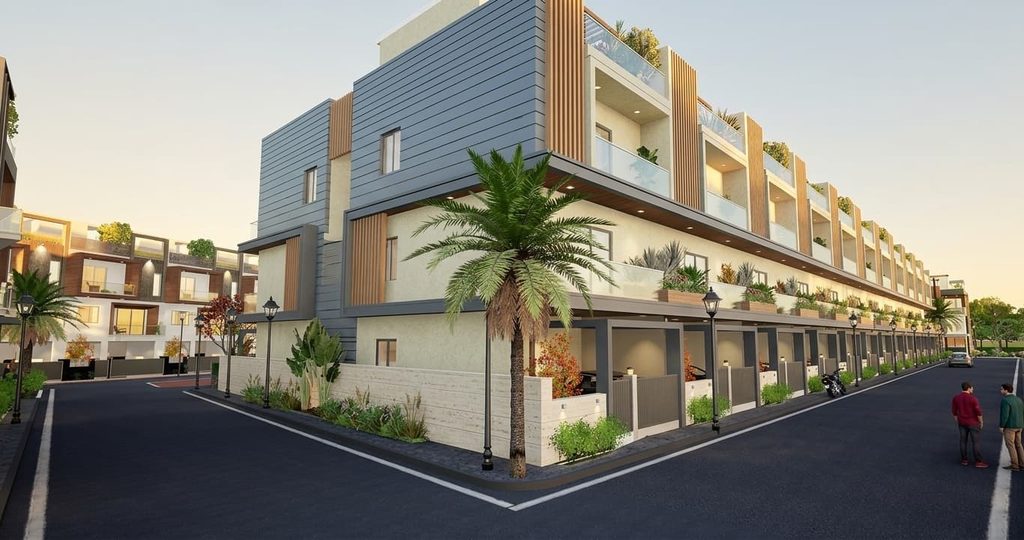
High-end developments prioritize functional efficiency, floor-to-ceiling heights above ten feet, and expansive window openings to maximize natural daylighting. Projects like the Palm Villas Noida gated community showcase how thoughtful architectural planning integrates open layout concepts with privacy and functional room dimensions. Efficient floor layouts lower overall cost per usable square foot while appealing strongly to corporate tenants.
How does engineering quality affect structural life cycles?
The structural frame, foundation design, and material specifications determine a building’s longevity and maintenance expenses over decades. High-grade RCC frame construction, seismic-zone compliant design, and advanced waterproofing membranes prevent structural degradation caused by moisture ingress or ground movement. Investing in projects built to rigorous engineering codes protects against early capital depreciation.
Acoustic insulation, thermal efficiency, and exterior paint specifications play major roles in operational comfort. Buildings equipped with double-glazed window units reduce outdoor noise infiltration and lower internal cooling costs. Fire suppression systems, dual-plumbing lines, and dedicated service shafts further distinguish professionally engineered developments from sub-standard housing options.
Lifestyle Infrastructure and Low-Density Living
Which amenities provide quantifiable return on investment?
Modern homebuyers prioritize health, convenience, and recreational facilities within their residential compounds. However, not all amenities generate equal value. Comprehensive fitness centers, lap pools, multi-tier security systems, dedicated co-working lounges, and reliable back-up power generation facilities consistently rank as top priorities for prospective tenants, directly supporting higher rental yields.
Conversely, overly complex decorative features with high maintenance overheads can inflate monthly homeowner association fees unnecessarily. Investors should evaluate whether common area features add functional daily value or simply create long-term financial liabilities for maintenance teams.
Why is plot density a key factor in residential valuation?
Density metrics define the ratio of residential units to overall land area. Low-density developments feature fewer units per acre, translating to larger shares of underlying land value for each owner, reduced congestion, and greater access to open green spaces. High-density high-rises can strain shared infrastructure, leading to busy elevators, noisy common corridors, and crowded parking facilities.
Investors targeting premium long-term capital preservation frequently look toward exclusive horizontal developments. Exploring options such as luxury independent villas in Noida offers owners exclusive land ownership, private gardens, and controlled access environments that retain market appeal across changing financial cycles.
Financial Metrics: Rental Yield vs Capital Appreciation
How can investors balance recurring income and long-term asset growth?
Evaluating real estate performance requires analyzing rental yield alongside long-term capital growth potential. Gross rental yield measures annual rental income as a percentage of total property purchase cost, while net rental yield adjusts for property taxes, insurance, routine repairs, and vacancy periods. Experienced market analysts at Heritage Prime recommend examining localized rental historical data to project returns accurately.
Properties situated near emerging employment nodes typically provide high rental occupancy rates and cash flow stability. In contrast, early-phase developments along planned infrastructure corridors offer stronger potential for multi-year capital growth as regional connectivity matures over time.
| Investment Criterion | Primary Buyer Impact | Financial Value Target |
|---|---|---|
| Micro-Location Proximity | Reduces daily commute times to office hubs | Higher rental demand and reduced vacancy |
| Carpet Area Efficiency | Maximizes usable living space per square foot | Lower effective cost per usable area |
| Low Plot Density | Enhances privacy and lifestyle comfort | Superior long-term land value appreciation |
| Regulatory Approvals | Protects owner legal rights and title clarity | High liquidity during resale transactions |
Sustainability Features and Asset Future-Proofing
Do green building practices reduce long-term operational costs?
Sustainable building technologies have evolved from secondary preferences to baseline requirements for institutional and private investors. Projects featuring certified green designs utilize energy-efficient lighting grids, rooftop solar power installations, rainwater collection systems, and localized greywater treatment plants. These integrated features lower operational energy and water expenses substantially.
Reduced utility consumption translates directly into lower monthly maintenance assessments for residents, enhancing long-term housing affordability. Furthermore, modern municipalities offer preferential tax structures or streamlined regulatory processing for certified green developments, boosting property performance from day one.
How does smart home technology protect resale valuations?
Integrating smart building systems ensures a property remains relevant in modern rental markets. Automated access controls, smart energy monitoring, fiber-optic connectivity networks, and centralized electric vehicle charging stations represent essential infrastructure components for contemporary buyers.
- Electric vehicle charging infrastructure integrated into private and visitor parking bays.
- Multi-tiered electronic access control featuring biometric entry and automated visitor management.
- Advanced water filtration systems ensuring safe utility supply across all residential floors.
- Centralized energy management platforms optimizing common area illumination and HVAC usage.
Properties constructed with flexible smart infrastructure adapt seamlessly to coming technological shifts, safeguarding resale liquidity when competing against newly launched developments in subsequent decade cycles.
Frequently Asked Questions
What is the most critical metric to analyze before selecting a residential investment?
Micro-location and regional connectivity infrastructure serve as the most vital parameters. A well-connected development in a high-demand employment corridor maintains value, attracts tenants easily, and appreciates consistently across varying market conditions.
How does carpet area differ from total loading area in residential projects?
Carpet area measures the net usable floor space within internal walls where a resident resides. Loading area includes shared common spaces such as lobbies, staircases, elevator shafts, and service areas apportioned across individual housing units.
Why should real estate investors prioritize regulatory approvals?
Regulatory registrations enforce statutory compliance, legal land title clarity, transparent project timelines, and dedicated escrow accounts, eliminating financial misuse and protecting buyers against project delays or ownership disputes.
Do low-density residential developments yield higher appreciation over time?
Yes, low-density developments allocate a greater percentage of underlying undivided land share to each owner. Land value appreciates over time while physical building structures depreciate, giving low-density properties superior long-term growth capacity.