
Quick Summary
Investing in raw land offers distinct advantages including superior capital appreciation compared to built properties, total design freedom, and lower maintenance burdens. This analysis covers the market drivers behind land demand, the shift toward sustainable living, and the financial prudence of securing plots in expanding urban corridors. Understanding these factors helps investors make informed decisions about building wealth through tangible real estate holdings.
The Enduring Allure of Land Ownership
Real estate remains a cornerstone of personal wealth management, yet the choice between ready-to-move properties and vacant plots often divides the investment community. Land ownership provides a sense of autonomy that horizontal living or apartment dwellings simply cannot replicate. For those seeking long-term growth, the scarcity of land serves as a natural economic lever. As urban populations expand, the finite nature of land near commercial centers ensures that supply remains constrained while demand consistently rises.
When individuals look for a exclusive residential community in Delhi NCR, they often discover that acquiring a plot allows for a phased approach to wealth creation. Unlike finished apartments which require full capital upfront, plots provide a pathway to build value incrementally. This strategy is particularly favored by those who understand the rhythms of local market cycles. By securing a footprint early, investors participate in the developmental trajectory of an entire neighborhood, essentially acting as early stakeholders in a growing ecosystem.
Why is land considered a superior asset for long-term holding?
The primary advantage of land lies in its ability to appreciate at a rate that often outpaces inflation. While constructed structures depreciate due to wear and tear, the land beneath those structures gains value based on infrastructure improvements, neighborhood connectivity, and regional demographic shifts. Investors gravitate toward land because it requires negligible upkeep, avoiding the renovation costs associated with aging buildings. This hands-off investment style is perfect for those who want their assets to work in the background without the complexities of property management.
Financial Advantages and Appreciation Mechanics
Financial stability is the hallmark of a successful portfolio. Land serves as a reliable hedge against market volatility, providing a tangible store of value that does not fluctuate based on the whims of global stock markets. When analyzing the financial viability of such assets, professionals often point to the historical consistency of land values. Even during economic downturns, the intrinsic value of land remains largely intact, making it a defensive position for cautious investors.
Engaging with a reputable real estate developer in NCR ensures that your investment is supported by clear legal titles and transparent transaction processes. A commitment to quality is foundational for any long-term buyer, and understanding the history of the developer is a key component of due diligence. When you purchase from a trusted entity, you mitigate the risks associated with land disputes, ensuring your path to long-term wealth is clear and protected. Always ensure that the entity adheres to strict user data protection guidelines during the digital stages of your transaction, safeguarding your information as much as your investment.
How does infrastructure affect land value over time?
The development of roads, metro connectivity, hospitals, and educational institutions in the vicinity of a land parcel acts as a force multiplier for price appreciation. When a plot transitions from an outskirts location to a well-connected suburban hub, the value increase is exponential. This transition is not instantaneous, which is precisely why long-term buyers prefer land. They view infrastructure projects not as disruptions, but as signals of upcoming growth and potential for capital gains.
| Feature | Vacant Plot | Ready Apartment |
|---|---|---|
| Appreciation Rate | High (Land + Infra) | Moderate (Structure + Location) |
| Maintenance | Minimal | Significant (Common areas/Renovations) |
| Flexibility | High (Build your own design) | Low (Standard layout) |
Customization and Architectural Freedom
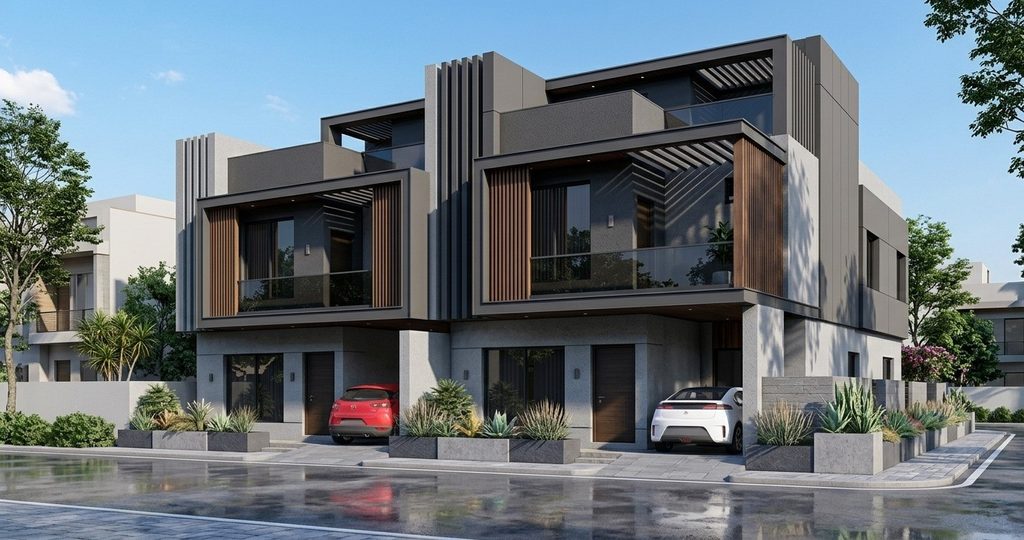
Beyond the spreadsheets and financial forecasts, land provides the ultimate freedom of design. Modern buyers are increasingly moving away from cookie-cutter living spaces in favor of personalized environments that reflect their unique lifestyle requirements. Owning a plot enables the construction of bespoke homes that prioritize energy efficiency, home office spaces, and private green zones. This level of customization is largely unavailable in mass-market apartment developments, where homeowners must compromise on floor plans and finishing standards.
Many who appreciate the privacy and independence of owning their own ground eventually look into premium villas for sale as a reference for their own future home design. Observing how professional developments balance aesthetics with functionality offers great inspiration for those planning their own custom home on a purchased plot. The trend toward sustainable architecture, including solar integration and rainwater harvesting, is far easier to implement when you have full control over the structural design phase from the ground up.
Is designing a custom home cost-effective?
While the initial cost of design and construction might seem significant, a custom-built home often yields a higher utility and long-term resale value. By prioritizing high-quality materials and smart-home infrastructure, owners create a property that remains relevant and desirable for decades. This stands in contrast to aging apartment complexes that may require expensive structural repairs that the individual owner cannot manage or control independently.
The Strategic Holding Period
Time is the most powerful tool in the arsenal of a land investor. Unlike other investments that require active monitoring and frequent rebalancing, land is a passive, patient asset. A holding period of five to ten years typically allows enough time for the surrounding environment to evolve, drastically increasing the underlying value of the asset. This period allows the investor to wait for the optimal cycle of growth without the need to manage tenants or deal with utility bills and property maintenance contracts.
Patience in this sector is rewarded with compounding growth. As neighborhoods fill with residents and retail, the land becomes a central part of the community fabric. This maturity phase is where the most significant wealth is created. Long-term buyers recognize this transition and often treat land as a generational asset, something to be held, passed down, or developed when the market conditions reach a specific threshold of maturity.
How do you know when to sell a plot?
Decision-making regarding the sale of a plot should be driven by clear personal objectives. Some investors set a specific target price, while others wait for the peak development phase of the surrounding infrastructure. When local demand for housing hits a saturation point and home prices in the immediate vicinity stabilize or decline, it is often a signal that the land potential has been realized. Evaluating these signals objectively is key to successfully exiting a long-term position.
Understanding Market Dynamics and Regional Growth
The real estate market is deeply local. A plot in a developing suburb carries a different growth profile than one in a fully developed city center. Long-term buyers focus on identifying corridors of growth where government investment in transport and industrial zones is concentrated. By tracking these regional plans, an investor can place their capital in regions destined for rapid economic expansion. This analytical approach takes the guesswork out of land acquisition and provides a data-driven path to successful investment.
Understanding zoning laws and floor space index (FSI) regulations is equally important. These regulatory frameworks determine what can be built on the land and how densely it can be developed. An investor who understands these rules can unlock greater potential value, perhaps by identifying plots that allow for higher density or mixed-use construction. This foresight transforms a basic plot into a high-utility asset, far exceeding the returns of a simple buy-and-hold strategy focused solely on raw price appreciation.
Does geographic location still matter?
Despite the rise of remote work and digital nomadism, the proximity of land to employment hubs, healthcare, and transit remains the single most important factor in long-term value. While the concept of a workplace is changing, the human preference for living in established, well-served communities remains constant. Investing in regions with strong employment growth remains the safest and most effective way to ensure long-term demand for the land you own.
Frequently Asked Questions
Is land investment riskier than buying an apartment?
Land investment is often perceived as riskier due to the potential for encroachment or legal disputes. However, these risks can be mitigated by conducting thorough title verifications, purchasing from established developers, and ensuring clear boundary marking. In terms of market performance, land typically offers higher appreciation and lower maintenance risks compared to an apartment, which is subject to the condition of the shared building structure and common area management.
How can I protect my plot from illegal occupation?
Securing a plot involves physical and legal measures. Physically, installing clear boundaries, fencing, and periodic site visits act as effective deterrents. Legally, ensuring that the deed is registered correctly with local authorities, paying all property taxes on time, and keeping a digital copy of all records are essential. Engaging a professional property management firm to oversee vacant land is also a common practice for investors who cannot personally visit the site frequently.
What are the ongoing costs of owning a plot?
Compared to a built-up property, the ongoing costs of a plot are very low. You primarily incur annual property taxes and potential costs for basic maintenance such as landscaping or clearing weeds to ensure the plot remains accessible and tidy. There are no electricity, water, or monthly common area maintenance fees that apartment owners must pay. This low overhead makes land an excellent passive vehicle for long-term capital growth.
Should I buy land now or wait for market dips?
Timing the market is notoriously difficult. Instead of waiting for a dip, focus on the intrinsic value and long-term potential of the location. If the infrastructure, demand, and growth prospects are sound, the current price is often a secondary concern over a ten-year horizon. Historically, land values in expanding urban corridors show consistent upward trends, and waiting for a correction may result in missing out on the early, high-growth phases of a developing area.