
Quick Summary
Owning a plot of land provides a unique foundation for personal and financial growth. By prioritizing customization and long-term asset value, property owners can design their environments to reflect their specific lifestyle requirements. This guide explores the logistical, creative, and investment considerations involved in acquiring and developing residential plots, offering a comprehensive look at why land remains a foundational pillar for wealth creation and personal security.
The Strategic Value of Land Ownership
In the evolving landscape of real estate, the choice between purchasing a pre-built house and acquiring raw land defines the trajectory of one’s investment. Owning a plot of land offers an unmatched degree of flexibility that pre-packaged housing solutions often lack. When you purchase a piece of property, you gain control over the spatial orientation, architectural integrity, and internal configuration of your future residence. This autonomy is not merely a design preference but a significant component of long-term property satisfaction. While many investors gravitate toward existing units, those who seek to build a legacy often recognize that land represents the purest form of asset ownership in the NCR region.
As you begin your inquiry into land acquisition, it is helpful to understand the philosophy behind a legacy of trust in home construction. Developing a plot requires careful consideration of local topography, soil quality, and future infrastructure projects. Unlike static housing units that may lose aesthetic relevance as architectural trends shift, a custom home built on a carefully selected plot allows for a timeless design. This approach ensures that the structure remains aligned with the owner’s functional needs for decades, rather than forcing them to adapt to someone else’s original design decisions.
Why Land Appreciates Differently
Land is a finite resource, and its value is inextricably linked to the scarcity of prime locations within expanding urban corridors. Unlike building materials that depreciate over time due to wear and tear, land usually retains and increases in value as surrounding infrastructure develops. Schools, transportation hubs, and commercial centers often grow around residential pockets, further bolstering the land’s worth. By securing a plot early, owners position themselves at the center of future growth, capturing significant equity growth that is often unavailable in established high-density residential complexes.
Architectural Freedom and Customization
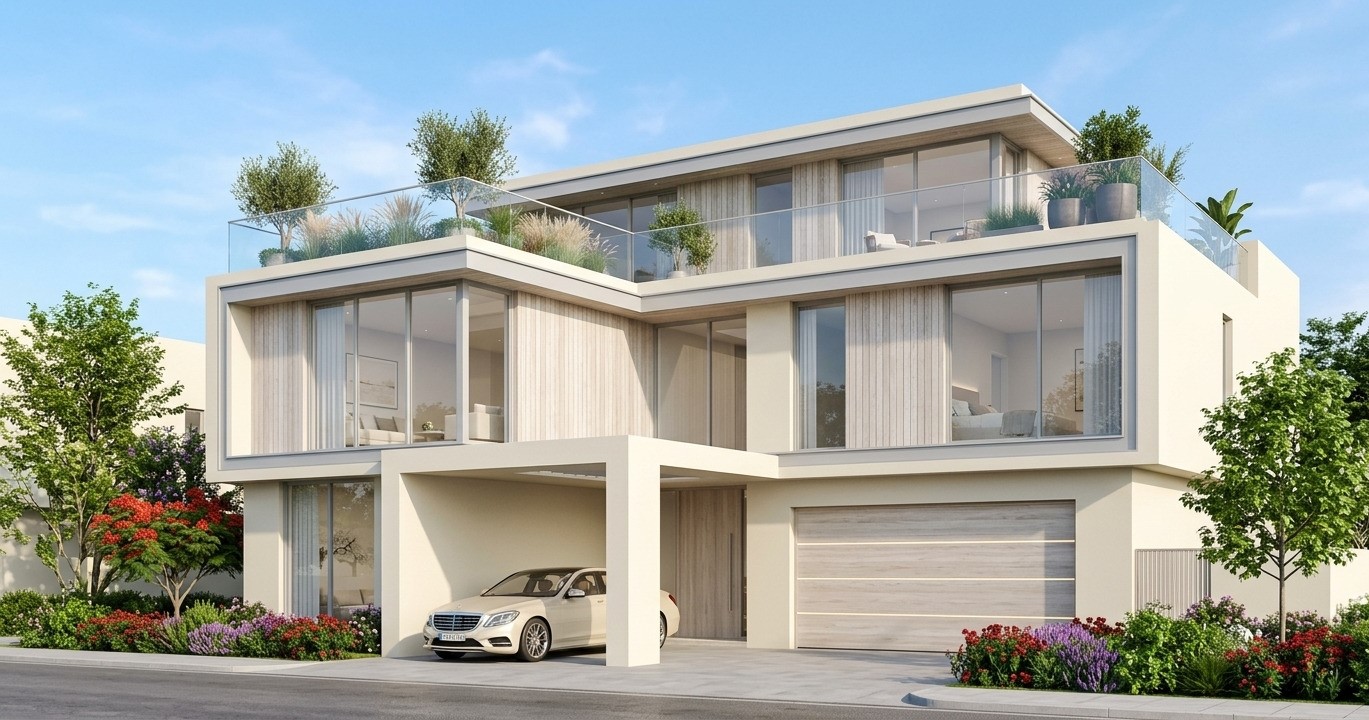
The ability to define every square foot of your living environment is the primary driver for many who choose plot ownership. When you own the land, you are free to consult with architects who understand your specific vision. You can focus on passive cooling techniques, sustainable building materials, and internal layouts that cater to your specific family dynamics. While some buyers prefer the convenience of luxury independent villas in Noida, building your own home on a plot allows for a level of personalization that even the most high-end developments struggle to match.
Customization extends beyond aesthetics; it involves optimizing the energy efficiency of the home, integrating smart home automation from the ground up, and ensuring that structural reinforcements meet your precise safety standards. This control prevents the need for invasive renovations later on, as the home is constructed with your specific preferences regarding natural light, room connectivity, and accessibility already baked into the architectural plans. Every detail, from the width of a hallway to the placement of windows to maximize sunrise exposure, becomes a deliberate choice rather than an afterthought.
Balancing Aesthetics with Functionality
Achieving harmony between a home’s design and its environment requires a methodical approach. It is wise to review site constraints early, considering orientation, prevailing wind patterns, and existing natural features. By keeping the design grounded in the reality of the landscape, homeowners often find that their property feels more cohesive and welcoming. Engaging with skilled professionals during the design phase ensures that these artistic aspirations are balanced by practical, buildable realities, which is where one might often contact seasoned property experts to navigate local building codes and zoning requirements.
Navigating the Legal and Logistical Terrain
Acquiring residential land involves a series of legal checks and balances that demand diligence. Before finalizing any purchase, it is imperative to verify the land title, ensure there are no legal encumbrances, and confirm that all zoning clearances are in place. Transparency in these transactions is vital. Responsible developers and sellers should always provide clear documentation, following strict user data protection guidelines to ensure that your sensitive information remains secure throughout the verification and sale process. Understanding the pedigree of the land and any history associated with the specific plot can save an investor from future headaches regarding property disputes or utility access.
What Documents to Review Before Buying
The due diligence process for land ownership is distinct from buying a condo or an apartment. You should focus on specific documentation to confirm ownership and potential liabilities:
- Encumbrance Certificates: To verify that the property is free from legal debts.
- Zoning Permits: To ensure that the land is designated for residential use.
- Mutation Records: To confirm the current ownership status in municipal registers.
- Utility Clearance: To confirm access to water, sewage, and electricity grids.
- Environmental Clearances: Especially if the land is near green zones or water bodies.
By systematically reviewing these items, a buyer minimizes risk. The process of land acquisition should be viewed as a professional undertaking where patience is rewarded with clear title and peace of mind.
The Financial Dimension of Land Investment
Land investment is often considered a long-term play. Unlike stocks or bonds, which can be volatile in the short term, land tends to be less sensitive to immediate market shocks. The financial advantage lies in the dual nature of the asset; you are not only gaining a piece of real estate but also a platform for future development. Investors who hold land in emerging, well-planned townships often see significant appreciation as the neighborhood matures. This capital appreciation is one of the most effective ways to hedge against inflation.
Moreover, building your own home can be a cost-effective way to achieve a premium residential experience. By managing the construction process or employing reputable contractors, you avoid the developer markup often baked into the price of ready-to-move-in luxury homes. While the process requires more active involvement, the result is an asset built to your specifications, which often holds higher resale value in the long term because it represents a custom-built solution in a market often saturated with mass-produced housing.
Sustainability and Future-Proofing
Modern lifestyle requirements are shifting toward sustainability, and owning a plot allows you to implement green technology that is difficult to retrofit into older structures. Rainwater harvesting, solar power arrays, and high-performance insulation are easier to integrate during the initial construction phase. By designing your home to be self-sufficient or energy-efficient, you reduce long-term operational costs and contribute to a lower carbon footprint. Future-proofing your home by incorporating flexible spaces, such as home offices or adaptable guest wings, ensures that your property remains relevant as your family needs evolve over time.
How Custom Design Promotes Wellness
Architecture impacts psychological well-being. A home designed with ample access to sunlight, ventilation, and private green spaces can significantly enhance quality of life. By choosing a plot that allows for private gardens or a seamless indoor-outdoor transition, you create a sanctuary. This focus on wellness is becoming increasingly prominent in residential architecture, and plot owners have the luxury of prioritizing these elements over the constraints imposed by standard multi-story developments.
Common Misconceptions About Plot Ownership
Many prospective buyers fear that managing construction is an overwhelming experience. While it is true that building from scratch requires oversight, it is not an impossible task. Today, digital tools and improved communication with contractors allow for tighter project management. The notion that plot ownership is only for experienced developers is outdated; with the right guidance and professional partnerships, individuals can effectively manage their construction projects. The key is in the planning phase, where clear blueprints and milestone-based agreements mitigate risks of delays or cost overruns.
Frequently Asked Questions
Is land an illiquid asset?
Land is often perceived as less liquid than stocks or mutual funds, but high-quality plots in established or developing sectors of the NCR remain in constant demand. If the land is well-documented and located in a strategic area, it can be converted into cash relatively quickly when market conditions are favorable. Its illiquidity is often offset by the significant potential for high capital appreciation compared to more liquid but less stable assets.
What is the biggest benefit of building a home instead of buying one?
The primary advantage is customization. You are not forced to compromise on the internal layout, quality of materials, or the architectural style of your home. Building allows for the integration of modern, energy-efficient, and sustainable features that are specifically tailored to your household’s functional requirements, resulting in a home that offers superior long-term utility and personal comfort.
How do I ensure my plot investment is safe?
Safety is achieved through rigorous due diligence. This includes conducting a thorough verification of the land title, ensuring the developer or seller has a clean track record, confirming that the land has all necessary governmental approvals, and ensuring the plot is free from litigation. Engaging independent legal counsel to review the documentation before any financial transaction is the most effective way to secure your investment.
Can I build a home gradually on my plot?
Yes, many owners opt for phased construction. After acquiring the plot, you can secure the site and develop the foundational structures, then proceed with the building as your budget and needs evolve. However, it is essential to ensure that your construction plans adhere to the local municipal guidelines and timelines regarding the initiation and completion of residential projects on the specific plot.