
Quick Summary
Transitioning to low-density residential environments offers substantial benefits for families and professionals alike. By reducing the number of households per acre, these areas prioritize natural light, ventilation, and social autonomy. This report examines why independent living serves as an antidote to urban overcrowding, focusing on psychological well-being, asset appreciation, and the evolution of modern home design. Key takeaways include the long-term health advantages of quiet spaces, the architectural flexibility inherent in detached properties, and the growing demand for gated communities that prioritize green space over sheer vertical volume.
The Shift Toward Low-Density Residential Environments
Urban planning continues to evolve as more families re-evaluate the necessity of high-rise living. For decades, vertical growth appeared to be the only solution to urban sprawl, yet current market trends indicate a significant migration toward lower density models. Independent homes facilitate a lifestyle defined by autonomy and environmental connection, which is rarely achievable in dense apartment complexes. When fewer people share common infrastructure, the wear and tear on amenities decreases significantly. This leads to lower maintenance costs and a more consistent aesthetic appeal of the surrounding neighborhood. Heritage Prime acknowledges that residential preference has moved from mere location to the quality of the immediate environment.
Low-density living is characterized by horizontal space. It allows for the integration of private lawns, driveway access, and direct sunlight exposure from multiple angles. This spatial freedom dictates how residents interact with their surroundings. Instead of navigating elevators and crowded lobbies, occupants of independent houses experience a seamless transition from private indoor spaces to the natural outdoors. This physical separation from neighbors reduces ambient noise and fosters a sense of solitude, which is becoming increasingly rare in large metropolitan regions.
What are the psychological impacts of less crowded living?
Research consistently shows that individuals residing in low-density settings report lower cortisol levels and improved mental health. The presence of green vistas and the lack of artificial barriers created by high-rise walls contribute to a feeling of openness. This sense of freedom is bolstered by the ability to personalize one’s own parcel of land without architectural oversight from a homeowners association that manages hundreds of units. While living in a detached residence, the individual gains control over their sensory environment, deciding how much light, air, and interaction they allow into their daily routine.
Long-Term Asset Value and Independent Homes
Real estate investment requires a forward-looking perspective on land scarcity. Because vertical apartments can be added to a footprint indefinitely, the supply of high-rise units can technically increase until the local infrastructure collapses. Conversely, the land underlying an independent home is finite. As cities expand, plots of land suitable for detached houses become increasingly rare, which naturally inflates the value of such properties. This scarcity ensures that holders of independent assets maintain a stronger hedge against market volatility compared to those invested in multi-family strata units.
Investors and homeowners often seek out luxury independent villas in Noida as a way to secure long-term capital growth while enjoying an elevated standard of living. These assets carry inherent value that is not solely dependent on the building structure but on the value of the underlying dirt. Owners have the flexibility to renovate, extend, or redevelop their properties as families grow, providing a versatility that apartment owners do not possess. This adaptability ensures that the property remains relevant as market needs shift over the coming decades.
How does low-density living protect capital?
When you own an independent property, you are not subject to the collective decisions of an entire high-rise building. You control your maintenance schedules, renovation timelines, and aesthetic updates. This autonomy prevents the common issue of deferred maintenance in high-density buildings where majority votes often override individual needs. Furthermore, lower density developments are less likely to suffer from the overcrowding that leads to utility strain and resource shortages. For those evaluating options, it is helpful to contact seasoned property experts who can provide data on neighborhood land value trends and future infrastructure plans.
The Evolution of Community Design
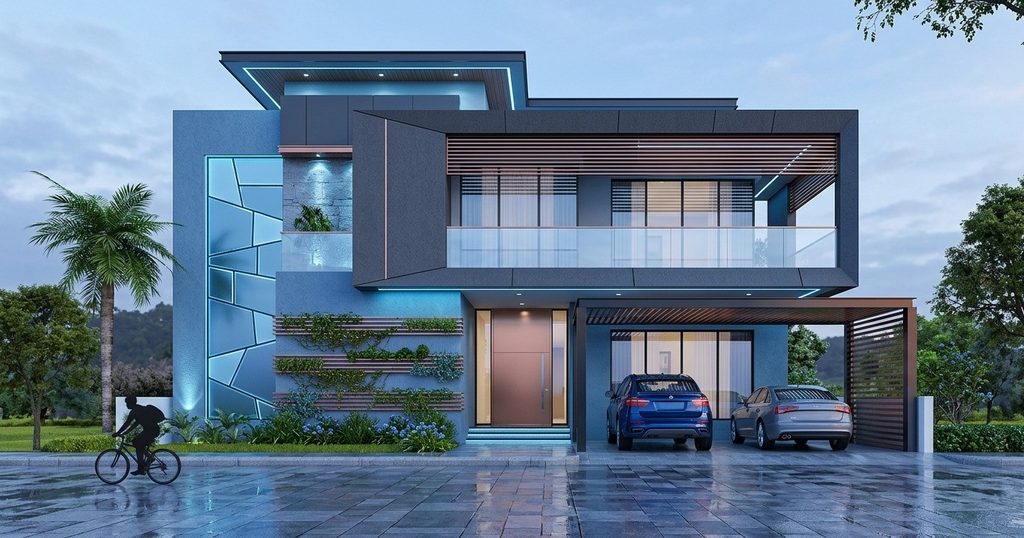
Modern low-density developments, such as the Shyam Kunj Villas luxury township, utilize intelligent land planning to maximize individual privacy while maintaining access to communal amenities. The objective is to provide the security of a gated community without the feeling of being packed into a tight grid. These master-planned communities curate greenery, pedestrian walkways, and sustainable drainage systems, which collectively improve the local microclimate. By managing the number of residents, these projects ensure that public amenities like parks, gyms, and walking trails remain uncrowded and well-maintained.
The concept of community in this context is based on shared values rather than proximity. Residents in lower-density neighborhoods tend to stay longer, which fosters genuine social ties that transcend fleeting interactions. Because the turnover rate is historically lower in independent home communities, long-term friendships and neighborly support systems become the norm. This stability is a foundational element of a secure, child-friendly neighborhood where trust is built through sustained, daily presence.
Can you customize your environment in low-density zones?
Architecture plays a pivotal role in low-density residential success. These homes allow for features like floor-to-ceiling windows on all four sides, private courtyards, and home office spaces that do not overlook a neighboring window. This architectural separation preserves personal privacy and reduces the need for heavy curtains or visual shields. Modern designs often emphasize biophilic elements, inviting nature inside through strategic placement of windows and internal gardens, which is an experience difficult to replicate in the center of a dense high-rise stack.
Privacy and Data Protection in Modern Living
Privacy encompasses more than just physical walls; it extends to the data and information that residents share with housing managers and local bodies. In many high-density environments, personal information is frequently shared across platforms to manage security, utility access, and visitor management. Heritage Prime emphasizes that residents in independent settings often experience tighter control over their personal data footprints. By dealing with fewer intermediate parties, families have better oversight regarding who has access to their information.
When selecting a residence, it is vital to review the developer’s protocols on how your personal data is handled. Transparent developers follow strict user data protection guidelines to ensure that your digital identity remains as secure as your physical home. This focus on privacy is a hallmark of premium residential projects that value the long-term relationship between the builder and the resident. The combination of physical boundaries and digital integrity creates a comprehensive security profile that is increasingly sought after by professionals who work from home and require secure digital environments.
How do low-density homes balance security and openness?
Security in low-density gated communities relies on perimeter systems rather than individual door security alone. With controlled access points, professional security teams, and smart surveillance, these communities offer safety without the feeling of an apartment fortress. This allows for a balance where residents can enjoy their open garden spaces while feeling protected by a broader, non-intrusive security framework. It is a nuanced balance that distinguishes top-tier residential developments from standard suburban developments.
Environmental Sustainability and Horizontal Living
Low-density doesn’t have to mean inefficient. With advancements in green technology, independent homes can achieve net-zero status much easier than large multi-unit blocks. Solar panels can be installed across entire roof areas without shading interference, and rainwater harvesting is highly effective when individual plots are properly graded. Independent homes allow owners to take personal responsibility for their carbon footprint, installing energy-efficient systems that serve their specific household usage patterns.
Furthermore, these properties often preserve larger amounts of green cover. Large trees, shrubs, and permeable garden surfaces mitigate the urban heat island effect, keeping the immediate area significantly cooler during summer months. This environmental buffer contributes to cleaner air and local biodiversity. For families interested in sustainable living, independent homes offer a canvas to implement permaculture or organic gardening, creating a self-sustaining lifestyle that apartment living strictly prohibits due to spatial limitations.
Emerging Patterns in Urban Residential Planning
The future of low-density living is shifting toward smart, tech-integrated, yet spacious environments. As remote work becomes standard, the home is no longer just a place to sleep; it is a center for professional life, education, and recreation. Independent homes provide the necessary square footage to accommodate these distinct roles without merging them into one cramped area. We are seeing a rise in dedicated infrastructure for high-speed connectivity, quiet zones for work, and modular spaces that adapt to the changing needs of the occupant.
These developments are being placed on the outskirts of major hubs where land is still available, but transport connectivity is high. This hybrid model allows for the benefits of city proximity with the serenity of the suburbs. Investors and families should continue to monitor these corridors as the primary sites for future development. By prioritizing land-to-home ratios, the industry is gradually moving away from the mistake of extreme densification, focusing instead on the long-term happiness of the occupant.
Frequently Asked Questions
Why is low-density living considered better for children?
Low-density environments provide children with immediate and safe access to outdoor spaces. The reduction in vehicular traffic and the availability of private or semi-private lawns allow for unstructured play, which is critical for motor skill development and sensory exploration. Being removed from the noise and agitation of dense urban living also provides a more stable emotional environment for growth and learning.
Is it more expensive to maintain an independent home?
While independent homes require individual maintenance, the long-term costs are often predictable. Unlike high-rise apartments where you pay substantial monthly maintenance fees for common areas, elevators, and building-wide HVAC systems, an independent home owner only pays for what they use. By managing one’s own systems, costs are tied directly to household efficiency and personal usage habits rather than collective building requirements.
Do independent homes offer enough security?
Modern independent home developments within gated communities are designed with multi-layered security. This includes perimeter fencing, controlled entry points, professional security personnel, and automated surveillance. These measures are designed to provide comprehensive protection without compromising the individual’s sense of freedom. Being part of a gated collective provides the safety of numbers while maintaining the privacy of a detached structure.
How does plot ownership compare to apartment ownership?
Owning a plot of land provides a tangible physical asset that holds value based on location and scarcity. In an apartment, you own a share of a building that may depreciate over time as structures age. Conversely, the land underlying a villa or independent house is a permanent asset that is not subject to the wear and tear of the building itself. This makes independent homes a superior choice for long-term wealth preservation.