
Quick Summary
For those purchasing a property for personal residence, the decision-making process shifts from yield-focused analytics to lifestyle-centric evaluations. Key factors include physical construction integrity, proximity to essential infrastructure, the caliber of the homeowner association, and the long-term potential for space utilization. This analysis provides a blueprint for identifying homes that offer lasting value for families and individuals.
The Evolution of Residential Selection
Choosing a residence is rarely about a singular transaction. It represents the intersection of daily convenience, financial stability, and personal comfort. Many buyers enter the market focused heavily on price per square foot. However, those intending to occupy a unit for years must weigh internal finishes, ventilation patterns, and the neighborhood ethos with equal vigor. A residence is more than an asset class; it is the physical framework of one’s day-to-day existence.
What Defines a High-Quality Residential Project?
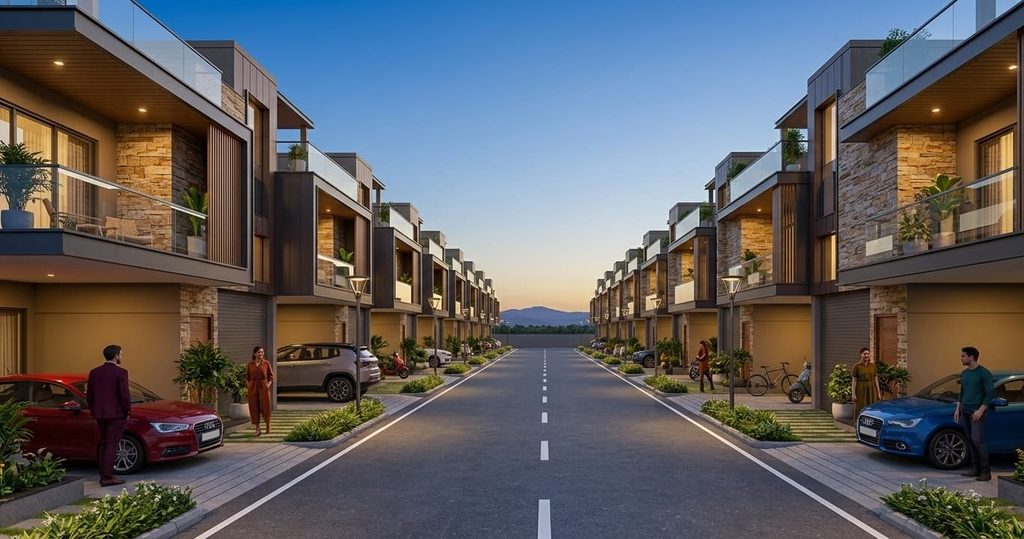
Beyond the surface aesthetics, a robust property is defined by structural longevity. High-grade materials, efficient waste management systems, and climate-responsive architecture ensure that a property remains relevant and comfortable as decades pass. The initial build quality often dictates the frequency and cost of maintenance. When evaluating options, look at how the developer manages the infrastructure. Prospective buyers searching for luxury independent villas in Noida should observe the quality of external facades and the durability of communal facilities as primary indicators of developer commitment.
Location Dynamics and Daily Utility
The adage regarding location is universally recognized, but the interpretation varies by demographic. For a young family, proximity to educational institutions and healthcare is paramount. For others, the connectivity to transport hubs takes precedence. A property becomes a strong end-user choice when it integrates seamlessly into the resident’s routine, reducing travel stress and enhancing spare time.
How Does Infrastructure Influence Property Retention?
Urban planners suggest that properties in proximity to transit nodes, retail hubs, and green zones retain value more effectively than isolated developments. When a project is situated within a matured residential district, the daily noise levels and congestion are usually stabilized. Conversely, developing areas offer modern facilities but may suffer from evolving construction schedules. Balancing these factors is the hallmark of a smart buyer who plans to call a place home for the next twenty years.
Community Environment and Association Management
A building is only as good as its management committee. The operational efficiency of a gated community, from security protocols to common area maintenance, directly influences resident satisfaction. Effective management ensures that the property does not deteriorate over time. When touring developments like the Palm Villas Noida gated community, pay close attention to the cleanliness of shared spaces and the responsiveness of facility managers.
Why is the Resident Profile Important?
The demographic makeup of a neighborhood fosters a unique social environment. Families tend to prioritize safety, play areas, and quiet hours. In contrast, younger professionals might favor proximity to social venues and fitness centers. Aligning with a neighborhood that mirrors your lifestyle ensures longevity in the property. It is beneficial to speak with current residents to understand the social dynamics and the efficacy of the home association before finalizing a decision.
Legal and Technical Due Diligence
Before committing funds, technical and legal verification is mandatory. Transparency from the developer is a significant indicator of reliability. Reputable builders prioritize strict user data protection guidelines throughout the sales process, ensuring that the buyer’s sensitive information remains secure. Do not shy away from hiring independent inspectors to verify plumbing, electrical loads, and adherence to sanctioned construction plans. Relying on experts to perform a structural audit provides peace of mind that a basic visual tour cannot.
What Legal Documents Should a Buyer Verify?
Reviewing the title deed, land use permissions, and environmental clearances is critical. These documents confirm that the developer has legal authority to construct and transfer the unit. Buyers should be wary of any project that lacks clear documentation or has unresolved disputes with regulatory bodies. Relying on legal professionals to review the fine print of the allotment letter is a safeguard against future bureaucratic hurdles that might prevent a smooth move-in process.
Design Efficiency and Spatial Planning
A floor plan defines how a family interacts within their home. The best residential spaces prioritize natural light, cross-ventilation, and privacy between rooms. Modern architecture focuses on minimizing dead space, which allows residents to maximize every square foot of the unit. Consider the layout carefully; furniture placement, storage capacity, and the flow from public areas to private chambers play significant roles in the long-term utility of the dwelling.
How to Spot a Well-Designed Home?
An efficiently designed home often feels larger than its stated square footage. High ceilings, expansive glass windows, and thoughtful placement of doors contribute to an open feel. Check for wall thickness and acoustic insulation between adjacent units. Being able to hear neighbors through common walls is a persistent issue in poorly constructed buildings. A property that excels in acoustic privacy is inherently more valuable for a peaceful living experience.
Long-Term Financial Health of the Property
While an end-user purchase is about lifestyle, the financial aspect remains relevant. A well-maintained property in a prime neighborhood will likely hold its value, providing a cushion for future life changes. Consider the monthly maintenance costs, the history of property tax increases in the region, and the potential for neighborhood improvement projects. These factors determine the total cost of ownership over a ten-year horizon.
Engaging Professional Advice
Real estate is a complex field. Many buyers benefit significantly from the guidance of seasoned professionals who provide objective analysis of market trends and project performance. If you are struggling to narrow down your search or verify building details, it is wise to contact seasoned property experts who can help you navigate local regulations and identify properties that match your specific requirements and financial thresholds.
Frequently Asked Questions
1. How can I verify the construction quality of a finished building?
To assess build quality, check for signs of dampness or leakage in basement areas and parking levels, as these are common failure points. Examine the quality of plumbing fittings, electrical wiring brands used, and the thickness of concrete slabs. Visiting the site during a rainy day can reveal issues with drainage and facade integrity that might otherwise remain hidden during dry weather conditions.
2. What are the signs of an effective neighborhood association?
An effective association is transparent, proactive, and fiscally responsible. Look for well-maintained common corridors, clean landscaping, and functional elevators. If the common areas are cluttered, lighting is dim, or security personnel appear unengaged, it indicates systemic management neglect. Speak with existing owners about their experiences regarding common area fee utilization and the frequency of building maintenance cycles.
3. Why should an end-user prioritize project connectivity?
Connectivity determines the ease of your daily life. Proximity to major arterial roads, public transport stations, and essential services like hospitals and schools saves significant time and money on transportation. A property with high connectivity is more resilient to market fluctuations because it remains desirable regardless of broader economic trends, ensuring you can easily commute, shop, or access emergency care without undue stress.
4. Is it necessary to hire a third-party legal expert?
While many buyers rely on the developer’s legal team, hiring an independent consultant provides an unbiased review of the property’s legal standing. They can identify potential red flags in the title, verify that all permits are active, and ensure that the sale agreement does not contain lopsided clauses that favor the builder at the expense of your rights as a homeowner.