
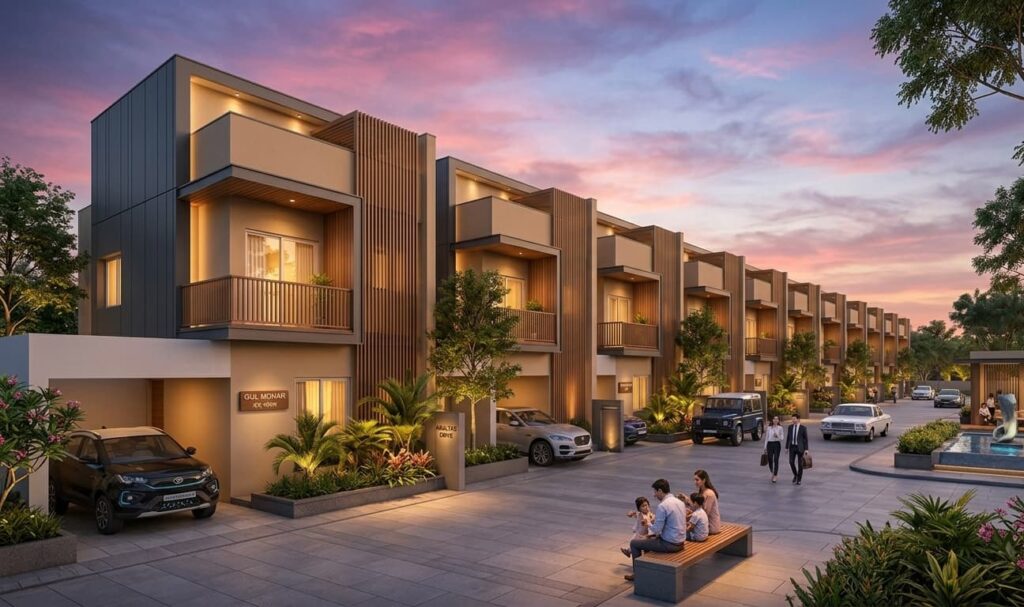
Quick Summary
Living in a villa community combines the absolute autonomy of independent housing with the safety, shared amenities, and systematic maintenance of managed residential estates. This analytical piece breaks down the spatial, architectural, financial, and sociological advantages of gated horizontal developments over high-rise living, highlighting why modern buyers are increasingly prioritizing these long-term residential assets.
The Evolution of Modern Housing: Why Villa Communities Are Leading the Way
The global perspective on residential real estate has shifted dramatically toward low-density environments. Historically, major urban centers favored vertical expansion due to space constraints and rapid urbanization. However, contemporary home buyers are reevaluating their priorities, shifting their focus toward space, health, and personalized living spaces. This transition has renewed interest in low-rise, horizontal developments that offer a blend of autonomy and community living.
A modern horizontal housing enclave provides an alternative to traditional suburban isolation and chaotic urban high-rises. It delivers an organized structure where architectural design, open spaces, and residential safety measures are planned systematically prior to construction. Property analysts at Heritage Prime observe that these developments are no longer seen as mere retirement options, but as highly active hubs for young, upwardly mobile families looking for balanced lifestyle solutions.
How has the definition of luxury living evolved in recent years?
Luxury was once defined strictly by premium internal fittings and central urban postal codes. Today, the definition has expanded to encompass environmental control, personal space, quiet surroundings, and the ability to control one’s immediate physical environment. The desire for independent walls, private terraces, and personal garden patches has superseded the appeal of shared lobby spaces and crowded high-rise complexes. This shift highlights a broader societal realization that quiet spaces and personal boundaries are vital for long-term health and productivity.
What distinguishes a master-planned villa township from standard residential complexes?
Standard residential developments often maximize land usage by building vertically, resulting in high population density and strained shared facilities. In contrast, a master-planned villa township maintains a strictly controlled floor-area ratio, ensuring that green spaces, wider roads, and recreational spaces are distributed evenly. Underground cabling, sophisticated stormwater management systems, and well-designed traffic-calming measures are integrated directly into the initial master plan, reducing the everyday inconveniences typical of unorganized neighborhoods.
Space, Privacy, and Autonomy: The Core Pillars of Villa Living
The primary advantage of living in an independent home within a gated community is the exceptional amount of space and privacy it provides. Shared walls in traditional apartment living mean that noise transfer, structural alterations, and overall privacy are constant challenges. Gated horizontal properties eliminate these concerns by ensuring proper physical distance between neighboring structures.
For prospective buyers evaluating these benefits, exploring established developments such as the ultra-luxury homes in Noida reveals how modern architectural planning prioritizes side-setbacks, private driveways, and backyards to maximize personal space. This layout allows families to host gatherings, work from home, or relax outdoors without worrying about interrupting neighbors or being overlooked by nearby buildings.
Why is direct land ownership a significant advantage over apartments?
When purchasing an apartment, a buyer only owns an undivided share of the land, which is distributed among hundreds of other co-owners. In a villa community, the purchaser typically holds direct ownership of both the physical structure and the specific plot of land it occupies. This structure provides long-term security, as land values appreciate over time while concrete structures naturally depreciate. The freedom to control the land parcel also offers a level of stability that high-rise apartments simply cannot match.
How do multi-level layouts alter the daily domestic experience?
A multi-level villa allows for a natural division of functional spaces within the household. The ground floor can be dedicated to public functions, hosting visitors, and formal dining, while the upper levels remain reserved for family bedrooms, study rooms, and quiet zones. This vertical separation ensures that teenagers, remote-working adults, and elderly family members can coexist comfortably without disrupting each other’s daily routines. It also accommodates multigenerational families, providing a balance of shared living spaces and personal retreats.
What architectural freedom comes with a custom or semi-custom villa design?
Unlike apartment residents who are bound by strict structural configurations and uniform building rules, villa owners often enjoy the flexibility to customize their properties. Whether it involves setting up a private home theater, creating a dedicated home gym in the basement, or designing an outdoor kitchen on the terrace, the physical structure can adapt to the owner’s changing lifestyle. This adaptability ensures that the home remains functional and relevant for decades, evolving alongside the family’s needs.
Safety, Security, and Community Infrastructure
While independent homes in unorganized neighborhoods offer autonomy, they often lack reliable security and continuous maintenance services. Gated residential enclaves address this issue by combining private homeownership with professionally managed, neighborhood-wide security systems and services.
These modern communities operate under comprehensive frameworks that govern security protocols, shared facility maintenance, and architectural guidelines. When purchasing within such developments, buyers sign agreements detailing these operations, which are outlined in the developer’s legal terms and service conditions to ensure clear standards for community management and long-term property upkeep.
How do modern multi-tier security systems protect horizontal developments?
Unlike high-rise towers where security is often concentrated at a main lobby entrance, villa communities employ a layered approach to safety. The outer boundary is protected by physical fencing, motion detectors, and continuous CCTV surveillance. Security guards manage vehicle access points using digital visitor registration systems, automated license plate readers, and verified access codes. Internally, patrolling guards monitor common roads and public zones, creating a secure environment where children can play outside and residents can jog at any hour without safety concerns.
What infrastructure benefits do managed enclaves provide to active families?
Living in an independent house often requires managing various municipal utilities, waste disposal services, and repair technicians on your own. In a managed villa community, these responsibilities are handled by a dedicated property management team. This team manages street maintenance, common landscape grooming, water filtration plants, backup generators, and recreational facilities. Residents enjoy the benefits of a large, well-kept estate without the daily stress of coordinating maintenance, allowing them to focus on work and family.
Financial and Investment Perspectives of Villa Enclaves
From a wealth-building perspective, investing in a villa community is widely considered a highly effective way to build long-term real estate value. While apartments are often subject to rapid market fluctuations and local supply gluts, land-backed assets tend to retain and grow their value more consistently over long horizons.
Those interested in monitoring these patterns can explore the latest real estate projects in Delhi NCR to observe how regional developers are structuring horizontal properties to meet growing market demand. This consistent demand has positioned premium villas as highly resilient assets that perform well even during broader economic shifts.
Why do villas experience higher land-to-building valuation ratios?
The value of any real estate asset consists of two components: the physical building and the underlying land. Concrete structures depreciate over time due to wear and tear, requiring capital upgrades or renovations. Land, however, is a finite resource that appreciates as regional demand increases. Because a villa owner owns a larger proportion of land relative to the physical building compared to an apartment owner, the asset value appreciates more reliably over the long term, acting as a natural hedge against inflation.
How does renting a premium villa differ from renting a high-end apartment?
The rental market for premium villas is distinct, typically attracting high-earning corporate executives, embassy officials, and business owners. These tenants tend to sign longer lease agreements and prioritize stability, resulting in lower tenant turnover for property owners. Additionally, because the supply of gated villa communities in premium areas is limited, owners can command stable, premium rental yields, making these properties excellent income-generating assets for investment portfolios.
Comparison Table: Villa Communities vs. High-Rise Apartments
To provide a clear overview of the differences between these two residential options, the table below highlights key lifestyle, structural, and financial factors:
| Feature | Gated Villa Community | High-Rise Apartment Complex |
|---|---|---|
| Land Ownership | Direct ownership of the underlying plot | Undivided share of total project land |
| Privacy Level | High: independent walls, setbacks, private yards | Moderate: shared walls, corridors, common lobbies |
| Structural Customization | Flexible; subject only to community guidelines | Highly restricted; limited to interior styling |
| Population Density | Low: quiet streets, spacious shared amenities | High: busier shared facilities, elevators, and parking |
| Long-term Appreciation | Strong; driven by direct land value growth | Moderate; influenced by building depreciation |
Health, Wellness, and Environmental Integration
Beyond physical space and financial returns, living in a villa community has a positive impact on personal well-being. Modern residential layouts prioritize ecological balance, clean air, and active, outdoor lifestyles, creating an environment that supports physical and mental health.
These design principles reflect a growing interest in wellness-focused housing throughout the region. For updates on how regional urban planners are incorporating wellness and green spaces into new residential projects, following a dedicated NCR real estate blog and market insights can help buyers identify upcoming developments designed around these sustainable trends.
How do lower density and increased green cover impact physical well-being?
High-density urban areas often struggle with heat islands, localized air pollution, and noise. Villa communities, with their low-density planning and extensive green spaces, maintain cooler microclimates and significantly lower noise levels. The abundance of trees and landscaped gardens acts as a natural dust filter, improving local air quality. Additionally, peaceful, traffic-free streets encourage residents of all ages to walk, run, or cycle regularly, promoting active and healthy lifestyles.
What sustainability features are easier to implement in independent homes?
Implementing sustainable home upgrades can be challenging in high-rise apartments due to shared structural limitations. Villa owners, however, can easily adopt eco-friendly technologies. For instance, installing rooftop solar panels can significantly reduce grid energy consumption. Homeowners can also set up private rainwater harvesting systems, compost organic waste for backyard gardens, and install dedicated high-capacity EV charging stations in their private garages, making it easier to live an environmentally responsible lifestyle.
Frequently Asked Questions (FAQ)
Is maintenance more expensive in a villa community than in an apartment complex?
Generally, maintenance charges in villa communities are structured differently because residents are responsible for maintaining their private structures, gardens, and roofs. Common area maintenance fees pay for shared security, streetlights, waste management, road upkeep, and recreational clubhouses. While the total cost can be higher due to the larger size of the home and private yard, the long-term benefit is greater control over maintenance quality and direct oversight of your property assets.
How do villa communities support children and pet owners?
Villa communities provide a secure, low-traffic environment that is highly supportive of children and pets. Wide pavements, dedicated play areas, and private backyards allow children to play outdoors safely, away from busy traffic. For pet owners, having a private, enclosed garden offers space for pets to move freely, while the community’s quiet streets and green spaces are ideal for daily walks without the restrictions often found in high-rise buildings.
Can villa designs be customized after purchase within a gated community?
Yes, customization is typically permitted, though it is usually subject to guidelines set by the community’s homeowners association (HOA) or developer. These guidelines are designed to maintain a cohesive neighborhood aesthetic, manage structural height limits, and prevent projects from blocking neighbors’ light or air. Internal remodeling is generally fully customizable, allowing owners to update their living spaces as needed.
How resilient is the resale value of a villa compared to an apartment?
Villa properties tend to hold their resale value exceptionally well because land is a finite resource. While apartment supply can increase quickly as new towers are built, the supply of well-located horizontal land plots is limited. This scarcity, combined with direct land ownership and premium community maintenance, ensures that villas remain highly sought-after assets, retaining strong buyer demand and value even during economic transitions.