
Quick Summary
Choosing between community living and independent living involves balancing social connectivity, financial commitments, and personal freedom. While gated communities offer shared maintenance, advanced security systems, and immediate access to premium amenities, independent residences provide complete architectural control, unmatched privacy, and direct land ownership. This analytical guide dissects both housing paradigms, examining cost structures, privacy protocols, and long-term asset appreciation to assist discerning home buyers in selecting the optimal environment for their specific life stage and family goals.
Understanding the Modern Housing Dilemma
What is the primary difference between community and independent housing?
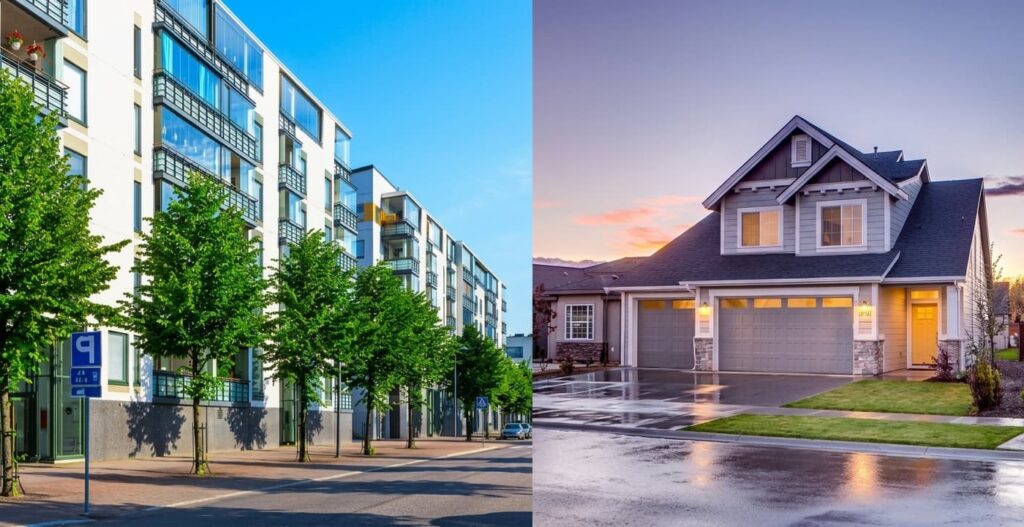
At its core, the distinction lies in the governance of space, asset ownership, and day-to-day operations. Community living, which includes high-rise apartments, cluster homes, and planned gated estates, involves shared ownership of common areas and facilities. Residents enjoy shared access to parks, clubs, and security infrastructures, managed collectively or through a professional association. This model prioritizes convenience, standardized maintenance, and social integration over absolute autonomy.
Conversely, independent living refers to standalone houses, plots, or self-built bungalows where the owner holds full, undivided title to both the building and the underlying land. In this format, the homeowner assumes complete responsibility for construction, exterior aesthetics, security systems, and utility connections. There are no shared walls, shared maintenance fees, or community bylaws governing how the property is styled, renovated, or utilized, providing a high degree of personal sovereignty.
How have societal shifts changed homebuyer preferences?
In recent decades, urbanization and shifting employment patterns have transformed how people view residential real estate. Historically, owning a piece of land and constructing a custom home was the ultimate benchmark of financial security. However, as professional schedules became more demanding and urban space became scarcer, the convenience of pre-configured apartments and managed estates gained significant traction among double-income families and working professionals.
In the current real estate market, buyers are increasingly evaluating these choices through the lens of long-term wellness, remote work compatibility, and safety. The desire for open green spaces, reliable power backup, and modern fitness facilities close to home has driven a surge in structured community layouts. At the same time, the need for larger, highly customized home offices and multi-generational living spaces has preserved strong market demand for standalone properties and private residences.
Analyzing Community Living: Benefits and Shared Responsibilities
What makes gated estates so popular among young families?
Modern gated communities offer a ready-to-use lifestyle ecosystem that is highly appealing to families with children and working parents. These developments typically feature internal roads with restricted vehicle access, dedicated children play zones, swimming pools, and clubhouse structures. The presence of these facilities within a secure perimeter eliminates the need to commute to external clubs or recreational centers, saving valuable time every week.
For those seeking an upscale residential experience that balances structured community planning with personal space, developments like the exclusive residential community in Delhi NCR represent an excellent example. Such developments provide curated internal environments where children can play safely outdoors, and elderly residents can socialize in secure, landscaped walking paths without leaving the perimeter of their residential neighborhood.
How do shared amenities balance social connection and personal space?
Living in a community allows residents to engage in social events, recreational clubs, and seasonal festivals. This structure helps build a reliable support system, which is particularly beneficial for nuclear families, single professionals, and seniors. Having neighbors nearby ensures that assistance is readily available in emergencies, reducing the sense of isolation that can sometimes occur in isolated urban environments.
However, this level of interaction is balanced by clear boundaries. Modern builders design layouts with acoustic buffers, private balconies, and setback distances to ensure that individual homes remain private sanctuaries. Homeowners can choose their level of participation in community events, enjoying the dual benefit of a lively social circle when desired and complete quietude when resting.
| Feature | Community Living (Gated Estates) | Independent Living (Standalone Plots) |
|---|---|---|
| Security & Access Control | Multi-tier security, guard patrols, visitor apps, CCTV networks | Self-managed alarms, private cameras, personal security personnel |
| Maintenance Burden | Managed by a resident association or facilities management team | Entirely organized, supervised, and funded by the property owner |
| Design Flexibility | Must adhere to community design guidelines and structural rules | Complete freedom to modify interiors, exteriors, and landscape |
| Recreational Amenities | Shared access to clubhouses, pools, sports courts, and gardens | Requires private investment for personal pools or home gyms |
Evaluating Independent Living: Freedom, Customization, and Privacy
Why do multi-generational families prefer standalone residential structures?
For multi-generational households, the spatial flexibility of an independent home is highly practical. Standalone structures allow families to build additional floors or annexes as the household expands. This arrangement enables grandparents, parents, and adult children to reside under a single roof while maintaining separate living quarters, kitchens, and private entryways, preventing the friction that can arise from cramped living spaces.
Additionally, the lack of shared floors and ceilings means noise transmission between residences is virtually non-existent. Homeowners can host social gatherings, practice musical instruments, or let children play without worrying about disturbing neighbors across a common wall. This sense of peace and complete domestic control remains a significant driver for those looking to invest in bespoke home designs.
What are the layout customization freedoms of an independent plot?
When building on an independent plot, the buyer has the creative freedom to design every square inch according to their lifestyle. From selecting the architectural style, whether colonial, minimalist, or traditional, to specifying the exact quality of building materials, sanitary fittings, and smart home automation systems, the owner retains final decision-making power. This level of customization is rarely possible in pre-designed housing complexes.
For those who want to avoid the challenges of self-managing raw construction while still seeking the space and luxury of a private home, exploring luxury independent villas in Noida offers a great middle path. These properties deliver the space, architectural prestige, and freedom of a standalone villa while often being situated within high-end, thoughtfully planned residential neighborhoods.
Security Protocols and Modern Privacy Frameworks
How do modern gated complexes handle security infrastructure?
Security is a major factor driving buyers toward master-planned communities. Modern gated estates implement a multi-tiered security system that begins at the main entrance gate. This includes continuous CCTV monitoring, boom barriers, biometric access control for service staff, and round-the-clock physical patrols. Having these layers in place provides peace of mind, particularly when family members travel frequently or work late hours.
Furthermore, because the cost of security personnel and equipment is distributed across hundreds of homes, gated communities can easily implement advanced monitoring tools. This includes perimeter intrusion detection systems, integrated thermal imaging cameras, and unified emergency response protocols that are typically too costly or complex for an individual homeowner to install and run independently.
How does digital visitor tracking impact homeowner data security?
While digital visitor management systems improve physical security by tracking entrants in real-time, they also require careful handling of personal contact information and movement logs. Modern residential managers are increasingly implementing digital safeguards to ensure that personal data collected at entry points is not misused or leaked. These digital databases must be maintained with strict access controls and automatic data deletion schedules.
To protect user rights, premium property developers and management companies align their software systems with strict user data protection guidelines. This ensures that resident contact details, vehicle registration numbers, and guest logs are stored securely, protecting family privacy in both the physical and digital domains.
Cost Ownership Dynamics: Purchase Price vs Long-term Maintenance
What are the hidden costs of managing an independent structure?
While independent living eliminates monthly community maintenance charges, it introduces several unpredictable operational costs. As the sole owner, you are fully responsible for structural repairs, roof waterproofing, exterior painting, plumbing emergencies, and pest control. These tasks require not only financial investment but also your personal time to source reliable contractors and supervise the work.
In addition to structural upkeep, standalone homeowners must manage and pay for individual utility setups. This includes installing and maintaining water purification plants, purchasing private generator sets for power backup, and arranging individual garbage disposal systems. Over time, these individual operational expenses can accumulate and exceed the predictable monthly maintenance fees of an organized housing society.
How do maintenance funds in integrated societies optimize monthly expenses?
In organized societies, maintenance costs are pooled, allowing residents to benefit from economies of scale. The resident welfare association can negotiate bulk contracts for elevator maintenance, security services, waste management, and landscaping. This collective bargaining power significantly reduces the per-household cost of premium amenities and services that would otherwise be very expensive to maintain individually.
For a hassle-free living experience, it is highly recommended to partner with a builder known for robust engineering and structural quality. Consulting a reputable real estate developer in NCR guarantees that the primary building construction, drainage systems, and structural framing are executed to high standards. This upfront quality minimizes major repair needs down the line, ensuring that monthly maintenance funds are spent on improving the community rather than fixing basic construction defects.
The Hybrid Solution: Villa Communities
Can you combine independent structures with managed community amenities?
For buyers torn between the freedom of independent homes and the convenience of gated communities, villa developments offer an appealing compromise. In a villa community, you own your individual home, private lawn, and roof, allowing for personal styling and structural independence. At the same time, the home is situated within a secure, managed boundary, giving you access to shared maintenance, professional security, and modern community facilities.
This model provides a balanced lifestyle, particularly in micro-markets like Delhi NCR, where high-end buyers look for both privacy and lifestyle convenience. It allows you to enjoy a private garden and personal parking spaces while a professional property management team handles road maintenance, common area lighting, garbage collection, and round-the-clock perimeter security.
Final Decision Framework: Which Style Matches Your Life Stage?
How to assess your personal lifestyle prior to making a purchase?
To choose the right housing model, it is helpful to look past marketing materials and assess your actual lifestyle patterns, long-term plans, and personal habits. Start by asking yourself these simple, clarifying questions to determine your priorities:
- Time Availability: Do you have the time and patience to oversee structural repairs, gardeners, security guards, and service staff, or do you prefer to pay a monthly fee and have professional property management handle it?
- Personal Privacy: Do you prefer absolute privacy with complete control over your walls, yard, and entrance, or are you comfortable with shared structures and common areas?
- Family Demographics: Are you looking for a safe, active environment with built-in play zones for young children, or do you need a highly customized space for a large, multi-generational family?
- Investment Focus: Are you looking for maximum land appreciation, which independent plots often provide, or do you prioritize the immediate rental demand and utility of a master-planned community?
By answering these questions honestly, you can clarify your personal needs and move forward with confidence. Whether you choose the dynamic lifestyle of a community setting or the quiet independence of a standalone home, matching your residential space with your daily routines is the key to long-term satisfaction. Heritage Prime remains dedicated to helping you make this decision, offering professional insights and high-quality residential options tailored to diverse lifestyle needs.
Frequently Asked Questions
1. Which housing option generally offers better long-term resale value?
Historically, independent houses on owned land see higher long-term land value appreciation because the underlying plot is a finite, appreciating asset. However, gated community homes often resell faster due to their modern facilities, reliable security, and established infrastructure, which appeal to a broader segment of the home-buying market.
2. Can I customize the exterior of my house inside a gated community?
In most structured gated communities, external changes are restricted to maintain a cohesive neighborhood aesthetic. You must follow the design guidelines established by the Resident Welfare Association. If you want complete freedom over your home exterior, paint choices, and landscaping, an independent plot is the better option.
3. Are maintenance costs significantly higher in community living?
Community living requires a regular, predictable monthly maintenance fee for shared facilities. While this may seem like an extra ongoing cost, it is often more economical than paying for security, gardening, pool maintenance, and structural repairs on an individual basis for an independent house.
4. Is independent living safe for retired couples?
Independent living can be safe if you invest in modern home security systems, including CCTV, automated alarms, and secure gates. However, gated communities generally offer a safer environment for seniors because they feature physical guard patrols, rapid medical response networks, and a built-in community of nearby neighbors.