
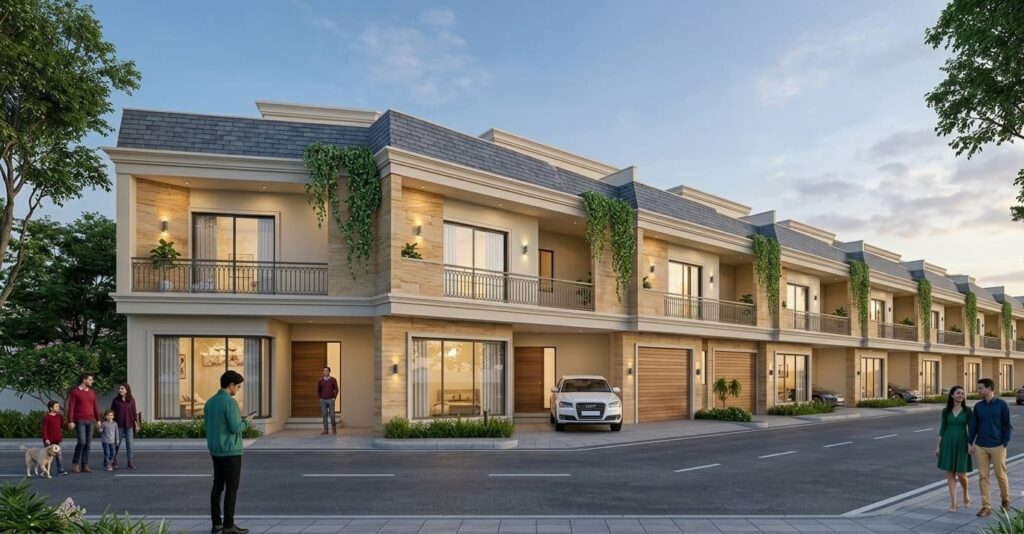
Quick Summary
Standalone villas require specialized insurance because owners carry sole responsibility for the entire structural shell, surrounding land, and custom high-value interiors. Unlike apartments, where community associations manage exterior repairs, villa owners face individual exposure to structural damage, premise liabilities, and natural calamities. Selecting the right policy involving reinstatement values, specialized exterior riders, and a deep understanding of standard exclusions remains the single most effective way to safeguard these significant real estate investments.
Understanding Villa Insurance vs. Standard Apartment Insurance
Owning a luxury villa offers an unparalleled sense of privacy, space, and architectural freedom. However, this independence brings distinct responsibilities, particularly regarding risk management and asset protection. Property insurance for standalone structures is fundamentally different from policies designed for high-rise apartments or group housing societies.
In a typical apartment complex, the residential welfare association manages a master policy that covers the physical structure, common corridors, elevators, and outer walls. Apartment owners only need to insure the internal contents and any customized interior improvements. For a villa owner, the scenario is completely different. Every square inch of the physical structure, from the deep concrete foundations to the roof tiles, along with the boundary walls, private gates, and underground plumbing, is the sole responsibility of the individual homeowner.
How does a villa’s physical footprint impact its risk profile?
A standalone villa interacts directly with the local environment. Without the shared protection of surrounding residential towers, a villa is fully exposed to weathering, localized soil shifting, tree-fall damage, and direct lightning strikes. Its ground-level placement means that local drainage failures can cause immediate water ingress into the basement or ground floor, destroying high-end finishes and structural integrity.
Additionally, standalone properties feature multiple ground-floor entry points, including french doors, patio access, and low-height windows. This physical layout increases susceptibility to unauthorized entry, vandalism, and burglary compared to mid-rise apartments that benefit from multi-tiered access control systems at building lobbies. Property analysts at Heritage Prime note that this expanded risk exposure makes customized physical security and comprehensive insurance coverage necessary rather than optional.
Why do standard home insurance policies fall short for standalone estates?
Standard home insurance products often rely on highly generalized underwriting matrices. They typically use a simple square-footage calculation to determine rebuild costs, which assumes standard construction materials and straightforward layouts. Luxury standalone estates involve complex architectural layouts, custom stone masonry, premium glass façades, and integrated home automation systems that do not fit into these basic templates.
If an owner relies on a generic policy, they run a serious risk of under-insurance. In the event of a total loss, the payout calculated on standard construction rates would not cover even half of the actual expenses required to recreate the original custom architectural design. A specialized villa insurance policy evaluates the actual reinstatement costs of these premium elements, ensuring that the financial reimbursement matches the true scale of the physical asset.
Key Coverage Components for Luxury Landed Properties
A comprehensive asset protection strategy for a premium property must consist of multiple interconnected layers. It is not enough to cover the bare walls: the policy must address the physical structure, the highly valuable personal assets contained within, and the legal liabilities that arise from owning a large private estate.
What is structure or building coverage for independent homes?
Structure coverage protects the physical shell of your home. This includes load-bearing columns, external stone cladding, roofs, private terraces, balconies, and built-in fixtures such as integrated central air-conditioning plants, fitted wardrobes, and modular kitchen systems. When looking at properties like those in the Shyam Kunj Villas luxury township, protecting these independent homes with modern amenities requires a policy that evaluates the complete cost of rebuilding every custom architectural detail from scratch.
This structural component should also cover auxiliary external buildings. This includes security guard cabins, detached helper quarters, private garages, pump rooms, and overhead water tanks. A failure in any of these external structures can disrupt the daily functioning of the primary estate, making their inclusion in the main building policy vital.
How does contents insurance protect high-value interior possessions?
Villas are often filled with bespoke interiors, high-end electronics, imported furniture, fine art, and family heirlooms. Contents insurance protects these personal items against damage from fire, water leakage, natural disasters, and burglary. To ensure adequate coverage, property owners must maintain a detailed, periodically updated digital inventory of all high-value items, complete with original invoices and professional valuation certificates.
Many policies offer two different methods for contents coverage: actual cash value (which deducts depreciation based on the item’s age) or replacement cost value (which pays the current market rate to purchase a new, equivalent item). For luxury items, securing a policy based on replacement cost value is highly recommended to avoid substantial out-of-pocket expenses when replacing high-end systems or premium furniture.
What role does liability protection play for private estate owners?
One of the most overlooked risks of owning a large standalone property is premises liability. Unlike compact apartments, villas often employ a larger number of external service providers, including gardeners, security staff, maintenance technicians, and cleaning personnel. If a service provider, guest, or utility worker suffers a severe bodily injury on your property due to a wet floor, a loose stair railing, or a structural failure, you can be held legally and financially liable.
Liability coverage pays for the legal defense fees, court settlements, and medical expenses resulting from such accidents. This protection acts as a buffer, ensuring that a single unfortunate accident does not lead to prolonged litigation or devastating financial settlements that could impact your personal wealth.
Specialized Add-Ons and Riders for High-End Villas
Standard home insurance policies are rarely sufficient for luxury properties because they ignore the exterior lifestyle amenities that define villa living. To bridge this gap, insurance providers offer specific riders designed for premium standalone homes.
Should you purchase policy additions for private swimming pools and landscaping?
A luxury villa’s aesthetic appeal depends heavily on its external environment, including manicured lawns, mature specimen trees, expensive hardscaping, boundary lighting, and private swimming pools. These exterior features are highly susceptible to damage from severe weather, local soil erosion, and accidental chemical contamination. If you invest in luxury independent villas in Noida, these exterior elements represent a major chunk of your capital expenditure. Hence, getting landscaping riders is highly practical.
A standard structural policy does not cover the cost of clearing fallen trees, restoring ruined manicured lawns, or repairing cracked swimming pool shells. Adding specialized landscaping and outdoor structure riders ensures that the high-cost outdoor features of your estate are restored to their original pristine state following any natural disaster.
How does loss of rent or alternative accommodation cover work?
If a severe event such as a major fire or a major flood renders your villa temporarily uninhabitable, the process of reconstruction can take several months or even years due to the complex architectural elements involved. During this extended rebuilding period, you will need to rent an alternative residence of an equivalent standard to maintain your family’s quality of life.
An alternative accommodation rider covers the cost of renting a comparable luxury property while your primary home is being rebuilt. If you have leased your villa to a high-profile tenant, this rider can also compensate you for the loss of rental income during the displacement period, ensuring your cash flows remain unaffected.
Valuation Methodologies for Villa Insurance Premiums
The math behind calculating insurance coverage is simple, but errors can lead to serious financial loss. Homeowners must understand the technical distinction between land value and construction value to avoid paying unnecessarily high premiums.
What is the difference between reinstatement value and market value?
Market value is the price your entire property would fetch on the open real estate market, which includes the premium cost of the physical land parcel. Reinstatement value is the actual cost required to clear the debris, purchase raw materials, employ labor, and reconstruct the physical villa structure from the ground up at current market rates.
An insurance policy should only be calculated on the reinstatement value of the structure and its contents. The land itself is virtually indestructible and does not need to be insured against fire, theft, or windstorms. Insuring a villa for its full market value results in highly inflated premiums without providing any additional financial protection, as insurers will never pay out the value of the land in a property damage claim.
How do insurers calculate premium costs for large estates?
Insurance underwriters look at several risk factors to determine the premium rate for a standalone villa. These include the age of the structure, the type of materials used in construction, the presence of smart home fire detection systems, and the proximity of the property to local emergency services such as fire hydrants and police stations. Sourcing your property from a builder with a legacy of trust in home construction provides clear documentation of construction quality, load-bearing capacities, and fire-retardant materials, making risk assessment easier for underwriters.
By building with certified, fire-resistant materials and incorporating modern safety systems, property owners can negotiate lower premium rates. Underwriters recognize that well-constructed homes are less likely to suffer catastrophic failure, and they reward these risk-reduction measures with more favorable policy pricing.
Common Exclusions to Look Out For in Policy Documents
While a comprehensive policy offers peace of mind, it does not cover every type of damage. Understanding what is excluded from your policy is critical to avoiding unexpected out-of-pocket expenses and ensuring your property remains fully protected.
What damages are typically excluded from home insurance policies?
Most property insurance policies exclude damages caused by gradual wear and tear, lack of regular maintenance, termite or pest infestations, and pre-existing structural defects. For example, if a slow, unaddressed water leak inside a wall eventually causes structural rot, the insurer will likely deny the claim, citing a failure of basic property maintenance.
Other standard exclusions include damages resulting from war, nuclear hazards, political civil unrest, and intentional damage caused by the property owner. Additionally, many policies have an unoccupancy clause. If a villa is left empty for more than 30 or 60 consecutive days without prior written notification to the insurer, any damage occurring during that period may not be covered.
How can villa owners avoid claim rejections during emergencies?
To avoid claim rejections, villa owners must thoroughly review the policy documents and keep up with routine property maintenance. This includes cleaning drainage systems before the monsoon season, testing fire protection systems quarterly, and maintaining a digital record of all maintenance activities to prove the property was well-kept.
Additionally, reading the legal terms and service conditions helps clarify what constitutes unoccupied property exclusions, ensuring claims are not denied if the property is vacant during holidays. Clear, timely communication with your insurer about any structural modifications or extended travel plans is the best way to keep your policy active and valid.
Comparing Coverage Options: Standard vs Comprehensive Villa Insurance
Choosing the right insurance structure depends on the specific features of your estate. The table below outlines the key differences between basic coverages and comprehensive customized policies:
| Feature / Risk Type | Basic Fire & Allied Perils | Comprehensive Villa Cover | All-Risks Custom Policy |
|---|---|---|---|
| Structural Protection | Only covers direct fire, lightning, and specified storm damage | Covers fire, natural calamities, and accidental structural collapse | Full reinstatement of any accidental physical damage unless excluded |
| Contents Cover | Not included (must purchase separately) | Included up to predefined limits based on depreciated value | Full replacement value for high-end electronics, art, and furniture |
| Landscape & Pool Protection | Completely excluded | Optional limited add-on | Fully integrated coverage including restoration of hardscaping |
| Third-Party Liability | Excluded | Standard public liability limits included | High-limit personal and employee liability protection |
| Alternative Lodging Cost | Not covered | Covers basic rental for limited period | Covers equivalent luxury rental standard till full rebuild is done |
Step-by-Step Guide to Purchasing and Claiming Villa Insurance
Securing an insurance policy requires an organized approach. Following a structured process ensures that you purchase the correct amount of coverage and can file claims successfully during stressful situations.
What documents are required to secure a villa insurance policy?
When applying for a premium villa insurance policy, the underwriting team will require several documents to verify the property’s value and structural integrity. You will need to provide the property sale deed, the approved architectural layout plans, structural stability certificates from certified engineers, and proof of municipal property tax payments.
To insure high-value internal contents, you should provide an itemized inventory list with purchasing dates, original invoices, and photographic or video proof of installation. For luxury art or bespoke jewelry, formal appraisal certificates from licensed valuers are required to establish their replacement values before the policy is finalized.
How do you file a property damage claim successfully?
If your property suffers damage, you must act quickly. The first step is to inform your insurance provider immediately, ideally within 24 hours of the incident. You must take extensive photographs and high-definition video of the damaged areas, structural cracks, or ruined contents to serve as primary evidence.
If the damage is due to burglary, vandalism, or vehicular collision, you must file a First Information Report (FIR) with the local police department and provide a copy to your insurer. Do not clear the debris or start any unauthorized repairs before the official surveyor appointed by the insurance company has inspected the site. Keep all repair estimates, material invoices, and labor receipts organized to present during final claim settlement discussions.
Frequently Asked Questions
Is land value included in the sum insured for a villa?
No, land value is not included in the sum insured. Insuring land is unnecessary because it cannot be destroyed by fire, windstorms, or other natural disasters. The sum insured should only reflect the physical structure’s reinstatement value and the value of its contents.
How does the depreciation clause affect my claim payout?
Under standard policies, insurers apply depreciation based on the age of materials. This means you will receive a lower payout that accounts for wear and tear. To avoid this, villa owners should choose a replacement cost value policy or add a zero-depreciation rider for structural components and high-value contents.
Can I insure my villa if it is rented out to a tenant?
Yes, you can insure a rented villa. However, you must inform the insurer that the property is occupied by a tenant. You should secure a landlord-specific policy that covers structural damage and public liability, while advising your tenant to purchase separate renter’s insurance for their personal belongings.
How does a home security system impact villa insurance premiums?
Installing advanced security measures, such as 24/7 CCTV surveillance, automated fire sprinklers, smart motion detectors, and localized alarm systems connected to local security agencies, significantly reduces the villa’s risk profile. Insurers typically reward these risk-reduction measures by offering substantial discounts on annual premiums.