
Quick Summary
Choosing a property is not merely a financial transaction but a foundational decision for your household. Key factors include spatial flow for different age groups, proximity to schools and workplaces, long-term asset appreciation, and community safety. By aligning property attributes with your family’s daily habits and future growth, you ensure a higher quality of life and better investment security.
Family Life and Spatial Design
The physical layout of a home dictates how a family interacts on a daily basis. When selecting a residence, the floor plan serves as the primary determinant of comfort. Families with young children often prioritize open-concept living areas where parents can monitor play while managing household tasks. In contrast, households with teenagers or aging relatives tend to value distinct zones that offer privacy and sound insulation. These design choices influence the overall utility of the space and dictate the long-term feasibility of living in a specific property.
Multi-generational living arrangements require specific structural considerations. Homes that provide ground-floor bedrooms or accessible bathrooms ensure that elderly members can navigate their environment without difficulty. Heritage Prime often observes that families who account for these accessibility needs early in the search process avoid the necessity of expensive renovations later. Efficient space utilization involves looking beyond aesthetics to assess how traffic flows through corridors and common rooms, ensuring that high-density areas remain functional during peak hours.
Location and Lifestyle Synergy
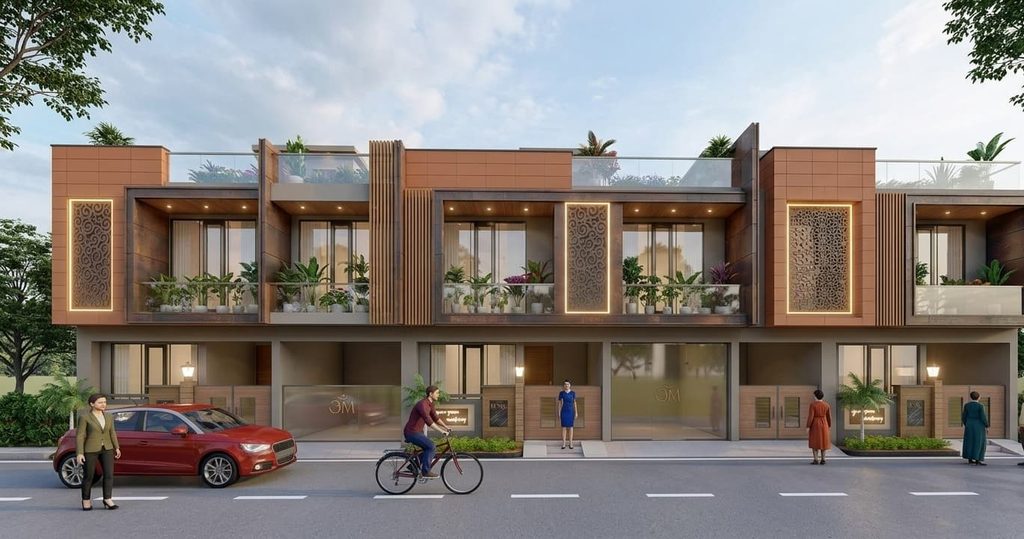
The proximity of a home to essential services remains a non-negotiable factor for many families. A location that minimizes commuting time directly impacts the amount of quality time family members spend together. While many buyers focus exclusively on school district ratings, it is equally important to evaluate the accessibility of hospitals, grocery stores, and recreation centers. Choosing luxury independent villas in Noida offers a unique balance of urban connectivity and quiet residential environments that many modern families find ideal for long-term stability.
Neighborhood walkability also contributes to the physical and social well-being of the family. Proximity to parks or pedestrian-friendly zones encourages outdoor activity, which fosters social bonds between neighbors and children. When assessing location, consider the shift in family dynamics over the next decade. A property that is perfectly situated for a family with toddlers might feel restrictive once those children reach their teenage years, necessitating a shift toward areas with better extracurricular access or public transit links for independent travel.
Safety and Community Infrastructure
Security is a paramount concern when selecting a property. Gated residential developments provide a layer of protection that many families find comforting. These communities typically feature controlled access points, surveillance systems, and dedicated security personnel, which collectively contribute to a sense of peace. For example, selecting a home within the Palm Villas Noida gated community provides residents with a controlled environment that reduces common external risks, allowing children to play and families to socialize with confidence.
Beyond physical security, digital and legal safety is vital. When engaging in property searches, you must share personal details with brokers and developers. It is important to verify that the parties involved adhere to strict user data protection guidelines. By choosing partners who maintain transparent practices, you protect your family identity while navigating the competitive real estate market. Always ask about the privacy protocols in place to ensure your information remains secure throughout the transaction process.
Balancing Budget with Long-Term Value
Financial planning for a family home requires a distinction between short-term costs and long-term asset growth. It is easy to be swayed by modern finishes, but structural integrity and construction quality should take precedence. A well-built home requires fewer interventions over its lifespan, saving families significant capital. If you are uncertain about the potential appreciation of a specific neighborhood, it is wise to contact seasoned property experts who can provide market insights that go beyond simple price-per-square-foot metrics.
When evaluating financial commitments, factor in the costs associated with the upkeep of the property. Large properties with extensive landscaping may offer aesthetic appeal but require regular maintenance investment that can strain a family budget. A balanced approach involves choosing a property that offers enough room for current needs while allowing for natural appreciation without demanding an excessive share of the family’s monthly income. This strategic foresight protects the family’s overall financial health while providing a comfortable residence.
Preparing for Future Family Shifts
The lifecycle of a family is dynamic, and properties should ideally be able to adapt. A room currently used as a nursery can easily transition into a study or a hobby space as children grow. Similarly, flexible floor plans that allow for internal wall removal or addition can extend the usability of a house for decades. Many homeowners fail to consider how their usage of space will evolve, often finding themselves moving to a new property every few years because their current home lacks the capacity to adapt to their changing lifestyle phases.
Consider also the potential for hosting guests or managing extended family visits. A property that includes a dedicated guest bedroom or a secondary living space provides immense utility. When visiting potential properties, imagine the home in different scenarios: during a holiday gathering, a quiet weekday morning, or a period where professional work occurs from home. This visualization helps confirm if the square footage is being utilized effectively or if the layout creates bottlenecks that would hinder family comfort over time.
Digital Security and Information Management
In an era where real estate transactions involve significant digital data, maintaining the integrity of your personal information is a core aspect of family safety. When you begin your property search, you will likely register on several platforms. Ensure that you have reviewed our customer data privacy policy before providing sensitive details. Being diligent about where and how you share your family’s personal data prevents unnecessary exposure and maintains your household’s privacy during the entire process of searching for and securing a new residence.
What is the ideal room count for a growing family?
The ideal room count depends on your specific lifestyle. Most experts suggest aiming for one extra room beyond your current requirement. This space acts as a flexible buffer for a home office, study area, or guest accommodation, which prevents the need to relocate as the family grows.
How does proximity to public transport affect family life?
High connectivity reduces the dependency on multiple vehicles and minimizes time spent in traffic. This allows for more meaningful interaction at home, reduces fuel costs, and increases the independence of teenage children who may need to reach school or coaching centers without parental assistance.
Should I prioritize square footage or layout quality?
Layout quality is almost always superior to raw square footage. A smaller, well-designed home with an efficient floor plan provides more usable, livable space than a larger, poorly configured one that is full of wasted hallways or inaccessible corners.
Why is neighborhood demographic important?
Living in an area with a similar demographic profile ensures that community amenities—such as parks, playgrounds, and social clubs—are tailored to your family’s life stage. This fosters a sense of belonging and ensures that your neighbors share similar values and lifestyle rhythms.