
Quick Summary
Private outdoor spaces have transitioned from luxury amenities to fundamental necessities for urban and suburban dwellers alike. This comprehensive analysis details the psychological, physical, and financial benefits of personal gardens, balconies, and courtyards. Learn how direct access to open-air environments reduces stress levels, improves cardiovascular health, and fosters deeper social connections. Additionally, discover the high financial dividends of custom landscaping and structured outdoor design in modern real estate, presenting data-backed evidence on property appreciation and ecological contributions.
The Evolution of Modern Urban Living and Private Green Spaces
Why are home buyers prioritizing private backyards?
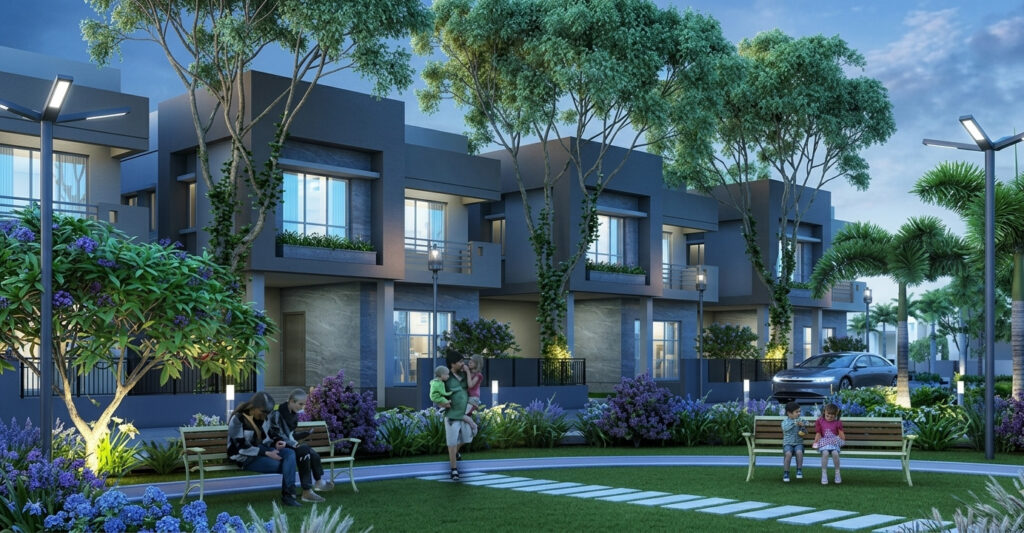
For decades, urban planning focused on maximizing indoor square footage at the expense of external allotments. However, recent demographic changes and lifestyle reassessments have inverted this trend. Modern residents now view open-air zones as extensions of their living rooms. Personal yards provide a buffer against the constant sensory overload of urban areas. Heritage Prime notes that buyers are increasingly willing to sacrifice central metropolitan proximity for properties that offer dedicated garden areas or spacious terraces. This shift reflects a broader understanding of residential wellness, where a home is not just a shelter but a holistic sanctuary. Buyers recognize that physical distance from neighbors and direct access to sunlight are vital components of daily comfort.
Furthermore, the psychology of homeownership has transformed. Today, the backyard is not merely a patch of grass; it is a personalized canvas for self-expression, health, and leisure. Home buyers seek spaces where they can grow their organic produce, set up outdoor workspaces, or simply sit in quiet contemplation. Having immediate access to a private patch of earth provides an invaluable sense of security and autonomy, which public parks cannot replicate. Consequently, properties featuring well-apportioned outdoor areas are experiencing unprecedented demand, redefining what constitutes premium real estate in the modern era.
How did the shift toward outdoor living start?
The movement began as a response to rapid, unchecked urbanization. The rise of high-rise apartments stripped individuals of direct soil and sky contact, creating a phenomenon often termed nature deficit. As remote work structures solidified, the boundaries between professional spaces and personal quarters blurred. Residents spent unprecedented amounts of time indoors, highlighting the physical and psychological limitations of standard apartment living. This realization prompted a massive migration toward developments that integrate outdoor space natively. Homeowners realized that having a private patch of grass or a spacious veranda directly influences daily productivity, emotional resilience, and overall life satisfaction. This shift is not a temporary trend but a permanent realignment of housing priorities.
Historical urban layouts often prioritized communal parks, but these public spaces often fall short in terms of accessibility, safety, and personal comfort. During times of high stress or social restriction, public parks can become overcrowded or entirely inaccessible, leaving residents isolated within concrete walls. This vulnerability highlighted the necessity of having a personal pocket of nature. Today, developers recognize that integrating private patios, balconies, and courtyards is no longer an afterthought but a central pillar of architectural planning, designed to satisfy the human need for fresh air and natural light.
Psychological and Physiological Benefits of Private Greenery
How does daily access to nature reduce stress?
Scientific studies in environmental psychology indicate that viewing green foliage for even ten minutes a day significantly lowers heart rates and stabilizes blood pressure. This reaction is tied to evolutionary biology, where natural settings signal safety and abundance to the human brain. Unlike public parks, which require travel and present social distractions, a private garden offers immediate, controlled exposure to nature. Individuals can step outside in complete privacy, allowing for genuine mental decompression and mindfulness without the pressure of public observation. The quietude of a personal green space acts as a natural sensory filter, lowering active cortisol levels and promoting cognitive restoration after long hours of screen exposure.
This psychological restoration is deeply connected to the concept of biophilia, the innate human tendency to seek connections with nature and other forms of life. When we interact with plants, feel the texture of soil, or listen to the sound of trickling water in a personal courtyard, our nervous system transitions from a sympathetic state of fight-or-flight to a parasympathetic state of rest-and-digest. This transition reduces feelings of anxiety, alleviates symptoms of depression, and sharpens overall focus, allowing individuals to approach their daily responsibilities with a renewed sense of clarity and purpose.
Can personal gardens improve physical health metrics?
Engaging in basic gardening tasks like weeding, planting, and watering serves as a low-impact cardiovascular activity. These tasks promote functional mobility, joint flexibility, and muscle strength. In addition, regular exposure to sunlight in a private setting assists in natural Vitamin D synthesis, which is vital for immune function and bone density. Working with a reputable real estate developer in NCR allows homeowners to secure properties designed with optimal sun orientation, maximizing these natural health advantages. The physical benefits extend to sleep quality as well; regular exposure to natural daylight cycles helps regulate circadian rhythms, leading to deeper, more restorative rest at night.
Beyond physical exercise, private green zones contribute to superior respiratory health. Plants act as natural air purifiers, absorbing airborne pollutants, capturing fine particulate matter, and releasing fresh oxygen. In regions prone to seasonal dust and urban smog, having a dense layer of carefully selected foliage on a private terrace or courtyard creates a healthier microclimate. This natural air filtration reduces the prevalence of respiratory irritations and allergies, ensuring that the air breathed within the residential boundary is cleaner and more refreshing.
Social Dynamics and Entertainment Value of Personal Yards
How do private patios foster better family bonding?
Private outdoor spaces function as neutral, distraction-free zones where families can gather away from screens and digital devices. Whether it is an evening meal on a deck or weekend games on a lawn, these spaces facilitate spontaneous conversations and shared experiences. Children benefit immensely from safe, enclosed outdoor environments where they can engage in active, imaginative play under parental supervision. This domestic layout encourages healthier, more interactive habits that strengthen family units over time. By taking activities like reading, dining, or exercising outdoors, families establish dynamic routines that prevent the monotony associated with indoor-only living.
These spaces also serve as multi-generational hubs where grandparents can share gardening knowledge with grandchildren, or parents can teach their children about biology and sustainability through vegetable cultivation. This shared engagement with the earth builds lasting memories and imparts valuable practical skills. The informal, open atmosphere of a private yard breaks down the rigid barriers of structured indoor activities, allowing for organic storytelling, laughter, and a deeper sense of familial belonging.
Why is outdoor entertaining key to modern lifestyle satisfaction?
Social gatherings have shifted away from crowded public venues toward intimate, home-based hosting. A well-designed outdoor patio or terrace provides an ideal setting for dinners, barbecues, and celebrations. It expands the usable square footage of a home during pleasant weather, allowing hosts to accommodate larger groups comfortably. This capacity to host social gatherings in a private, open-air setting enhances a homeowner’s social satisfaction and deepens communal ties. For instance, residing in an exclusive residential community in Delhi NCR ensures that your home features the space and layout necessary to host memorable gatherings in an elegant, private setting. Such spaces allow hosts to offer guests an open, airy environment that feels both sophisticated and welcoming.
Furthermore, the ambiance of an outdoor gathering is naturally more relaxed and inviting. Guests can move freely between indoor comfort and outdoor freshness, creating a dynamic flow of conversation and energy. Features like built-in seating, warm ambient lighting, and outdoor fire pits prolong the duration of gatherings, making them more enjoyable and memorable. This ability to facilitate warm social interactions within the comfort of one’s own property significantly boosts overall life satisfaction and strengthens the homeowner’s social network.
Designing Your Private Oasis: From Balconies to Expansive Courtyards
What are the best design practices for compact outdoor spaces?
Even in high-density urban environments, small balconies can be converted into highly functional natural sanctuaries. Vertical gardening is an excellent method to maximize green surface area without sacrificing valuable floor space. Utilizing wall-mounted planters, hanging pots, and climbing trellises introduces rich foliage effectively. Selecting multi-functional furniture, such as benches with built-in storage or foldable tables, ensures the area remains uncluttered. Incorporating soft, warm lighting and weather-resistant textiles can convert a standard concrete balcony into a comfortable, inviting retreat. Strategic placement of potted herbs like mint, basil, and rosemary adds both olfactory pleasure and culinary utility to the space.
When designing compact spaces, color schemes and material selection play a massive role. Light-toned wooden deck tiles or neutral stone finishes can make a small balcony feel open and bright. Mirrors designed for outdoor use can be hung on walls to create an illusion of depth, reflecting natural light and greenery. Homeowners should also focus on layering plants of different heights and textures, creating a sense of complexity and natural abundance that distracts the eye from the physical boundaries of the space, turning a standard balcony into a dense, miniature ecosystem.
How does landscape architecture influence property value?
Well-planned landscaping does more than simply look appealing; it organizes space to serve distinct purposes like dining, relaxation, and recreation. Professional landscape architects focus on creating seamless transitions between indoor and outdoor areas, using sliding glass doors and consistent flooring materials to establish visual continuity. In upscale residential markets, homes that offer these integrated outdoor zones command significant premiums. Buyers looking for luxury independent villas in Noida specifically seek out properties where the exterior architecture matches the sophistication of the interiors. Elements such as water features, structured pathways, and architectural lighting transform raw outdoor areas into premium living zones that define the character of the entire estate.
A thoughtful landscape design also addresses practical considerations such as privacy, sun exposure, and wind patterns. Strategically positioned rows of bamboo or high-set trellises can block the view from neighboring properties, creating a secluded retreat. Deciduous trees planted on the southern side of a property provide natural shade during the hot summer months while allowing sunlight to filter through during the winter, optimizing natural climate control and lowering energy bills. This intelligent fusion of aesthetics and functionality is highly valued by discerning property buyers.
Financial Return on Investment of Private Outdoor Features
Do properties with landscaped yards appreciate faster?
Real estate market analyses consistently show that professional landscaping provides one of the highest returns on investment among home improvement projects. A well-maintained garden and structural outdoor additions can increase overall property valuation by up to 15 to 20 percent. Buyers perceive homes with complete outdoor living spaces as finished, premium products, which reduces negotiation leverage and accelerates the sales process. This premium valuation is sustained over time, as mature trees and established gardens only grow in beauty and value, unlike indoor fixtures that may become outdated or worn.
Moreover, the curb appeal generated by professional landscaping is a powerful marketing tool. First impressions are formed within the first few seconds of a buyer viewing a property. A lush, well-maintained front yard or a beautifully styled courtyard immediately signals that the property has been cared for with meticulous attention to detail. This emotional pull often translates into a faster sale and a higher closing price, making investments in outdoor styling highly lucrative for long-term property assets.
What outdoor features yield the highest monetary return?
Homeowners should focus on features that offer both utility and aesthetic appeal. Outdoor kitchens, paved patios, high-quality perimeter fencing, and mature tree plantings are highly sought after by premium buyers. To understand how these features align with regional market demands, smart investors often get in touch with our real estate consultants to align their property upgrades with contemporary buyer expectations. Investing in durable, high-quality materials ensures these features remain low-maintenance and highly attractive for years to come.
Below is a breakdown of estimated return on investment figures for various private outdoor development projects in the current residential real estate market:
| Outdoor Improvement Project | Average Cost Range (INR) | Estimated Value Addition | Average ROI (%) |
|---|---|---|---|
| Professional Landscaping & Planting | 1,50,000 – 5,00,000 | 5% to 12% total home value | 100% – 150% |
| Paved Patio or Wooden Deck | 2,00,000 – 6,00,000 | 4% to 8% total home value | 70% – 90% |
| Outdoor Kitchen & BBQ Station | 3,50,000 – 10,00,000 | 3% to 6% total home value | 60% – 80% |
| Privacy Fencing & Mature Trees | 1,00,000 – 3,00,000 | Highly attractive selling point | 80% – 120% |
Environmental Impact and Urban Biodiversity in Residential Green Spaces
How do private gardens support local ecosystems?
Private green spaces act as vital ecological stepping stones in urban environments. A garden containing native plant species attracts and supports local pollinators like bees, butterflies, and birds, which struggle to survive in concrete-dominated cities. By cultivating a biodiverse private outdoor space, homeowners actively contribute to conservation efforts. This natural ecosystem also serves as an organic educational environment for children, fostering early ecological awareness. Planting diverse flora ensures that the local insect population remains stable, which in turn supports natural bird populations, bringing the soothing sounds of birdsong directly to the residential doorstep.
In addition to supporting wildlife, private gardens play a significant role in preserving soil health and preventing erosion. In heavily paved urban environments, rainwater cannot easily penetrate the ground, leading to soil degradation and nutrient depletion. Private lawns and flower beds protect the soil structure, encouraging the growth of beneficial microorganisms and earthworms. This biological activity keeps the soil fertile, stable, and capable of supporting complex plant life, creating a resilient local ecosystem within the neighborhood boundary.
Can personal green zones mitigate the urban heat island effect?
Urban areas absorb and retain vast amounts of heat due to the high density of concrete, asphalt, and stone surfaces. Private lawns, shrubs, and trees absorb solar radiation and release moisture back into the atmosphere through transpiration. This natural process cools the surrounding air, reducing local temperatures immediately around the property. Homeowners with rich garden spaces often experience lower cooling costs during peak summer months, highlighting the practical thermal utility of residential vegetation. Additionally, soft ground cover allows for natural rainwater absorption, reducing surface runoff and assisting in groundwater recharge, which is a major environmental concern in rapidly expanding urban centers.
This cooling effect is not limited to the immediate property but extends to adjacent homes as well. When multiple properties within a neighborhood prioritize green landscaping, they collectively create a cooler, more comfortable microclimate, reducing the demand on local electrical grids. This physical utility demonstrates that private outdoor design is not just a personal aesthetic preference but a highly functional, environmentally responsible choice that addresses critical urban challenges while lowering daily utility bills.
Frequently Asked Questions
How much outdoor space is required to experience quality-of-life benefits?
You do not need a sprawling estate to experience the positive effects of outdoor living. Even a small balcony of 50 to 100 square feet can provide substantial benefits if designed correctly. The key lies in creating direct contact with natural elements, such as fresh air, sunlight, and green plants. By setting up a comfortable seating area surrounded by potted plants, residents can experience the same stress reduction and mental clarity as those with larger suburban lawns.
What low-maintenance plant varieties are recommended for residential gardens?
For individuals with busy schedules, choosing hardy, low-maintenance plants is highly advantageous. Succulents, snake plants, ZZ plants, and peace lilies are excellent options for shaded balconies. For outdoor gardens, native shrubs and perennial flowers are ideal because they are already adapted to the local climate and soil conditions. These plants require minimal watering once established and are highly resistant to local pests, ensuring a green view with minimal physical effort.
How do private outdoor spaces affect the resale timeline of a residential property?
Properties with well-designed private outdoor spaces tend to sell significantly faster than those without. A beautifully landscaped yard or a structured terrace creates an immediate, positive first impression during property viewings. Buyers can easily visualize themselves living and entertaining in the space, which builds a strong emotional connection. This high appeal often leads to multiple offers, reducing the overall time the property spends on the market.
Can private outdoor spaces be effectively used during extreme weather conditions?
Yes, with proper architectural planning, outdoor spaces can be utilized year-round. Installing retractable pergolas, motorized shades, or temporary glass enclosures protects the area from intense summer heat or heavy rainfall. Additionally, incorporating outdoor climate control features, such as ceiling fans, misting systems, or fire pits, ensures the temperature remains comfortable, allowing homeowners to enjoy their private retreats regardless of the season.