
Quick Summary
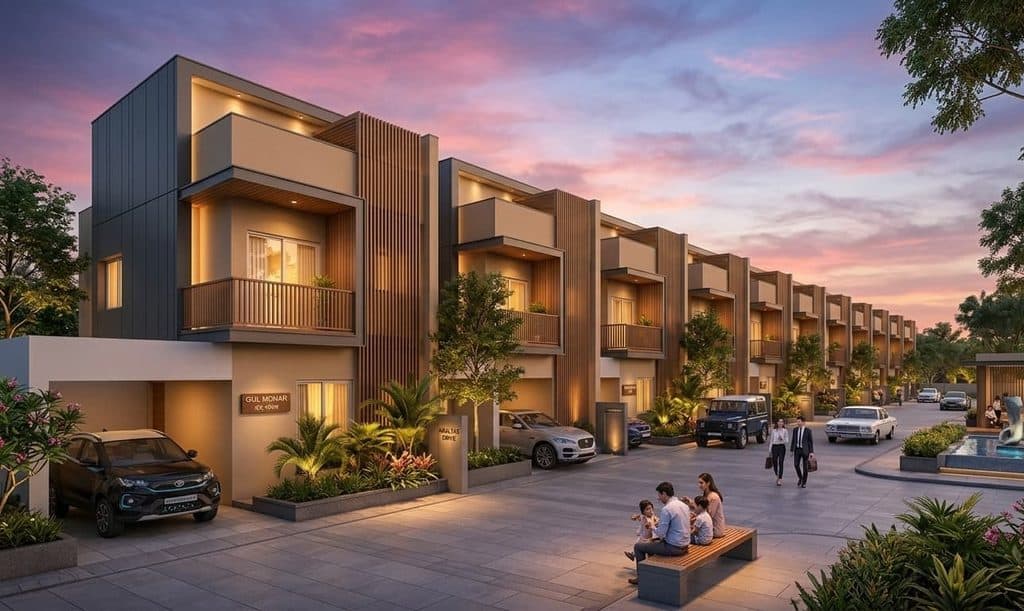
Selecting a safe neighborhood involves a systematic evaluation of quantitative data, physical infrastructure, community governance, and active layout design. This guide outlines practical steps for families to assess crime statistics, infrastructure patterns, school quality, and local governance. By combining digital research with targeted daytime and nighttime field visits, buyers can secure a protective environment for their loved ones. Standard parameters such as street lighting, traffic management, and smart security systems are analyzed alongside gated community comparative data to provide a blueprint for home buyers.
Establishing the Parameters of a Safe Neighborhood
What makes a residential area truly secure for families?
A secure residential area extends far beyond the absence of visible criminal activity. True safety comprises structural integrity, deliberate urban planning, and active environmental monitoring. When families evaluate a potential location, they must analyze the physical layout of the streets. Well-designed neighborhoods minimize blind spots, incorporate wide pavements, and maintain clear lines of sight from residential properties to public spaces. This spatial openness discourages illicit behavior and permits natural surveillance, where residents can easily observe outdoor spaces from their windows.
Another pivotal element is the quality and reliability of public infrastructure. Well-maintained streets, functioning high-intensity street lamps, and properly signed pedestrian pathways prevent accidental injuries and deter property-related offenses. Dilapidated public spaces, unpaved roads, and non-functioning lights often signal systemic neglect, which can invite minor crimes and vandalism. Families should look for municipalities or private developments that prioritize regular maintenance schedules, trash collection, and prompt repair of public facilities.
Why is community cohesion important for long-term security?
Community cohesion functions as an invisible protective layer for a residential area. When neighbors recognize one another, establish communication channels, and share a collective interest in local welfare, the likelihood of security breaches drops significantly. This social fabric translates into practical vigilance, such as neighbors noticing unfamiliar vehicles, checking on unoccupied properties, and coordinating emergency responses. Neighborhoods with active local associations tend to establish organized communication networks, often utilizing dedicated messaging groups to share immediate safety notices.
Furthermore, cohesive communities regularly host public gatherings, seasonal events, and administrative meetings. These activities foster mutual trust and establish clear behavioral expectations within the area. Children playing in public spaces benefit from the collective oversight of multiple households, creating a secure environment without relying entirely on physical barriers. Security becomes a shared responsibility rather than an individual burden, establishing an enduring standard of safety that benefits everyone.
Analyzing Quantitative Safety Metrics and Data
Where can you find reliable local crime statistics?
Acquiring reliable, objective data is the first defensive step when selecting a new place of residence. Buyers should not rely solely on generalized marketing brochures or superficial impressions. Local police department archives and official public databases offer primary sources of crime statistics, categorizing incidents into property crimes, vehicular thefts, and violent offenses. Reviewing these reports allows prospective buyers to understand the frequency, severity, and distribution of incidents in a specific sector over a multi-year timeline rather than relying on brief seasonal snapshots.
Digital crime mapping platforms and municipal transparency portals also provide localized, street-level insights. Many progressive cities run interactive maps that pin reported incidents to specific coordinates, allowing families to see if safety concerns are concentrated near commercial zones, transport terminals, or specific intersections. When reviewing these maps, search for long-term downward trends or stable patterns. A sudden spike in minor infractions might indicate temporary local challenges, whereas persistent patterns of property theft require serious consideration and structural scrutiny.
How do local school ratings correlate with neighborhood stability?
Educational infrastructure acts as an indirect metric for residential safety and financial stability. High-performing public and private schools naturally attract families who prioritize long-term residency, stable investment, and community participation. This demographic trend fosters a stable environment where home turnover is low, property values remain resilient, and municipal funding is consistently directed toward public parks, libraries, and security systems. Analyzing school performance indexes and student retention rates can provide a clear view of the area’s social investment.
To stay updated on educational impacts and regional infrastructure growth, prospective buyers often consult the latest property market updates. These resources highlight how educational corridors influence overall real estate stability and regional safety patterns. When local governments allocate resources to build schools, they concurrently upgrade road networks, pedestrian walkways, and public lighting systems, directly improving the physical safety parameters of the surrounding neighborhood.
Physical Infrastructure and Environmental Safeguards
Why do street layouts and lighting patterns impact personal safety?
The physical layout of streets dictates traffic patterns and pedestrian ease, directly influencing criminal opportunities. Grid-based layouts with multiple entry and exit points allow high traffic flow but can make tracking external vehicles difficult. Conversely, cul-de-sacs, loop networks, and single-entry layouts naturally restrict vehicle access to residents and scheduled visitors. These closed designs slow down vehicular speeds and make any unfamiliar activity highly noticeable to the surrounding households, acting as a natural deterrent to opportunistic crime.
Lighting quality is another critical aspect of environmental design. Modern residential sectors utilize LED lighting systems that offer wide-angle coverage and high color rendering indexes, allowing cameras and residents to distinguish faces and colors clearly at night. Poorly lit areas with yellow sodium lamps create dark pockets and shadows, reducing the efficacy of home security systems and lowering pedestrian visibility. During property evaluations, observing the spacing and operation of street lamps is just as important as examining the building design.
How does vehicular traffic management protect young children?
Physical safety within a neighborhood involves protection from fast-moving vehicular traffic. High-speed lanes adjacent to residential parks or school zones present immediate hazards to young children and elderly residents. A safe neighborhood incorporates active traffic-calming measures such as elevated pedestrian crossings, speed humps, roundabouts, and clear speed limit signage. These physical interventions force motorists to reduce speed, ensuring that local streets remain pedestrian-friendly spaces.
Walkability indexes also play a significant role in safe transit. Neighborhoods that separate pedestrian sidewalks from main roads using physical green buffers, low walls, or trees provide a secure path for children walking to nearby facilities. When investigating a sector, evaluate how easily a stroller can be pushed or a bicycle ridden without entering vehicular lanes. Dedicated lanes and restricted access areas ensure that recreation does not conflict with local commuting patterns.
Practical On-the-Ground Assessment Strategies
What should you look for during a daytime neighborhood inspection?
A daytime visit offers the perfect opportunity to assess the behavioral norms and physical upkeep of an area. Walk through local parks, communal spaces, and commercial margins to see if they are actively used by families and seniors. Look for children playing outside, people walking dogs, and active maintenance personnel cleaning public zones. The physical state of residential units, such as whether fences are painted, lawns are mowed, and communal walls are clean, serves as an indicator of local pride and financial health.
Prospective buyers seeking safe, premium environments often evaluate developments featuring luxury independent villas in Noida, where low-density living, private access points, and structured security configurations are standard. During a daytime walkthrough of these premium areas, note the level of noise, the frequency of external commercial deliveries, and the general conduct of security personnel at the entry gates. High-quality property management is easily identifiable by organized parking systems and immaculate landscaping.
Why are nighttime visits mandatory before purchasing real estate?
A neighborhood can exhibit vastly different characteristics once the sun sets. A quiet street during the afternoon might turn into a congested transit route or a gathering place for noisy crowds at night. Conducting nighttime inspections between 9 PM and midnight allows you to observe the actual effectiveness of the streetlights, notice any hidden commercial operations, and experience the baseline noise levels of the community. It also reveals whether delivery trucks or commercial vehicles use residential roads as overnight parking zones.
Pay close attention to the behavior of the security guards during late hours. Are the gates closed, and are visitor logs being strictly maintained, or are vehicles allowed to pass through unchecked? Observing these operational details reveals the true efficacy of the local security infrastructure. It is also beneficial to notice if residents feel secure enough to walk their dogs or jog along the sidewalks after dark, as active evening pedestrian use is a strong indicator of a safe and comfortable environment.
Community Governance and Security Technologies
What is the role of active Resident Welfare Associations (RWAs)?
In modern residential hubs, the local Resident Welfare Association (RWA) acts as the governing body responsible for maintaining safety standards. A well-funded and professionally managed RWA establishes clear rules regarding visitor entry, domestic help verification, and commercial vehicle parking. They coordinate closely with local municipal bodies and law enforcement agencies to resolve safety issues, upgrade common security equipment, and address external disturbances promptly.
Prospective buyers should ask to review RWA meeting minutes or financial records where possible. This step reveals whether the association proactively manages its budget to fund security upgrades, repair damaged perimeter fences, or install additional CCTV cameras in blind spots. A passive RWA that neglects small repairs often leads to a gradual decline in security enforcement, allowing minor safety concerns to accumulate over time.
How do smart home integrations sync with neighborhood security?
Modern residential sectors increasingly rely on synchronized smart home technologies to fortify family safety. Automated security configurations, including smart video doorbells, motion-activated perimeter cameras, and remote access systems, work in tandem with neighborhood-wide surveillance systems. These integrations allow families to monitor their properties in real time, receive instant notifications of unauthorized movements, and coordinate directly with community security hubs during emergencies.
When selecting a smart-enabled neighborhood, understanding data security is paramount. Community portals and smart access applications handle sensitive resident data, including vehicle registration numbers, visitor logs, and daily schedules. Secure communities ensure that their service providers adhere to strict user data protection guidelines to prevent digital breaches or unauthorized access to private information. Robust digital safety is just as important as physical locks in contemporary residential developments.
Comparative Evaluation of Gated Communities vs. Open Neighborhoods
Which layout offers better long term safety and value?
Choosing between a gated residential community and an open suburban neighborhood involves weighing distinct security dynamics, lifestyle preferences, and long-term maintenance costs. Gated communities offer centralized access control, private security guards, and integrated surveillance networks, creating a highly regulated environment. However, open neighborhoods provide a more integrated municipal connection and lower maintenance overheads, though they require individual property owners to invest more heavily in personal security setups.
Market analysts at Heritage Prime observe that families increasingly favor managed residential sectors due to the predictable security outcomes they offer. Below is a detailed comparative analysis of key parameters between gated communities and open suburban layouts to assist you in making an informed choice:
| Security Parameter | Gated Communities | Open Suburban Neighborhoods |
|---|---|---|
| Access Control | Strict visitor verification, digital logs, and barrier gates. | Unrestricted public access; rely on individual gate locks. |
| Surveillance Systems | Centralized CCTV networks monitored 24/7 by security teams. | Dependent on individual homeowner CCTV setups. |
| Traffic Management | Low speeds, no commercial through-traffic, pedestrian-first. | Potential for high-speed pass-through vehicles and trucks. |
| Emergency Response | On-site guards and quick communication with local services. | Relies completely on city police, fire, or medical dispatch. |
| Maintenance Fees | Higher monthly security and common area maintenance charges. | Minimal or no common fees; municipal taxes apply. |
Making the Final Selection with Professional Guidance
How can real estate advisors simplify the verification process?
Evaluating the safety of multiple sectors while managing work and family commitments can be overwhelming. Professional real estate advisors possess deep local knowledge, understanding historical zoning laws, planned future infrastructure, and the track record of developers in different sectors. They can quickly filter out locations that suffer from chronic water logging, high traffic noise, or subpar municipal maintenance, saving buyers considerable time and energy.
When you are ready to explore secure, high-value neighborhoods tailored to your lifestyle, it is wise to get in touch with our real estate consultants. Experts can provide verified insights into local community governance, access control systems, and upcoming infrastructure projects that will enhance safety. This personalized advisory ensures that your family investments are directed toward neighborhoods that prioritize security, peace of mind, and long-term capital preservation.
Frequently Asked Questions
Q1: How can I check sex offender registries and crime maps before moving?
Prospective buyers can access official government websites, national registries, and local police department crime maps. These databases provide street-level detail on past offenses, helping you map out any patterns of concern before committing to a home purchase.
Q2: What role does proximity to emergency services play in safety?
Proximity to fire stations, hospitals, and police substations reduces emergency response times during critical situations. When evaluating a neighborhood, check the travel distance for medical services and the location of the nearest police precinct to ensure rapid assistance when needed.
Q3: Are gated communities always safer than non-gated ones?
While gated communities offer controlled access, physical barriers, and private security guards, their safety still depends on administrative diligence and active maintenance. An open neighborhood with strong community vigilance and good street design can often match or exceed the safety profile of a poorly managed gated development.
Q4: How does a neighborhood’s commercial growth affect its safety profile?
Controlled commercial growth brings better lighting, upgraded roads, and higher foot traffic, which deters minor offenses. However, unchecked commercial expansion near residential streets can increase vehicle traffic, noise, and transient crowds, requiring a more robust home security strategy.