
Quick Summary
Strategic land investment serves as the foundation for long-term residential autonomy. This analysis details the complexities of purchasing raw land, from geographic assessments to regulatory compliance. Readers will gain insights into balancing immediate acquisition costs with future construction viability, understanding the importance of infrastructure connectivity, and managing legal risks. Whether seeking a plot for a personal custom home or a long-term capital play, the following sections provide a structured approach to land banking and development planning in the current real estate climate.
Strategic Land Acquisition
Acquiring a plot for future construction requires a shift in mindset from purchasing a finished product to evaluating potential utility. When an investor evaluates land, they must look beyond the current state of the soil. Proximity to arterial roads, future public transportation hubs, and essential utility grids determines the long-term desirability of the location. A plot that appears inexpensive today may prove costly if utility extensions or road connectivity remain absent for years. Investors should analyze master plans issued by local authorities to determine if future development zones align with their personal timelines for home construction.
What defines a high-potential plot?
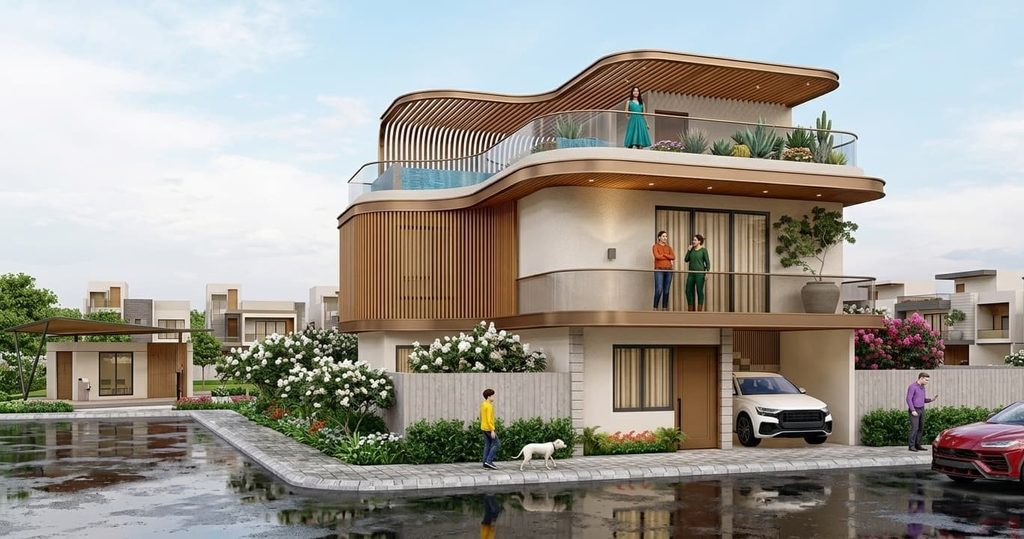
High-potential plots often exist on the periphery of established corridors. As urban density increases, demand radiates outward, increasing the value of adjacent land. Investors should look for sites that offer environmental benefits, such as elevated topography, which reduces flooding risks, and proper soil stability for construction. Heritage Prime maintains a watchful eye on regional growth patterns to ensure that site selection matches residential needs. While many buyers choose to look at luxury independent villas in Noida for immediate occupancy, others prefer the freedom that comes with building from the ground up on a curated plot of land.
Legal Diligence and Title Verification
Legal scrutiny forms the bedrock of secure land ownership. Before committing capital, a comprehensive search of title history is mandatory. This process involves verifying the chain of ownership over the past three decades to ensure that no unresolved claims or liens exist on the property. Engaging with experts who adhere to strict user data protection guidelines ensures that your sensitive information remains secure throughout the verification process. Land records in many regions are shifting toward digital databases, yet physical verification at the local sub-registrar office remains the most reliable method for confirming authenticity.
Why is the encumbrance certificate important?
An encumbrance certificate acts as a legal confirmation that a property is free from monetary and legal liabilities. Without this document, an investor risks purchasing land that may serve as collateral for unpaid loans. Additionally, verifying the zoning classification is paramount. Land categorized for agricultural use often requires conversion before residential construction can commence, involving complex administrative procedures and supplementary fees. Investors should ensure all documentation matches the current municipal survey maps to avoid boundary disputes with neighboring landowners during the construction phase.
Financial Planning for Land Development
Financial strategy for land ownership spans beyond the initial purchase price. Carrying costs, such as annual property taxes, maintenance fees for gated communities, and potential security charges, accumulate over time. Those planning to build a custom home must also account for the gap between land acquisition and the mobilization of labor and materials. If you intend to finance your purchase, note that loan-to-value ratios for land are often more conservative than for ready-to-move homes. It is wise to contact seasoned property experts who can provide clarity on current interest rate trends and lending requirements for vacant land.
Budgeting for construction inflation
Material costs for construction are volatile. Steel, cement, and skilled labor rates fluctuate based on global economic indicators. A sound financial plan includes a contingency fund equivalent to at least 15 percent of the estimated construction budget. By securing land now, you fix one of the most unpredictable variables in your future project costs, allowing you to allocate resources more efficiently as you save for the structural phase. Understanding the difference between raw land and developed land is also necessary, as developed lots usually include pre-installed water, sewage, and electricity connections, significantly lowering your site preparation budget.
Topographical and Architectural Analysis
The physical characteristics of a plot influence the design of your future residence. A gentle slope might offer excellent natural drainage but require structural retaining walls. Flat land might be easier to build upon but requires meticulous landscaping to prevent water pooling. Engaging an architect early in the process helps identify the ideal orientation for the home to maximize passive solar gains, reducing energy consumption in the long term. Proper alignment allows for optimal airflow, which is critical in warmer climates.
How does soil quality impact construction?
Soil testing is a non-negotiable step for any serious builder. Professional geotechnical engineers evaluate the bearing capacity of the soil, which dictates the type of foundation required. A sandy or clay-heavy foundation requires specialized stabilization techniques that increase structural integrity. Neglecting this step can lead to cracked walls or shifting foundations after the house is complete. Partnering with a reputable real estate developer in NCR ensures that your assessment of these physical factors benefits from deep experience and local site knowledge.
| Consideration | Impact on Cost | Risk Level |
|---|---|---|
| Soil Stability | High | Critical |
| Utility Connectivity | Medium | Moderate |
| Zoning Permits | High | High |
| Topographical Survey | Low | Low |
Community Infrastructure and Future Growth
A plot is rarely just a physical space; it is part of a broader ecosystem. The strength of the local infrastructure dictates how comfortable your life will be once the house is finished. Look for existing schools, healthcare facilities, and retail hubs. If these services are currently absent but planned for the region, you are likely looking at an area in the early stages of appreciation. Future commercial zones can drive property value but might also introduce noise and traffic, so choosing a plot with a balanced buffer from commercial arteries is wise.
What is the role of neighborhood associations?
In gated communities, neighborhood associations play a central role in maintaining infrastructure and aesthetics. Reviewing the bylaws of these associations provides a glimpse into the future upkeep of your area. Consistent standards protect property values and ensure that the neighborhood remains a desirable place to live. When choosing between an independent plot and one within an established community, consider your personal preferences regarding autonomy versus managed amenities.
Frequently Asked Questions
How long should I hold onto a plot before building?
There is no fixed duration, but typically a 3 to 5-year window allows for adequate local infrastructure development. Many choose to hold plots for a decade to see substantial appreciation before committing to construction.
Can I build a home on agricultural land?
No, you cannot build on agricultural land without an official land-use conversion. This process must be completed through the local revenue department to avoid heavy penalties and potential demolition orders.
Are there hidden costs when purchasing a plot?
Yes, you must account for registration charges, stamp duty, transfer fees, and professional service fees for legal verification. Always request a comprehensive cost breakdown from the seller.
Is it better to buy a plot in a gated community?
Gated communities offer security and shared amenities like roads and sewage. Independent plots offer more creative freedom but shift the entire responsibility of infrastructure provision to the owner.