
Quick Summary
Greater Noida real estate in 2026 is defined by rapid infrastructural completion, a pronounced shift toward low-density luxury housing, and massive commercial investments. The operational expansion of nearby transport nodes and tech parks is turning once-remote sectors into premium residential addresses. Buyers are prioritizing sustainability, space, and regulatory clarity over speculative high-rise investments.
The Infrastructure Catalysts of 2026
The urban landscape of Greater Noida has undergone a massive transformation, driven by large-scale public works that have transitioned from conceptual blueprints into fully operational networks. No longer viewed as merely an auxiliary partner to New Delhi, this region has carved out its own distinct identity as a self-sustaining metropolis. The completion of mega infrastructure projects has reshaped commuter patterns and altered how institutional investors value local land parcels.
How does the Noida International Airport impact local property values?
The operational maturity of the Noida International Airport at Jewar stands as the primary driver behind the capital appreciation observed across Greater Noida. Properties located along key transit corridors have seen steady upward valuation pressure. As commercial flights scale up, corporate entities are setting up regional offices nearby, which in turn stimulates housing demand for executive-grade accommodations.
Residential micro-markets situated within a thirty-minute drive of the airport are witnessing the most significant gains. This appreciation is not limited to high-rise complexes: land rates and plotted developments have experienced a parallel surge. Investors are focusing heavily on areas with direct access to the Yamuna Expressway, anticipating a sustained influx of domestic and international corporate professionals who require proximity to global travel infrastructure.
What role does the Metro expansion play in commuter choices?
The extension of the Aqua Line metro network has linked previously isolated sectors directly to the broader Delhi Metro grid. This seamless connectivity has altered the demographic profile of local residents. Working professionals who previously hesitated to settle in Greater Noida due to long commute times are now migrating to these newly accessible sectors.
Metropolitan accessibility has shifted focus from vehicle ownership to transit-oriented developments. Residential projects within walking distance of new metro stations command a premium in both rental yields and resale values. The reduction in daily travel times to major employment hubs in Noida and South Delhi has made the region a highly competitive alternative to older, more congested residential zones.
Shift Towards Eco-Friendly Living and Smart Architecture
Modern home buyers are demanding a healthier relationship between their living spaces and the surrounding environment. This shift is driving developers to move away from conventional construction methods in favor of practices that minimize ecological footprints while enhancing daily comfort.
Are sustainable home features becoming standard in Greater Noida?
Sustainable design has transitioned from a niche marketing tool into a baseline requirement for new projects. Builders are incorporating solar energy systems, advanced rainwater harvesting networks, and double-glazed windows to reduce thermal transmission. These features are no longer luxury add-ons: they are integrated into the core architecture to meet strict energy codes and lower long-term maintenance costs for residents.
To secure buyer trust, finding a reputable real estate developer in NCR who prioritizes green certifications and high-quality structural practices has become a standard step in the purchasing journey. Consumers are increasingly aware that energy-efficient homes retain their value far better over decades, making green features a sound financial decision as well as an environmental one.
How are smart microgrids transforming housing societies?
The integration of smart microgrids and automated power management systems is revolutionizing how residential complexes manage utility consumption. Real-time monitoring allows communities to optimize power distribution, integrate renewable energy sources, and reduce reliance on diesel generators during peak loads. This level of technological integration ensures a reliable power supply while keeping community maintenance charges predictable.
Beyond power management, smart microgrids feed directly into automated home systems. Residents can control heating, ventilation, and lighting through unified digital applications. This technological sophistication is particularly appealing to the younger demographic of technology sector employees who are choosing Greater Noida as their primary residential base.
Rise of Premium Low-Density Developments
The density of urban living has driven a clear shift in buyer preferences toward projects that offer space, privacy, and control over one’s immediate surroundings. The era of choosing overcrowded high-rise blocks by default has passed, as buyers search for healthier alternative housing formats.
Why are luxury independent villas in Noida gaining traction over high-rise apartments?
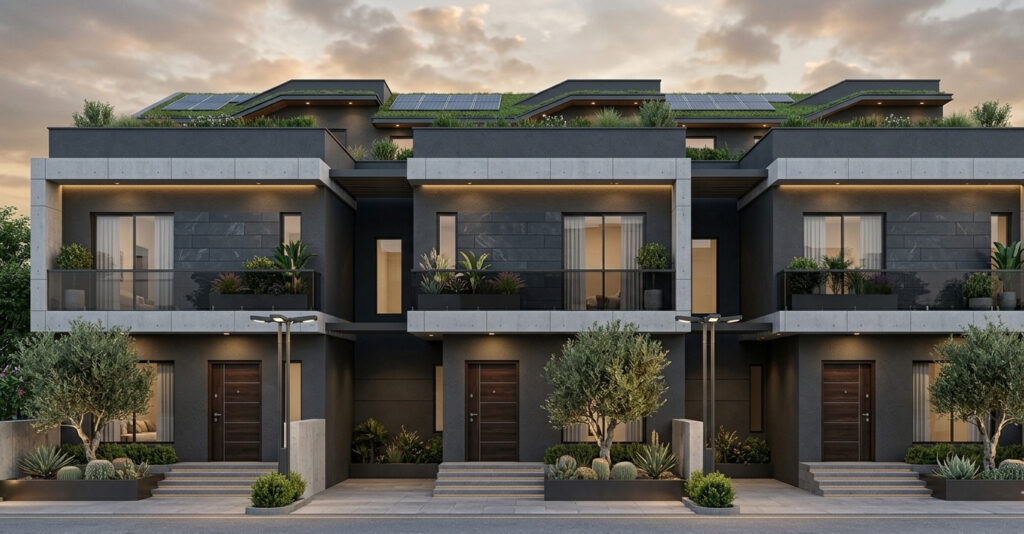
A growing segment of affluent buyers is opting out of high-density living configurations. The demand for luxury independent villas in Noida and Greater Noida reflects a desire for personal autonomy, private green spaces, and dedicated multi-vehicle parking. Buyers are willing to pay a premium for properties that provide private terraces, personal home offices, and distinct structural separation from neighbors.
Industry observations from market analysts at Heritage Prime suggest that this preference is also rooted in asset security. Land ownership combined with a premium physical structure offers superior long-term capital preservation compared to apartment units, which are subject to collective building depreciation. The security of owning the land beneath the home remains a powerful motivator for generational wealth builders.
What lifestyle amenities define modern plotted developments?
Modern plotted developments are designed around the concept of self-contained luxury. Rather than simple tracts of land, these projects are planned as comprehensive lifestyle environments. They feature low-density master plans, wide internal roads, private clubhouses, and extensive walking tracks lined with native trees.
For instance, developments like the Shyam Kunj Villas luxury township illustrate this trend perfectly, offering residents a controlled environment that balances private luxury with premium communal infrastructure. These townships ensure that residents do not have to compromise on safety, recreation, or community engagement while enjoying the benefits of an independent home layout.
Data Centers and Commercial Influx Driving Residential Demand
Greater Noida has emerged as one of the largest hubs for data storage and processing in South Asia. This commercial evolution is creating a powerful economic multiplier effect, transforming local residential micro-markets in its wake.
How does the growth of data centers influence rental yields?
The establishment of hyper-scale data centers brings substantial corporate investment and a highly specialized technical workforce to the region. These professionals require high-end rental properties close to their workplaces. As a result, sectors located near designated tech zones are experiencing an increase in rental demand, leading to healthier yields for property owners.
The steady rental market is attracting institutional and individual buy-to-let investors. Properties that feature modern security systems, high-speed fiber connectivity, and reliable power backup are particularly sought after by technical operations teams, ensuring low vacancy rates and stable rental growth.
What commercial corridors are attracting corporate workforce migration?
The commercial corridors along the Greater Noida Expressway and adjacent sectors are attracting large multinational corporations, manufacturing giants, and technology enterprises. This business migration is supported by the availability of large, contiguous commercial land parcels that are difficult to secure in established metro areas.
As these companies establish their operational footprints, their workforces naturally seek housing nearby. This migration pattern has created a resilient domestic real estate economy, insulating the area from broader macroeconomic slowdowns and ensuring a continuous pool of active buyers and renters.
Regulatory Compliance and Investment Security
An orderly, transparent transaction environment has replaced the speculative practices of the past decade. Buyers are far more informed and cautious, expecting absolute compliance from developers before committing financial resources.
Why is UP-RERA enforcement critical for home buyers in 2026?
The strict oversight of the Uttar Pradesh Real Estate Regulatory Authority (UP-RERA) has built a high level of consumer trust in the region. Projects with valid registrations are subjected to rigorous financial audits, ensuring that buyer funds are utilized solely for the construction of the specified project. This has drastically reduced project delays and structural deviations.
For buyers, understanding the administrative framework is a key step before initiating any transaction. Reviewing the standard legal terms and service conditions ensures that all promises made regarding project timelines, amenities, and payment structures are legally binding and enforceable, preventing future disputes.
How do co-living regulations stabilize the tenant market?
The introduction of clear regulatory guidelines for co-living spaces and shared accommodations has standardized this rapidly growing segment. These regulations cover safety protocols, occupancy limits, and tenant rights, making managed student and professional housing a highly predictable asset class for investors.
These structured frameworks prevent overcrowding and ensure that micro-markets maintain their premium character. With clear operating rules in place, institutional co-living operators can expand their networks with confidence, offering reliable options for young professionals while stabilizing residential neighborhoods.
Comparative Analysis: Greater Noida West vs. Greater Noida Expressway
To assist investors in identifying the most suitable micro-market, the table below outlines the core differences between the two primary real estate corridors in the region as of 2026.
| Parameter | Greater Noida West (Noida Extension) | Greater Noida Expressway Corridor |
|---|---|---|
| Primary Housing Types | High-rise apartments, affordable luxury complexes | Low-density villas, premium penthouses, plot developments |
| Average Price Range (2026) | Moderate to Upper-Moderate | Premium to Ultra-Luxury |
| Key Driver | Affordable entry point, massive residential community | Proximity to IT hubs, airport access, corporate offices |
| Rental Yield Outlook | Consistent, driven by mid-level corporate workforce | High, driven by expatriates and senior executives |
While Greater Noida West remains the ideal destination for buyers seeking high-quality residential communities at accessible entry points, the Expressway corridor caters to those seeking premium, low-density environments with unmatched connectivity to major corporate headquarters.
Future Outlook and Buyer Recommendations
As Greater Noida enters its next phase of maturity, the window for securing properties at pre-completion prices is narrowing. Understanding long-term urban planning and master layouts is essential for making an informed investment decision.
Which micro-markets offer the highest growth potential?
Sectors situated adjacent to the upcoming industrial zones and logistics parks are poised for substantial capital growth. Additionally, residential zones positioned near the upcoming metro interchanges are highly recommended for medium to long-term investors. These areas will benefit directly from localized job creation and enhanced public transport options.
Plotted developments and low-density townships along the Yamuna Expressway also represent excellent value. As the commercial ecosystem around the new airport becomes fully integrated, these sectors are expected to undergo a major transition, moving from speculative investment grounds to premium, high-value residential addresses.
How should first-time buyers navigate the 2026 market?
First-time buyers should prioritize immediate livability and builder credentials over speculative future promises. It is crucial to verify the developer’s historical performance, structural quality, and financial standing. Conducting site visits during different times of the day helps assess the quality of local infrastructure, utility consistency, and traffic patterns.
Furthermore, buyers should ensure that their financial planning accounts for all associated costs, including registration fees, maintenance deposits, and club membership charges. Securing properties in well-planned, low-density developments ensures a better quality of life and guarantees that the asset remains highly liquid in the secondary market.
Frequently Asked Questions
1. What is driving the rise in property rates in Greater Noida?
The primary drivers are major infrastructure milestones, including the progress of the Noida International Airport, the expansion of the Aqua Line Metro, and the establishment of global tech campuses and large-scale data centers. These factors have boosted investor confidence and generated sustained demand for both residential and commercial spaces.
2. Is it safe to invest in plotted developments in Greater Noida?
Yes, provided the development is registered under UP-RERA and is being executed by a verified developer. Plotted developments within gated, low-density townships offer excellent security, premium shared amenities, and a high rate of capital appreciation compared to traditional apartments.
3. How are environmental regulations affecting real estate construction?
Strict environmental policies require developers to integrate green energy solutions, low-emission materials, and smart waste management systems. While this increases initial construction costs, it leads to lower long-term maintenance bills, healthier living environments, and higher property valuations over time.
4. Should I choose Greater Noida West or the Expressway corridor for investment?
Your choice depends on your investment strategy. Greater Noida West offers excellent mid-range housing options with high rental demand from working professionals. The Expressway corridor is better suited for luxury buyers looking for high-end low-density villas, superior connectivity, and premium appreciation potential.