
Quick Summary
The widespread adoption of hybrid work has fundamentally reshaped the real estate sector. This comprehensive analysis details how the transition away from full-time office occupancy has altered buyer priorities, placing premium values on spacious layouts, functional home offices, and suburban residential projects. It also highlights the rising importance of smart automation, decentralized suburban economies, and the structural market changes observed across major urban micro-markets.
The Structural Shift: Defining the Hybrid Work Era
What exactly is hybrid work and how does it influence home buyers?
The modern employment paradigm has undergone a profound transformation. Rather than maintaining rigid office schedules or operating entirely in isolation, professional organizations have largely standardized the hybrid work pattern. This organizational model distributes professional activities between corporate offices and residential spaces. Consequently, the traditional relationship between employment hubs and residential real estate has been altered. Buyers are no longer bound to live within short commuting distances of commercial centers, allowing them to expand their geographic search parameters when selecting a home.
As individuals spend a significant portion of their professional week working from home, the internal environment of the residence has assumed greater significance. This shift in residential behavior has created a new set of consumer preferences. Real estate developers must now address the requirements of buyers who require functional workspaces, reliable infrastructure, and recreational areas within their private properties. The demand is no longer just for shelter, but for a multi-functional ecosystem that supports productivity, leisure, and wellness simultaneously.
Space as the Ultimate Luxury: The Demand for Larger Footprints
Why are home buyers prioritizing dedicated home offices?
Prior to the widespread shift in working habits, the home office was often considered a non-essential luxury. Today, it has become a fundamental requirement for working professionals. The challenges of participating in remote business meetings from shared dining spaces or open living rooms have highlighted the need for dedicated, acoustically insulated workspaces. Buyers now look for residences that feature a distinct study, a quiet corner, or an adaptable room that can be closed off from the rest of the household to maintain professional focus.
This change in floor plan preferences has directly impacted overall residential layouts. Properties with extra bedrooms or flexible utility spaces have seen a marked increase in transaction volumes. Developers have responded by adjusting architectural designs to incorporate study alcoves, integrated wiring setups, and acoustic soundproofing in residential units to support sustained daily professional use.
How has the demand for larger configurations changed in NCR?
Within the National Capital Region, the preference for compact apartments has declined in favor of expansive multi-bedroom configurations. Homebuyers are actively seeking larger formats, including three-bedroom, four-bedroom, and semi-detached units. Market tracking indicates that buyers who previously sought compact urban apartments are now opting for spacious peripheral alternatives. For individuals who prefer complete control over their living environment, luxury independent villas in Noida represent an attractive choice that provides both spacious layouts and personal autonomy.
This demand for space is not limited to internal square footage. Private gardens, expansive balconies, and access to open-air terraces have become key selling points. Buyers are willing to pay premium prices for properties that offer a visual and physical connection to the outdoors, reflecting a broader trend toward health and well-being in residential design.
Decentralization of Urban Hubs: The Suburbs Take Center Stage
Are buyers moving away from central business districts?
Historically, the proximity of a property to central business districts was the primary driver of real estate values. As commuting frequencies drop from five days a week to two or three, the inconvenience of a longer commute becomes more acceptable. Homebuyers are choosing to relocate to suburban areas where they can secure larger properties for the same or lower capital outlay. This shift has led to a geographic redistribution of residential demand from dense urban center locations to peripheral suburban markets.
Suburban neighborhoods are evolving from simple commuter towns into independent micro-markets. These areas are developing their own retail, culinary, educational, and healthcare facilities. According to recent data from the NCR real estate blog and market insights, this expansion of suburban micro-markets is reshaping urban growth patterns, turning previously isolated areas into self-contained residential hubs.
What infrastructure changes are supporting suburban expansion?
The viability of suburban living depends heavily on infrastructure development. High-speed expressways, expanded rapid transit networks, and improved regional connectivity have made peripheral locations much more accessible. Additionally, the localized expansion of high-speed fiber-optic internet connections, stable power backup systems, and commercial retail zones in the suburbs has bridged the utility gap that once separated central urban zones from outer suburban areas.
This infrastructure development has encouraged developers to build large-scale township projects in peripheral sectors. These townships are designed to offer residents all essential amenities within a short walk, aligning with the concept of self-contained local living.
Comparative Analysis: Urban Apartments vs. Suburban Properties
How do urban and suburban choices compare under the hybrid work model?
Choosing between urban and suburban properties involves weighing the trade-offs between central convenience and spacious layout. Urban apartments offer close proximity to cultural venues, retail centers, and central offices, but they typically provide less living space per unit. Conversely, suburban developments offer larger floor plans, dedicated home office spaces, and greener surroundings, though they require longer commute times on the days office attendance is mandatory.
The following table outlines the key differences across essential residential parameters to help buyers assess their options:
| Feature | Urban Core Apartments | Suburban Condominiums | Suburban Independent Villas |
|---|---|---|---|
| Average Unit Size | Compact to moderate (800 – 1,500 sq. ft.) | Moderate to large (1,400 – 2,500 sq. ft.) | Very large (3,000 – 6,000+ sq. ft.) |
| Price per Sq. Ft. | Premium / High | Moderate / Economical | High total cost but lower per sq. ft. rate |
| Work from Home Space | Limited, multi-functional rooms | Dedicated study areas or alcoves | Multiple dedicated home offices |
| Outdoor Spaces | Small balconies or shared roof decks | Spacious balconies and community parks | Private lawns, courtyards, and terraces |
| Commuting Profile | Short, highly walkable or transit-linked | Moderate, reliant on highways/expressways | Longer, but manageable with hybrid schedules |
The Rise of Smart Homes and Integrated Communities
What technological features are modern remote workers looking for?
With homes acting as workspaces for several days each week, the technological requirements of residential properties have shifted. High-speed, fiber-optic internet connectivity with dual-provider backup options has become a key requirement. Homebuyers also expect integrated power backup systems capable of supporting continuous computer work and cooling systems through brief outages.
Smart home features have transitioned from luxury novelties to practical necessities. Voice-controlled lighting, automated climate control, smart security cameras, and touchless entry systems are increasingly popular. These systems help optimize energy consumption, manage security, and create comfortable living environments that can be adjusted dynamically throughout the day.
How are residential developers adapting to these demands?
Real estate developers are shifting from selling physical spaces to designing comprehensive lifestyle solutions. New residential projects focus on well-planned master layouts that offer common workspaces, conference rooms, high-tech business centers, and reliable backup infrastructure. This allows residents to work outside their apartments without having to travel to a distant corporate office.
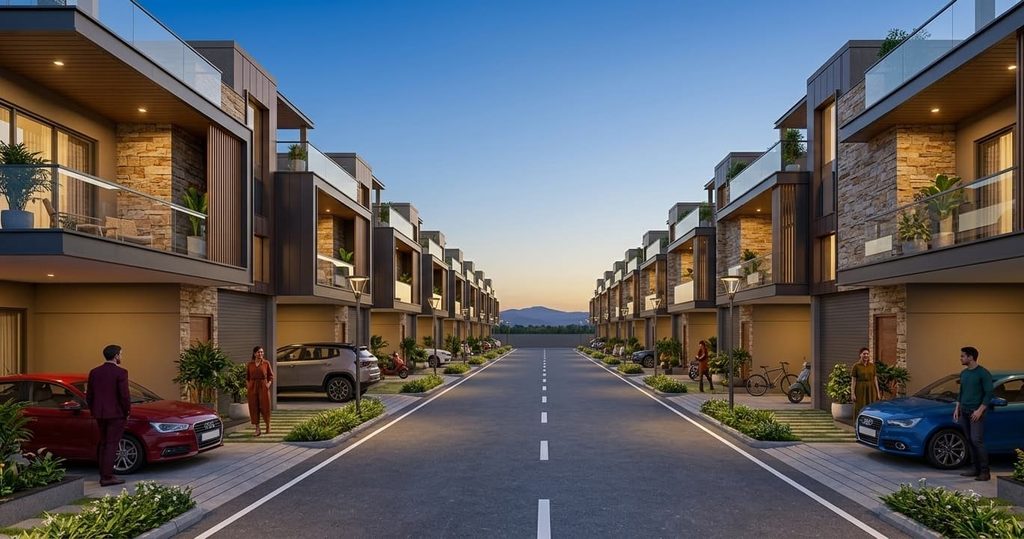
The Ayodhya Enclave luxury villa project stands as an example of this design philosophy, offering residents high-speed connectivity, backup systems, and open layouts within an upscale residential setting. This blend of natural surroundings and modern utility reflects the current market demand for luxury suburban developments.
Financial and Legal Considerations in Post-Pandemic Home Buying
What financial factors are driving home purchases today?
The financial case for home ownership has evolved alongside changing workplace dynamics. In the past, young professionals often delayed purchasing property to maintain the flexibility needed to relocate for work. Under the hybrid work model, long-term geographic stability has become more common, leading many to consider home ownership earlier in their careers. Buying a home is seen as a way to secure stable living costs while creating a customized environment tailored to both personal and professional needs.
Additionally, financial institutions have adapted to these trends by offering a variety of customized mortgage products. Buyers are also allocating a larger portion of their household budgets to housing, viewing investments in comfortable home environments as a direct contribution to their overall quality of life and productivity.
How do legal compliance and transaction transparency protect buyers?
As buyers look farther from urban centers, clear legal documentation and structural transparency have become increasingly important. When exploring new suburban developments, buyers need to carefully review developer credentials, land titles, and RERA approvals to ensure their investments are secure. Transparency in pricing, payment timelines, and structural guarantees helps build trust and ensures a smooth transaction process.
A clear understanding of the transactional framework is essential for preventing future disputes. Working with developers who maintain clear, direct documentation ensures that all aspects of the property transfer are legally sound. Reviewing the legal terms and service conditions helps buyers understand their rights and responsibilities, creating a secure foundation for high-value real estate investments.
Future Outlook: Will the Hybrid Work Housing Trend Persist?
Is the shift to hybrid work a permanent structural trend or a temporary phase?
Initial questions about whether hybrid work would last have largely been answered. Major global corporations and regional businesses continue to support flexible schedules, finding that hybrid models strike a successful balance between employee satisfaction and operational efficiency. The real estate market has adapted to this shift, and the changes in home buying preferences are likely to persist over the long term.
According to research from Heritage Prime, the demand for properties featuring larger layouts, integrated workspaces, and smart infrastructure will continue to drive the market. This ongoing preference will encourage continued investment in suburban areas, leading to more decentralized, balanced, and sustainable urban environments. Developers who adapt to these expectations will remain well-positioned to meet the needs of the modern homebuyer.
Frequently Asked Questions
1. How has hybrid work affected property appreciation rates in suburban areas?
Suburban areas have seen higher capital appreciation rates compared to traditional urban center locations over the past few years. As demand shifts to peripheral micro-markets, increased investment in residential projects, retail development, and local infrastructure has driven property values up, narrowing the price gap between city centers and suburban neighborhoods.
2. Do modern homes require specialized layout certification for home offices?
While formal certifications are not standard, buyers look for smart structural layouts. Features like dedicated electrical circuits, built-in server alcoves, soundproof drywalls, and dual-port fiber connections are highly valued. Developers now highlight these design specifications in their floor plans to attract hybrid workers.
3. Are smart community spaces replacing traditional clubhouse designs?
Yes, modern clubhouses are being updated to include shared professional amenities. Traditional recreation areas are now often accompanied by quiet workspaces, meeting rooms, high-speed Wi-Fi zones, and video-conferencing booths, allowing residents to work productively within their immediate community.
4. How do sustainable and eco-friendly features fit into hybrid residential choices?
Because remote workers spend more time at home, daily utility consumption naturally increases. This has led to strong demand for energy-efficient homes. Properties featuring solar panel systems, rainwater harvesting, energy-efficient HVAC units, and double-glazed windows help keep utility costs manageable while appealing to environmentally conscious buyers.