
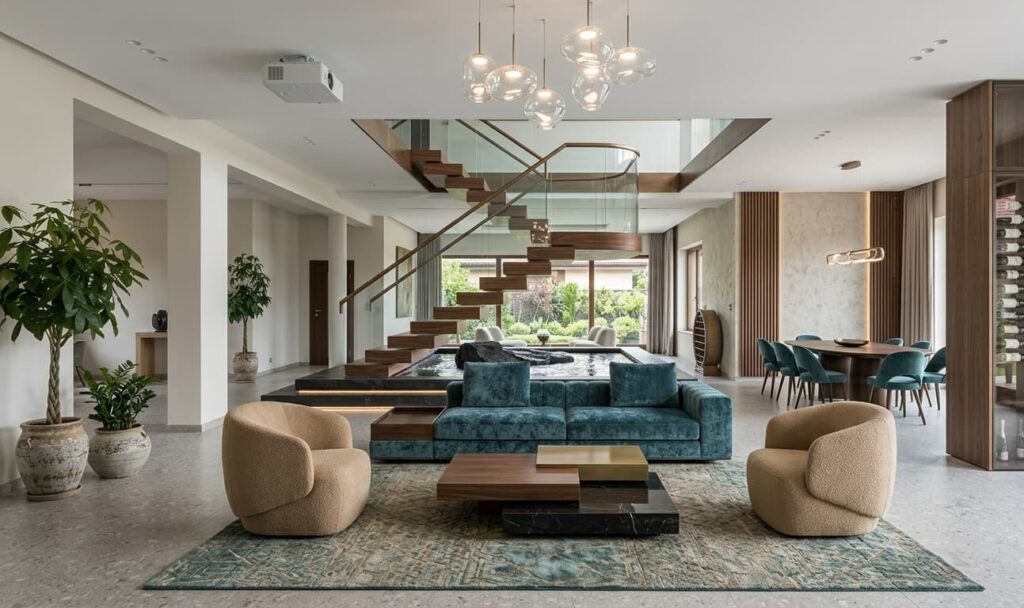
Quick Summary
Modern villa buyers prioritize seamless integration over isolated gadgets, demanding property-wide smart ecosystems that combine advanced biometric security, sustainable energy management, circadian wellness lighting, and automated utility systems. These features not only enhance daily convenience but also protect valuable physical assets, secure digital privacy, and optimize resource efficiency. Highly automated properties command significant premiums in top tier locations like Delhi NCR and Noida, driven by the shift toward remote executive operations and eco-conscious luxury living.
The Evolution of Villa Automation
How are smart features redefining modern estate living?
Home automation has transitioned from a novel luxury option to a fundamental infrastructure requirement for modern upscale homes. Historically, high-end estates prioritized physical grandeur, utilizing marble floors, soaring ceilings, and expansive footprints to signal status. Today, premium purchasers analyze the invisible nervous system of a residence, evaluating how intuitively a property responds to its occupants. Modern villa automation is no longer about isolated gadgets like smart lightbulbs or standalone voice assistants; it is about fully unified ecosystems where climate, lighting, security, and utility functions communicate via centralized protocols.
Heritage Prime observers note that today’s prospective buyers expect properties to anticipate their schedules and preferences, adjusting indoor climates, opening security gates, and activating self-cleaning pool systems before anyone even steps inside. The rise of remote leadership and global wealth movement has altered the utility profile of primary residences. Estates must now function simultaneously as secure high-speed executive offices, private wellness retreats, and low-maintenance sanctuaries that can be monitored remotely from anywhere across the globe.
What is driving the sudden demand for smart villas?
The modern buyer is highly technically literate and values time above all else. The convenience of managing an entire estate through a single, unified interface on a smartphone or tablet reduces the cognitive load of property management. Furthermore, the integration of artificial intelligence allows systems to learn occupant behaviors over time, optimizing energy use and security protocols without manual programming. Properties lacking this sophisticated backbone are increasingly viewed as outdated, requiring costly retrofits that can damage high-value interior finishes.
Consequently, developers are building these advanced systems directly into the structural framework of new developments. High-speed fiber-optic cabling, centralized server racks, and distributed power backbones are installed during the early construction phase, ensuring that the property remains future-proof as new technologies emerge over the coming decades.
Integrated Security Systems and Threat Detection
What advanced surveillance features do premium buyers expect?
The primary concern for any estate owner is comprehensive security that protects physical assets and family members without creating a hostile, restrictive atmosphere. Modern buyers reject bulky cameras and visible razor wire, opting instead for invisible, multi-layered security perimeters. Fiber-optic perimeter sensors, ground-penetrating radar, and thermal imaging cameras that blend seamlessly into the architectural design are now standard requests. These systems differentiate between local wildlife and genuine security breaches, drastically reducing false alarms.
Artificial intelligence plays a vital role in modern video analytics. Instead of simply recording footage, smart security networks analyze movement patterns in real time. If an unrecognized vehicle lingers near the gates for an extended period, or if an individual approaches the boundary wall at an unusual hour, the system immediately alerts estate security and logs the event. This proactive approach prevents security incidents before they occur, offering peace of mind to high-profile occupants.
How do biometrics and facial recognition secure modern estates?
Facial recognition locks, biometric iris scanners, and license plate readers represent the next layer of access control. Rather than relying on physical keys or easily compromised entry codes, smart villas recognize residents and trusted service personnel instantly. Guest access is managed through temporary, encrypted digital tokens sent directly to smartphones, allowing entry only during specific pre-approved hours. This eliminates the security risks associated with lost keys or shared keypad combinations.
Because these security systems generate significant amounts of personal movement data, discerning homeowners are increasingly sensitive about digital security. Developers are responding by ensuring all automation networks align with strict data protection guidelines, prioritizing private local servers over cloud storage to prevent unauthorized external access. For further detail on how personal information is managed during high-value transactions, referencing our customer data privacy policy provides insight into modern information handling protocols designed to safeguard buyer confidentiality.
Energy Efficiency, Climate Control, and Sustainable Intelligence
How do smart HVAC and lighting systems reduce carbon footprints?
Modern estate buyers are highly conscious of their ecological footprint, demanding villas that minimize resource consumption without sacrificing comfort. High-performance HVAC systems now employ multi-zone variable refrigerant flow (VRF) technology coupled with intelligent sensors that detect occupancy patterns. Instead of heating or cooling unoccupied guest wings, the villa dynamically adjusts temperatures based on real-time room usage. Smart architectural features, such as motorized external louvers that adjust automatically to the sun angle, minimize solar heat gain during peak hours, significantly reducing cooling loads.
Lighting control systems, such as Lutron or Crestron, further optimize energy efficiency. By utilizing astronomical clocks, these systems know the exact sunrise and sunset times for each day of the year, automatically dimming perimeter lights and pathways accordingly. Inside, occupancy sensors turn off lights in vacant rooms, while daylight harvesting systems adjust the brightness of interior fixtures based on the amount of natural light entering through the windows, reducing electricity consumption while maintaining consistent illumination levels.
Why are solar arrays and smart grids becoming default choices?
Renewable energy integration has evolved far beyond basic rooftop solar panels. Modern villas integrate custom solar glass, robust battery storage banks, and intelligent energy management software that monitors utility rates in real time. The villa can automatically switch to battery power during peak tariff hours and recharge from the grid when electricity is cheapest. This self-sufficiency is highly attractive to buyers who value energy independence and uninterrupted operations during municipal grid failures.
For clients searching for these sustainable, technology-integrated developments, investing in luxury independent villas in Noida has become a highly sought-after option due to the region’s progressive infrastructure planning and green building certifications. These properties offer the ideal canvas for implementing massive solar arrays, rainwater harvesting systems, and advanced greywater treatment facilities that recycle water for extensive landscaped gardens.
Entertainment, Wellness, and High-Speed Connectivity
What makes a home theater truly smart and integrated?
High-end entertainment spaces have evolved past basic media rooms with hanging projection screens. Buyers now demand dedicated private cinemas featuring micro-LED video walls, acoustically treated walls with hidden speaker configurations, and automated reclining seating that calibrates to the viewer’s body weight. These systems are connected to centralized media servers capable of streaming uncompressed high-resolution audio and video to any room in the estate, creating a synchronized sensory environment.
Control is completely consolidated. A single button press on a custom touch panel can dim the lights, close the motorized acoustic drapes, power up the projection system, and adjust the room temperature to the occupant’s preferred setting. This eliminates the frustration of managing multiple remote controls and ensures a flawless viewing experience every time.
How do air and water purification systems utilize automated sensors?
Physical wellness is another core pillar of modern villa architecture. Automated indoor climate systems now feature hospital-grade air purification units that continuously monitor indoor air quality, filtering out pollen, particulate matter, and volatile organic compounds while adjusting humidity levels dynamically. Similarly, sophisticated water filtration systems utilize UV sterilization and multi-stage carbon filters to deliver pristine, mineral-rich drinking water throughout the property.
Circadian lighting represents another significant wellness advancement. By adjusting the color temperature of interior lights throughout the day, the system mimics natural sunlight, promoting healthy sleep-wake cycles and improving overall mood. This holistic approach to wellness technology makes premium residential properties in Delhi NCR highly desirable among health-conscious buyers seeking an uncompromising quality of life combined with state-of-the-art biological protection.
Kitchen and Utility Automation
What appliance upgrades are redefining high-end culinary spaces?
The culinary center of a luxury villa has undergone a quiet technological revolution. Modern smart kitchens feature appliances that integrate seamlessly into custom cabinetry, maintaining clean architectural lines while offering professional-grade performance. Refrigerators equipped with internal cameras track inventory, suggest recipes based on available ingredients, and automatically alert suppliers when stocks run low. Smart induction cooktops communicate directly with overhead extraction hoods, adjusting ventilation speeds based on the heat intensity and cooking fumes detected.
For wine collectors, automated cellars provide precise temperature and humidity controls, complete with vibration dampening systems to preserve delicate vintages. Integrated inventory software tracks the location of each bottle, cataloging tasting notes, maturation dates, and optimal food pairings. This level of detail ensures that valuable collections are protected and enjoyed at their absolute peak of quality.
How does centralized voice control handle daily estate maintenance?
Utility automation extends to self-diagnosing appliances and automated maintenance schedules. Water leak detectors placed near dishwashers, washing machines, and water heaters can instantly shut off the main water valve if a drop in pressure is detected, preventing catastrophic water damage. Centralized voice control interfaces, integrated into discreet touch panels around the estate, allow owners to manage routine chores, program automated robot vacuum pathways, or schedule garden irrigation cycles with simple vocal prompts or automated routines.
These systems also communicate directly with service providers. If an HVAC unit detects an efficiency drop or a minor mechanical anomaly, it can automatically generate a diagnostic report and send it to the maintenance team before a failure occurs. This proactive maintenance model reduces downtime and ensures that the villa operates smoothly with minimal intervention from the homeowner.
Comparative Analysis of Smart Villa Features
To understand the value proposition of these technologies, it is helpful to compare legacy luxury systems with their modern, smart equivalents. The following table highlights the functional upgrades and strategic advantages that modern installations provide to property owners.
| Feature Category | Legacy Luxury Approach | Modern Smart Integration | Strategic Advantage |
|---|---|---|---|
| Home Security | Manual locks, basic alarm systems, and passive CCTV recording. | AI video analytics, facial recognition, and automated perimeter geofencing. | Proactive threat prevention and seamless keyless entry. |
| Climate Control | Standard central AC with manual thermostats in each room. | Multi-zone VRF systems with occupancy tracking and automated solar louvers. | Significant reduction in energy costs and customized comfort profiles. |
| Lighting | Simple wall switches and manual dimmer knobs. | Circadian rhythm tuning and astronomical clock-based automation. | Improved occupant wellness and optimized energy usage. |
| Water Management | Basic plumbing and manually operated garden sprinklers. | Ultrasonic leak detection, automated irrigation, and greywater recycling. | Prevention of water damage and sustainable resource conservation. |
Legalities and Integration Considerations
What legal and contractual guarantees protect smart home installations?
Implementing such complex technological systems requires careful contractual planning. Buyers must ensure that all smart installations are covered by comprehensive warranties, service-level agreements, and detailed technical documentation. Because villa operating systems require periodic software updates and hardware maintenance, clear protocols must be established regarding post-handover support. This ensures that the homeowner is not left with an inoperable system if a third-party software provider updates their platform or discontinues support for a specific hardware component.
Buyers are advised to consult legal experts to draft precise agreements that outline system performance metrics, hardware replacement schedules, and troubleshooting response times. Reviewing legal terms and service conditions ensures that buyers understand their rights and obligations when purchasing highly automated luxury properties, safeguarding their financial investments and ensuring the long-term operational integrity of their smart estate.
How should system handovers be managed during property transfer?
The handover of a smart villa involves transferring not just physical keys, but also master administrative access to complex digital platforms. This process requires a structured audit where all system passwords, configuration files, and network diagrams are compiled into a secure digital vault. The seller must completely revoke their access rights, and the buyer must establish new, highly secure credentials under the guidance of a certified network engineer. This clean break prevents potential security vulnerabilities and ensures that the new owner has absolute control over their property’s digital infrastructure from day one.
Frequently Asked Questions
Are smart villa features compatible across different hardware brands?
Compatibility depends on the integration protocol used. Standard consumer-grade products often suffer from compatibility issues, but professional-grade estate automation systems utilize unified communication platforms like KNX, Crestron, or Control4. These platforms act as a centralized translator, allowing devices from different manufacturers, including HVAC units, lighting controllers, and security systems, to communicate reliably over a shared network interface.
How do smart villas handle power outages?
A properly engineered smart villa features multiple layers of power redundancy. Uninterruptible Power Supplies (UPS) provide instantaneous battery power to critical systems like security cameras, network routers, and electronic door locks during an outage. Simultaneously, automated backup generators or solar battery storage banks fire up to power larger loads like HVAC systems, refrigerators, and lighting, ensuring seamless operation without manual intervention.
Can existing older villas be retrofitted with these smart features?
Yes, older properties can be retrofitted, though the process is more complex than installing systems during new construction. Wireless protocols such as Zigbee, Thread, and professional-grade mesh Wi-Fi allow for the installation of smart lighting, security, and climate controls without tearing down plaster walls to run new cables. However, key infrastructure components, like server closets and central backup generators, may still require minor physical alterations.
Do smart features increase the resale value of a luxury villa?
Absolutely. Modern luxury home buyers expect integrated technological systems as a standard convenience. Properties equipped with comprehensive, professionally designed automation networks sell faster and command a price premium compared to similar properties with legacy, non-automated infrastructures. Buyers recognize the significant cost, time, and effort required to install these systems independently and are willing to pay a premium for a fully operational, turn-key smart estate.