
Quick Summary
Modern residential developments succeed not merely through architectural excellence, but through the integration of robust community infrastructure. This comprehensive analysis evaluates how parks, utilities, transportation links, and social amenities dictate long-term property value, resident well-being, and neighborhood sustainability.
The Evolution of Modern Residential Planning
Urban development has undergone a profound transformation over the past few decades. Homebuyers no longer purchase a standalone physical structure enclosed by four walls. Instead, they invest in an entire ecosystem. When people evaluate contemporary real estate options, they look closely at the surrounding environment, civic amenities, and communal spaces. This shift reflects a maturing market where long-term quality of life outweighs immediate aesthetic appeal. Analysts at Heritage Prime recognize that the success of any housing project relies heavily on the foundational framework supporting it, which includes roads, water supply, green spaces, and recreational facilities.
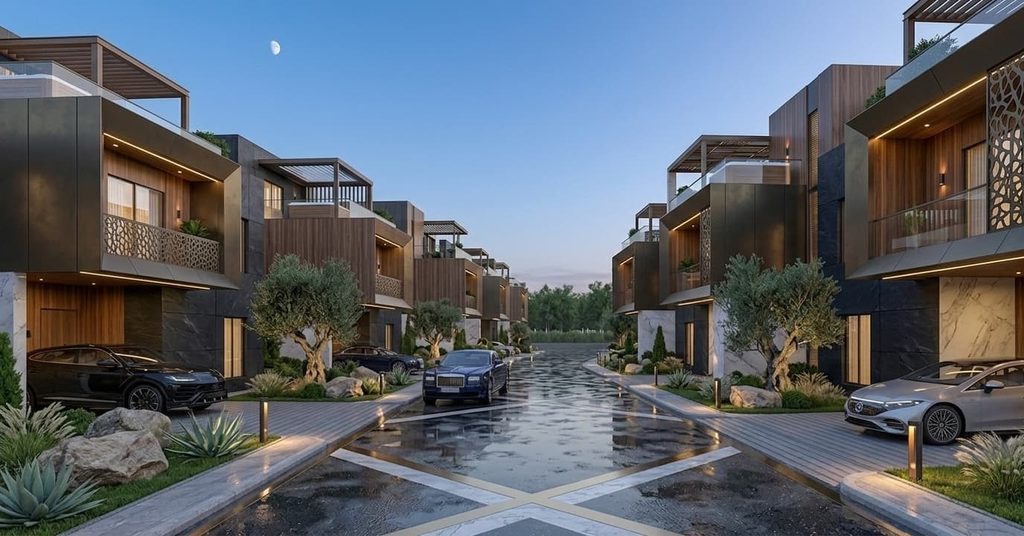
Historically, cities expanded through ad-hoc construction where houses appeared first, and infrastructure followed years later. This reactive approach created severe congestion, inadequate drainage, and a lack of open spaces. Today, master-planned communities flip this model. They establish thorough engineering, environmental sustainability, and recreational systems before the first residential brick is laid. By prioritizing these elements early, developers create environments where families thrive for generations without facing the compounding problems of poorly planned urban sprawl.
What defines comprehensive community infrastructure in modern housing projects?
Community infrastructure encompasses all the physical and organizational structures required for a neighborhood to function smoothly. It goes beyond basic electricity and water. It includes internal road networks, pedestrian walkways, storm-water management systems, parks, sports facilities, community halls, and digital connectivity hubs. Each component plays a distinct role in shaping the daily routine of residents.
For instance, an effective storm-water drainage system prevents waterlogging during heavy monsoons, protecting property foundations and public health. Similarly, wide internal roads with proper lighting enhance night-time safety. When developers integrate these elements seamlessly, residents experience fewer daily frictions, leading to higher satisfaction rates and stronger community bonds.
Economic Impact and Long-Term Property Appreciation
Financial prudence dictates that purchasing a home is one of the largest capital outlays an individual will make. Consequently, buyers demand high resale and rental yields. Infrastructure serves as the primary engine for property appreciation. Neighborhoods featuring well-maintained parks, robust security systems, and efficient waste management consistently outperform areas lacking such amenities in capital growth.
When prospective buyers tour neighborhoods, visible indicators of strong civic maintenance signal a secure investment. Pothole-free roads, thriving landscaping, and active community centers communicate that the management takes pride in the locality. This upkeep protects capital invested in properties such as those found within the Shyam Kunj Villas luxury township, where thoughtful master planning ensures enduring desirability and market resilience.
How does infrastructure directly influence home resale values over time?
Property depreciation often occurs in areas where municipal maintenance lapses. Conversely, master-planned developments with private or semi-private civic management retain their value exceptionally well. Buyers are willing to pay a premium for properties situated in communities where schools, shopping plazas, and healthcare facilities are accessible within a short walk or drive.
Furthermore, infrastructure quality reduces ongoing maintenance costs for individual homeowners. Underground cabling prevents frequent power outages and protects household appliances from voltage fluctuations. Centralized water treatment plants ensure consistent supply without the reliance on expensive private water tankers. These hidden economic benefits accumulate significantly over a ten-year ownership period.
Social Cohesion and Psychological Well-Being
Architecture heavily influences human behavior. Isolated housing developments often foster alienation, where neighbors remain strangers for years. In contrast, thoughtfully designed community infrastructure encourages spontaneous social interactions. Central plazas, walking trails, children’s play areas, and clubhouses act as social anchors that bring residents together.
Mental health experts emphasize the importance of green spaces in reducing urban stress. Access to parks, mature trees, and natural light lowers cortisol levels and promotes physical activity. When children have safe spaces to play outdoors, they develop better motor skills and social competence. Communities that invest in shared social spaces create a protective social fabric that reduces crime rates and builds mutual trust among residents.
What role do recreational spaces play in fostering neighborly relationships?
Recreational spaces serve as neutral territories where people from diverse backgrounds interact naturally. A morning jog on a dedicated track, an evening tennis match, or a weekend community festival breaks down social barriers. These touchpoints build familiarity, which transforms into mutual aid during emergencies.
Property developments that integrate clubhouses, swimming pools, and indoor games rooms give residents spaces to celebrate milestones, host family gatherings, and organize cultural events. This sense of belonging transforms a simple collection of houses into a vibrant, supportive village.
Environmental Sustainability and Resource Management
Modern infrastructure planning must address ecological realities. Climate change, water scarcity, and carbon emissions require proactive solutions built into the foundations of new housing projects. Sustainable infrastructure reduces the ecological footprint of large residential clusters while lowering utility bills for homeowners.
Forward-thinking developers incorporate rainwater harvesting systems, solar-powered street lighting, organic waste converters, and greywater recycling plants into their master plans. These systems ensure that neighborhoods operate efficiently without straining municipal resources. Buyers exploring luxury independent villas in Noida frequently inquire about these green engineering practices, recognizing that eco-friendly features safeguard future generations.
How do eco-friendly utilities benefit everyday residents?
Eco-friendly utilities deliver immediate financial and health dividends. Solar power significantly cuts common area electricity charges, reducing monthly maintenance fees for residents. Rainwater harvesting recharges the local water table, preventing severe groundwater depletion. Organic waste management eliminates foul odors and pest infestations while producing nutrient-rich compost for community gardens.
These integrated systems also insulate neighborhoods from municipal utility failures. When city water supplies run low, self-sufficient communities rely on recycled water for landscaping and flushing, maintaining high standards of hygiene and comfort during seasonal droughts.
Safety, Security, and Technological Integration
Security remains a paramount concern for modern families. Infrastructure planning must incorporate physical and digital safety measures to protect residents and their property. Gated entry points, perimeter boundary walls, 24-hour CCTV surveillance networks, and well-lit internal pathways create secure environments where children and seniors move freely without apprehension.
Digital infrastructure is equally critical. High-speed fiber-optic connectivity, smart metering, and automated visitor management systems streamline daily life. As remote work becomes standard, reliable digital infrastructure is as essential as electricity and water.
How does smart technology improve neighborhood safety and convenience?
Smart security systems utilize automated license plate recognition, facial recognition at entry gates, and motion-sensor floodlighting to deter unauthorized access. Residents receive instant smartphone alerts regarding visitor arrivals, package deliveries, or maintenance updates.
Furthermore, reliable digital infrastructure ensures that home automation systems function smoothly. From smart thermostats to automated security locks, modern homes require robust internal wiring and high-bandwidth networks to support the devices that make contemporary living effortless.
Comparative Analysis: Planned versus Unplanned Housing Projects
To understand the true value of community infrastructure, one must contrast master-planned townships with conventional, disorganized housing developments. The differences manifest across multiple operational parameters.
| Parameter | Master-Planned Communities | Unplanned Housing Clusters |
|---|---|---|
| Road Network | Wide, grid-based roads with sidewalks and storm drains | Narrow, winding lanes prone to severe congestion |
| Water Management | Centralized STP, rainwater harvesting, 24/7 supply | Heavy reliance on private tankers and borewells |
| Open Spaces | Dedicated parks, sports complexes, and walking tracks | Scarcity of open land, minimal greenery |
| Security Measures | Gated perimeters, CCTV coverage, professional guards | Fragmented security, open public access |
This comparative overview demonstrates that investing in planned infrastructure yields superior living standards, lower maintenance overheads, and higher financial returns over the lifespan of the property.
Future Trends in Residential Infrastructure Planning
As urban centers expand, infrastructure planning continues to evolve. Future housing projects will incorporate electric vehicle charging stations as standard amenities, recognizing the rapid transition toward sustainable transportation. Additionally, vertical gardens, rooftop farming spaces, and advanced air purification systems will become common features in response to environmental challenges.
Developers also focus on creating walkable neighborhoods where daily necessities are accessible within a fifteen-minute radius. This reduces vehicular traffic within residential zones, lowering noise pollution and carbon emissions while promoting physical health. To learn more about how upcoming projects incorporate these forward-thinking designs, you can get in touch with our real estate consultants for expert guidance.
How do electric vehicle charging stations impact modern real estate development?
Electric vehicle adoption is accelerating worldwide. Housing projects lacking dedicated charging infrastructure face rapid obsolescence as homeowners transition away from internal combustion engines. Master-planned developments now install heavy-duty electrical grids capable of supporting simultaneous vehicle charging across all parking bays, future-proofing the community for decades.
Furthermore, transparent communication and data governance are vital when managing smart community utilities. Residents expect adherence to our customer data privacy policy standards regarding digital security, surveillance footage management, and visitor logs, ensuring personal privacy is never compromised in tech-enabled neighborhoods.
Frequently Asked Questions
What constitutes essential community infrastructure in a housing project?
Essential community infrastructure includes robust internal roads, reliable water supply and sewage treatment systems, storm-water drainage, electrical grids, security networks, green parks, and recreational facilities like clubhouses.
How does community infrastructure affect property resale value?
High-quality infrastructure ensures lower maintenance costs, better aesthetic appeal, and improved safety, which attracts premium buyers and drives higher capital appreciation compared to unorganized neighborhoods.
Why are green spaces important in residential master planning?
Green spaces reduce urban heat, lower stress levels, improve air quality, and provide safe recreational areas for children and seniors, thereby enhancing overall physical and mental well-being.
What role does technology play in modern housing developments?
Technology enables advanced security monitoring, high-speed digital connectivity, automated visitor management, and smart utility metering, creating a safer and more convenient living experience.