
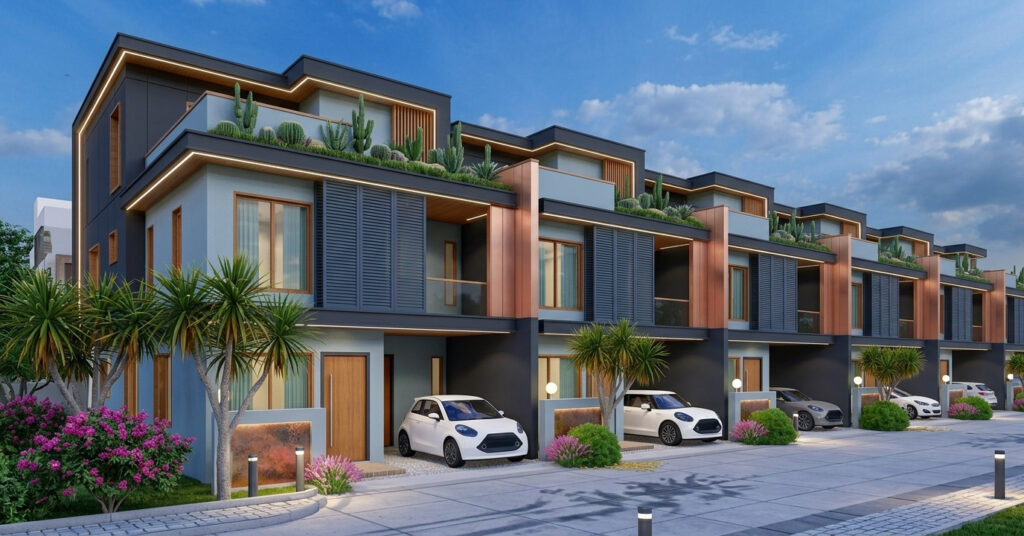
Quick Summary
This comprehensive guide examines how villa living positively impacts child development, family bonding, and long-term security. From private outdoor yards that encourage physical activity to custom study zones that boost academic performance, independent homes offer unmatched benefits. We analyze safety protocols, multi-generational advantages, and compare villa communities to vertical high-rises to help families make an informed residential decision.
The Evolution of Modern Family Living: Why Space Matters
How does extra square footage impact childhood development?
Human developmental biology and pediatric psychology have established that the architecture of a home directly correlates with a child’s early learning potential and emotional stability. When children reside in cramped quarters, they frequently encounter sensory overload, as there is no physical division between quiet resting areas and noisy communal zones. In contrast, an expansive villa offers distinct spatial segments that allow kids to transition smoothly from high-energy play to quiet study. This spatial hierarchy mitigates domestic friction, leading to calmer behavioral patterns and superior emotional self-regulation. Having the physical room to construct expansive train tracks, engage in imaginative role-play, and run around indoors without fear of hitting walls helps young kids develop motor skills, spatial reasoning, and creative problem-solving abilities.
Additionally, independent spaces encourage children to build self-reliance. Having a designated bedroom or personal playroom allows kids to learn the mechanics of organization and upkeep. They learn to tidy up their toys, arrange books, and take ownership of their immediate environment. This self-reliance fosters healthy self-esteem and prepares them for future responsibilities. Parents raising children in villas have the freedom to design custom sensory rooms, install indoor mini-gyms, or paint wall murals that stimulate visual and cognitive learning, supporting developmental milestones without compromising the home’s aesthetics.
Why are traditional apartments falling short for growing families?
Conventional high-rise apartments, especially in dense urban hubs, present severe spatial and architectural constraints. Shared walls, floors, and ceilings mean that normal childhood activities, such as jumping, dancing, or laughing loudly, can generate noise complaints from neighbors. Parents living in apartments often find themselves constantly monitoring and restricting their child’s movements, creating a stressful household dynamic where children feel restricted and hyper-vigilant. This constant feedback loop of limitation can stifle natural active curiosity and physical exploration.
Additionally, high-rise blocks lack immediate, private outdoor entry points. Balconies in high-rises are small and present safety hazards for toddlers, meaning parents must coordinate supervised trips to public areas just to access fresh air. This reliance on elevators and shared public zones can discourage spontaneous play, leading to sedentary habits and excessive screen time. The lack of private, immediate green spaces deprives children of daily exposure to natural elements, which is vital for physical health, coordination, and immune system development.
Safety and Security: Creating a Protected Environment
What security features make gated villa communities safer for kids?
Child physical safety is the foundational block of parental peace of mind. Gated villa communities are built with comprehensive, multi-layered security infrastructure designed to create a protected sanctuary. Unlike individual stand-alone residences in open neighborhoods, planned villa communities utilize controlled main entry points with professional security guards, real-time biometric tracking for service providers, and continuous perimeter monitoring. These strict barriers to entry prevent unauthorized individuals from wandering into the neighborhood, creating an exceptionally safe perimeter for children.
In such a secure setup, parents can let their children play outside, ride bikes, and walk to neighbor homes without the constant need for direct adult supervision. Heritage Prime recognizes that building secure environments is fundamental to modern living. Working with a reputable real estate developer in NCR ensures that these advanced safety systems are integrated seamlessly into the community infrastructure. These private estates often feature integrated smart surveillance that covers common parks, sports courts, and walkways, letting parents monitor their children’s activities from their smartphones while attending to daily chores.
How does reduced vehicular traffic inside communities protect children?
Public city streets are increasingly clogged with high-speed traffic, delivery motorcycles, and passing commuters, rendering them hazardous for children. Gated villa developments resolve this concern through modern pedestrian-first layouts. These communities utilize smart traffic-calming designs, including speed tables, wide sidewalks, and designated underground parking paths that isolate moving vehicles from common areas. By restricting external transit traffic and enforcing low speed limits internally, the streets become safe zones.
This reduction in vehicular movement allows children to use the neighborhood as an extension of their home. They can practice bicycling, skate, or play street games with friends safely. The lack of constant vehicle flow also reduces localized exhaust fumes, leading to cleaner air and a quieter environment. This healthy setting supports respiratory health and allows children to grow up in a space free from the persistent hum of heavy traffic.
Private Outdoor Spaces: Encouraging Active and Healthy Lifestyles
Why are private backyards superior to public parks for daily play?
Public parks are excellent resources but they present distinct challenges, such as maintenance issues, uneven safety standards of play equipment, crowds, and potential exposure to unhygienic conditions. A private backyard or personal lawn, however, offers a completely controlled, clean environment where children can play at any time of day. Parents can customize the backyard with safe, high-quality playground gear, such as trampolines, customized swings, mud kitchens, or splash pads, tailored to their children’s exact needs and age groups.
Many families seeking premium residential properties in Delhi NCR prioritize private gardens as a top-tier buying requirement. Having an immediate outdoor space allows parents to encourage physical fitness effortlessly. Children can step outside to play catch, practice soccer, or run around without the logistics of a planned trip to an external park. It also serves as a private, secure venue for hosting birthday celebrations, family gatherings, and childhood playdates, fostering strong social ties within a controlled setting.
How do green personal spaces foster a connection with nature?
Growing up surrounded by nature has profound physical and psychological advantages, including reduced anxiety, improved attention spans, and greater emotional stability. A villa with its own private garden offers children a daily interface with natural biological processes. Children can learn about ecology first-hand by planting seeds, tending to a home vegetable garden, and watching flowers bloom. Tracking the visits of butterflies, ladybugs, and local birds stimulates intellectual curiosity and environmental care from early childhood.
This sensory interaction with the physical world cannot be replicated by digital devices or school lectures. It encourages sensory integration as young children touch soil, walk barefoot on grass, and smell diverse flowers. These tactile experiences are important for physical development, helping kids build fine motor skills, coordination, and a deep appreciation for the environment.
Academic and Creative Growth: Dedicated Zones for Focused Minds
How do customized study rooms improve academic focus?
Academic success requires quiet focus, which is difficult to maintain in a busy, shared household. In typical high-density apartments, children often must study at the dining table, in a shared bedroom, or near common areas where televisions and conversations distract them. A villa provides the structural footprint to allocate an entire room as a quiet home study, library, or computer lab. Parents can design this space with ergonomic desks, task lighting, and academic resources, creating an optimal learning atmosphere.
A dedicated study space helps children develop strong focus habits. Entering a space designed only for study trains the brain to minimize distractions and concentrate on tasks. It also keeps school materials, reference books, and science projects systematically organized, reducing household clutter and fostering structured daily study routines that benefit the entire family.
Where can children explore hobbies without disrupting the household?
Whether it is practicing a musical instrument, painting with oils, building robotic systems, or practicing gymnastics, hobbies require dedicated space and can be messy. In a villa, parents can convert a basement, attic, or extra room into a creative studio. This setup allows children to leave projects set up between sessions, keeping their creative momentum going without cluttering shared family spaces.
Additionally, proper sound insulation can be installed in a villa room, allowing children to practice musical instruments like the piano, drums, or violin without disturbing other family members or neighbors. This freedom to practice without time constraints or noise worries encourages children to master skills, discover natural talents, and build creative confidence.
Community and Socialization: Growing Up with Peers
How do structured villa neighborhoods facilitate healthy childhood friendships?
A supportive neighborhood provides a vital social framework for growing children. Villa developments tend to attract families with similar values, creating a safe, consistent community of peers. Since these communities are enclosed and secure, kids can easily walk to friends’ homes, facilitating spontaneous, healthy face-to-face play. This organic socialization helps children build social skills, learn empathy, and develop conflict-resolution strategies naturally.
To support this collaborative lifestyle, planned neighborhoods offer shared amenities that encourage families to gather. For example, communities like the independent homes with modern amenities found in premier projects offer shared play spaces where children can socialize safely. These shared spaces help children form strong community bonds, building lasting friendships and a healthy sense of belonging.
What role do community clubhouses play in a child’s social life?
Modern villa developments typically feature well-equipped clubhouses designed with children in mind. These include kids’ swimming pools, indoor game areas, sports courts, and hobby rooms. Clubhouses host seasonal events, sports tournaments, and interest classes, giving children structured ways to interact, learn teamwork, and discover new interests.
These organized activities help children build social confidence and learn leadership skills. Being part of a supportive community also fosters emotional security during formative adolescent years, providing positive outlets for energy and encouraging a balanced, active lifestyle.
Financial and Multigenerational Benefits: A Legacy for the Future
How do villas accommodate multi-generational living arrangements?
Many families value raising children with the support of grandparents, which offers emotional stability, intergenerational wisdom, and reliable support. However, multi-generational living requires a careful balance of shared and private spaces to avoid domestic friction. Standard apartments rarely offer the space or layout flexibility to support this arrangement comfortably.
Villas, with their multi-story designs, separate entrances, and independent wings, are perfectly suited for multi-generational families. Grandparents can enjoy a quiet ground-floor bedroom with easy garden access, avoiding stairs. Meanwhile, the younger generation can occupy upper floors, maintaining their own schedule without disturbing elders. This harmonious arrangement ensures that everyone enjoys privacy while remaining connected under one roof.
Why is investing in independent land and structures a sound long-term decision?
Purchasing a villa means investing in both a high-quality home and the underlying land, which is an appreciating asset. Land value historically grows at a faster rate than apartment units. While high-rise buildings require complex collective maintenance as they age, independent villas give owners the flexibility to renovate, expand, or update their homes as family needs evolve.
Properties within an exclusive residential community in Delhi NCR offer sustained capital appreciation and premium value. This financial security provides a stable asset that can be passed down to future generations, giving children a permanent family home filled with decades of memories.
Comparing Villa Living vs. Apartment Living for Families
To help families weigh their options, here is a detailed comparison of key living parameters between premium independent villas and standard high-rise apartments:
| Parameter | Independent Villa Living | High-Rise Apartment Living |
|---|---|---|
| Indoor Living Space | Abundant; features multiple floors, private basements, and attic options. | Limited; confined to a single flat layout with shared walls. |
| Private Outdoor Area | Spacious private lawn, backyard, and personal terrace. | Restricted to small balconies with safety hazards. |
| Child Safety & Traffic | High safety; gated perimeters, low-traffic internal streets. | Moderate safety; high traffic in parking lots and visitor lanes. |
| Customization Flexibility | Unlimited; modify layouts, expand rooms, and design custom interiors. | Very restricted; structural modifications are generally forbidden. |
| Noise & Disturbance | Minimal; independent walls ensure complete privacy and quietness. | High; prone to noise transmission from adjacent units. |
| Long-Term Value | High asset appreciation driven by rising land values. | Moderate; structure depreciates with limited land share. |
Frequently Asked Questions
Is purchasing a villa a better financial investment than an apartment?
Yes, from a long-term wealth perspective. While apartments depreciate as the building ages, villas include ownership of the land beneath them. Land value appreciates over time, providing strong capital gains and securing a valuable physical asset that can be passed down as a legacy to your children.
Is a villa safe for young children who play outside?
Yes. Gated villa communities employ multi-layered security measures, including manned entry gates, continuous CCTV monitoring, and restricted visitor access. The low vehicular speed limits and pedestrian-friendly road layouts within these communities significantly reduce the risk of traffic accidents, making them far safer than standard open public streets.
How does a private garden benefit childhood health?
A private garden provides immediate access to fresh air, physical exercise, and natural sunlight, which is necessary for synthesizing Vitamin D. It also encourages creative outdoor play, reduces screen dependency, and offers hands-on opportunities to learn about nature, contributing to both physical and mental well-being.
Are villas practical for multi-generational families with kids?
Absolutely. The multi-level structure of a villa allows families to divide the living space logically. Elderly grandparents can reside on the ground floor to avoid climbing stairs, while children and parents occupy the upper floors, balancing private personal space with active family bonding areas.