
Quick Summary
Understanding what influences property appreciation requires looking past aesthetic trends toward functional longevity. High-impact amenities include smart security systems, energy-efficient HVAC, functional kitchen remodels, and proximity-based lifestyle features. This analysis explores how specific capital expenditures influence market positioning and long-term resale potential for homeowners and investors.
The Economics of Amenities
Real estate value stems from a balance between structural integrity and the features that simplify daily life. While aesthetic choices like paint colors or decorative fixtures shift with changing trends, functional amenities remain the bedrock of asset appreciation. Investors who prioritize features addressing fundamental needs, such as space optimization, climate control, and digital connectivity, often witness higher margins at the point of sale. Developers at Heritage Prime emphasize these functional aspects to ensure longevity and market demand remain stable regardless of broader economic fluctuations.
When evaluating potential returns on investment, one must distinguish between features that provide genuine utility versus those that are merely ornamental. For instance, an open floor plan that increases natural light is a structural shift that commands a premium. Conversely, luxury finishes that are highly specific to an owner’s taste may fail to appeal to a wider buyer demographic. Prospective homeowners should consider how their improvements align with the broader urban landscape. For those researching market standards, our legacy of trust in home construction serves as a benchmark for understanding how foundational quality intersects with modern feature sets.
High-Impact Interior Upgrades
What kitchen features matter most?
The kitchen continues to hold its position as the heart of residential value. Modern buyers prioritize layout efficiency and durable material selection. Modular cabinetry, high-end appliance suites with smart technology, and quartz or granite countertops are standard expectations rather than optional luxuries. A kitchen that supports seamless workflow and provides ample storage will consistently outperform one that lacks ergonomic planning. Homeowners seeking to maximize value should focus on neutral color palettes and high-quality hardware that withstands frequent use over many years.
How does smart home integration help?
Technological infrastructure has become a non-negotiable factor in contemporary appraisals. Homes equipped with centralized lighting controls, automated climate systems, and integrated high-speed data networking allow owners to manage their environment with precision. These systems reduce operational costs and enhance security, both of which are high-priority concerns for modern buyers. When installing smart components, ensure the underlying wiring and hub systems are future-proof. This ensures that even as new software versions emerge, the home hardware remains relevant.
Community-Centric Infrastructure
Location remains the primary driver of value, but within a chosen neighborhood, the specific amenities provided by the residential complex determine the price ceiling. Security is paramount. Gated communities that offer multi-layered protection, such as biometrics, video surveillance, and on-site security personnel, command significantly higher valuations. These features provide peace of mind that buyers are often willing to pay a premium for upfront. It is essential to recognize that buyers often investigate the digital safety of their future home as well, often reviewing strict user data protection guidelines when evaluating gated community security software integrations.
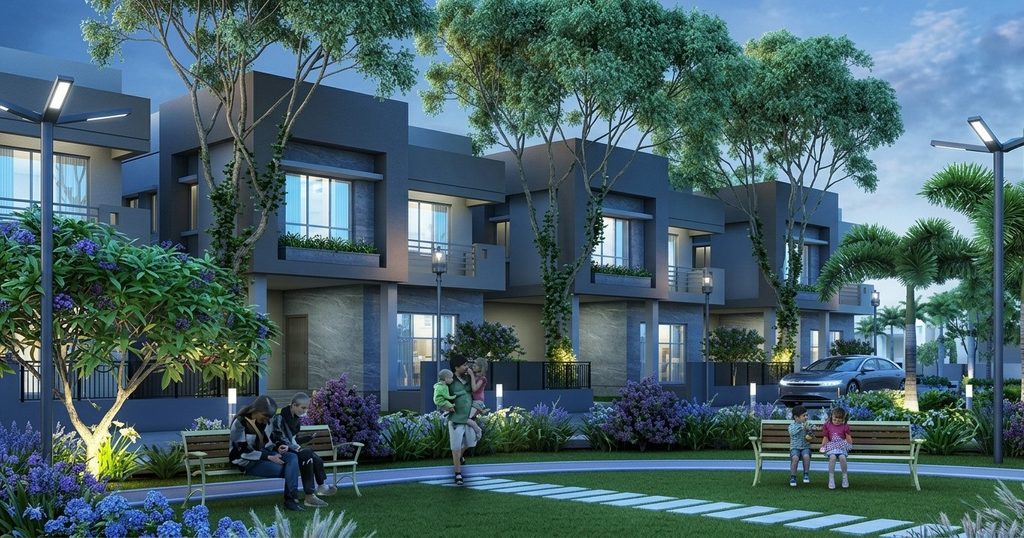
Beyond physical security, shared lifestyle amenities play a major role. Dedicated wellness centers, jogging tracks, and landscaped recreational spaces effectively extend the living area of a property. A well-maintained club house that functions as a community hub provides social value that cannot be replicated in smaller, isolated developments. When looking at higher-end segments, especially when exploring luxury independent villas in Noida, one observes that the integration of open green space and private garden access directly correlates with an increase in property liquidity and long-term price stability.
The Sustainability Advantage
Why energy efficiency drives price?
Sustainability is no longer a niche preference but a core requirement for asset retention. Homes that utilize solar panels, rainwater harvesting systems, and double-glazed windows effectively lower monthly overhead for homeowners. These energy-efficient upgrades are viewed as long-term savings vehicles by informed buyers. A residence that maintains a comfortable thermal environment without excessive electricity consumption is inherently more valuable than a poorly insulated property that requires constant cooling adjustments. This operational efficiency is a key selling point that resonates with families focused on both cost management and environmental impact.
Are waste management and water systems important?
Advanced waste management and water filtration systems represent the next tier of home infrastructure value. Properties that incorporate centralized water treatment plants or organic waste composting facilities demonstrate a commitment to hygiene and municipal efficiency. These amenities signal that a residential complex is managed by a professional entity. For property owners, these features reduce the likelihood of chronic infrastructure issues, protecting the value of their investment over several decades.
Comparison of Amenity Returns
| Amenity Category | Primary Value Impact | Expected ROI |
|---|---|---|
| Smart Security | High – Security Focus | Moderate-High |
| Kitchen Remodel | Very High – Functional | High |
| Energy Systems | High – Cost Reduction | Moderate |
| Club House | Moderate – Lifestyle | Low-Moderate |
Professional Consultation for Value
Determining which upgrades to prioritize often requires an objective assessment of the local market dynamics. Trends shift based on regional demand, school district changes, and infrastructure growth. Engaging with industry professionals helps in navigating these variables. Those interested in maximizing the potential of their current property or assessing a future acquisition should contact seasoned property experts to receive tailored advice based on current market data and site-specific conditions. Understanding the nuances of property valuation is a complex process, but it remains one of the most effective ways to safeguard and grow wealth.
Ultimately, the amenities that provide the most value are those that harmonize with the daily experience of the inhabitant while reducing the long-term cost of ownership. Whether it is improving the structural efficiency of a dwelling or upgrading the shared security framework of a community, the focus must always be on durability and broad appeal. By ignoring fleeting stylistic trends and focusing on the core functional components discussed here, homeowners can ensure their investment remains desirable for years to come.
Frequently Asked Questions
Do swimming pools really increase home value?
In many regions, swimming pools offer a mixed return on investment. While they are desirable, they require significant ongoing maintenance, which some buyers view as a drawback. In high-end luxury segments, a pool is expected, but in standard residential markets, the capital tied up in a pool often does not return a full profit upon resale. Before investing in such a large amenity, evaluate the preferences of the local demographic to determine if the pool will be seen as an asset or a burden.
Is it better to upgrade the kitchen or the bathrooms?
The kitchen is statistically the most valuable area for renovation because it serves as a central hub for activity and entertaining. A modernized kitchen with updated appliances, improved workflow, and high-quality materials offers a higher return on investment compared to bathroom upgrades. While bathrooms are important, a kitchen renovation typically reaches a wider range of potential buyers and plays a more significant role in their purchase decision.
How does home automation affect appraisal?
Appraisers are increasingly looking at integrated home systems, including smart security, smart lighting, and energy monitoring. These features add value by reducing utility costs and enhancing physical security. However, for these systems to be fully recognized in an appraisal, they must be permanently installed and fully functional. Systems that rely on portable smart devices are often treated as personal property rather than structural value improvements.
Does landscaping add measurable value to property?
Yes, professional landscaping significantly impacts curb appeal, which is the first impression a buyer has of a property. Well-maintained, native-plant-focused gardens that require minimal water are particularly valuable in modern markets. Beyond aesthetics, smart landscaping includes features like retaining walls for drainage control and mature trees that provide natural shade, effectively lowering cooling costs. A clean, structured outdoor environment provides a strong return by increasing the perceived value and inviting nature of the dwelling.