
Quick Summary
Long-term demand in the residential property sector is shaped by structural economic foundations rather than temporary market cycles. Key drivers include job market growth, urban migration, infrastructure expansion, and evolving household configurations. This comprehensive analysis evaluates the sustainable forces ensuring real estate remains a resilient, appreciating asset class over decades.
Fundamental Economic Drivers of Housing Markets
How does employment growth influence home buyer behavior?
At the center of any resilient residential housing market lies a robust employment ecosystem. When corporations, technology parks, industrial corridors, and financial districts expand, they attract a skilled workforce requiring nearby accommodation. Regions characterized by high-paying employment opportunities experience a sustained influx of professionals, which directly translates into consistent residential demand. This relationship between job creation and housing is cyclical: as employment hubs grow, they foster commercial ecosystems that further stimulate residential development.
Disposable income levels also dictate the purchasing power of this workforce. When wages rise and career longevity feels secure, individuals transition from rental units to homeownership. This transition represents a major structural shift in market demand, stabilizing property values and reducing vacancy rates. Historically, micro-markets situated within a thirty-minute commute of primary employment centers maintain their value far better during economic downturns, proving that geographic proximity to employment remains an essential priority for homebuyers.
Why do interest rates and mortgage accessibility dictate purchase cycles?
Monetary policy and financial accessibility act as primary catalysts for home buying activity. When central banks maintain favorable borrowing rates, the cost of capital decreases, making long-term mortgages highly attractive to middle-income families. Lower interest rates reduce the monthly financial burden of home loans, expanding the pool of eligible buyers who can transition from renting to owning. This financial ease stimulates transaction volumes and encourages developers to initiate new residential projects.
Conversely, even during phases of higher interest rates, structural demand persists if financial institutions offer structured, flexible mortgage products. Access to capital through transparent lending practices, streamlined approval processes, and competitive loan-to-value ratios maintains market momentum. When buyers can confidently secure long-term financing, they are more willing to invest in under-construction or newly completed properties, securing steady capital flow for the entire construction ecosystem.
Demographic Shifts and Changing Household Composition
How does the rise of nuclear families alter property configurations?
Societal evolution has heavily impacted the structure of modern households, causing a noticeable shift in property preferences. The traditional multi-generational household is increasingly making way for nuclear families and single professionals. This structural shift creates a requirement for a larger number of individual housing units, even if the overall population growth rate remains stable. Rather than one large household, multiple smaller units are now needed to accommodate the same family members over time.
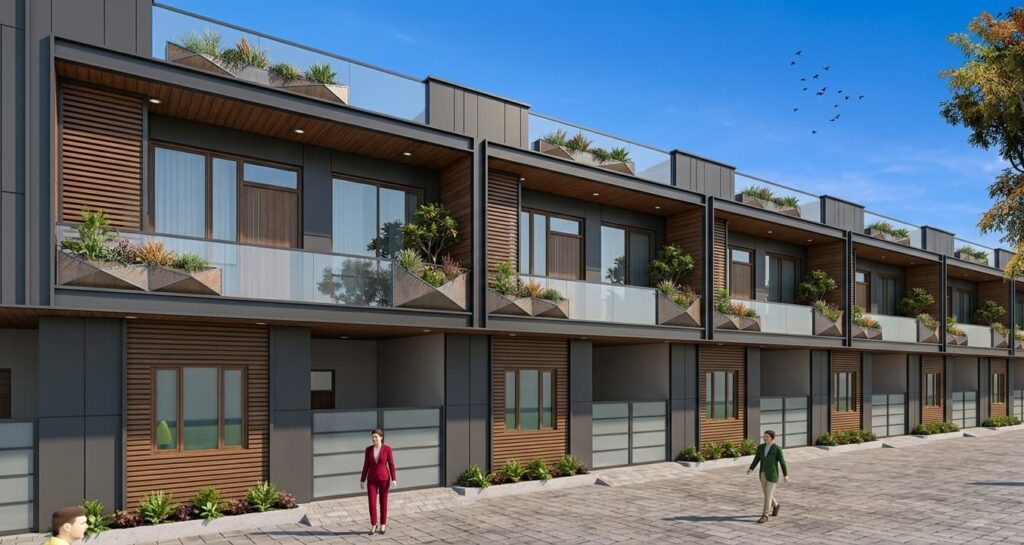
At the same time, affluent buyers seeking privacy, spaciousness, and customized layouts are increasingly investing in luxury properties. This has fueled the popularity of luxury independent villas in Noida, where residents can enjoy expansive private spaces, dedicated personal gardens, and customized architectural floor plans. This balance between compact city apartments for young professionals and expansive private estates for established families showcases the diverse nature of modern housing demands.
What role does urbanization play in sustained urban housing needs?
Urbanization remains an unstoppable global trend, driving millions of people toward major metropolitan regions every year. As cities offer superior medical care, education, career opportunities, and lifestyle facilities, they act as massive magnets for regional populations. This continuous migration creates a perpetual supply-demand gap in metropolitan residential sectors, keeping rental yields high and capital appreciation steady.
To accommodate this influx, city boundaries are constantly expanding outward, turning once-rural outskirts into thriving suburban centers. These emerging suburbs gradually develop their own commercial and educational infrastructure, offering more affordable entry points for first-time homebuyers. The persistent influx of new residents ensures that even as older micro-markets reach saturation, new residential pockets continue to emerge and capture healthy demand levels.
Infrastructure Development and Regional Accessibility
Why do new transit corridors trigger immediate capital appreciation?
Infrastructure is the lifeblood of real estate valuation. The announcement, development, and completion of major transit corridors like expressways, rapid rail transit systems, metro lines, and international airports completely change the economic prospects of a region. Improved transit reduces travel times, making affordable suburban residential locations highly viable options for professionals working in central business districts.
When a new transit corridor becomes operational, the surrounding land values rise almost instantly. Homebuyers and investors recognize that connectivity enhances the overall quality of life by reducing daily commute stress. Consequently, developers focus their resources on constructing well-planned residential complexes along these transit routes, ensuring a steady stream of long-term demand from buyers who prioritize seamless regional accessibility.
How does civic master planning safeguard long-term habitation quality?
While transit connectivity brings people to an area, the quality of local civic planning determines whether they will stay there long term. Well-conceived master plans that allocate adequate space for wide roads, underground utility networks, public parks, rainwater harvesting systems, and waste treatment plants prevent the urban decay that often plagues unplanned settlements. Buyers are increasingly discerning about these factors, choosing communities that promise long-term ecological and physical sustainability.
In established developments across the National Capital Region, major real estate groups have integrated advanced civil engineering and green master planning into their projects. Entities such as Heritage Prime highlight how developers with a deep understanding of urban planning can create lasting value. By coordinating residential layouts with municipal infrastructure improvements, they ensure that the residential neighborhoods remain clean, accessible, and liveable for generations.
Modern Lifestyle Preferences and Design Evolution
What features define the modern premium residence?
The contemporary homebuyer views residential real estate as much more than just a physical shelter. Today, a residence is seen as an integrated wellness zone, a functional remote office, and a private sanctuary. This perspective has accelerated the adoption of sustainable architectural design, energy-efficient building materials, automated smart home systems, and highly functional layouts that maximize natural light and ventilation.
Furthermore, buyers now perform exhaustive background checks on developer credentials before committing to a purchase. They look for builders with a proven legacy of trust in home construction to ensure that build quality, structural integrity, and timeline commitments are fully met. Developers who prioritize structural excellence and integrate green technologies like solar panels, EV charging stations, and greywater recycling enjoy consistent, long-term brand equity and demand.
Why is security and communal living rising in priority?
Modern lifestyle demands have made safety and security top priorities for families, especially in expanding metropolitan areas. Gated communities equipped with round-the-clock security personnel, advanced CCTV monitoring, and digital visitor management systems provide a sense of safety that standalone houses often lack. This secure environment is highly attractive to families with young children and elderly members.
In addition to safety, gated developments foster a sense of community through shared amenities. Access to fully equipped clubhouses, swimming pools, fitness centers, sports courts, and dedicated children play areas allows residents to lead active, fulfilling lifestyles without leaving their residential premises. This convenience-driven community model has become a major driver of long-term demand, as it offers a superior lifestyle standard that cannot be replicated in unorganized residential colonies.
Comparative Analysis of Demand-Generating Factors
To better understand the structural forces driving residential demand, it is helpful to analyze how different factors affect buyer choices over short and long horizons. While some factors trigger immediate sales spikes, others sustain property desirability over several decades.
| Demand Factor | Impact Horizon | Primary Benefit to Owners | Long-term Resilience |
|---|---|---|---|
| Proximity to Employment Hubs | Permanent | Reduced commute time, consistent rental income | Very High |
| Mass Transit Connectivity | Medium to Long-term | Accelerated capital appreciation, ease of travel | High |
| Gated Infrastructure & Amenities | Long-term | Enhanced security, community lifestyle, fitness options | High |
| Tax Incentives & Low Interest Rates | Short-term | Reduced entry cost, lower initial financial outlay | Moderate |
Financial and Investment Dynamics of Residential Real Estate
Why is housing considered an effective hedge against inflation?
Real estate has long been valued as a reliable wealth preservation asset during inflationary periods. When the cost of goods and services rises, construction costs and land values inevitably follow. Consequently, the replacement cost of existing residential properties increases, which drives up the market value of completed homes. Unlike cash, which depreciates during inflationary cycles, real property tends to retain or increase its real purchasing power.
Furthermore, residential landlords can adjust monthly rentals in response to cost-of-living increases, protecting their real rate of return. This ability to generate rising rental yields while experiencing steady capital growth makes residential real estate a highly attractive option for conservative investors. Even during volatile economic cycles, residential properties provide a tangible security that digital assets or volatile paper equities cannot match.
How do regulatory reforms build buyer confidence?
The introduction of robust real estate regulatory bodies has fundamentally transformed the residential sector. Previously, buyers often faced project delays, lack of transparency, and unilateral contract modifications. Today, strict compliance frameworks protect consumer interests by mandating that developers register projects, disclose financial details, and maintain dedicated escrow accounts to prevent the diversion of construction funds.
This increased transparency has restored buyer trust and attracted institutional investors to the residential space. To maintain this high standard of transparency, reputable developer networks ensure that all consumer data and financial transactions are protected by strict user data protection guidelines. When buyers feel secure that their capital is legally protected and their personal information is safe, they are more willing to make large, long-term investments in residential properties.
The Path Forward for Homebuyers and Investors
How should buyers evaluate prospective neighborhoods?
Choosing the right residential property requires looking beyond aesthetic appeals and looking at structural and geographic realities. Prospective buyers should carefully study regional municipal master plans to ensure that the neighborhood will not suffer from future congestion or poor utility management. They must also assess proximity to essential services such as major hospitals, top-tier schools, commercial markets, and upcoming public transit stations.
To navigate these complex market dynamics and find properties that align with long-term growth trends, it is highly recommended to consult experienced industry professionals. To get personalized guidance based on detailed market research, buyers can contact seasoned property experts who can provide comprehensive neighborhood comparative analyses, financial project projections, and legal due diligence support. Taking these steps helps buyers make decisions that protect their capital and ensure a high quality of life for their families.
Frequently Asked Questions
What is the most critical factor driving long-term property appreciation?
Location and connectivity remain the most critical factors for long-term real estate appreciation. Properties situated near expanding employment hubs, top-rated educational institutes, and major transit networks consistently retain their value and appreciate faster than those in poorly connected regions, as the demand for convenience never decreases.
How do green building certifications affect residential demand?
Modern buyers are highly environmentally conscious and look for properties with green certifications. Sustainable features like rainwater harvesting, solar panel integration, energy-efficient fixtures, and waste management systems not only reduce carbon footprints but also lower monthly utility costs, making these properties highly desirable over the long term.
Does renting affect the long-term demand for purchasing homes?
While renting offers short-term flexibility, it does not diminish the long-term desire for homeownership. Historically, as individuals progress in their careers and start families, their priorities shift toward stability, personalization, and wealth creation, leading them to transition from renting to purchasing permanent homes.
How does developer reputation impact a property resale value?
A developer reputation is a key factor in resale value and demand. Properties constructed by builders with a proven track record of timely delivery, structural integrity, and professional maintenance support retain their premium valuation, as secondary market buyers are willing to pay more for peace of mind and quality construction.