
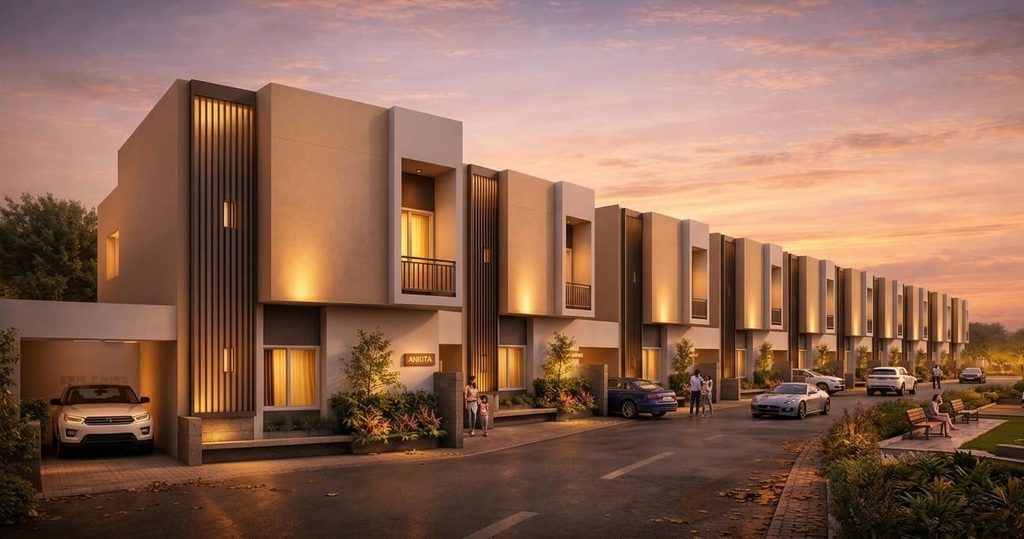
Quick Summary
A family-friendly villa community is defined by integrated safety protocols, multi-generational amenity planning, pedestrian-first infrastructure, and seamless accessibility to schooling and medical care. This comprehensive guide details the physical and social structures that transform housing developments into secure, sustainable, and highly collaborative neighborhoods for growing households.
The Evolution of Modern Family Living: What Defines a Modern Villa Community?
The layout of residential spaces dictates how families interact, rest, and grow. In recent years, a major shift has occurred in how households view their living spaces. While vertical urban complexes offer convenience, they often lack the physical room and natural integration that growing families require. Low-density residential projects have emerged as the preferred alternative, offering a balance of private space and shared social facilities. The modern villa community is no longer just a collection of upscale houses; it is a carefully engineered ecosystem designed to support long-term physical and social development.
Within these low-density communities, the layout is designed to foster a sense of security while maintaining private boundaries. Unlike traditional isolated residential plots, a planned community offers structured landscaping, standardized safety measures, and shared responsibility. Organizations like Heritage Prime observe that modern buyers prioritize these integrated features over mere square footage. A family-friendly development must balance the need for quiet, private study spaces with open areas that invite spontaneous social interaction among neighbors.
Why are families shifting from high-rise apartments to low-density villa estates?
High-rise apartments often present challenges regarding shared walls, limited personal outdoor space, and high elevator wait times during peak school or work hours. Families transition to low-density estates to reclaim control over their immediate environment. Having a private backyard, a personal terrace, and dedicated parking spaces minimizes daily friction. Additionally, low-density neighborhoods prevent the overcrowding of common facilities, ensuring that swimming pools, gymnasiums, and parks remain clean, accessible, and functional for all residents.
How does architectural layout impact daily family interactions?
The architectural design of a villa directly influences the domestic dynamic. Open-concept floor plans on the ground level encourage family members to gather, allowing parents to keep an eye on young children while preparing meals or working from home. Simultaneously, multi-story layouts provide physical separation, giving teenagers and grandparents their own quiet zones. Outdoor extensions, such as front lawns and internal courtyards, act as bridge spaces that encourage physical outdoor play instead of excessive screen time.
Crucial Infrastructure and Safety Protocols in Family Estates
Safety is the foundational requirement of any family-centric neighborhood. Parents need to know that their children can play outdoors, ride bicycles, and walk to a friend’s house without constant direct supervision. Achieving this level of security requires a combination of physical barriers, advanced monitoring technology, and smart traffic engineering. When families look for luxury independent villas in Noida, security remains the paramount consideration, alongside structural build quality and design aesthetics.
Modern security systems must be integrated without making the estate feel restrictive or overly fortified. Successful communities implement multi-tiered security barriers that begin at the main gate and extend to individual property boundaries. This involves automated visitor registration, continuous peripheral monitoring, and physical patrols. Additionally, modern community layout planning places a heavy emphasis on pedestrian-only pathways, separating vehicular traffic from play zones to prevent accidents.
What security systems are required for a safe family neighborhood?
A secure community relies on a multi-layer infrastructure that functions continuously. The primary layer is a secure perimeter fence with automated motion sensors and high-definition CCTV cameras. The second layer is smart access control, utilizing RFID tags for resident vehicles, biometric access at common facilities, and digitized pre-approval systems for domestic staff and delivery personnel. The final layer consists of professionally trained security wardens who patrol the community grounds 24/7, supported by emergency panic buttons installed inside individual villas and along public walking tracks.
How do pedestrian-friendly zones and vehicular management ensure child safety?
Child-friendly planning separates vehicular roads from recreational areas. High-quality community designs implement perimeter-only driving tracks or underground parking networks, keeping the interior of the residential cluster entirely pedestrian. Where streets do run past homes, traffic-calming solutions such as speed humps, textured paving, and clear signage are utilized. Sidewalks are designed without sudden elevation changes, allowing strollers, tricycles, and wheelchairs to move smoothly without stepping onto active roadways.
Shared Amenities that Foster Social Connection and Wellness
A family-oriented villa development should act as a self-contained ecosystem that promotes physical health and social development. When designed correctly, shared amenities act as social anchors where residents build a supportive network. Industry analysts tracking developments on the NCR real estate blog and market insights frequently emphasize that multi-functional recreation centers drive long-term price appreciation and attract buyers who plan to occupy the homes permanently. This organic community building is particularly important for young children and elderly residents who spend most of their day within the estate boundaries.
Recreational design should cater to all age brackets. Rather than simply offering a standard playground, modern developments feature specialized zones, including pet parks, senior citizen seating areas, multi-sport courts, and quiet study or co-working rooms. This distribution of spaces ensures that every member of the household has access to dedicated wellness facilities without needing to leave the safety of the perimeter gates.
Which recreational facilities encourage inter-generational bonding?
The most effective shared spaces are those designed for multi-generational use. Clubhouse amphitheaters, organic community vegetable gardens, and shallow-water splash pools allow children, parents, and grandparents to engage in joint activities. Social pavilions that host arts and crafts workshops, book readings, and community dinners encourage interaction between different age groups, fostering mutual respect and building a supportive neighborhood culture.
How do green spaces and community parks affect childhood development?
Ample access to open green spaces is directly linked to improved physical coordination, lower stress levels, and better concentration in children. Grass lawns, sensory gardens with varied plant life, and nature trails encourage unstructured play, which is critical for creative thinking and problem-solving. Well-maintained parks also encourage children to engage in physical activities like running, climbing, and cycling, helping combat sedentary lifestyles and building healthy habits from a young age.
Location, Proximity, and Accessibility for Growing Families
Even the most beautiful villa community can become stressful to live in if it is isolated from city amenities. Daily commutes to schools, offices, and healthcare facilities can quickly wear down a family’s quality of life. Therefore, strategic geographic positioning is a vital aspect of family-friendly planning. To understand localized zoning laws and find properties close to key school corridors, you can get in touch with our real estate consultants who specialize in micro-market analytics and local infrastructure planning.
Accessibility involves evaluating public transport links, road connectivity, and traffic density. A well-located villa development should sit slightly away from heavy arterial highway noise while remaining close enough to enter major expressways within a five-to-ten-minute drive. This balance protects children from particulate air pollution and traffic noise while allowing parents to commute to work efficiently.
How far should a premier community be from major educational institutions?
The ideal distance to top-tier schools is under fifteen to twenty minutes of travel time. Long daily bus rides exhaust young children, leaving them with little energy for homework, sports, or family time. High-quality communities often negotiate dedicated pick-up and drop-off loops for school buses, ensuring children do not have to wait along busy main roads. Some master-planned developments go a step further by allocating land for preschools and daycare centers directly inside or adjacent to the estate.
What healthcare and commercial connections are necessary for stress-free living?
Access to reliable healthcare within a ten-minute radius is vital, especially for families with toddlers or elderly relatives. Proximity to 24-hour emergency care centers, pediatric facilities, and pharmacies provides peace of mind. On the commercial front, having a local market complex, a pharmacy, and organic grocery providers adjacent to the community means parents do not need to drive long distances for daily necessities, saving time for family life.
Comparing Villa Communities vs. Traditional High-Rise Projects
To make an informed real estate investment, families must evaluate the practical differences between living in an independent villa community and a high-rise condominium complex. While both models offer distinct benefits, the physical autonomy and privacy of a low-density community cater more directly to the lifestyle needs of multi-generational households. Below is a comparative breakdown of key metrics that influence long-term family living.
| Living Metric | Planned Villa Community | Traditional High-Rise Complex |
|---|---|---|
| Pedestrian Safety | High: Dedicated walkways, low speed limits, separated car zones. | Medium: High-density vehicle drop-off zones and busy basement ramps. |
| Acoustic & Visual Privacy | Maximum: Independent walls, private yards, separate entrance paths. | Low to Medium: Shared walls, common corridors, overlooking balconies. |
| Outdoor Play Space | Abundant: Private lawns, courtyards, and spacious local parks. | Restricted: Shared central lawns that are often crowded during peak hours. |
| Customization Potential | High: Freedom to alter interior layouts, landscapes, and extend rooms. | Very Low: Rigid structural designs limited by association regulations. |
| Air & Light Penetration | Excellent: Open on three to four sides, maximizing natural cross-ventilation. | Moderate: Dependent on balcony orientation and nearby block spacing. |
Sustainability, Long-Term Value, and Administrative Management
A family-friendly estate must remain functional and attractive for decades. This durability depends on sustainable infrastructure and professional administrative management. Communities that focus on water recycling, solar power integration, and efficient waste sorting help teach children environmental responsibility while lowering overall maintenance costs. This long-term sustainability also preserves the property’s financial value, turning the home into a valuable asset for future generations.
Behind every great community is an active administrative body. Managing security, maintaining shared green spaces, and coordinating recreational events require professional staff. Professional management companies also implement strict protocols to protect resident databases, aligning with standard principles found in our customer data privacy policy to ensure personal details remain secure. This structured approach to administration ensures that rules are applied fairly and common areas are kept clean, safe, and welcoming for all families.
How do eco-friendly features and green energy lower long-term household costs?
Sustainable systems reduce a community’s reliance on municipal power grids and water supplies. Rainwater harvesting networks replenish the local water table, while on-site waste processing facilities convert organic waste into compost for common gardens. Solar panels on common roofs power streetlights and clubhouses, lowering common maintenance fees. These eco-friendly practices help insulate families from rising municipal utility rates over time.
Why is professional property management the backbone of family estates?
Amateur management can quickly lead to degraded infrastructure, broken play equipment, and inconsistent security patrols. Professional property management organizations employ certified technical, financial, and security teams. This structured oversight ensures that pool water is treated regularly, lift systems are certified, landscape design is maintained, and security protocols are strictly followed, keeping the neighborhood a safe and clean place for children to grow up.
Frequently Asked Questions (FAQs)
1. How do gated villa communities handle visitor access without compromising convenience?
Modern communities use cloud-based visitor management applications. Residents receive real-time notifications on their smartphones to approve or deny entry for guests, delivery executives, and service providers. This digital pre-approval system expedites entry for verified individuals while maintaining a strict, auditable log of everyone who enters and exits the community grounds, keeping residents safe without causing unnecessary delays.
2. What specific features make a villa design safe for young toddlers and senior citizens?
Key features include slip-resistant tile flooring, staircases with sturdy handrails at two height levels, rounded wall corners, and well-positioned night lighting. Bathrooms are built with grab bars and curbless shower entries to prevent slips. Additionally, having at least one bedroom suite on the ground floor ensures that elderly family members can move around easily without having to use the stairs daily.
3. Is buying a villa in a managed estate more expensive than independent plots?
While the initial purchase price of a managed community villa may be higher than an isolated plot, it offers superior long-term value. Individual plot owners must manage their own road development, security, power backup, and water supply. A managed community bundles these overhead costs, giving homeowners access to shared security, premium fitness centers, and clean public spaces at a fraction of the cost of developing them individually.
4. How does community zoning protect children from high-speed domestic traffic?
Effective community zoning creates dedicated pedestrian pathways that do not cross primary driving lanes. Speed limits within the residential areas are strictly capped at 15 to 20 km/h, supported by speed bumps, colored paving textures, and convex mirrors at blind corners. Many premium estates also feature a ring road layout, keeping all vehicle traffic on the outer edge while the inner areas remain quiet, pedestrian-only paths.