
Quick Summary
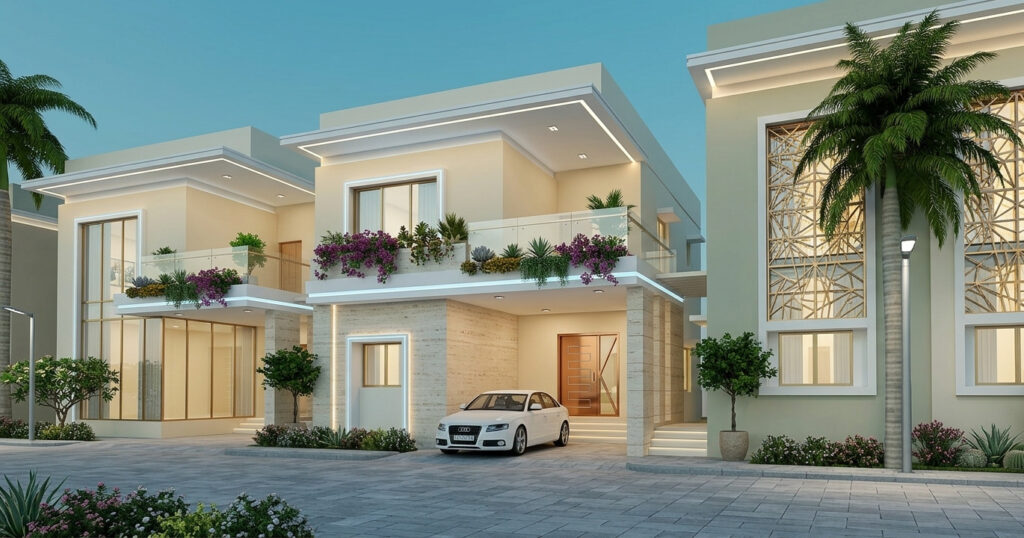
Independent villas offer superior privacy compared to apartments due to complete structural isolation, the absence of shared walls, and private access points. By eliminating vertical and horizontal structural connections, villa owners avoid acoustic transfers, visual intrusions, and common-area friction. This editorial analyzes how architectural independence, land ownership, and individual space planning create an unmatched sanctuary for homeowners seeking true isolation from high-density urban environments.
The Architectural Evolution of Personal Privacy in Modern Housing
Modern residential design is increasingly forced to balance density with human comfort. As urban centers become more crowded, the concept of home as a private sanctuary has undergone a dramatic transformation. While high-rise apartments offer vertical efficiency and convenient locations, they inherently compromise on the fundamental human need for spatial isolation. When analyzing the evolving preferences of modern homeowners, industry experts at the Heritage Prime platform highlight how spatial design dictates psychological comfort, a topic extensively discussed across their NCR real estate blog and market insights page.
True privacy is not merely about window coverings or security locks. It is an architectural state achieved through physical separation, acoustic barriers, and independent access systems. In an apartment complex, residents share a single structural matrix, meaning their daily lives are physically intertwined with their neighbors. An independent villa, conversely, operates as an isolated ecosystem. This physical separation prevents the casual, uninvited interactions that are common in multi-family developments, allowing residents to maintain absolute control over their immediate environment.
The Acoustic Reality: No Shared Walls and Reduced Sound Transmission
How does structural isolation eliminate common sound transfer?
In high-rise apartments, acoustic privacy is one of the most difficult variables to manage. Sound travels through solid structures via vibration. Impact noises, such as footsteps on the floor above, heavy doors closing, or mechanical systems running, travel effortlessly through reinforced concrete slabs. Even with advanced soundproofing materials, apartments remain susceptible to low-frequency noise transfers that cannot be easily mitigated by drywall or acoustic underlayment. Because apartments share both horizontal walls and vertical ceilings, residents are constantly exposed to the ambient noise of adjacent units.
An independent villa completely removes this structural vulnerability. Because there are zero shared walls, there is no physical medium through which impact sound can travel from a neighbor’s home into your living space. The air gap between independent plots acts as a highly effective natural sound dampener. High-frequency airborne noises, such as conversations, music, or television audio, degrade rapidly when traveling through the open air before reaching the exterior walls of an adjacent villa, resulting in a quiet and peaceful indoor atmosphere.
What are the psychological benefits of acoustic independence?
Living without the constant auditory reminder of neighbors significantly reduces daily stress levels. In an apartment, residents often feel the need to monitor their own volume, worrying about disturbing those on the other side of the wall. This creates a subconscious restriction on personal freedom. In an independent villa, homeowners can play music, host family gatherings, or engage in late-night activities without the anxiety of disturbing neighbors or being disturbed themselves, facilitating a relaxed and uninhibited lifestyle.
Access Control and the Absence of Shared High-Traffic Areas
How do private entryways limit unsolicited social interactions?
In any multi-family apartment complex, the journey from the street to the front door is highly public. Residents must navigate shared lobbies, parking garages, elevators, and corridors. These communal areas force interactions with neighbors, delivery personnel, and building staff. For individuals who value solitude or require high levels of personal discretion, this daily exposure can feel intrusive and tiring.
An independent villa eliminates these forced interactions. The transition from the public road to the private home is direct, usually occurring via a private driveway or dedicated entrance gate. This allows residents to enter and exit their property without passing through shared checkpoints or encountering other occupants. Consequently, demand has surged for high-end properties that offer physical isolation, with many affluent buyers actively seeking luxury independent villas in Noida to secure their own private sanctuary.
How does dedicated parking enhance security and privacy?
Parking in a multi-family complex is another frequent source of friction. Shared basements or open parking bays offer zero privacy for vehicle movements, making it easy for others to track a resident’s daily schedule. A villa provides a fully enclosed, private garage or carport directly attached to the house. This setup ensures that arrivals and departures remain completely shielded from public view, adding a layer of security and discretion that apartments simply cannot match.
Exclusive Outdoor Spaces vs. Shared Balconies
Why are private backyards superior to communal high-rise terraces?
While modern luxury apartments often feature spacious balconies, these outdoor spaces are rarely private. They are typically positioned directly adjacent to or below other balconies, exposing residents to visual intrusion from neighboring units. Conversations on an apartment balcony can easily be overheard, and wind patterns can carry cooking odors or cigarette smoke across units. Outdoor relaxation in this environment is rarely private.
Villas, on the other hand, offer dedicated land boundaries that allow for truly private outdoor living. A private backyard, central courtyard, or lawn can be easily shielded with mature landscaping, structural boundary walls, or pergolas. This creates an outdoor living room where family members can relax, swim in a private pool, or dine outdoors without being observed by anyone outside their property line.
How do individual rooftops offer superior lifestyle experiences?
Rooftop access in apartment buildings is almost always restricted to communal terraces or reserved exclusively for penthouse owners. In contrast, every villa owner enjoys complete sovereignty over their entire vertical footprint, including the roof. This private rooftop space can be transformed into a customized garden, a private yoga deck, or a personal star-gazing area, entirely free from the rules, regulations, and eyes of a shared community board.
Structural Independence and Freedom from Community Restrictions
Why do apartments restrict personal modification and expression?
Apartment living requires conforming to a collective set of rules. Property owners are bound by strict Resident Welfare Association (RWA) bylaws that dictate what can be placed on balconies, how exterior doors must look, and even the hours during which visitors are permitted. Furthermore, because of the shared structural frame, major interior renovations require engineering approvals, noise permits, and permission from neighbors who may be affected by the construction noise.
Owning an independent villa offers complete freedom from these constraints. Master-planned projects like the Palm Villas Noida gated community showcase how modern design can integrate individual structural boundaries with top-tier community security. Villa owners have the autonomy to modify, expand, or redesign their properties both internally and externally without needing to seek consensus from dozens of neighboring families. Whether it is adding a home cinema, modifying the facade, or landscaping the perimeter, the decision rests solely with the homeowner.
A Detailed Comparison: Villa Privacy versus Apartment Density
To fully understand how these two residential options handle privacy, it is helpful to look at specific structural and layout features. Below is a detailed breakdown comparing the key elements that affect daily living conditions and personal boundaries.
| Feature | Independent Villa | High-Rise Apartment |
|---|---|---|
| Structural Connectivity | None. Completely detached structure on an individual plot. | High. Shares walls, floors, and ceilings with multiple units. |
| Acoustic Control | Excellent. Air buffers prevent the transfer of noise from neighbors. | Poor to Moderate. Structurally transmitted vibrations and shared walls. |
| Entryway and Corridors | Private driveway and direct entrance gate with no shared areas. | Shared elevators, common lobbies, and long public corridors. |
| Outdoor Spaces | Private gardens, private backyards, and individual rooftops. | Shared balconies and communal community green spaces. |
| Modification Autonomy | High. Homeowners control structural and aesthetic design. | Low. Bound by shared structural limits and community guidelines. |
The Psychological Benefits of Low-Density Residences
Human beings are naturally territorial and sensitive to environmental stressors. High-density environments, even luxurious ones, present a constant stream of subconscious stimuli: the hum of communal ventilation systems, elevator chimes, footsteps on the ceiling, and the visual movement of strangers. Over time, these sensory inputs can elevate cortisol levels and prevent the home from serving as a true place of rest.
Low-density villa developments minimize these stimuli, creating a quiet retreat. The natural buffers, coupled with the ability to step directly onto private land, foster a deep sense of ownership and security. This spatial freedom allows families to cultivate their own routines, build personalized sanctuaries, and experience a level of peace that is simply impossible when sharing a ceiling with one neighbor and a floor with another.
How to Identify and Select High-Privacy Estates
When searching for a property that prioritizes privacy, it is crucial to look beyond the interior layout and evaluate the entire master plan of the neighborhood. Factors such as street-to-plot ratios, perimeter buffers, and the positioning of adjacent properties play a major role in long-term satisfaction. Those seeking to invest in secluded living spaces can review the latest real estate projects in Delhi NCR to find properties designed with minimal shared infrastructure.
Additionally, look for developments that incorporate natural elements like mature tree lines, green belts, and staggered driveways. These design techniques ensure that even within a high-end gated community, every home remains isolated from its neighbors. Choosing a property with a thoughtful layout guarantees that your home will remain a peaceful, private sanctuary for many years to come.
Frequently Asked Questions
Do independent villas require higher security management than apartments?
While apartments benefit from centralized building security, modern gated villa communities offer multi-layered security systems that equal or exceed high-rise towers. Individual villas can also be equipped with customized, private surveillance networks, motion sensors, and automated gate controls, giving homeowners direct oversight of their security without relying solely on shared building management.
How do maintenance responsibilities compare between private estates and shared apartments?
In an apartment, common area maintenance is handled by a central facility management team and funded by monthly association fees. In an independent villa, the owner is responsible for the upkeep of their private structure, roof, and garden. However, premium gated communities often offer comprehensive villa management packages that handle external maintenance, security, and landscaping, giving residents the convenience of apartment living alongside the privacy of an independent home.
Are there specific zoning regulations that protect villa privacy long-term?
Yes. Low-density residential zones are protected by local municipal bylaws that limit building heights, plot coverage, and setback distances. These regulations prevent neighbors from building structures that overlook your private courtyard or block your natural light, ensuring your privacy is protected over the long term.
Is the investment appreciation of villas superior to apartments due to plot ownership?
Historically, independent villas appreciate at a higher rate than apartments because they include direct ownership of the underlying land. While building structures naturally depreciate over time, the land value continues to grow, making villas a highly stable and lucrative long-term asset compared to multi-family apartments, which only offer a fractional share of the land.