
Quick Summary
Choosing a property is often viewed through the narrow lens of market appreciation and square footage. However, the most successful buyers recognize that lifestyle integration determines the true quality of a home. This guide examines how daily habits, social requirements, and proximity to infrastructure play a role in long-term residency satisfaction, helping you make a decision that supports your personal and professional evolution.
The Hidden Value of Daily Routines
When searching for a residence, many buyers focus exclusively on resale value or interior finishes. While these financial markers remain significant, they fail to account for the actual experience of living within a space day after day. A property can boast impressive architectural features and high-end materials, but if the layout complicates your morning routine or forces an exhausting commute, the initial appeal will quickly fade. Lifestyle considerations act as the foundation for long-term comfort, influencing your mental well-being and daily efficiency.
How Your Schedule Shapes Your Home Needs
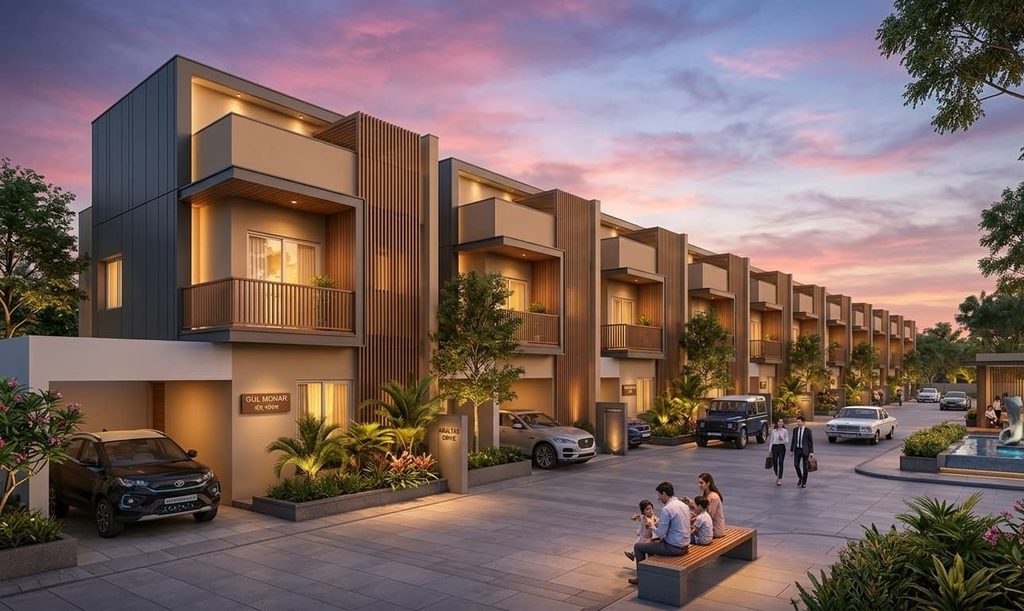
Consider the architecture of your average weekday. Do you require a dedicated quiet zone for focused work, or does your household thrive on open, communal areas? If you frequently host guests or value large gathering spaces, your priorities will naturally shift away from minimalist apartments toward more expansive residences. For families, the presence of parks, play areas, and educational institutions nearby is not just a convenience, but a lifestyle requirement that dictates how parents manage their time. By evaluating independent homes with modern amenities, you ensure that the physical structure supports your family life rather than restricting it.
Balancing Personal Space and Social Interaction
Modern living is a delicate balance of connectivity and privacy. Many homeowners seek properties that offer a sense of community without sacrificing individual serenity. This is why private courtyards, landscaped gardens, or well-planned terraces have become essential components of modern real estate. Assessing whether a neighborhood fosters social engagement or provides necessary insulation from urban noise is part of a mature property selection process. Heritage Prime suggests that buyers evaluate their social needs during the initial research phase, as this prevents common pitfalls where residents feel isolated or, conversely, overwhelmed by their surroundings.
Evaluating Neighborhood Dynamics
A house exists within a larger ecosystem. The streets, businesses, and public services surrounding your home contribute significantly to your lifestyle experience. A location might appear ideal on a map, but the tangible reality of the streets, traffic flow, and noise levels can tell a different story. Understanding the character of a neighborhood requires more than a simple drive-by; it requires deep engagement with the local environment.
Infrastructure and Its Impact on Daily Commutes
Proximity to transport hubs, medical centers, and grocery stores impacts your time budget. Every hour spent in traffic is an hour stolen from personal growth, rest, or family engagement. Buyers often overlook how arterial roads or local transit availability fluctuate throughout the day. When browsing potential locations, it is helpful to look for areas that provide a logical flow for your commute. Many professionals gravitate toward regions where high-quality infrastructure keeps pace with residential growth. If your search leads you to look for luxury independent villas in Noida, verify the accessibility of essential services to ensure your commute does not undermine the appeal of your new living space.
Community Culture and Local Amenities
Every area holds a distinct rhythm. Some regions are defined by quiet, residential tranquility, while others pulse with artistic expression or fitness-oriented lifestyles. Identifying the local vibe helps you predict whether you will settle in long-term or feel compelled to move within a few years. It is worth investigating if the local area supports your preferred activities, such as jogging, fine dining, or artistic clubs. A property that is located in an area lacking these elements can become stagnant, regardless of the quality of the internal construction. Always research the development trajectory of the neighborhood to ensure it aligns with your long-term preferences.
The Technological and Privacy Aspect
Modern lifestyle requirements now extend to digital security and home automation. As our lives become increasingly digital, how a property handles data security, connectivity, and technological integration becomes paramount. A home that supports seamless remote work and robust home automation improves overall quality of life. Furthermore, privacy is no longer just about tall fences; it is about how information regarding your living arrangements is handled by developers and property management firms.
Digital Connectivity in the Modern Home
Strong, reliable internet architecture and smart home readiness are top priorities for the modern buyer. Without proper pre-wiring and high-speed data integration, your property can quickly become obsolete. Additionally, developers who prioritize strict user data protection guidelines demonstrate a commitment to their clients that extends far beyond the sale. Your lifestyle now depends on digital infrastructure that works without constant intervention, allowing you to focus on your professional and personal projects without friction.
Long-Term Financial vs. Lifestyle Goals
There is often a tension between buying for investment and buying for lifestyle. An investment-focused property might be a compact apartment in a busy financial district, while a lifestyle-focused property could be a spacious house in a quieter, greener suburb. Finding the middle ground is the goal of a sophisticated buyer. Financial stability is important, but a house should never become a golden cage that prevents you from enjoying the life you work to build. Recognizing when to prioritize space over central density is key.
| Feature | Lifestyle Priority | Investment Priority |
|---|---|---|
| Location | Near schools, parks, community centers | Near business hubs, transport networks |
| Layout | Maximizes personal comfort, hobbies, and hosting | Optimized for rental appeal and ease of maintenance |
| Growth Potential | Future local amenities and quality of life | Capital appreciation and regional development |
Securing Expert Guidance
The complexities of property acquisition mean that you rarely have to navigate the market alone. Consulting with those who understand the nuance of market trends and residential needs can simplify your search. You should aim to contact seasoned property experts who can help clarify your priorities. They offer the necessary perspective to distinguish between a property that looks good on paper and one that actually satisfies your unique, specific requirements for years to come.
Frequently Asked Questions
How do I determine if a neighborhood is right for my lifestyle?
Visit the area during different times of the week. Observe traffic patterns during your usual commute, check the availability of amenities at night, and walk the streets to gauge the general atmosphere. Engaging with existing residents provides the most honest feedback regarding the day-to-day experience of living there.
Can lifestyle needs conflict with property appreciation?
Sometimes, yes. A home that caters perfectly to your lifestyle, such as a large estate in a quiet periphery, may not see as aggressive growth as a central, high-density apartment. However, the value of daily comfort and mental well-being often outweighs minor variations in market appreciation. Focus on long-term value over short-term flips.
What should I prioritize when comparing two similar properties?
Prioritize the aspects that you cannot easily change: natural light, the immediate surroundings, the quality of the neighborhood, and the proximity to your essential daily destinations. Interior finishes and paint can be upgraded, but a poor neighborhood orientation or lack of natural light is permanent.
How does future planning affect my property choice?
Always consider your life five to ten years from now. If you plan to grow your family, work from home permanently, or reach retirement age, your property must accommodate these shifts. A flexible floor plan is a strong indicator that a house will remain relevant to your changing needs, ensuring you do not outgrow your space prematurely.