
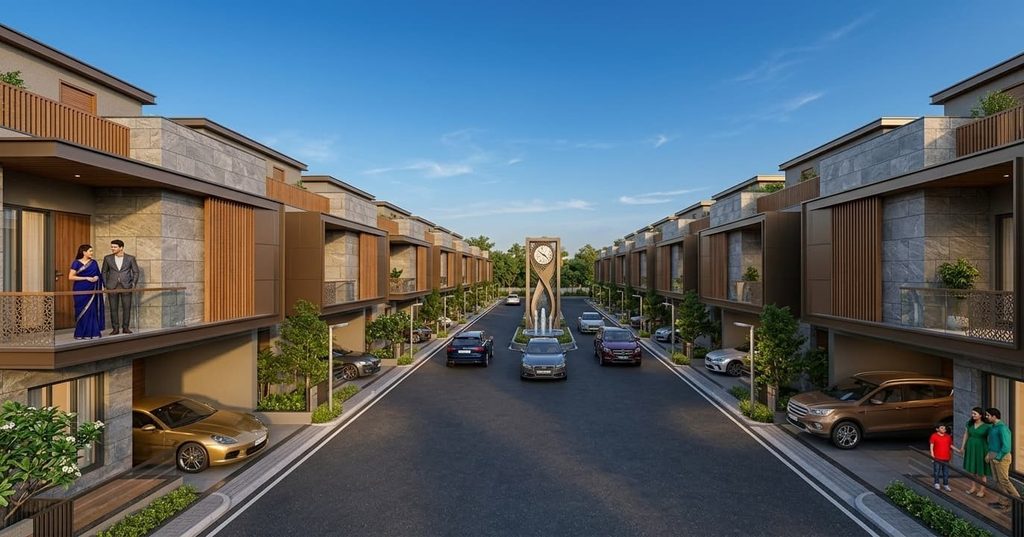
Quick Summary
Recent shifts in residential architecture demonstrate that outdoor space is no longer a luxury but a fundamental necessity for modern buyers. Homeowners now value private terraces, gardens, and balconies as extensions of their living area, providing essential mental health benefits and improved air quality. This article examines the rising market demand for exterior access, the long-term appreciation potential of homes with outdoor features, and the evolving role of Heritage Prime in shaping these lifestyle-driven real estate trends.
The Evolution of Residential Preferences
The standard definition of home value has transformed significantly over the past decade. Where homeowners once focused exclusively on internal square footage and the number of bedrooms, the modern purchaser now considers the boundary between indoor and outdoor areas as a single functional unit. This architectural shift represents a fundamental change in how people experience their domestic environments. As urban density increases, the demand for private breathing room has surged, making balconies, patios, and personal gardens high-value assets for any residential property.
Heritage Prime recognizes that the modern dwelling must serve multiple purposes: a workplace, a sanctuary, and a recreational zone. When interior walls feel constrictive, an outdoor space provides the necessary expansion for both mental clarity and physical relaxation. This desire for exterior connectivity is not merely a passing phase but a structural adjustment in consumer behavior. Architects and urban planners are increasingly incorporating floor-to-ceiling glass doors and wrap-around balconies to ensure that every resident maintains a direct link to the outside environment.
The shift is also driven by a broader cultural focus on wellness. Access to natural light and fresh air has been clinically linked to better sleep patterns, reduced cortisol levels, and increased productivity. Developers who fail to account for this connection often find their units sitting on the market significantly longer than those that feature thoughtfully designed open-air sections. As a reputable real estate developer in NCR, our team ensures that community projects prioritize these green corridors to provide the necessary balance that busy families require.
Economic Impact and Valuation
Does Outdoor Space Increase Resale Value?
Real estate appraisals have become more nuanced in their inclusion of outdoor amenities. A well-maintained terrace or garden often commands a premium price during a resale transaction. Prospective buyers are willing to pay a higher price per square foot for properties that allow them to step outside without leaving the comfort of their home. This value proposition holds true even in high-density urban areas where such land is notoriously difficult to secure.
In many markets, an outdoor area is considered a secondary living room. When furnished correctly, this space becomes an venue for social gatherings, exercise, or quiet contemplation. Properties that include independent homes with modern amenities specifically designed for outdoor living consistently outperform traditional, enclosed structures in market valuation assessments. Investors are now favoring projects that offer these versatile areas because they recognize that lifestyle appeal drives sustained appreciation in residential property values.
Maintenance Costs vs. Long-Term Gains
While the upkeep of a terrace or garden does require time and investment, the long-term gains often outweigh the annual expenses. Modern drought-resistant landscaping and modular decking systems have lowered the barrier to entry for maintaining these zones. Homeowners find that the ability to grow organic vegetables or enjoy a coffee in the morning sun adds an intangible quality to life that translates into higher buyer interest. When considering whether to commit to a property, it is often helpful to get in touch with our real estate consultants to understand how specific outdoor layouts affect long-term liquidity.
Architectural Design Trends
Seamless Indoor to Outdoor Transitions
The goal of contemporary residential design is to remove the psychological threshold between the kitchen or living room and the balcony. This is achieved through level thresholds, consistent flooring materials, and large-format sliding glass systems that disappear when fully open. By matching the floor tile colors and patterns between the interior and exterior, designers can trick the eye into perceiving a much larger living space. This creates an atmosphere of freedom that is essential for modern urban dwellers who are tired of cramped, box-like apartment structures.
The Growth of Vertical Gardens
Space constraints are a reality in many modern housing developments. However, vertical gardening has emerged as a solution for those who lack ground-level gardens. Trellis systems, wall-mounted planters, and hanging greenery are being integrated into building designs from the outset. This brings the benefits of nature closer to the residents, providing natural air filtration and cooling effects during summer months. Even a small balcony can host a significant number of plants if the layout is approached with a vertical mindset.
Privacy and Data Considerations
In the digital age, homeowners are just as concerned with their physical privacy as they are with their online data. When evaluating outdoor space, buyers prioritize designs that offer seclusion from neighbors. Strategically placed privacy screens, pergolas, and strategically positioned landscaping are essential elements that developers must incorporate. Similarly, as these buildings become ‘smart’ through automation, owners must be aware of our customer data privacy policy to ensure that any digital devices controlling their garden irrigation or lighting systems remain secure against unauthorized access.
Lifestyle and Mental Health Benefits
The psychological impact of being disconnected from nature is well-documented. Humans evolved in open environments, and the sterile nature of glass and concrete boxes can lead to a sense of confinement. Outdoor access offers a reprieve from this, allowing for exposure to natural sunlight and seasonal changes. These elements serve as a grounding force, helping to regulate internal rhythms and improve general mood. Families with children, in particular, find that a secure outdoor area is invaluable for development, providing a safe space for imaginative play and physical activity.
Future Outlook for Residential Real Estate
As remote work becomes a permanent fixture in the professional world, the home is shifting from a sleep-centered space to a holistic hub. This requires that the home office be complemented by an outdoor break area. Looking ahead, we expect to see even greater innovation in how these areas are integrated into building footprints. From communal rooftop gardens to individual green rooms, the industry is moving toward a model where residents are never more than a few steps away from an open-air environment. Developers who anticipate these needs will be the ones that define the future of the housing market.
Frequently Asked Questions
How does outdoor space affect the resale potential of an apartment?
Properties with private outdoor spaces generally command a higher market value and sell faster than units without them. In an era where lifestyle quality is a primary driver for buyers, having a balcony or terrace serves as a powerful selling point that sets the property apart from standard inventory.
What are some budget-friendly ways to improve a small balcony?
Focus on multi-functional furniture, such as foldable tables and seating that can be stored easily. Use vertical wall space for hanging planters and add artificial or natural grass rugs to create a softer aesthetic. Proper lighting, such as solar-powered lanterns, can also make the space usable and inviting during evening hours.
Is a garden or balcony considered part of the total carpet area?
In most regulatory frameworks, balconies and gardens are classified as separate from the indoor carpet area. However, they are listed as part of the total saleable area or super built-up area. Always check the specific documentation for your property to understand how these exterior sections are calculated in your legal agreement.
How can I ensure privacy in an urban balcony setup?
Privacy can be achieved through the installation of decorative bamboo screens, trellis panels with climbing vines, or opaque glass partitions. Placing larger potted plants at the edges of the balcony also helps create a natural green barrier that shields your view from neighbors without blocking out the light.