
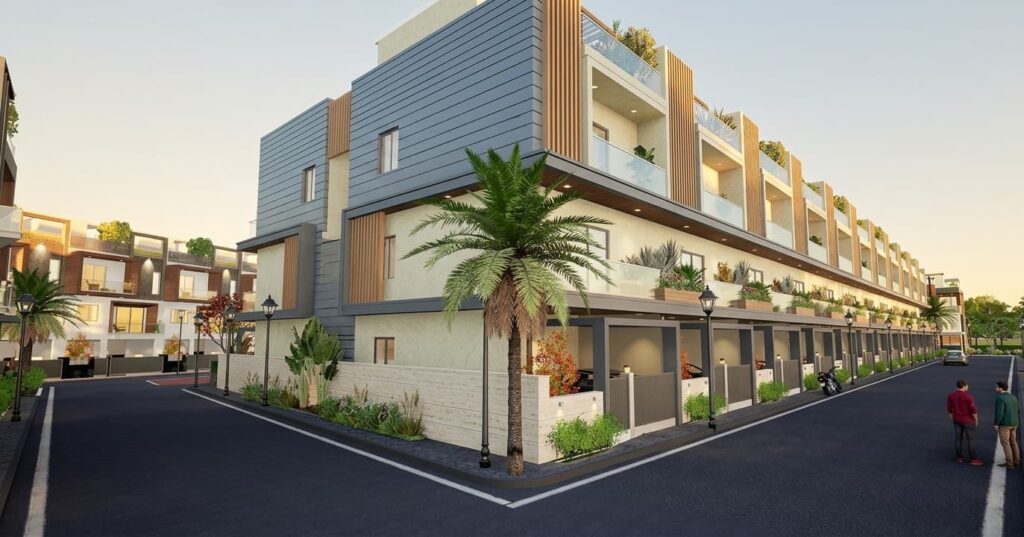
Quick Summary
Greater Noida is rapidly emerging as a primary hub for residential property investments in northern India. This analysis breaks down the return on investment (ROI) dynamics for 2BHK villas, showcasing how rapid infrastructure growth, shifting consumer preferences toward independent living, and massive commercial investments are driving double-digit capital appreciation and stable rental yields across key micro-markets.
Table of Contents
- Market Overview of Greater Noida Real Estate
- Financial Dynamics of 2BHK Villas
- Key Infrastructure Drivers Influencing ROI
- Comparative Analysis of Investment Hubs
- Risk Assessment and Mitigation Strategies
- Future Outlook for Greater Noida Property Market
Market Overview of Greater Noida Real Estate
Why is Greater Noida attracting massive residential investments?
The National Capital Region has witnessed a dramatic shift in its residential real estate dynamics over the last decade. As density increases in core urban centers like Delhi and Gurugram, buyers and institutional funds are targeting peripheral, planned cities that offer superior infrastructure and realistic entry prices. Greater Noida stands out as a prime beneficiary of this migration pattern. Investors seeking premium residential properties in Delhi NCR often analyze this region due to its expansive, well-planned grid system, wide roads, and substantial green cover. Unlike organically grown urban clusters, Greater Noida was developed with long-term industrial and residential zoning in mind, preventing the chaotic congestion common in other parts of the metropolitan area.
Industrial growth in the region has acted as a catalyst for residential demand. The establishment of dedicated mobile manufacturing zones, semiconductor manufacturing proposals, massive data centers, and heavy engineering plants has generated thousands of high-paying corporate and technical jobs. This employment boom directly feeds the housing sector, creating a steady stream of salaried professionals searching for long-term residences. Consequently, the demand for self-contained, low-density housing has risen sharply, positioning individual villas as highly attractive assets compared to traditional group housing projects.
What makes 2BHK configurations popular among middle-income buyers?
The 2BHK layout represents a sweet spot in the regional housing market, combining financial feasibility with functional utility. For young professional couples, nuclear families, and retirees, a two-bedroom configuration provides adequate space without the heavy maintenance overheads associated with larger properties. From a financial perspective, 2BHK independent homes demand a lower capital outlay, making them highly accessible to mid-level management professionals who wish to transition from rented apartments to owned landed property.
Moreover, the rental market shows high liquidity for 2BHK formats. Corporate employees, research scholars from local universities, and mid-sized families prefer these layouts as they are highly cost-efficient to furnish and heat or cool. For an investor, this ensures that the asset does not remain vacant for extended periods, preserving the cash flow continuity that is critical for servicing home loans or generating steady passive yields. According to data tracked in our NCR real estate blog and market insights, smaller configuration villas appreciate at a steadier percentage rate because the pool of potential secondary buyers remains broad even during macroeconomic downturns.
Financial Dynamics of 2BHK Villas
How do capital appreciation rates for villas compare to apartments?
When comparing capital appreciation, villas behave fundamentally differently from multi-story apartments. High-rise apartments derive their value primarily from the built structure, which depreciates over time, leaving only a fractional share of undivided land interest (UDS) to the owner. In contrast, an independent villa owner owns the physical land beneath the structure. Since land is a finite resource, its intrinsic value appreciates rapidly, more than compensating for the physical depreciation of the building. In Greater Noida, this has led to a noticeable performance gap between the two asset classes.
Over the last five years, standard apartments in Greater Noida have delivered average annual appreciation rates ranging from 6% to 9%. On the other hand, gated independent villas have achieved annual growth figures between 12% and 18%, depending on the specific sector and the quality of local connectivity. This gap is expected to widen as vacant land parcels near major expressways become increasingly scarce. Buyers seeking long-term wealth preservation are prioritizing landed properties, knowing that their equity in the land will remain secure and marketable for decades to come.
What is the average rental yield for a 2BHK villa in Greater Noida?
Rental yields in India have historically hovered around 2% to 3% for luxury apartments. However, Greater Noida presents a unique scenario for 2BHK villas. Due to the limited inventory of low-density housing and a strong cultural preference for independent living, these properties manage to command premium rents. The average rental yield for well-maintained 2BHK villas in premium areas of Greater Noida ranges between 3.5% and 5.2% annually, which is significantly higher than the yields recorded in neighboring micro-markets.
When comparing these assets to premium villas for sale in Noida, the price entry-point in Greater Noida is currently lower, which naturally boosts the percentage yield for early investors. A lower acquisition cost combined with robust rental demand from corporate executives working in Knowledge Park or the Yamuna Expressway industrial zone creates a highly lucrative environment for generating monthly rental income while waiting for capital values to mature.
Key Infrastructure Drivers Influencing ROI
How does the Noida International Airport impact property prices?
The construction of the Noida International Airport at Jewar is undoubtedly the most significant infrastructure project in northern India. This mega-development has completely transformed the investment horizon for the entire Yamuna Expressway and Greater Noida sub-regions. Historically, real estate values in suburban NCR suffered due to a perceived lack of global connectivity. The new airport removes this bottleneck entirely, positioning Greater Noida as an international business gateway comparable to Gurugram.
As the airport progresses toward commercial operations, MNCs, logistics firms, and hospitality brands are acquiring land along the main transit corridors. This commercial inflow creates a massive white-collar workforce that requires premium, comfortable housing within a 30-to-40-minute drive. Property prices for 2BHK villas in Greater Noida have already experienced pre-operational price surges, and historically, once an airport becomes operational, nearby residential micro-markets experience a secondary, sustained wave of appreciation as organic demand replaces speculative investment.
What role does metro connectivity play in villa appreciation?
The expansion of the Aqua Line metro network has played an essential role in integrating Greater Noida with the broader Delhi Metro grid. Reliable public transit is a primary consideration for families and corporate tenants who commute daily. Sectors that lie within a 2-to-5-kilometer radius of active metro stations have seen their rental demand double, as tenants can travel to Noida Sector 62, central Noida, or Delhi without relying on highly congested road routes.
Future metro expansion plans, including proposed links directly connecting Greater Noida to the upcoming Jewar Airport, will further solidify this transit efficiency. For villa projects, which are often located in low-density, quiet pockets slightly away from noisy commercial main streets, easy access to a nearby metro station provides the perfect balance: quiet, spacious living combined with effortless urban mobility. This combination is highly prized by premium tenants, directly supporting higher rental rates and increased capital appreciation.
Comparative Analysis of Investment Hubs
Which sectors in Greater Noida offer the highest return on investment?
Not all sectors in Greater Noida perform equally. Investors must carefully distinguish between high-end established residential zones, emerging commercial corridors, and peripheral areas. Established sectors such as Alpha, Beta, and Gamma offer high immediate rental yields due to their proximity to shopping complexes, prestigious schools, and functional offices, but their capital appreciation rates have stabilized. Conversely, emerging sectors along the Yamuna Expressway and Greater Noida West present high appreciation potential but may require a longer investment horizon to achieve peak rental yields.
For instance, developments like the Palm Villas Noida gated community show that integrated security adds massive value, attracting premium tenants who prioritize safety and community amenities. When choosing a location, smart buyers look for sectors that sit at the intersection of immediate liveability and future commercial development, ensuring they do not have to compromise on cash flow while waiting for long-term equity growth.
| Micro-Market / Sector Group | Average 2BHK Villa Price Range (INR) | Est. Annual Rental Yield | Projected 5-Year CAGR |
|---|---|---|---|
| Greater Noida West (Noida Extension) | 75 Lakhs – 1.1 Crores | 3.8% – 4.5% | 11% – 13% |
| Knowledge Park & Surrounding Sectors | 90 Lakhs – 1.4 Crores | 4.2% – 5.1% | 12% – 14% |
| Yamuna Expressway Corridors | 60 Lakhs – 95 Lakhs | 2.8% – 3.5% | 14% – 18% |
| Sectors Alpha, Beta & Chi | 1.2 Crores – 1.8 Crores | 3.2% – 4.0% | 9% – 11% |
Risk Assessment and Mitigation Strategies
What are the common risks when buying an independent villa?
While independent villas offer superior long-term appreciation, they also present unique challenges that buyers must carefully navigate. The most significant risk is related to security and maintenance. Unlike high-rise apartment complexes where a single facility management company handles waste disposal, water supply, landscaping, and 24/7 security, independent homes outside gated townships put the entire operational and safety burden on the individual owner. This can lead to rapid physical deterioration if the property is left unattended, which can ultimately lower its rental value and overall appeal in the secondary market.
Another critical challenge is the risk of infrastructure delays. Buying an independent home in an undeveloped sector based solely on future municipal promises can leave investors stranded without basic services like municipal water lines, stable electricity grids, or tarred access roads for several years. This isolation can negatively impact initial rental yields and force owners to accept lower rental rates, which can severely compromise their cash flow projections during the crucial early years of their investment.
How can buyers verify land titles and legal approvals?
To protect hard-earned capital, investors must follow a rigorous legal verification process. First, always ensure that the project is fully registered with the Uttar Pradesh Real Estate Regulatory Authority (UP RERA). RERA registration guarantees that the builder has submitted all necessary layout approvals, environmental clearances, and title deeds to the government, providing a robust legal cushion against fraud or construction delays. Buyers should independently verify the developer’s track record, as partnering with a reputable real estate developer in NCR ensures clean titles, structural integrity, and timely delivery of the property.
Additionally, buyers should request a clear non-encumbrance certificate spanning at least 15 to 30 years to confirm that the land is free from any outstanding financial liabilities or legal disputes. It is also highly recommended to hire an independent legal expert to examine the land allotment letter issued by the Greater Noida Industrial Development Authority (GNIDA). Confirming that all lease rent payments and development charges have been paid in full by the builder prevents sudden financial liabilities or structural challenges from the local authority in the future.
Future Outlook for Greater Noida Property Market
What will villa values look like over the next five to ten years?
The outlook for low-density residential assets in Greater Noida remains highly positive. Over the next decade, the region will transition from an emerging investment corridor to a fully mature urban center. As high-value infrastructure projects like the Noida International Airport, the Delhi-Mumbai Industrial Corridor (DMIC), and the Film City project reach completion, demand for high-end, independent living spaces will continue to grow, while the supply of physical land in prime sectors will become increasingly scarce.
This supply-demand imbalance is expected to drive significant appreciation for 2BHK villas. Properties that are bought today at reasonable prices will likely become premium heritage assets as density in surrounding high-rises peaks. For investors, this represents a unique opportunity to build long-term generational wealth, backed by a physical, income-producing land asset in one of India’s fastest-growing economic corridors.
Frequently Asked Questions
Is a 2BHK villa a better investment than a 3BHK apartment in Greater Noida?
Yes, from a long-term capital appreciation perspective. A 2BHK villa gives you direct ownership of the underlying land, which appreciates much faster than the concrete structure of a high-rise apartment. While a 3BHK apartment may offer slightly more indoor space initially, its value is tied to a depreciating building. Over a 5-to-10-year period, the land value of a villa will almost always outperform the appreciation of a standard apartment.
What is the typical maintenance cost for an independent villa?
Maintenance costs for independent villas depend on whether the property is located in an open area or within a secure, gated township. In an open area, the owner is responsible for all upkeep, which can vary. In a gated community, residents typically pay a monthly maintenance fee ranging from INR 2,500 to INR 6,000. This fee covers common amenities, waste management, security, and landscaping, making upkeep much simpler and more predictable.
How does the Noida-Greater Noida Expressway affect ROI?
The Noida-Greater Noida Expressway serves as the main economic artery of the region. It connects residential sectors directly with corporate hubs, tech parks, and commercial zones. Properties located near this expressway enjoy higher rental demand, lower vacancy rates, and faster appreciation because they offer easy, reliable commutes for working professionals, which directly boosts the overall ROI of your investment.
Can NRI investors expect stable returns on suburban villas?
Absolutely. NRI investors find 2BHK villas in Greater Noida highly attractive due to the lower entry costs compared to mature international markets, combined with strong double-digit growth potential. By choosing professional property management companies or buying inside secure, gated communities, NRI owners can easily manage their properties remotely, securing stable rental income and solid long-term capital gains.